
Who Speaks in What Order at a Wedding? A Guide to Wedding Speech Etiquette
Weddings are special occasions filled with love and celebration, but they can also come with some confusion about who speaks and in what order. Typically, the best man delivers the first speech, followed by the maid of honor, parents of the couple, and then the couple themselves. Knowing the traditional order can ease nerves and ensure everyone has their moment to shine.
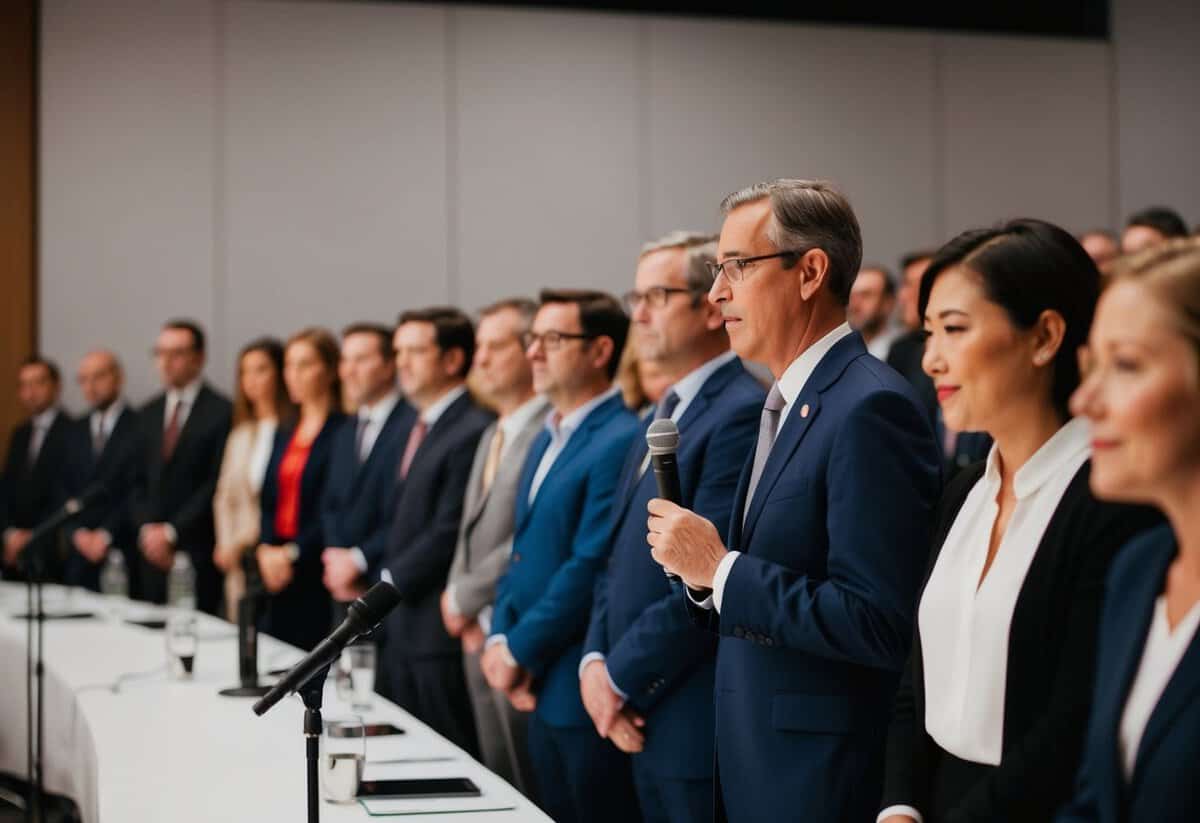
You might wonder how this order has changed over time. In modern weddings, it’s common for both parents to speak, and sometimes other members of the wedding party step up too. This flexibility allows for a more personal touch and reflects your unique story as a couple.
Getting the speech order right helps everything flow smoothly during the reception. It sets the stage for heartfelt toasts and memorable moments that everyone will cherish.
Understanding Wedding Speech Traditions
Wedding speeches are an important part of the celebration. They bring emotions, stories, and joy to your special day. Understanding the traditions behind these speeches can help you plan better.
Historical Context of Wedding Speeches
Wedding speeches date back to ancient times. In earlier cultures, community leaders often spoke during ceremonies. These speeches usually included blessings and mentions of the couple’s family history.
Over the years, the focus shifted to family and friends. The best man and maid of honor became key speakers. They share personal stories about the couple and offer heartfelt wishes. In many cases, the parents also give speeches to express their happiness.
Traditionally, the best man speaks last. This is usually when the celebration transitions to dancing and festivities. Keeping speeches short and meaningful adds to the special atmosphere.
Variations Across Cultures
Wedding speech traditions vary widely across cultures. In some cultures, the couple’s parents share insights about their lives and offer advice. In others, a toast is a common practice instead of a speech.
For example, in many Western cultures, you often hear from the best man and maid of honor. In contrast, some Asian cultures focus more on the couple, with speakers acknowledging relatives and elders.
You may also find that speeches include rituals, like pouring wine or lighting candles. Understanding these differences can help you honor your heritage, making it meaningful and memorable for everyone involved.
Roles and Responsibilities
When it comes to wedding speeches, each speaker has a unique role that adds to the celebration. Knowing who speaks and what they typically say helps create memorable moments for everyone involved.
Master of Ceremonies
The Master of Ceremonies (MC) plays a crucial role in setting the tone for the event. You should choose someone who is personable and comfortable speaking in front of a crowd.
The MC opens the reception, introduces speakers, and transitions between different parts of the program. A good MC keeps everyone informed and ensures the event flows smoothly. Their energy and charisma can bring everyone together, making them an important part of your celebration.
Father of the Bride Speech
The Father of the Bride speech is one of the most anticipated moments of the day. Typically, the father expresses love for his daughter and welcomes the groom into the family.
You may want to include personal stories that highlight the bride’s journey, adding humor and warmth. A toast to the couple is essential, showing support for their future. This speech sets an emotional tone that engages your guests and celebrates family bonds.
Groom Speech
The groom speech is a chance for you to thank your guests and share your feelings about your partner. Start by acknowledging your parents and the bride’s family for their support.
Include a heartfelt message about the bride, touching on what makes her special to you. A little humor can lighten the mood, but keeping it sincere is key. End with a toast to your new spouse and the life you will share together.
Bride Speech
While not as common, a bride speech can be a beautiful addition to your wedding. This is your opportunity to thank friends and family for their presence and support.
You might want to share funny anecdotes about your relationship with the groom or express your love and excitement for your future together. This personal touch resonates with guests and showcases your voice on this special day.
Best Man Speech
The Best Man speech is often filled with humor and heartfelt moments. As the groom’s closest friend, you have a special role in sharing stories that capture their personality.
You should aim for a balance between funny anecdotes and sincere sentiments. It’s important to avoid embarrassing stories that might make the couple uncomfortable. Conclude your speech with a toast to love and friendship, celebrating the couple’s new journey.
Maid of Honor Speech
The Maid of Honor speech is a time for you to share your bond with the bride. You should focus on your experiences together and what makes her an amazing person.
Add light-hearted stories but keep the tone loving and supportive. Make sure to express your happiness for her and her partner, encouraging everyone to raise a glass for their future. This speech is a wonderful way to showcase your friendship and connection.
Additional Speakers
Sometimes, other family members or friends may want to add to the celebration. You might have siblings, grandparents, or close friends step up to say a few words.
These additional speakers can share their unique perspectives and stories about the couple. Keeping these speeches shorter helps maintain the flow of the evening while adding depth to the celebration. Consider coordinating with these speakers to ensure everyone has a chance to shine without overlapping.
Navigating Wedding Speech Order
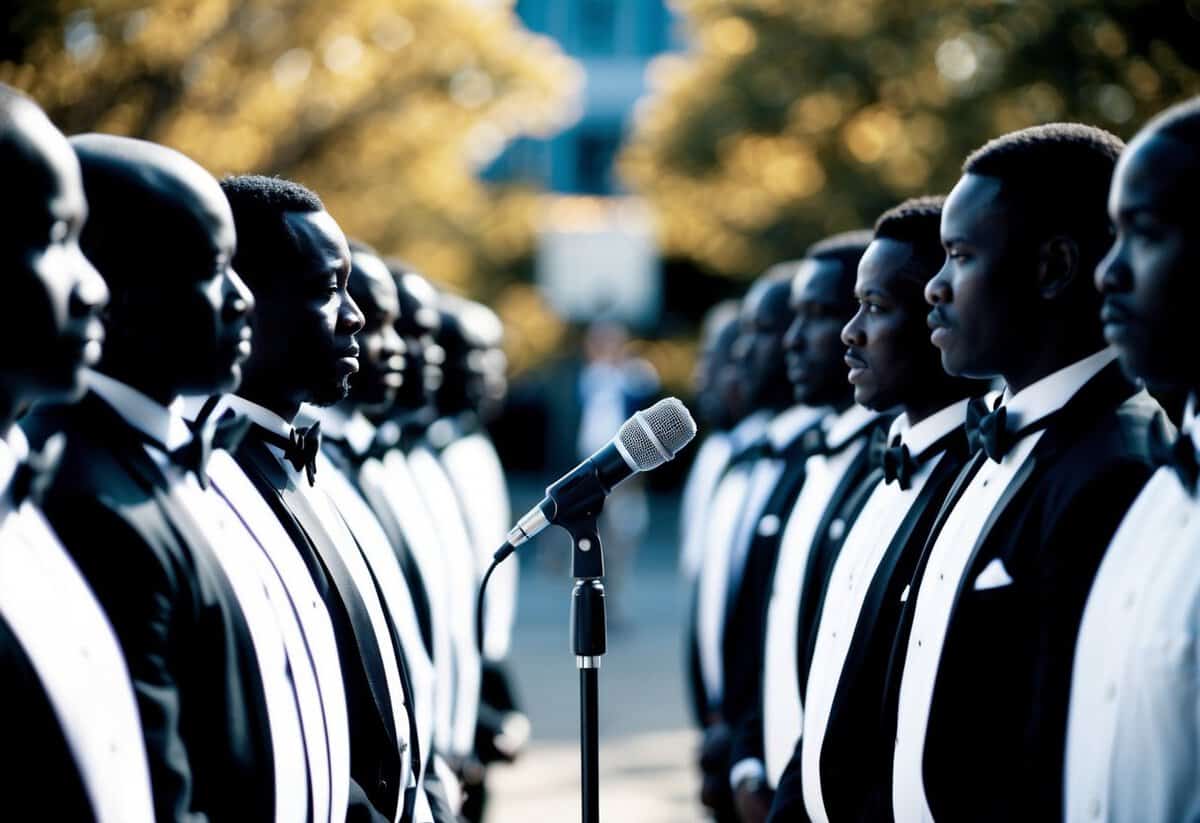
Planning the order of wedding speeches can help make your special day flow smoothly. Knowing who speaks when adds structure to the event. Here’s how to navigate both traditional and modern speech orders.
Traditional Wedding Speech Order
In a traditional wedding, speeches usually follow a specific order. It often starts with the father of the bride, who welcomes guests and shares a few heartfelt words. Next, the groom gives his speech, thanking the bride’s family and expressing love for his partner. Following him, the best man delivers a mix of humor and memories. If the bride wishes to speak, she can do so after the groom, often sharing gratitude and thoughts about her journey.
- Father of the Bride
- Groom
- Best Man
- Bride (optional)
This structure allows for emotional depth and a nice flow throughout the evening.
Modern Adaptations
Today, many couples are choosing a more modern approach to wedding speeches. This could include speeches from both parents, or even from friends who want to share their stories. It’s common for speeches to happen at the rehearsal dinner as well, where family members from both sides may speak.
You might also find that more guests from the wedding party are encouraged to share their thoughts. This more relaxed style can create a fun and engaging atmosphere. Just remember to keep each speech brief to maintain energy throughout the event.
Tips for Planning the Speech Timeline
A smooth speech timeline can enhance your wedding experience. Here are some tips to ensure everything goes well:
- Communicate Early: Let all speakers know when they will speak. This helps them prepare.
- Set a Time Limit: Suggest around 3-5 minutes for each speech. This keeps attention and interest high.
- Practice Together: Consider a practice run with the speakers. This can help them gauge timing and flow.
- Be Flexible: Be open to changes in the order if necessary. It’s your day, so adapt as needed!
Keeping these points in mind will help you create an enjoyable and heartfelt atmosphere for your wedding speeches.
Crafting and Delivering Memorable Speeches
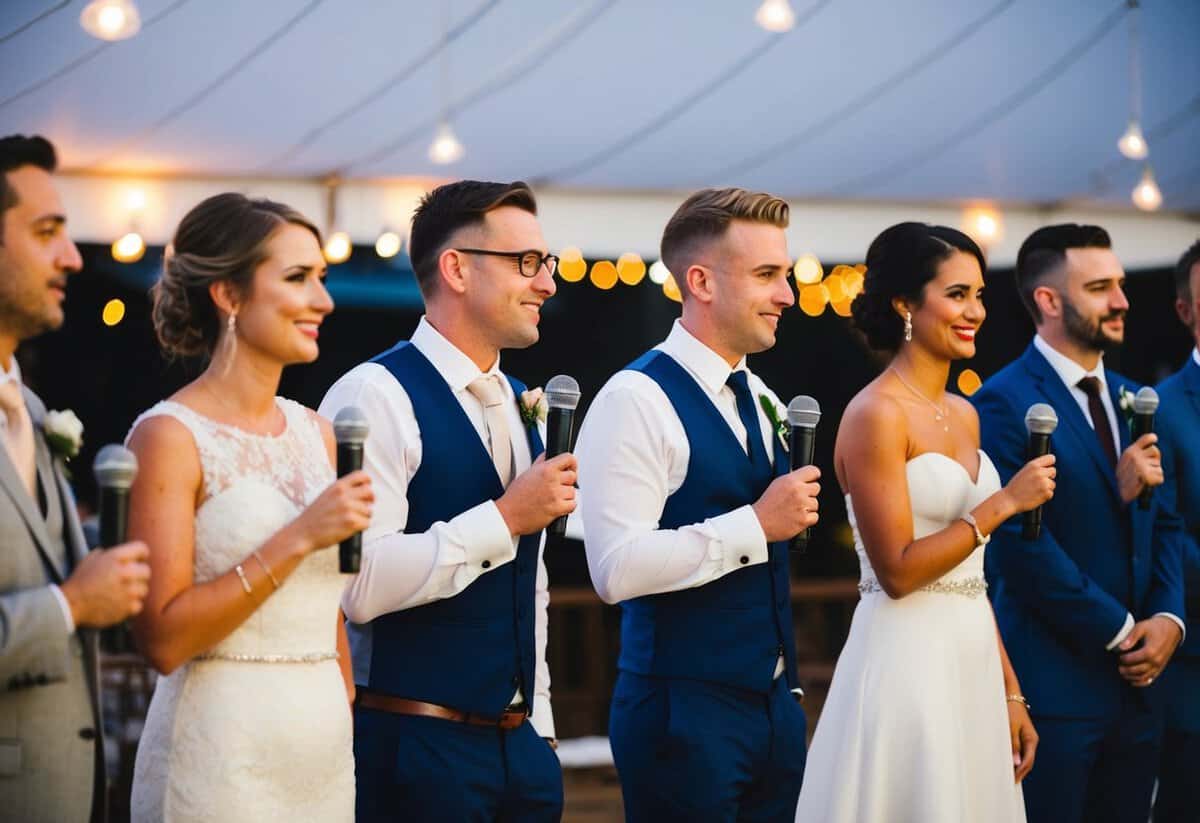
Creating a memorable wedding speech is important for making your words stand out. Focus on structure, avoiding repetitive sentiments, and mastering the toast to ensure your message resonates with the couple and guests at the celebration.
Structuring Your Speech
Start by introducing yourself and your relationship to the couple. A brief personal anecdote can help connect with the audience. Keep your speech organized in three key parts: an engaging opening, heartfelt middle, and a strong closing.
Tips for structuring:
- Opening: Grab attention with a light-hearted joke or touching memory.
- Body: Share meaningful stories that highlight the couple’s journey together.
- Close: Finish with a heartfelt toast wishing them happiness.
Aim for around three to five minutes to keep the audience engaged.
Avoiding Speech Fatigue
To keep your audience attentive, be mindful of how long your speech is. Long, drawn-out speeches can cause guests to lose interest. Dynamic delivery is key. Use pauses and vary your tone to maintain attention.
Strategies to avoid fatigue:
- Practice: Rehearse your speech multiple times, refining as you go.
- Engage the Audience: Make eye contact or ask rhetorical questions to involve listeners.
- Stay Positive: Share uplifting sentiments, avoiding negativity or inside jokes that may not resonate with everyone.
Shorter speeches often leave a lasting impression.
Toasting Etiquette
When it’s time to raise your glass, be clear and concise. Start by mentioning the couple, then share a personal touch or a sweet memory that connects to the toast.
Remember these tips when toasting:
- Keep it Brief: Aim for 30-60 seconds.
- Use Names: Address the couple directly to make it more personal.
- Raise Your Glass: End with an invitation for all to join in the toast.
Follow these guidelines to ensure your wedding toast is well-received and adds to the joy of the celebration.