
Do Flower Girls Walk Down Before Bridesmaids? Understanding Wedding Procession Traditions
Choosing the perfect order for your wedding processional can feel overwhelming. You might wonder whether flower girls walk down before bridesmaids. Traditionally, flower girls follow the bridesmaids and walk just before the bride, but couples can mix this order as they wish. This flexibility allows you to personalize your ceremony and reflect your unique style.
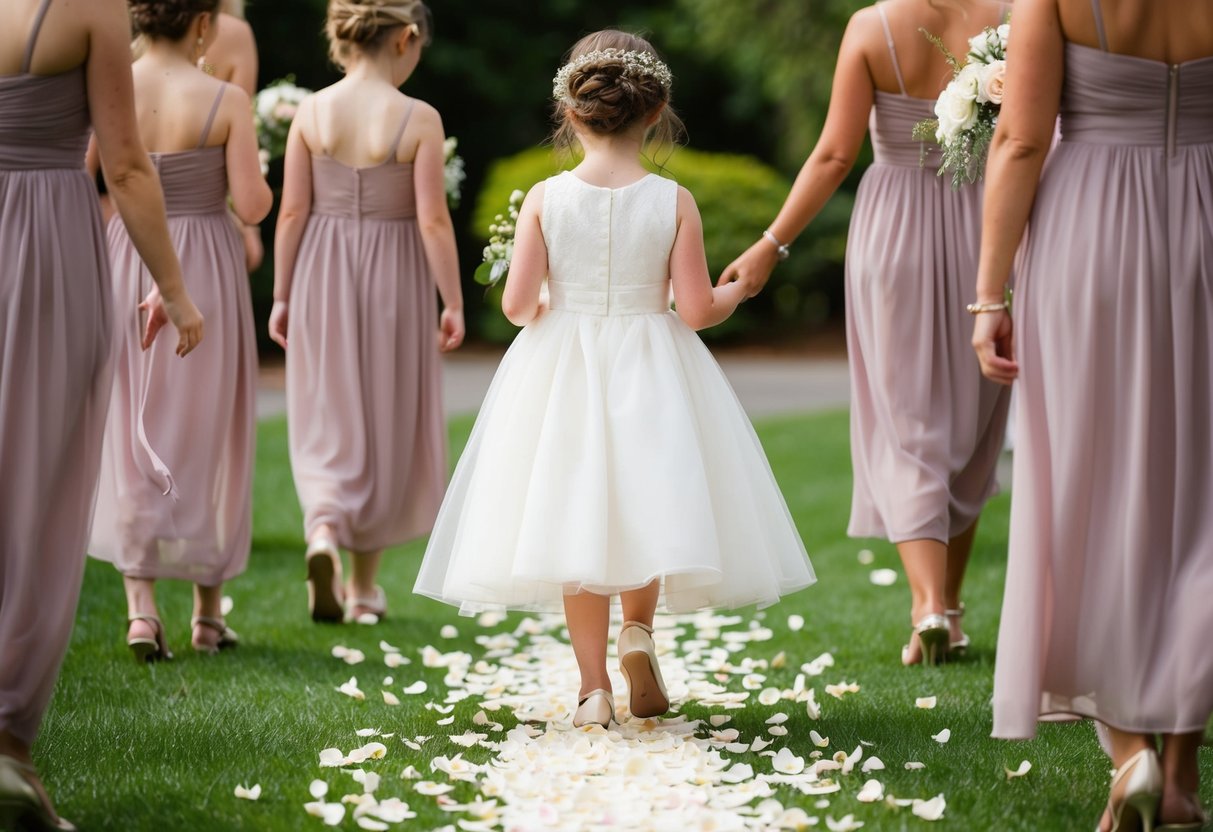
If you’re looking for a whimsical touch, you might consider having the flower girls walk before the bridesmaids. This can create a lighthearted atmosphere that engages your guests right from the start. The order in which they walk can be a fun way to showcase your vision for the ceremony.
There are many options to consider for your big day. Whether you stick to tradition or decide to break the mold, remembering that it’s your wedding can help ease the decision-making process. Embrace what feels right for you and your loved ones!
Understanding the Wedding Procession
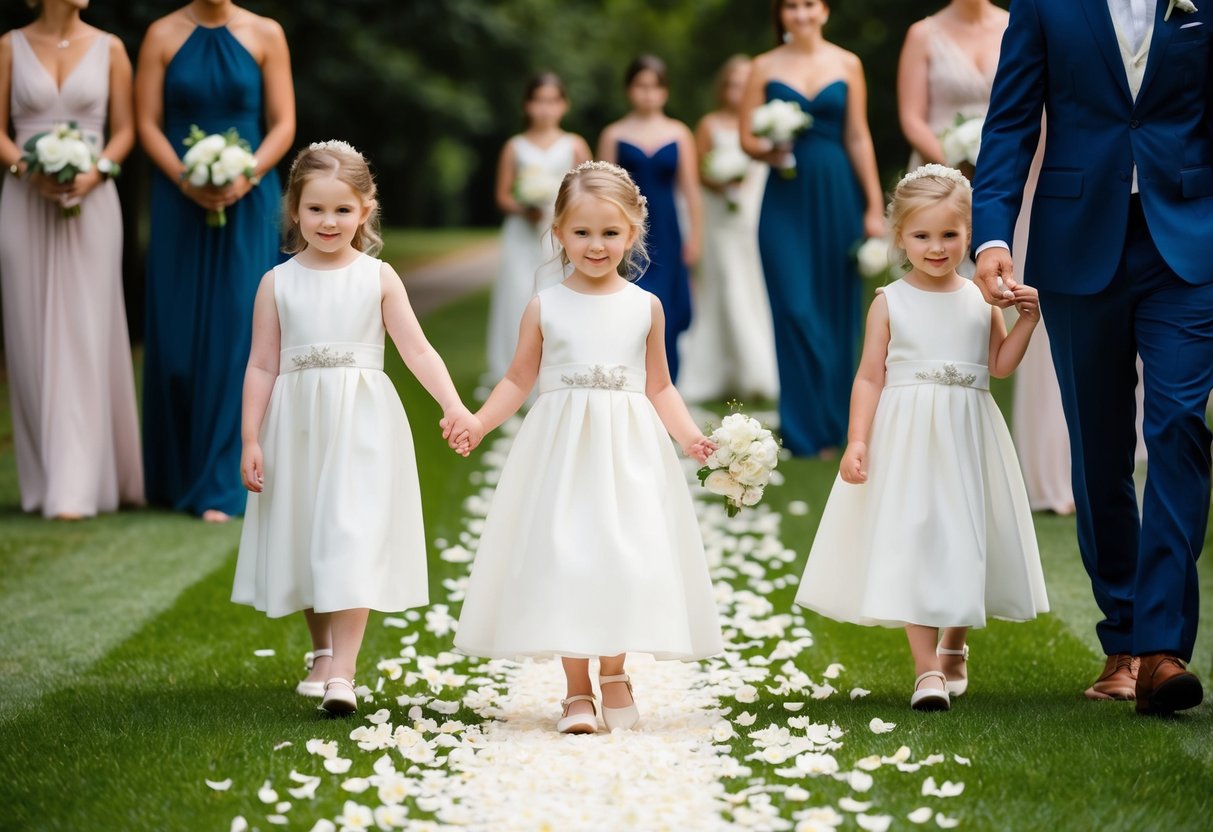
A wedding procession is an important part of the ceremony. It sets the tone and provides a structured way for everyone to come together. Knowing the roles and the traditional order can help you plan a smooth and memorable event.
Roles in the Procession
Each person in the wedding procession has a specific role that contributes to the overall event. The officiant usually leads the way, followed by the bridal party.
Bridesmaids walk down the aisle next, supporting the bride and adding beauty to the ceremony. They often wear coordinated dresses that match the wedding theme.
Flower girls, typically young children, follow the bridesmaids. They usually sprinkle flower petals to symbolize new beginnings.
Next comes the ring bearer, who carries the wedding rings, often on a pillow, to deliver to the bride and groom. The maid of honor walks last in the bridal party, just before the bride, making it a significant moment.
Traditional Order of Entrance
The traditional order of the wedding procession may vary but generally follows a common pattern.
- Officiant – Leads the way, setting a special tone.
- Grandparents – Often seated first, providing an emotional touch.
- Bridal Party – Bridesmaids and groomsmen line up next, creating an elegant backdrop.
- Flower Girls and Ring Bearer – Their cute entrance lightens the mood.
- Maid of Honor – Walks just before the bride, making it a special moment.
- Bride – The most important entrance, usually accompanied by a parent.
This order can be adjusted based on personal preference or specific family traditions. You have the freedom to customize the procession to fit your unique wedding vision!
Cultural Variations in the Processional
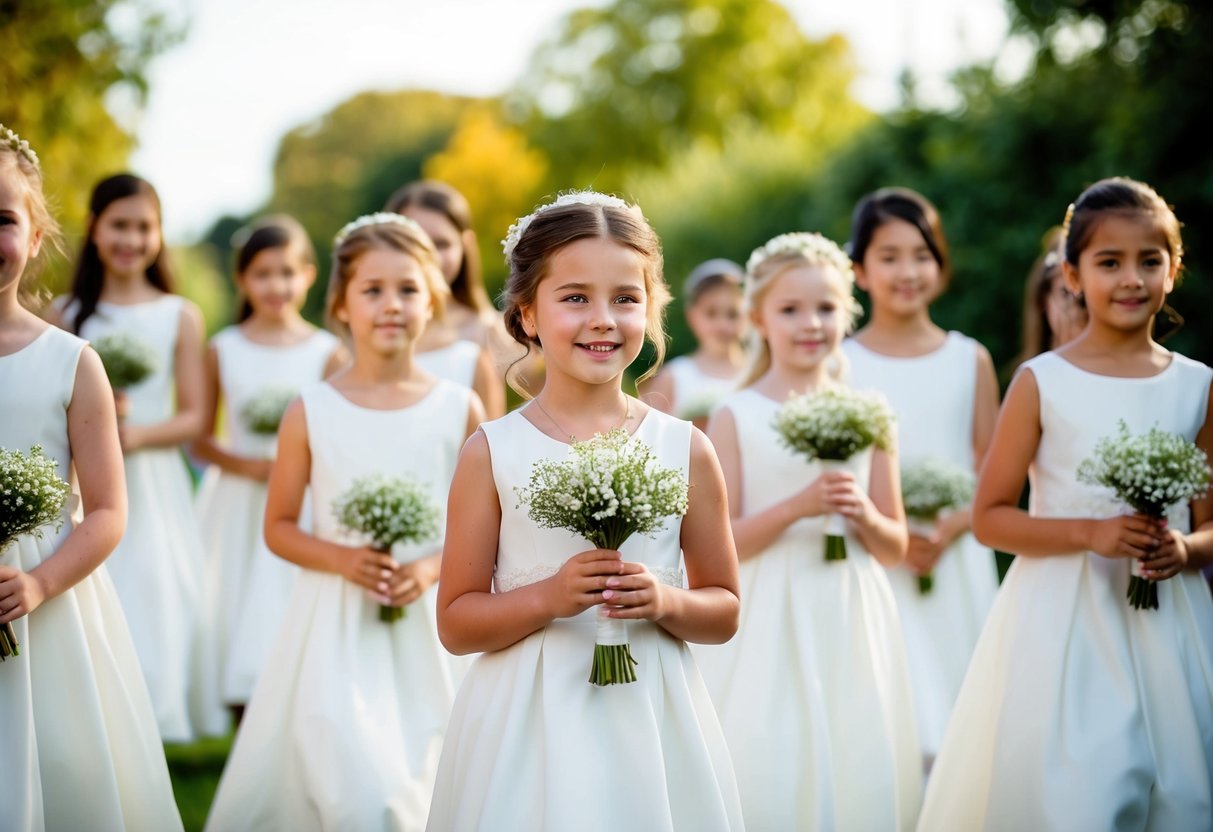
Weddings around the world have unique customs regarding how the bridal party walks down the aisle. The order can vary significantly based on cultural traditions. Understanding these different practices can help you decide what resonates best with your vision for the celebration.
Christian Wedding Processional Traditions
In a traditional Christian wedding, the processional usually starts with the bridesmaids. They walk down the aisle either alone or in pairs. After them comes the maid of honor, standing as the bride’s closest support.
The flower girl and the ring bearer typically follow, adding a sweet touch to the ceremony. Finally, the bride makes her grand entrance, often accompanied by her father or another important family member. This traditional order emphasizes the role of the bride as the focal point of the ceremony.
Jewish Wedding Procession Explained
For a Jewish wedding, the processional can be quite emotional. It often begins with the groom entering under the chuppah, or wedding canopy. After the groom, the bridal party follows.
The bridesmaids typically walk down the aisle before the bride, similar to Christian customs. The bride walks last, symbolizing her special status in the ceremony. Sometimes, flower girls may also participate, walking right before the bride to enhance the moment. This procession highlights the unity and joy of the event.
Hindu Wedding Processional Customs
In Hindu weddings, the processional is vibrant and full of celebration. It typically begins with the baraat, where the groom and his family arrive in a lively procession. They often celebrate with music and dance, moving towards the wedding venue.
Once the groom arrives, the bridesmaids may walk in, followed by a flower girl if there is one. The bride often waits until everything is prepared before making her entrance, usually showcasing traditional attire. This whole celebration emphasizes joy and the coming together of families.
Nondenominational Processional Arrangements
A nondenominational wedding allows for flexibility in the processional. Couples can choose any order that feels right for them.
You might start with the bridesmaids, followed by the maid of honor, a flower girl, and then the bride. Some couples may even choose to have all the attendants walk together. This arrangement lets you design a processional that best reflects your beliefs and personal style while keeping the atmosphere light and meaningful.
The Flower Girl and Ring Bearer
The flower girl and ring bearer add a delightful touch to the wedding ceremony. They each have unique roles that enhance the event’s charm and tradition.
The Role of the Flower Girl
The flower girl typically walks down the aisle just before the bride. She often wears a charming dress that matches the wedding theme. This special outfit might include beautiful floral designs, ribbons, or a unique style to reflect her personality.
As she walks, the flower girl scatters petals along the way. This action symbolizes the spreading of love and beauty. If she is very young, she may carry a small flower basket instead of scattering petals.
Her role is not only to add beauty but also to engage the guests. Her sweet presence brings smiles and a sense of joy to the ceremony.
The Ring Bearer’s Responsibility
The ring bearer usually walks right before the bride, carrying the wedding rings. Traditionally, he may carry them on a small pillow or in a decorative box. Sometimes, a flower girl may carry the rings if the couple prefers.
The ring bearer’s responsibility is vital. He must ensure the rings are safe until the vows are exchanged. Occasionally, couples may use fake rings for younger ring bearers, which helps ease any pressure on the kids.
While his role may seem simple, it adds a light-hearted element to the proceedings. Many guests enjoy seeing the charming antics of young boys dressed in small suits.
Flower Girl and Ring Bearer Pairing
Traditionally, the flower girl and ring bearer walk together down the aisle. This pairing creates a sweet and endearing moment for everyone to enjoy.
They can be siblings or cousins, which often adds a special connection and makes the event even more memorable. It’s common for couples to choose children between ages 4 to 8, as they embody the innocence and joy associated with weddings.
Each child brings their unique charm and character to the day. Watching them interact while they walk down the aisle is a treasured moment for many attendees.
Wedding Processional Etiquette and Tips
When planning your wedding processional, understanding the order and music can make a big difference. You want everything to feel smooth and special. Learning about traditional roles and your options will help you create a memorable experience.
Deciding the Processional Order
Choosing the right order for your processional is important. Traditionally, bridesmaids walk down the aisle before the flower girls. This arrangement leads up to the bride’s entrance, creating a dramatic buildup.
You might consider a more relaxed approach. Some couples choose to let flower girls go before the bridesmaids. This can help if the flower girl is shy or needs a little extra encouragement.
Discuss different options with your wedding planner or officiant. They can provide guidance on what has worked well in past ceremonies.
Flexibility of Traditional Roles
Remember that you can customize the roles in your processional. While traditions exist, there’s no strict rule you have to follow. The flower girls usually come just before the bride, but you can switch things up based on your vision.
For example, if you have a flower girl who is a younger sister, she might walk right before you. This can make the ceremony feel more personal. Also, think about combining roles. You might ask the ring bearer to walk alongside a bridesmaid.
Flexibility can help create a feel that reflects your relationship. Feel free to adapt the processional to fit your needs and style.
Choosing Your Processional Music
The right music sets the tone for your wedding ceremony. The first decision is whether to go for something traditional or modern.
Popular choices for the processional include classical pieces or contemporary songs that hold special meaning for you.
During the prelude, select music that aligns with your theme and atmosphere. You want guests to feel excited as the ceremony starts.
Remember to consider your processional song carefully. It should flow well with each person’s entrance.
Don’t forget about the recessional and postlude too! Each moment deserves the right musical backdrop to keep everything cohesive.