
Do Groom’s Parents Go on an Invitation? Understanding Their Role in Wedding Invites
When planning your wedding invitation, you might wonder about the roles of both sets of parents. Traditionally, wedding invitation etiquette has often focused on the bride’s parents as the primary hosts, leading many to question whether the groom’s parents should be included. Including the groom’s parents on the invitation can be a meaningful way to acknowledge their contributions and support.
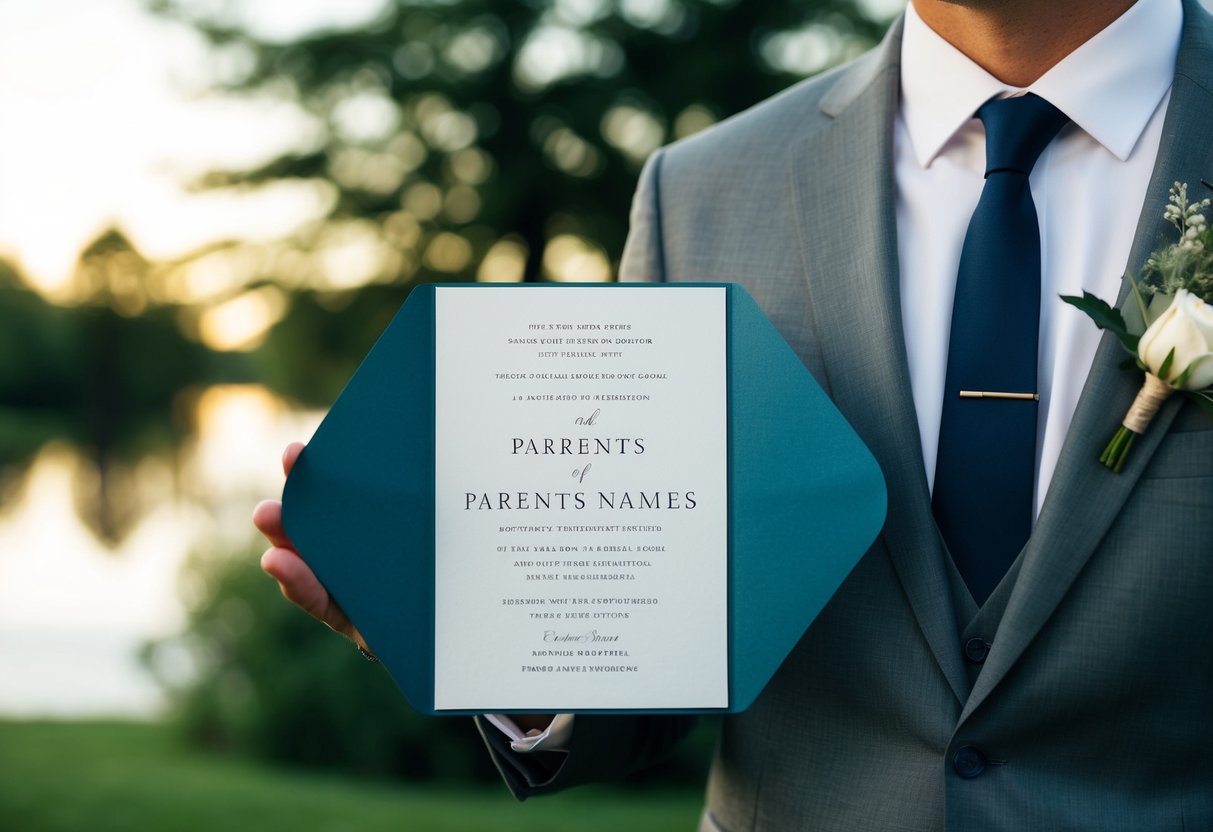
If your groom’s parents have played a significant role in planning or financing the wedding, it’s polite to include their names as well. This can help create a sense of unity and respect between families.
You might choose to list them below the groom’s name or in another prominent spot that reflects their involvement.
Understanding how to balance the names on your wedding invitation can simplify your planning process.
You want to ensure that both sets of parents feel recognized and appreciated. With thoughtful consideration, you can create an invitation that honors all the key players in your special day!
Wedding Invitation Essentials

When planning your wedding, understanding the details of invitations is key. You’ll want to consider tradition, etiquette, and the best wording that reflects your style.
The Role of Tradition in Wedding Invitations
Tradition plays a significant role in wedding invitations. Typically, these invitations include the names of the bride’s parents first, reflecting a historical view where they hosted and financially supported the wedding. If the groom’s parents are contributing, their names can also be included.
You might see names listed like this:
Mr. and Mrs. John Smith
and
Mr. and Mrs. Robert Jones
Including both sets of parents shows respect for their roles and contributions. Understanding these traditions can help you honor family expectations while making your invitation personal.
Understanding Wedding Invitation Etiquette
Following formal invitation etiquette can guide you through this process. Traditionally, the couple’s names are usually featured prominently. Addressing the guests correctly is essential, too.
Use titles such as “Mr.”, “Mrs.”, or “Dr.” based on the guest’s status. This special touch adds formality.
Moreover, avoid using nicknames unless you are sure that’s how the guests prefer to be addressed.
Don’t forget about response cards! Including them helps you gauge attendance.
Make sure to specify how guests should respond—RSVP by a certain date adds clarity.
Deciphering the Proper Invitation Wording
Choosing the right wording for your wedding invitation can feel overwhelming. Ideally, the wording should reflect both your personality and the formality of the event.
A common format might look like this:
Together with their families,
[Bride’s Name]
and
[Groom’s Name]
request the honor of your presence
at their wedding
Using phrases like “request the honor of your presence” adds a respectful tone. If you prefer something more modern, consider simpler language while still maintaining an inviting feel.
Remember, the goal is to make your invitation reflect who you are as a couple while also adhering to any important traditions or etiquette you value.
Names on the Invitation

When planning your wedding invitation, deciding whose names to include is an important step. It sets the tone and honors family connections. Understanding how to list names correctly can help avoid any potential misunderstandings with family dynamics.
Including Parents’ Names
If the groom’s parents are contributing to the wedding costs, it is common for their names to be featured prominently. You can write their names at the top of the invitation as hosts.
For example, the wording might look like this:
Mr. and Mrs. Patrick Manning
Request the honor of your presence…
If the parents are divorced, you typically list each parent separately. Use a line break or other formatting to clearly show their names. Always consider personal preference as well.
Navigating Complex Family Dynamics
For couples with complex family situations, like divorced or blended families, be sensitive in how you include parents’ names. You might need to navigate naming conventions creatively.
For instance, if a parent has remarried, you may want to include both the parent and step-parent.
Consider this example:
Mrs. Riley Larson
And Mr. John Walker
If a parent has passed away, many choose to honor them by including their name in a subtle way. You could add a note or mention them in your ceremony instead.
Addressing Step-Parents and Deceased Parents
When it comes to step-parents, it’s important to respect their role in your life. Their names can be included alongside biological parents, particularly if they’re playing a significant part in the wedding.
For instance:
Mr. and Mrs. Patrick Manning
And Mr. and Mrs. James Smith
If you’re remembering a deceased parent, mentioning them in spirit is a touching gesture. Some couples might include a line like:
“In loving memory of [Parent’s Name].”
This can go at the bottom of the invitation or in your ceremony program. Being thoughtful with name inclusion honors all family members, ensuring everyone feels included.
Hosting and Financial Roles
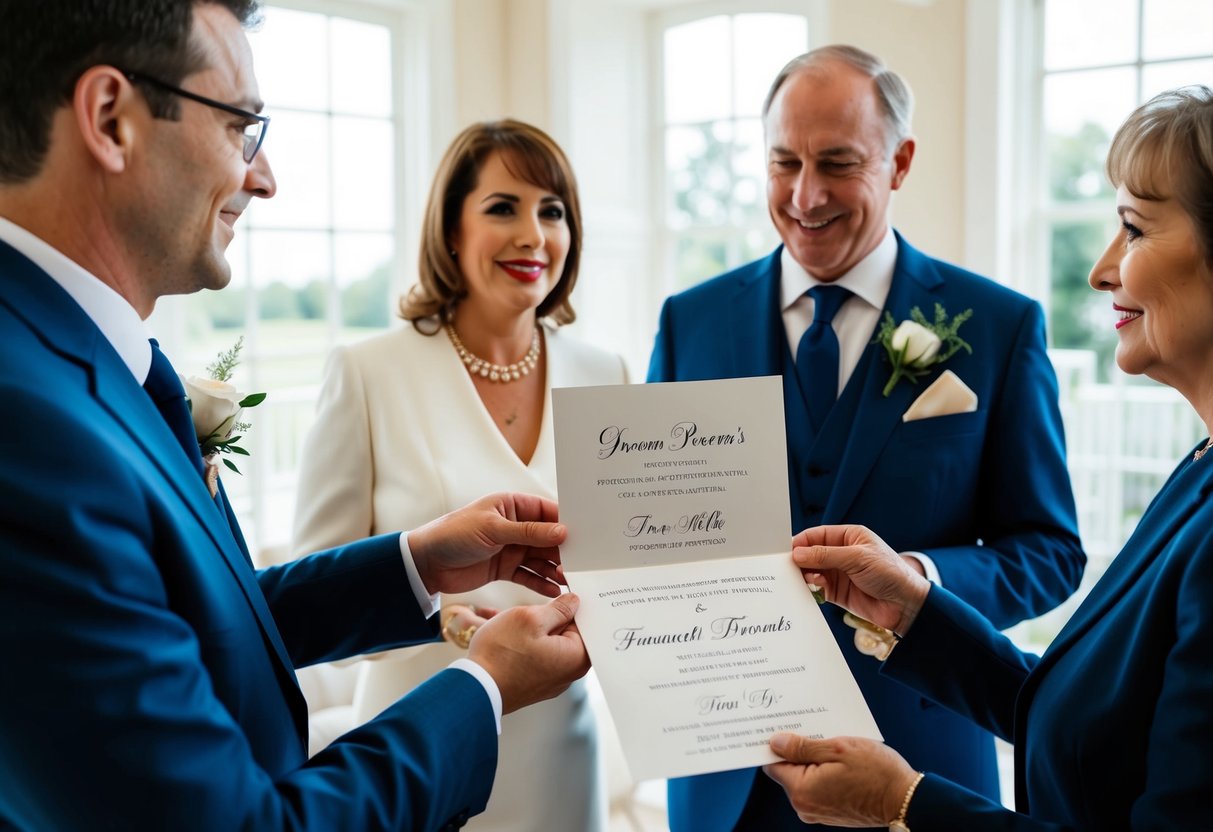
Understanding who is hosting the wedding and the financial contributions involved is crucial for your invitation. This helps set the tone and reflects family dynamics, as well as proper etiquette.
Who Is Hosting the Wedding?
Traditionally, the bride’s parents are seen as the hosts, but this is changing. Now, both sets of parents often share this role. If the groom’s parents are involved, it’s important to acknowledge them in the invitation.
Make sure to communicate with both families. Discuss how they wish to be included in the wedding planning.
This conversation establishes expectations and helps balance family dynamics, making the planning process smoother.
If both families are contributing, consider wording like “Mr. and Mrs. [Bride’s Parents] and Mr. and Mrs. [Groom’s Parents] invite you…”
Financial Contributions and Invitation Wording
Financial contributions play a big role in determining how invitations are worded. If the groom’s parents are helping with costs, include them in the invitation. This is not only polite but also reflects their involvement.
For example, if the groom’s family is hosting certain events or supporting specific expenses, highlight that in the wording.
Proper etiquette suggests listing those who are covering costs first. Clarifying who is paying for what helps everyone understand their roles and reduces misunderstandings.
Remember to be open and inclusive in discussions about finances. It’s a great way to reinforce family bonds and ease planning stress.
Modernizing Tradition
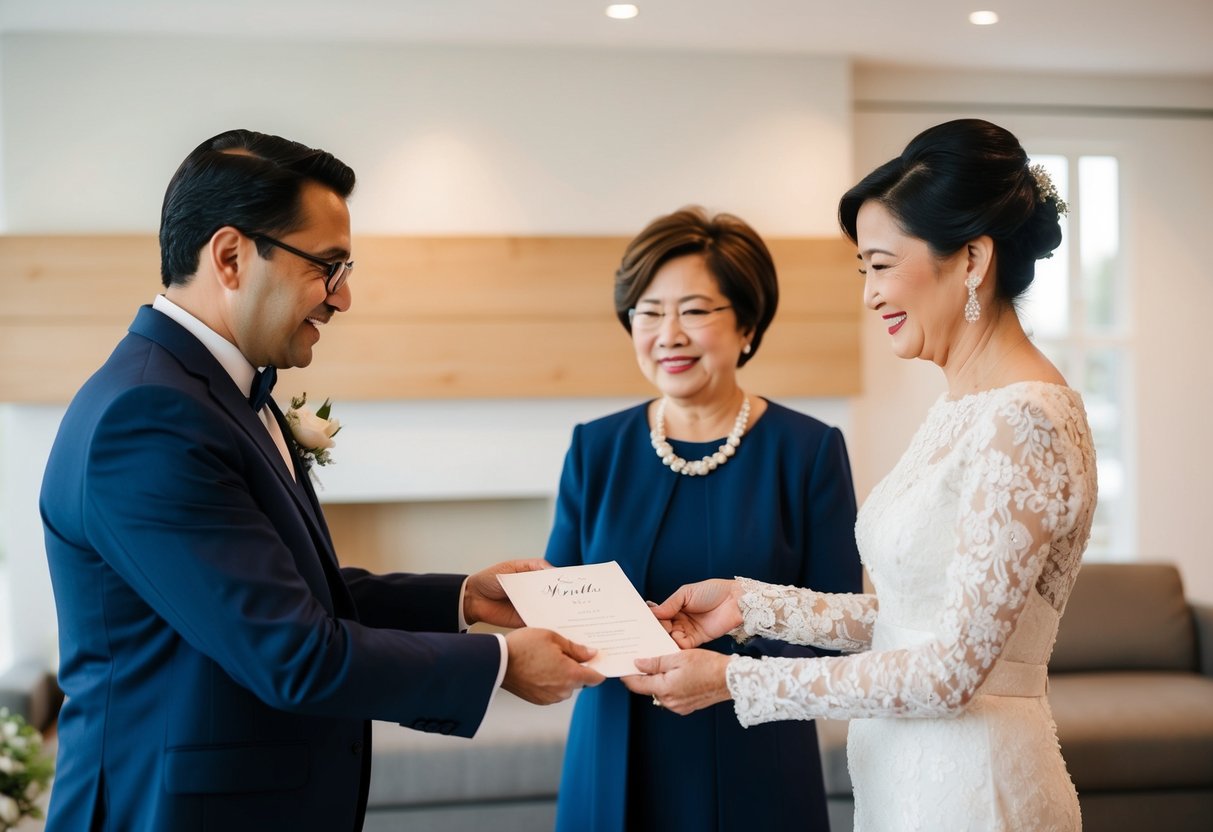
As wedding traditions evolve, so do the ways you can honor your loved ones on invitations. You can consider modern practices that bring inclusivity and personal touches to your special day.
Evolution of Modern Wedding Invitations
Modern wedding invitations have shifted from strict traditions to more personalized approaches. You now have the option to include both sets of parents, especially if they contribute to the wedding. This addition can highlight their support and involvement.
Brides and grooms often choose wording that reflects their personal preferences.
For example, you might write, “Together with their families…” to include both sets of parents in a respectful way. This thoughtful gesture embraces a spirit of togetherness while allowing you to honor different family dynamics.
Inclusive Language and Considerations
Using inclusive language helps to create an inviting atmosphere for your guests.
Think about how you refer to parents—especially in blended families or when step-parents play a significant role.
Open communication with your families can guide your choices, ensuring everyone feels acknowledged.
Consider cultural traditions that might affect how you word your invitations.
Different cultures have unique customs regarding family representation.
Understanding and respecting these traditions can enrich your invitations while celebrating your family’s heritage.
By being mindful and inclusive, you not only follow modern etiquette but also create a warm invitation that resonates with everyone involved.