
Do Grooms Walk Down the Aisle Alone? Exploring Modern Wedding Traditions
Many people wonder about the traditions surrounding the groom’s entrance at weddings. The groom often walks down the aisle alone, reflecting a mix of personal preference and cultural traditions. This choice can vary based on the type of ceremony, family customs, or simply what feels right for you.
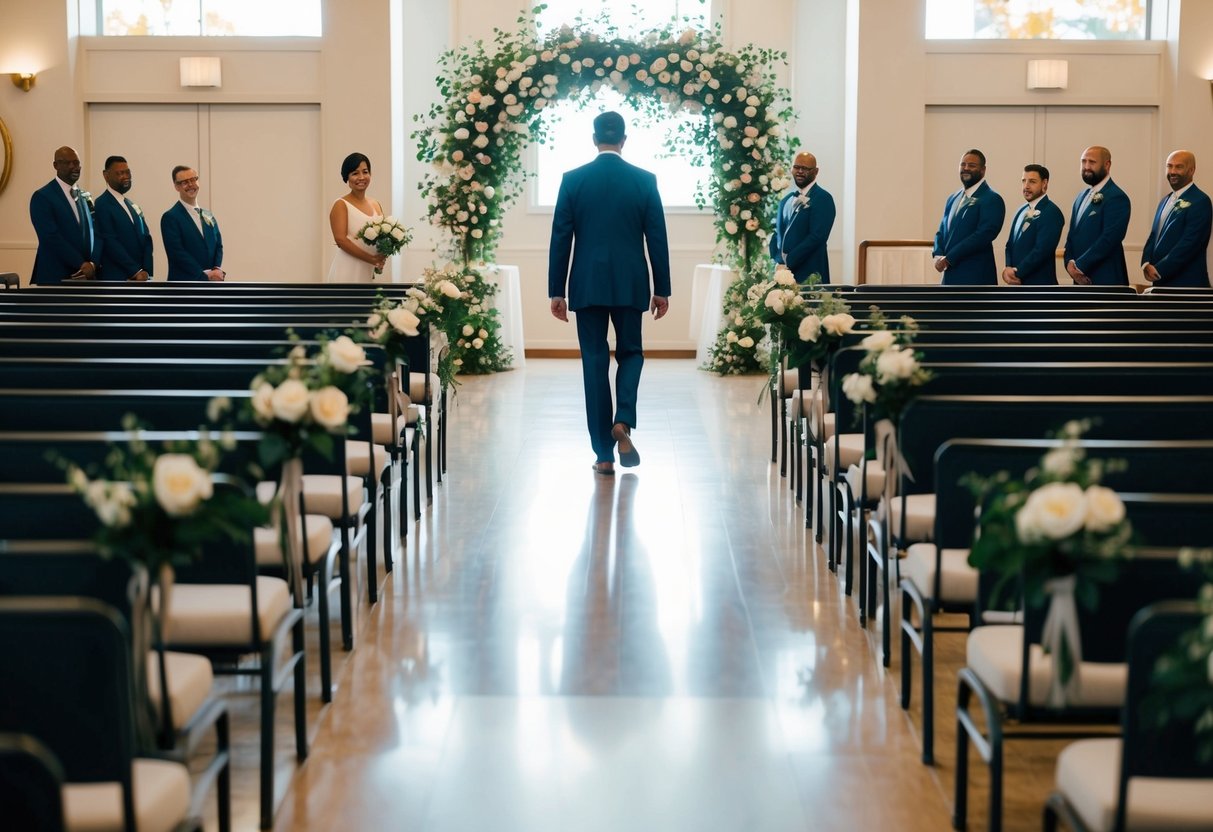
Some grooms prefer to walk solo to emphasize their role in the ceremony, embodying confidence as they approach the altar. Others might choose to be accompanied by family members, such as parents or siblings, which can add a special touch to the occasion. Understanding these options can help you decide what works best for your wedding.
Exploring the different reasons behind the groom’s choice to walk down the aisle alone or with others can make planning your ceremony even more meaningful. Whether you stick to tradition or forge your own path, what matters most is that the day reflects your style and values.
The Role of the Groom in Wedding Ceremonies
The groom plays a crucial part in wedding ceremonies, shaping the event with personal choices and cultural significance. From traditions to procession styles, the ways grooms mark their entrance can vary widely across different cultures.
Traditions and Variations Across Cultures
In various cultures, the groom’s role can differ significantly. In a Christian wedding, he may walk down the aisle alone or with both parents. This symbolizes his readiness for marriage and independence.
In a Jewish wedding, the groom is often accompanied by his parents and later stands under the chuppah. This highlights the importance of family in Jewish traditions. In Hindu weddings, the groom arrives on a horse in a lively procession called a “baraat,” celebrating his journey to the ceremony.
In Muslim weddings, the groom typically enters with family members, reflecting mutual respect and shared joy. Each culture has unique rituals that influence how the groom’s entrance is perceived.
Groom’s Procession: Walking Alone or Accompanied?
Deciding whether the groom should walk alone or be accompanied is a personal choice. Some grooms prefer to walk down the aisle solo, representing their independence and commitment. This option allows for a moment of focus before joining their partner.
Other grooms choose to walk with both parents or other family members. This act can symbolize unity and support from loved ones. In modern weddings, flexibility in choice reflects individual preferences and the couple’s unique story.
Whether you decide to walk alone or with someone, the moment holds meaning. It marks a significant transition in your life.
Significance of the Processional Order
The order of the processional is key in wedding ceremonies, often reflecting cultural traditions. The groom’s position can symbolize his role in the marriage. When the groom enters before the officiant, it shows leadership. Conversely, entering after the officiant can suggest partnership.
In many Christian weddings, the groom comes in before the bride. In some Hindu weddings, the groom’s arrival signifies the celebration starting. The specific processional order you choose can impact the overall feel of your ceremony.
Your entrance can set the tone for the event. It is a defining moment that marks the beginning of your new journey together, so consider what feels most meaningful to you.
Key Participants in the Wedding Processional
Understanding the roles of key participants in the wedding processional can help make the ceremony flow smoothly. Each person plays an important part in this memorable walk down the aisle.
Roles of the Wedding Party Members
The wedding party typically includes bridesmaids, groomsmen, the best man, and the maid of honor.
- Bridesmaids often walk in pairs or one by one, starting with the one farthest from the bride.
- Groomsmen may follow behind the bridesmaids or walk down with them.
The maid of honor usually walks last among the bridesmaids. The best man can walk beside the groom or follow him.
You might also have parents involved, particularly the mother of the bride, who often takes a key role. The overall lineup ensures that all members are introduced to the guests and have a presence before the bride walks down the aisle.
Special Roles for Children and Parents
Children often add a special touch to the processional. The flower girl typically walks in before the bride, scattering petals along the way. This creates a lovely visual effect.
The ring bearer usually follows the flower girl, carrying the rings on a pillow.
As for parents, they can have varied roles. The mother of the bride might walk down the aisle ahead of her daughter. The mother of the groom can also walk down, perhaps shortly before her son.
Some couples choose to have their parents walk together to emphasize family unity. This can add warmth to the processional and create a cherished moment for everyone involved.
Modern Adaptations and Personalizing Your Ceremony
Personalizing your wedding ceremony can create a memorable experience for you and your partner. You have many options to make the day special. Embracing modern traditions, such as incorporating first looks and family candles, can enhance the emotional depth of the ceremony. Plus, a grand entrance adds excitement for everyone involved.
Incorporating First Looks and Family Candles
A first look is a heartfelt moment where you and your partner see each other before the ceremony. This can help calm nerves and make the ceremony feel more intimate. It allows you to capture beautiful photos with your wedding film photographer, preserving that special moment.
Another personal touch is the family candle ceremony. This ritual symbolizes the joining of two families. Each set of parents can light a candle, representing their support and love. Later, you and your partner can light a third candle together, signifying your new union. This simple act can be very moving for everyone present.
Making an Impact with Your Grand Entrance
Your grand entrance sets the tone for the ceremony. You can choose to walk down the aisle alone, with both parents, or with your partner. Each choice reflects your personal preference and style.
Consider the modern wedding processional order that resonates with you. For example, some couples prefer to enter together, showcasing unity and love. This choice not only makes a powerful statement but also creates an unforgettable moment for guests.
Regardless of how you choose to enter, ensuring it resonates with your personality will make the day even more special.