
Do Groomsmen Get a Plus 1? Understanding Wedding Guest Policies
Your big day is approaching, and you might be wondering about the details surrounding your wedding party. It’s common to ask if groomsmen get a plus-one for the celebration. Most couples allow their groomsmen to bring a plus-one, as it shows appreciation for their support and makes the day more enjoyable.

Having someone special to share the moment with can ease the nerves and create a better atmosphere. Plus-ones can help fill empty seats and bring energy to the event.
If you’re part of the wedding party, knowing the rules surrounding wedding invitations and guest allowances can make your experience smoother.
Ultimately, it’s up to you as the couple to decide on your plus-one policy. Be sure to communicate clearly with your groomsmen to avoid confusion. They will appreciate knowing whether they can invite their significant others, just as bridesmaids often have this privilege.
Understanding Plus-One Etiquette
When it comes to weddings, knowing the ins and outs of plus-one etiquette can make the experience smoother for both the couple and guests. It’s important to understand who qualifies for a plus-one and what factors to consider based on relationship status.
Plus-One Basics
Plus-one invitations vary from one wedding to another. Traditionally, plus-ones are offered to anyone who is married or in a serious relationship. This includes engaged couples and those in committed partnerships. In this case, you should feel free to ask about bringing a guest if your invitation does not explicitly mention it.
For guests who are casually dating, it can be polite to check with the couple before assuming you can bring your date. Many couples appreciate open communication about such things. Clarity can help you avoid confusion on the big day.
Relationship Status Considerations
Your relationship status plays a big role in whether you get a plus-one. Married couples always receive an invitation for both partners. If someone is engaged, bringing their fiancé or fiancée is typical too.
For individuals in serious relationships, it’s best to reach out and confirm if a plus-one is allowed. Those who are casually dating may not always receive this option. Each couple has their own approach, so it’s a good idea to check their wedding invitation wording for specific rules on plus-ones.
Who Traditionally Receives a Plus-One
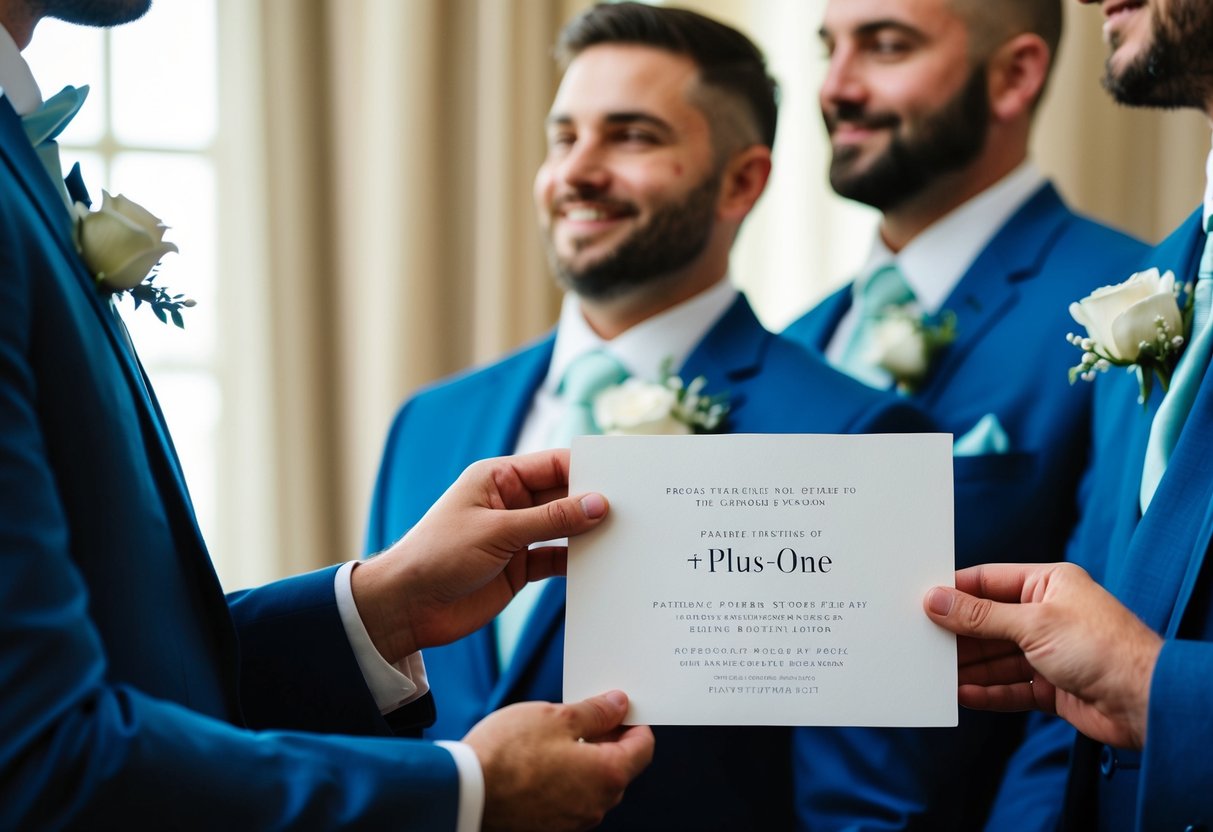
When planning your wedding, knowing who gets a plus-one is important. This helps you manage your guest list and ensure your loved ones feel comfortable. Let’s explore who usually receives a plus-one invitation.
Family Members and Close Friends
Family members almost always receive a plus-one. This includes your parents, siblings, and their partners. It’s a way to recognize their support and presence in your life.
For close friends, it can vary. If someone is single, you might want to offer them a plus-one. This helps avoid feelings of loneliness. It can also depend on your budget and how intimate you want your celebration.
Consider these common guidelines:
- Immediate Family: Always gets a plus-one.
- Extended Family: Often gets a plus-one, especially if they’re in a serious relationship.
- Close Friends: Typically invited with a plus-one if they’re single.
Members of the Bridal Party
Members of your bridal party, like groomsmen and bridesmaids, traditionally receive plus-ones. This is especially true if they have a significant other or are in a committed relationship.
Having their partners present can enhance their experience and support you during the event.
Here’s a quick breakdown:
- Groomsmen: Usually get a plus-one, especially if they’re married or engaged.
- Bridesmaids: Also tend to receive plus-ones for the same reasons.
- Wedding Party: It’s customary for the entire wedding party to bring someone, which fosters camaraderie.
Setting clear expectations with your bridal party will help them prepare for your special day with their partners.
Logistics and Planning Considerations
When planning your wedding, logistics are key. You’ll want to think about venue capacity, budget, and how to manage your guest list properly. This will help ensure you have a smooth process from sending out wedding invitations to receiving RSVPs.
Venue Capacity and Budget
Your venue’s capacity is one of the first things to consider when deciding if groomsmen get a plus-one. You need to know how many guests your venue can comfortably accommodate. If you have a smaller venue, you may need to be selective about plus-ones.
Budget is another important factor. Each additional guest can add to your food, drink, and seating costs. Be clear on your budget, and determine how many extra guests you can include without stretching it too thin.
Guest List Management
Managing your guest list wisely is crucial. You can start by creating a primary list with your close friends, family, and the wedding party, including groomsmen. From there, consider which groomsmen might want a plus-one.
Make a note of who each groomsman plans to invite. This way, you can keep track as you finalize your list. A simple A list for must-invite guests and a B list for optional guests can help. This method allows you to fill spots if any invites don’t accept.
Wedding Website and Communication
Having a wedding website streamlines communication. You can include details about plus-ones in the wedding website wording. Make sure to mention that groomsmen can bring a plus-one so everyone understands the plan.
Use your wedding site to provide RSVP cards and collect responses easily. This keeps everything organized and helps you see how many guests are attending. You’ll avoid confusion and plan better for seating and catering needs. Clear communication on your site will make the process smoother for you and your guests.
Additional Tips for Guests and Couples
Navigating plus-one invitations and catering to out-of-town guests can be tricky. Here are some helpful tips to make the process smoother for everyone involved.
Etiquette for Offering and Declining Plus-Ones
When you, as a couple, decide who gets a plus-one, be clear in your invitations. If someone qualifies, like a significant other or a close friend, make that known. Use phrases like “You are invited with a guest” to avoid confusion.
For guests, it’s good to respond promptly. If offered a plus-one, consider your plus-one’s comfort and fit within the group. Will they connect with others? Communicate your decision respectfully; if you choose not to bring someone, simply say thank you and state your plans.
Remember, navigating attire can also help. Let your plus-one know the dress code to avoid any last-minute surprises.
Accommodations for Out-of-Town Guests
If you’re hosting guests traveling from far away, consider offering information about nearby lodging. You could create a list of hotels or rental options. This helps them plan and feel welcomed.
Providing transportation options can also be a big help. Arrange group shuttles or share ride-sharing details to make getting to and from the venue easy.
For single guests, including them in group activities can help them feel comfortable. An open bar during the reception can also encourage mingling. Ensure that they know they are appreciated, making their experience enjoyable.