
Do Groomsmen Get Plus 1s? Understanding Wedding Invitation Etiquette
When planning a wedding, questions about plus-ones often arise, especially for the wedding party. Groomsmen typically do not automatically receive a plus-one unless they are in a serious relationship or engaged. This means that if you’re part of the wedding party, you need to check with the couple about their specific rules for plus-ones.
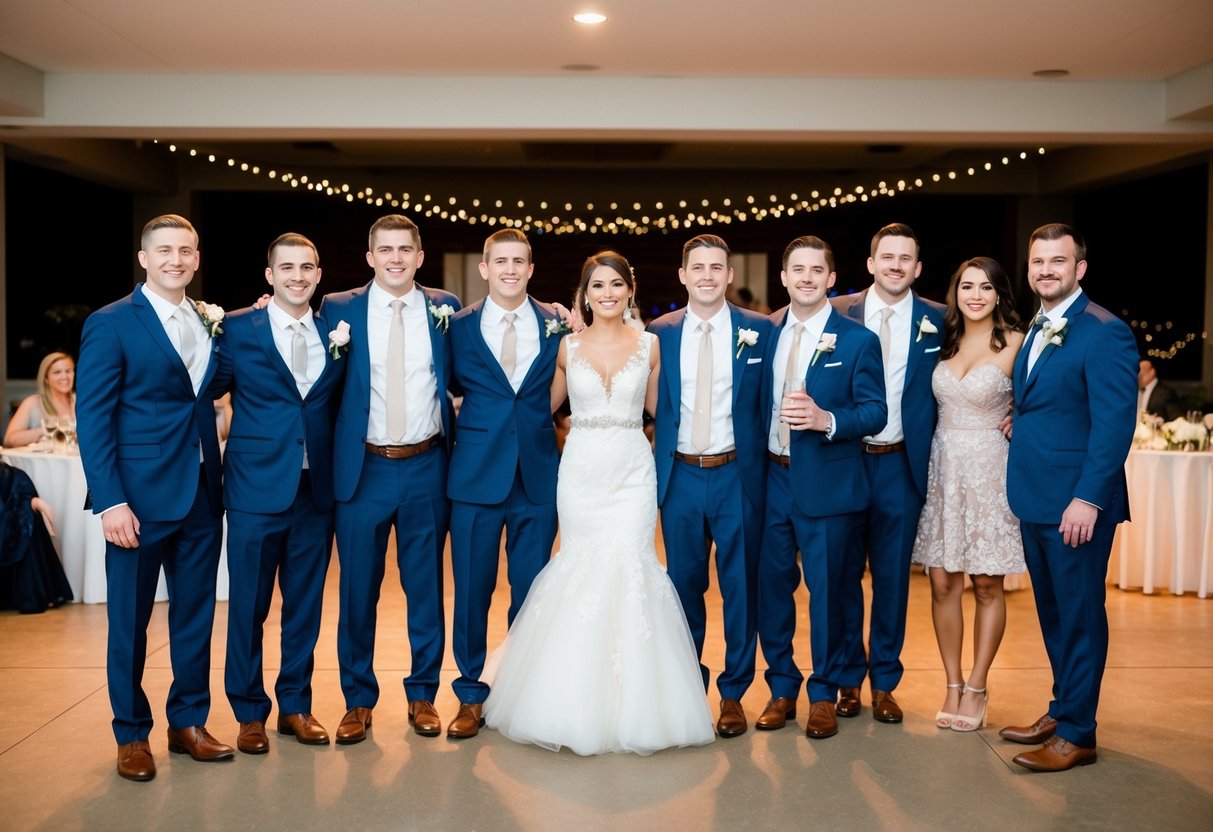
Understanding wedding invitation etiquette can help avoid any confusion. Engaged couples or those in long-term relationships usually warrant a plus-one. However, each couple may have different preferences based on venue size and budget, so communication is key during the wedding planning process.
If you’re a groomsman wondering about your status, don’t hesitate to reach out to the couple. Having clarity on whether you can bring a guest can help make your experience more enjoyable, allowing you to focus on the celebration and support your friends on their special day.
Understanding Plus-One Etiquette
Plus-one etiquette can be tricky, especially when it comes to weddings. Knowing who gets a plus-one can make the planning process smoother and keep everyone happy.
What Is a Plus-One?
A plus-one is an invitation for a guest to bring another person to an event, like a wedding. This extra guest can be a partner, friend, or someone important to the invitee.
When you receive a wedding invitation, check if it mentions a plus-one. If your name is on the outer envelope with “and guest,” you’re set! This typically means you’re allowed to bring someone.
For couples who are engaged, or even those in long-term relationships, it’s common courtesy to extend a plus-one. This makes your guest feel more comfortable and included.
The Impact of Plus-Ones on Your Wedding
Including plus-ones can have both positive and negative effects on your wedding plans. On the positive side, having your friends bring partners can enhance the fun. This creates a livelier atmosphere for everyone.
However, adding plus-ones can impact your guest list and budget. Each additional guest means more seating, more food, and potentially more costs. If you’re on a tight budget or aiming for a smaller, more intimate gathering, consider limiting plus-ones.
You can also think about your wedding venue. Some places have strict capacity limits, so be mindful of how many people you can invite.
Traditional Plus-One Guidelines
Traditionally, not all guests receive a plus-one. Married couples are typically allowed to bring their spouse. Engaged couples should also receive one.
For single guests, plus-one offers can vary. Friends or relatives often have the option, but it’s sometimes left to the couple’s discretion.
Also, consider how well you know your guest. If someone is part of your wedding party, like groomsmen, it’s polite to allow them a plus-one. This helps make sure they feel respected and included in the celebration.
When sending invitations, clearly state the plus-one policy. This avoids any confusion and helps your guests know what to expect.
Crafting the Guest List

Creating the guest list is a big task for your wedding planning. It involves thinking about your budget and size and figuring out who should get a plus-one.
Considering Your Wedding Size and Budget
Your wedding size and budget play a crucial role in crafting the guest list. Take some time to determine how many people you can afford to invite. This can help you set clear limits.
Think about venue capacity too. You want to avoid overcrowding. Consider creating a preliminary list that includes all the people you want to invite.
Then review this list with your partner to prioritize who is essential. Remember, some guests may bring their own partners, which can impact your overall numbers.
Deciding Who Gets a Plus-One
Deciding who gets a plus-one can be tricky. Typically, those in serious relationships, such as married couples, engaged partners, or long-term dates, should be offered one.
You can think about your wedding party too. For example, groomsmen often receive a plus-one, regardless of their relationship status. This shows appreciation for their support.
Make a list of all your guests as you decide who gets a plus-one. This helps you stay organized and manage expectations. Consider how plus-ones will affect your seating and budget as well.
Communicating Plus-One Information
Once you have your guest list and plus-ones figured out, clear communication is key. Use your save-the-date cards or wedding website to inform guests if they can bring someone.
On your RSVP card, it can be helpful to include options like, “Please let us know if you will be bringing a guest.” This way, guests know what to expect.
If you’re concerned about awkwardness regarding plus-ones, consider discussing it early. A simple note can set the right tone and help guests feel comfortable.
Wedding Invitations and RSVPs
When planning your wedding, the details of your invitations and RSVPs are crucial. You want to ensure that your guests know who is invited and how to respond. Let’s dive into the specifics of proper wording for invitations and how to manage RSVPs effectively.
Proper Wording for Invitations
The wording of your wedding invitation sets the tone for your special day. It’s important to address each guest correctly. For instance, if you want to allow a plus-one, you can write “Mr. John Doe and Guest” on the outer envelope or simply “Mr. John Doe” if only one seat is reserved.
If you are inviting guests in committed relationships, be sure to include both names: “Mr. John Doe and Ms. Jane Smith.” Including “We have reserved one seat in your honor” on the RSVP card helps clarify your invitation. This small detail can avoid confusion and ensure that everyone knows their invitation status.
Managing RSVPs and Plus-Ones
Managing RSVPs may feel overwhelming, but a clear plan can make it easier. Consider using a wedding website to help your guests find information and respond to your invitation online. You can include a link to this website on your RSVP card.
When it comes to plus-ones, inviting close family and friends is a thoughtful gesture. If space is limited, you might choose to offer plus-ones only to those in relationships. On your RSVP card, simply ask, “Will you be bringing a guest?” This clear question helps to streamline responses and keeps things organized for the big day.