
Do Groomsmen Have to Sit Together? Understanding Seating Arrangements at Weddings
When planning a wedding, you might wonder about the seating arrangements for your groomsmen. It’s not a strict rule that groomsmen must sit together at the reception, but many couples choose to seat them with the bridal party for a more unified look.
This can create a fun and inclusive atmosphere, making the celebration feel even more special.
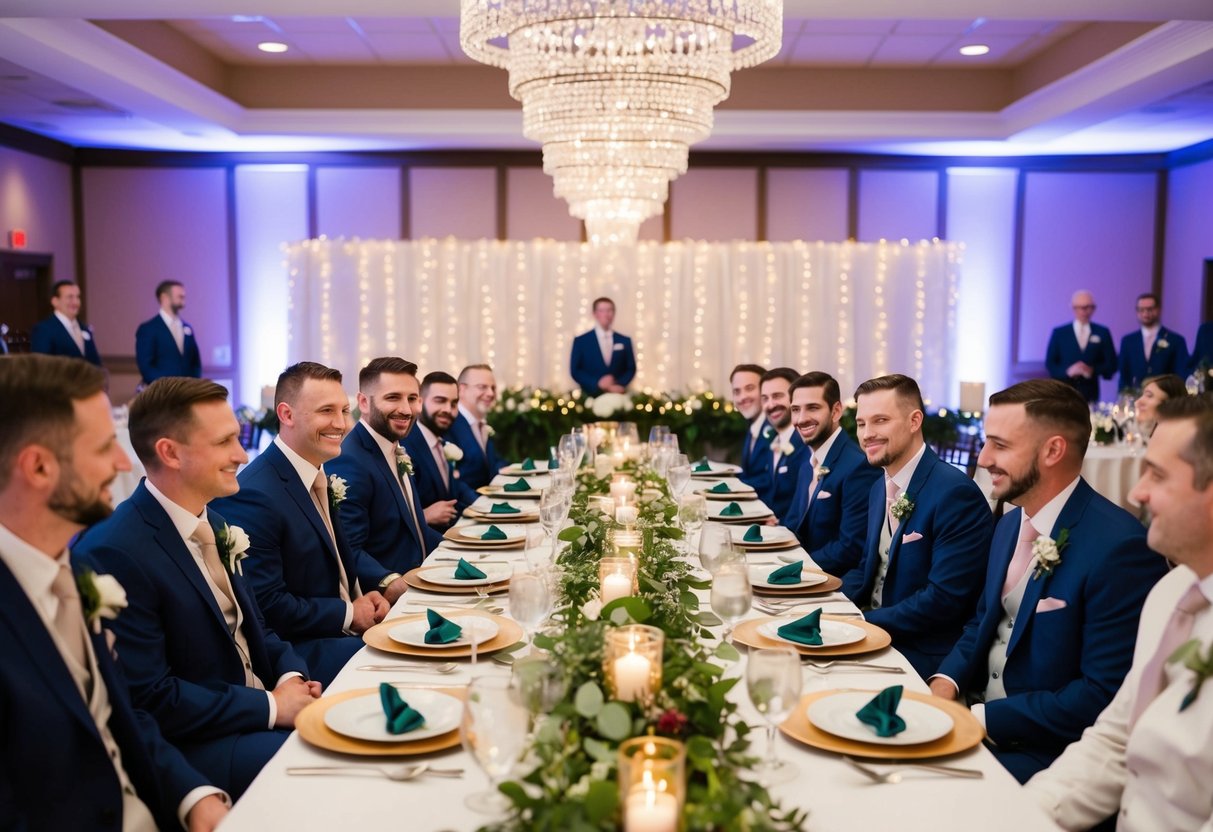
Your choice of seating can also reflect the relationships among your wedding party. If your groomsmen are close friends, sitting them together can enhance their camaraderie. However, you may want to mix them with other guests to encourage new connections and interactions.
Understanding Wedding Seating Arrangements
When planning a wedding, seating arrangements are an important detail to consider. Knowing where everyone sits helps create a smooth flow during the ceremony and reception.
In this section, we’ll cover traditional seating roles and modern trends that can influence your decisions.
Traditional Seating Roles
Traditionally, groomsmen and bridesmaids sit on opposite sides during the ceremony. The bride’s side typically has her family and friends, while the groom’s side features his loved ones. The best man usually sits near the altar, close to the groom.
At reception tables, the head table is where the newlyweds, best man, and maid of honor generally sit. Other groomsmen may sit at tables designated for the groom’s family and friends. The arrangement follows wedding etiquette, ensuring established roles are respected while looking great for photos.
Modern Trends in Seating
Modern weddings have embraced flexibility in seating arrangements. Couples often mix seating for their wedding party. For example, you might have bridesmaids sitting alongside groomsmen, which can create a relaxed atmosphere.
Reception seating varies widely. Many couples now prefer round tables over traditional long tables to encourage mingling. Often, a wedding planner helps in designing unique layouts that express your personal style. Don’t hesitate to incorporate seating styles that best suit your vision!
Designing the Reception Seating Plan
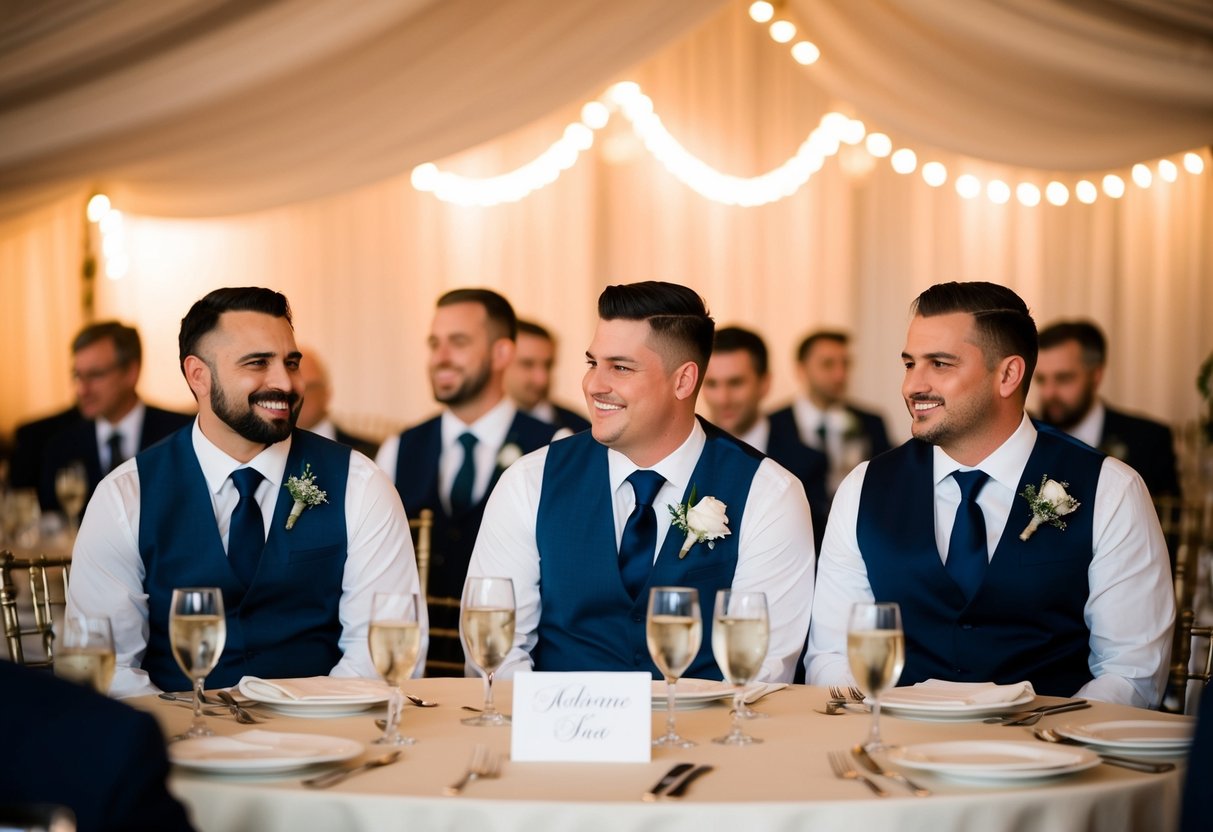
Creating a thoughtful reception seating plan is crucial for a smooth-flowing event. You’ll want to consider where to place guests to ensure comfort and enjoyment throughout the celebration. This section focuses on how to assign seats, explore options beyond the head table, and consider special circumstances like seating VIP guests and divorced parents.
Assigning Seats
When it comes to assigning seats, you have several options. A seating chart can guide guests to their designated tables, making it easier for everyone.
You can create place cards that list guest names and table numbers, or use escort cards that direct them to their seats.
Think about your guests’ personal preferences. If certain people get along well, seat them near each other. Conversely, keep those with conflicts apart to avoid awkwardness.
You might also consider a sweetheart table for just you and your partner. This allows you to have an intimate space while still being connected to your guests. Whatever method you choose, clarity and organization are key.
Options Beyond the Head Table
The traditional head table may not suit every couple. You can explore different layouts based on your venue and guest list.
For instance, seating the bridal party at their own table can create a relaxed atmosphere.
Consider a U-shape or round tables for a more inclusive feel. This setup encourages mingling and makes it easier for everyone to enjoy conversations.
Also, think about how seating will flow with the dance floor and dining area. Keeping paths clear helps everyone move freely, especially during lively moments.
Seating VIP Guests and Divorced Parents
Seating VIP guests can elevate their experience and show appreciation. For example, place parents and grandparents closer to the couple, ensuring they feel special.
When it comes to divorced parents, tread carefully. You can seat them at separate tables or use a clever layout far enough apart to avoid tension.
Anticipate the dynamics of your guest list and adjust the seating accordingly. Making everyone feel comfortable will lead to a more memorable celebration.
Groomsmen Seating Considerations
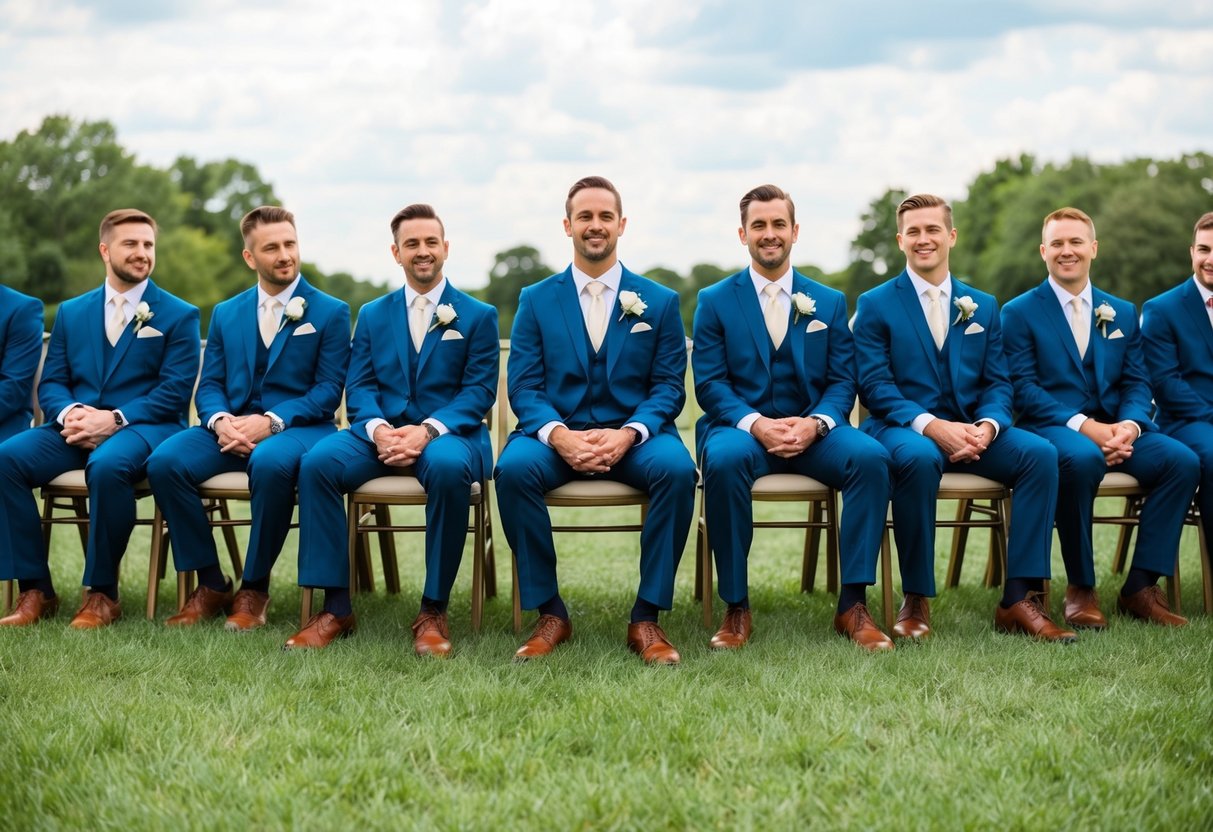
When planning the seating for your wedding, you may wonder about the best way to arrange your groomsmen. Thoughtful seating can create a fun atmosphere and highlight your wedding party. Here are some important factors to keep in mind.
Do Groomsmen Have to Sit Together?
Traditionally, groomsmen often sit together at the wedding reception. This setup helps to create a bond among the guys and encourages camaraderie.
If you prefer, you can also mix them with other guests, like their partners or friends. For the ceremony, groomsmen usually occupy the front rows, either with the bride’s side or their partners.
If your wedding is more casual, feel free to adjust the seating chart to include personal touches. Ultimately, it’s about what feels right for you and your group.
Accommodating Special Circumstances
When planning seating arrangements, consider any special circumstances that may affect your groomsmen. For example, seating related or close friends together can enhance their experience.
Also, be mindful of anyone who may have certain needs. Ensure that a groomsman with mobility issues can access their seat easily. Another consideration is the presence of ring bearers and their seating. Ensure they sit near their parents or guardians to provide comfort.
Seating plan can help create a more enjoyable atmosphere for everyone involved.