
Do Groomsmen Stand at the Altar UK? Your Guide to Wedding Roles
When planning a wedding, many details come to mind, and one of the big questions that often arises is the role of the groomsmen. In the UK, groomsmen typically stand at the altar alongside the groom during the ceremony. This tradition helps support the groom, creating a strong sense of unity as he prepares to say “I do.”
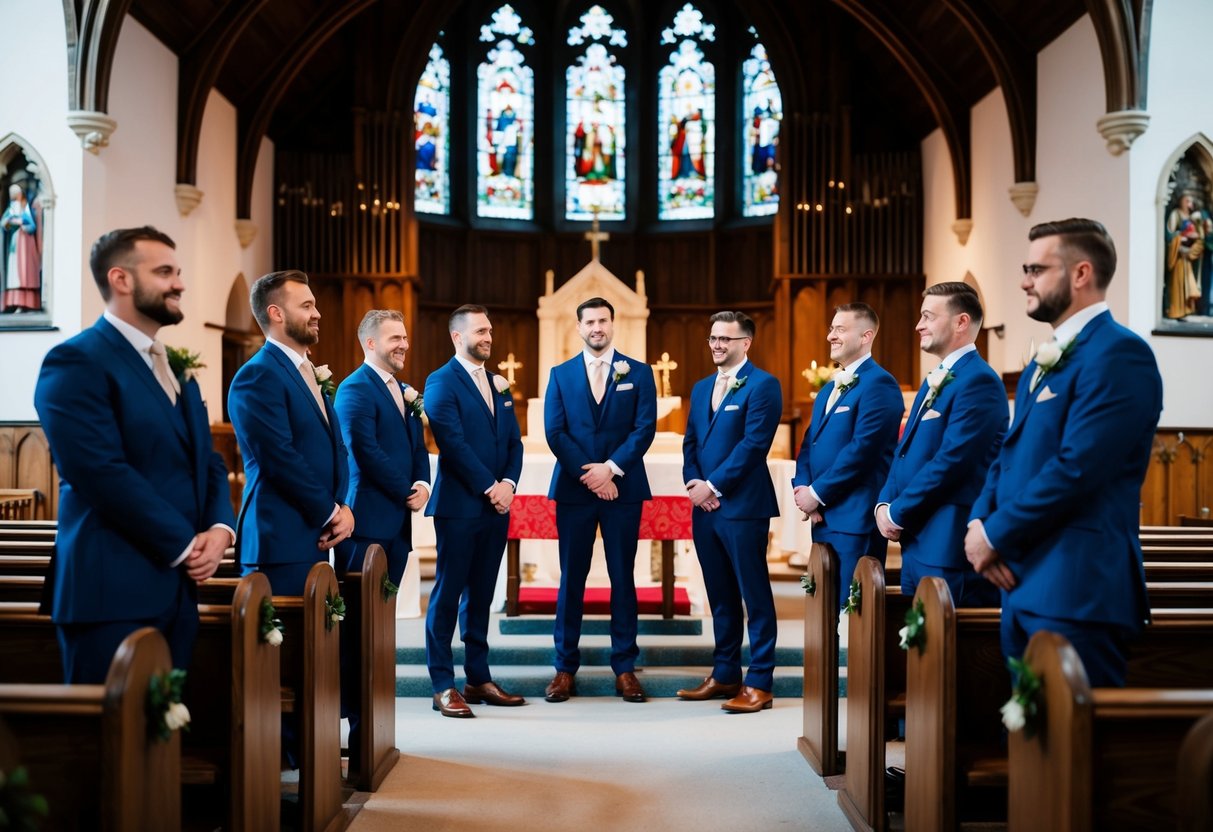
Your wedding party plays a crucial role in setting the tone for the day. With the groomsmen positioned close by, they not only provide moral support but also enhance the joyful atmosphere as the bride walks down the aisle. Understanding this tradition can help you make informed decisions about your wedding setup.
Exploring the specific roles of groomsmen and how they fit into the wedding ceremony can clarify their importance in the wedding party. So, if you’re curious about how to arrange your altar setup or want more insights into groomsmen traditions, keep reading!
The Role of Groomsmen in UK Wedding Ceremonies
Groomsmen play a vital role in UK weddings, supporting the groom throughout the process. Their responsibilities range from helping with pre-wedding tasks to standing by the groom during the ceremony. Understanding their duties can make the wedding day run smoothly and enhance the celebration.
Responsibilities Before the Ceremony
Before the wedding day, groomsmen help with various tasks. They assist the groom in planning and organizing the event. This can include sorting out details like the venue and scheduling.
Groomsmen often participate in pre-wedding activities, like the bachelor party. This event is a chance to bond and celebrate with friends. They may also help with tasks like addressing invitations or planning the rehearsal dinner.
Communication is key. As a groomsman, you should stay in touch with the groom and best man about important details. This support reduces stress for the groom and ensures everything goes according to plan.
Duties at the Altar
During the ceremony, groomsmen have specific roles. They stand alongside the groom at the altar, showcasing support and camaraderie. This presence is not just ceremonial; it adds to the emotional significance of the day.
As guests arrive, groomsmen are often involved in ushering them to their seats. This task helps manage guest flow and ensures everyone is comfortable before the ceremony starts.
Your responsibilities also include handling important items like the wedding rings. Being entrusted with such a significant symbol highlights the groomsmen’s importance in the event.
Attire and Presentation
Groomsmen attire usually matches the wedding theme and colors. For formal weddings, this often means dark suits or tuxedos. In contrast, casual weddings might call for lighter fabrics or more relaxed styles.
It’s important that you look sharp, as you’ll be part of the wedding party photos. Pay attention to details like shoes, ties, and accessories to present a unified look.
Comfort is also essential. You want to feel good throughout the ceremony and reception. Make sure your attire fits well and allows for movement. This balance of style and comfort enhances your experience on the big day.
Processional and Ceremony Structure
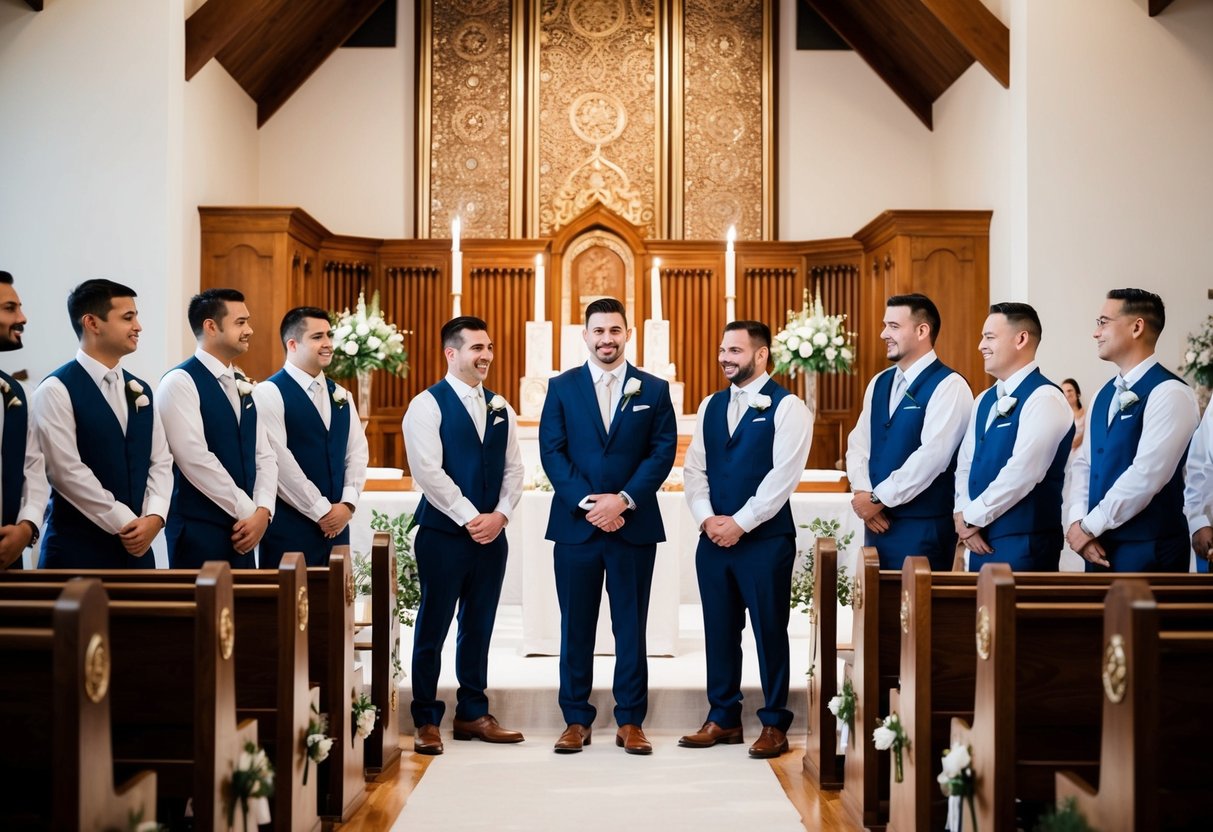
The wedding processional sets the stage for the ceremony. Knowing the traditional order and how groomsmen fit into it is key for a smooth experience. You’ll also discover how modern interpretations can vary from the classic approach.
Traditional Order of a Wedding Processional
In a typical wedding processional, the order is quite structured. It usually starts with the officiant, who is the first to walk down the aisle, taking their place at the altar. Next, the groomsmen follow, often walking in pairs.
After the groomsmen, it’s common for the bridesmaids to enter, typically seen walking down the aisle before the bride. Following them, the maid of honor enters, often accompanying the flower girl and ring bearer. Finally, the bride makes her grand entrance, usually escorted by her father. This order creates a beautiful buildup to the moment when you see the bride.
The Entrance of the Groomsmen
The groomsmen play an important role during the wedding processional. They usually enter after the officiant. When they walk down the aisle, a popular choice is to have them walk in pairs, possibly with a bridesmaid on each arm.
This can add a nice balance to the visuals as they take their places at the altar. Groomsmen traditionally stand on the right side, showing their support of the groom. It helps to have groomsmen who are confident as they help set the tone of the ceremony, marking the transition from the guests’ seating to the altar.
Variations in Modern and Non-traditional Ceremonies
While the traditional order is common, many couples choose to personalize their wedding processional. In some modern ceremonies, you might have a mix of genders among the groomsmen and bridesmaids or create unique pairings based on friendships.
For instance, it’s possible to have parents, grandparents, or others walk down the aisle before the bridal party. This can add a sentimental touch. Couples may also opt for unique wedding processional music to reflect their personalities or shared tastes. The processional’s pace and arrangement can make a memorable moment that feels distinct to you.
After the Ceremony: Roles in the Recessional and Reception
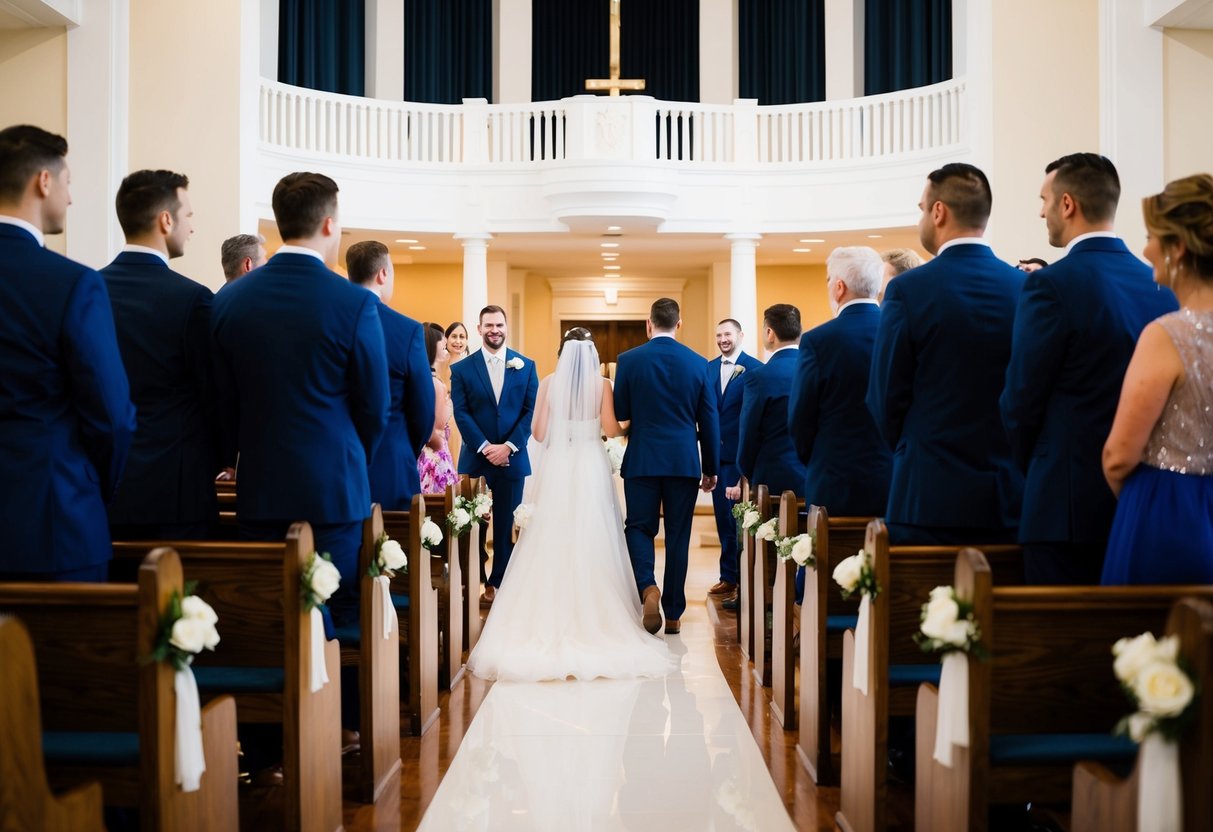
Once the ceremony is complete, the roles of the groomsmen continue during the recessional and the reception. They play a vital part in guiding the couple and wedding party through the celebrations ahead. Here’s what you need to know about their roles after the vows.
Leading the Recessional
As the ceremony wraps up, the recessional begins. This marks the joyful exit of the bridal party. Typically, the groom and best man go first, followed by the groomsmen and bridesmaids.
- Groom and best man
- Groomsmen paired with bridesmaids
- Bride and groom take the final exit
The groomsmen should be aware of their positions to ensure a smooth flow. Practicing this with a wedding planner or at rehearsal can help everyone feel comfortable. Remember, it’s all about celebrating this new chapter together!
Participation in the Reception
After the recessional, the focus shifts to the reception. Groomsmen have essential duties here, too. They can help guests find their seats and ensure everything runs smoothly.
During the grand entrance, make sure to stand tall. This sets a festive mood for the evening.
Roles to remember:
- Welcome guests and help with seating
- Join the couple for special dances
- Ensure guests have what they need
Having a clear plan allows you to enjoy the event fully. You’re not just part of the background; you help make this day truly special!
Incorporating Cultural and Personal Touches
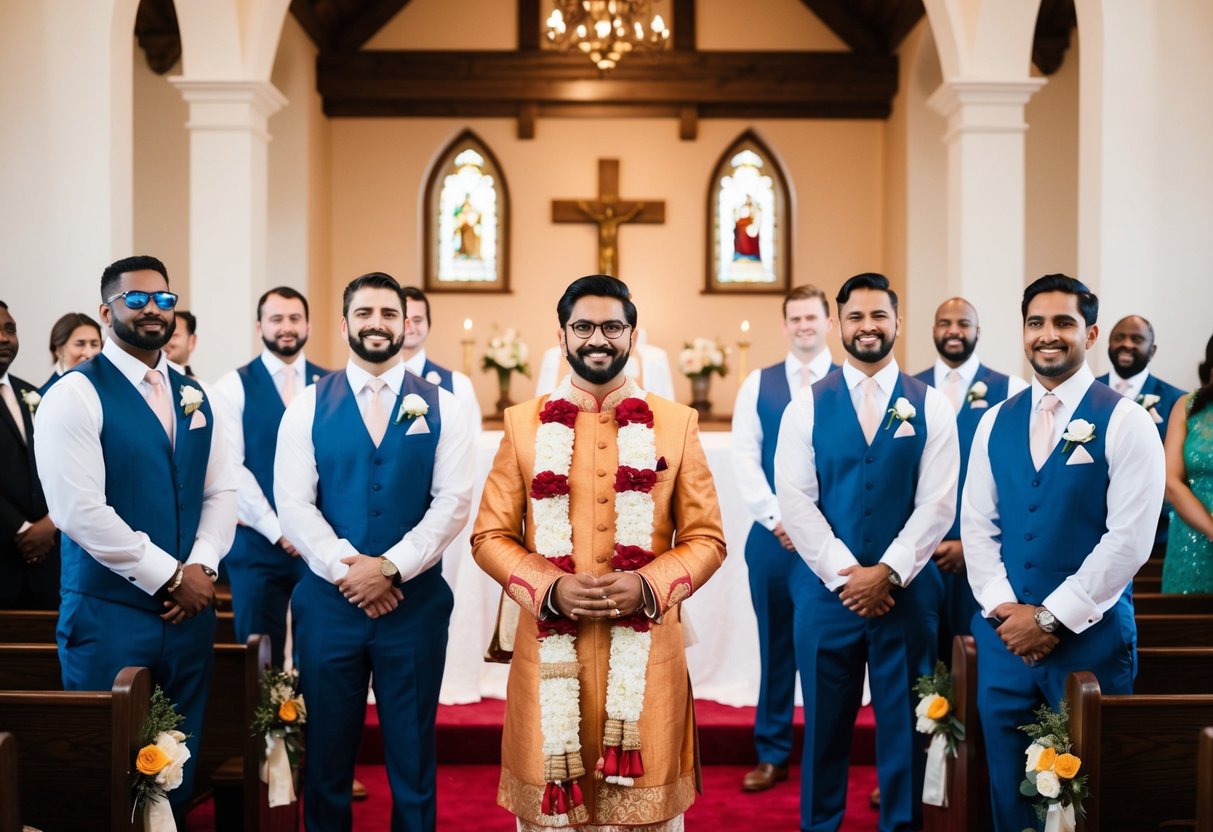
Your wedding day is a perfect time to showcase culture and personal flair. Whether choosing traditional customs or making modern decisions, these elements can enhance your ceremony.
Cultural Wedding Traditions
Different cultures have unique wedding traditions that can add depth to your ceremony. For example, in a traditional Christian ceremony, the groom typically stands on the right side of the altar, enhancing the symbolism of unity. Jewish weddings may include the chuppah, a lovely canopy that represents the couple’s new home together.
In same-sex ceremonies, you might choose to have both partners stand equally at the altar, highlighting equality and love. Many couples opt for non-traditional processional ideas, such as having both sets of parents walk together, symbolizing support from both families. Exploring and integrating these traditions can give your ceremony a more personal touch.
Personalizing the Ceremony
Personal touches can make your wedding feel uniquely yours. You might decide to write your own vows, infusing your words with personal stories and emotions.
Including family members in special roles can also enhance the connection. For example, you could have the bride’s mother give a reading.
Consider elements like themed decor or music that reflects your interests. Modern weddings often feature creative ideas like personalized programs or vows printed on decorative cards.
Alternative ceremony styles, such as outdoor settings or intimate gatherings, can tailor the experience to your liking. These choices allow for a memorable and meaningful day that represents your shared journey.