
Do Guests Pay for Rehearsal Dinner? Exploring Common Etiquette and Expectations
As you start planning your wedding, you may wonder about the rehearsal dinner and who should pay for it. Typically, the hosts are responsible for covering the cost of the rehearsal dinner, and it is not appropriate to ask guests to pay for themselves. This event is essential as it gathers the wedding party, family, and close friends to celebrate before the big day.
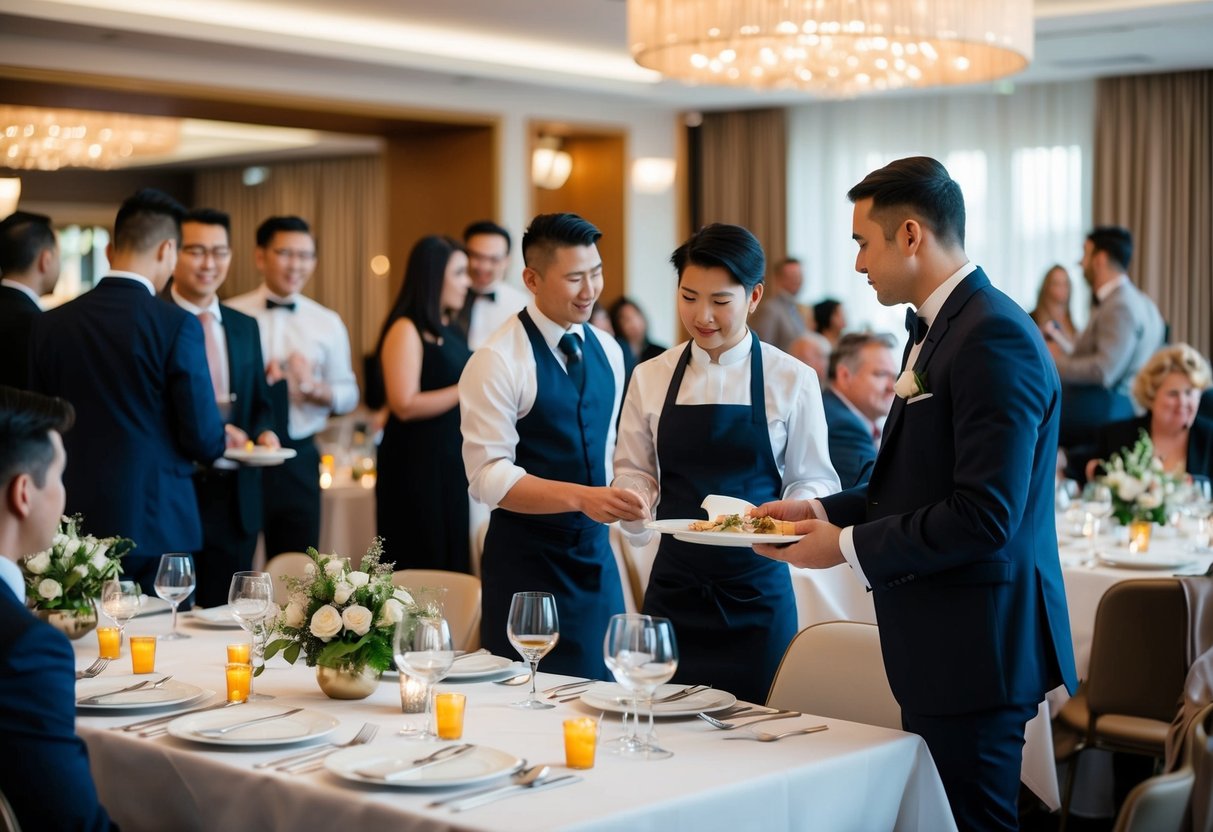
Traditionally, the groom’s parents host the dinner, but many couples now choose to take this on themselves, sometimes with help from both sets of parents. Understanding the etiquette around this can help ease any confusion and ensure everyone enjoys the event without financial stress.
You want the rehearsal dinner to be a warm gathering filled with laughter and connection. Knowing that guests aren’t expected to foot the bill allows you to focus on what really matters: celebrating your upcoming wedding together.
Understanding Rehearsal Dinner Basics

A rehearsal dinner is an important pre-wedding event where the couple, wedding party, and close family members gather after the wedding rehearsal. Knowing the basics will help you plan a wonderful experience for everyone involved.
Defining the Rehearsal Dinner
The rehearsal dinner typically takes place the night before your wedding. It’s a time for the wedding party and close family to connect before the big day. This gathering often involves a casual meal and can range from a small dinner to a more extravagant affair.
Traditionally, the groom’s parents host the dinner, but it’s becoming common for the couple to take charge. The focus should be on celebrating your upcoming wedding while ensuring everyone feels included and relaxed. Consider sharing some personal stories or memories during the dinner to make it special.
Rehearsal Dinner Invitations and Guest List
Creating the guest list for your rehearsal dinner can be simple. You usually invite the wedding party, both families, and any other important guests. This may include close friends and relatives who are helping with the wedding.
When sending invitations, be clear about the details, including the date, time, and venue. You can choose to go with formal invitations or simply send a group message. Make sure to get RSVPs to help with the planning. Knowing who’s attending will make organizing the meal and seating arrangements much easier.
Selecting the Right Venue
Choosing the right venue for your rehearsal dinner is crucial. Consider a space that is comfortable and can accommodate your guest list. You might opt for a restaurant, a family home, or even a park for an outdoor event.
Make sure the venue allows for easy access and has a relaxed atmosphere. If you’re planning a more formal dinner, a restaurant with a private room may be ideal. On the other hand, if you want a casual vibe, a backyard BBQ could work wonderfully. Don’t forget to check if the venue has catering options or if you need to arrange food separately.
Who Covers the Costs
Understanding who pays for the rehearsal dinner is important for planning your wedding. Different traditions and modern practices influence the costs, so it’s essential to know your options.
Traditions and Modern Etiquette
Traditionally, the groom’s parents paid for the rehearsal dinner. This custom often stems from wanting to honor the bride’s family. However, modern etiquette has evolved.
Today, many couples choose to pay for the dinner themselves. This gives you more control over the event’s details. Some couples might also opt for joint contributions from both families. This way, everyone feels included in the celebration.
Ultimately, it can vary based on your families’ preferences and financial situations. Open communication is key to deciding what works best for everyone involved.
Budget Considerations for Hosts
Setting a rehearsal dinner budget is crucial. Costs can add up quickly, especially if you invite many guests. You can keep expenses in check by limiting the guest list to close family and friends.
A way to save is to choose a location that is affordable but still enjoyable. Consider hosting a casual dinner at a local restaurant or even at home.
You can also look for options like buffet-style meals or potluck contributions from guests. This not only reduces costs but adds a personal touch as everyone shares their favorite dish.
Approaching Out-of-Town and Family Guests
When it comes to out-of-town guests, you might want to consider covering their meal or offering a discount if you’re hosting in a restaurant. This gesture can show appreciation for their travel.
Family members often expect some assistance, especially if they are closely related to you. Clear communication about what to expect can help set the right tone.
By explaining your budget and any plans, you can manage their expectations. It’s important to make everyone feel valued, especially those who’ve traveled to celebrate with you.
Planning and Coordination

Planning a rehearsal dinner involves careful coordination to ensure everything runs smoothly. You need to keep track of the wedding events while managing catering and creating a seating chart.
Coordinating with Wedding Events
Start by aligning the rehearsal dinner with other wedding activities. Make sure you confirm the timing with your officiant and venue. This helps avoid scheduling conflicts, especially if you’re having a destination wedding.
Check in with your wedding planner to ensure everyone is on the same page. Discuss any plans for toasts or special speeches that might occur during the dinner. Keeping communication clear ensures a fun and memorable experience for you and your guests.
Handling Rehearsal Dinner Catering
When it comes to catering, choose a menu that suits your guests’ preferences. Whether you’re going for a casual buffet or a formal sit-down dinner, figure out what will work best.
Consider dietary restrictions when planning the menu. Providing options for vegetarian, vegan, or gluten-free choices shows thoughtfulness for your guests. If you’re unsure, ask for feedback before finalizing the menu.
Finally, confirm the details with your catering service about timing and setup to ensure a seamless flow on the day of your rehearsal dinner.
Creating a Seating Chart
A well-planned seating chart can enhance the experience of your rehearsal dinner. Start by grouping people who know each other to make the atmosphere friendly and relaxed.
Make sure to seat close family and the wedding party near you. You might also want to have a few less formal tables for more distant relatives or friends. Be mindful of keeping potential awkwardness in check.
Using a simple visual layout can help when designing the seating chart. A printed or digital version can simplify the arrangement. This small detail can help create a comfortable environment during the wedding weekend.
Attire and Wedding Etiquette
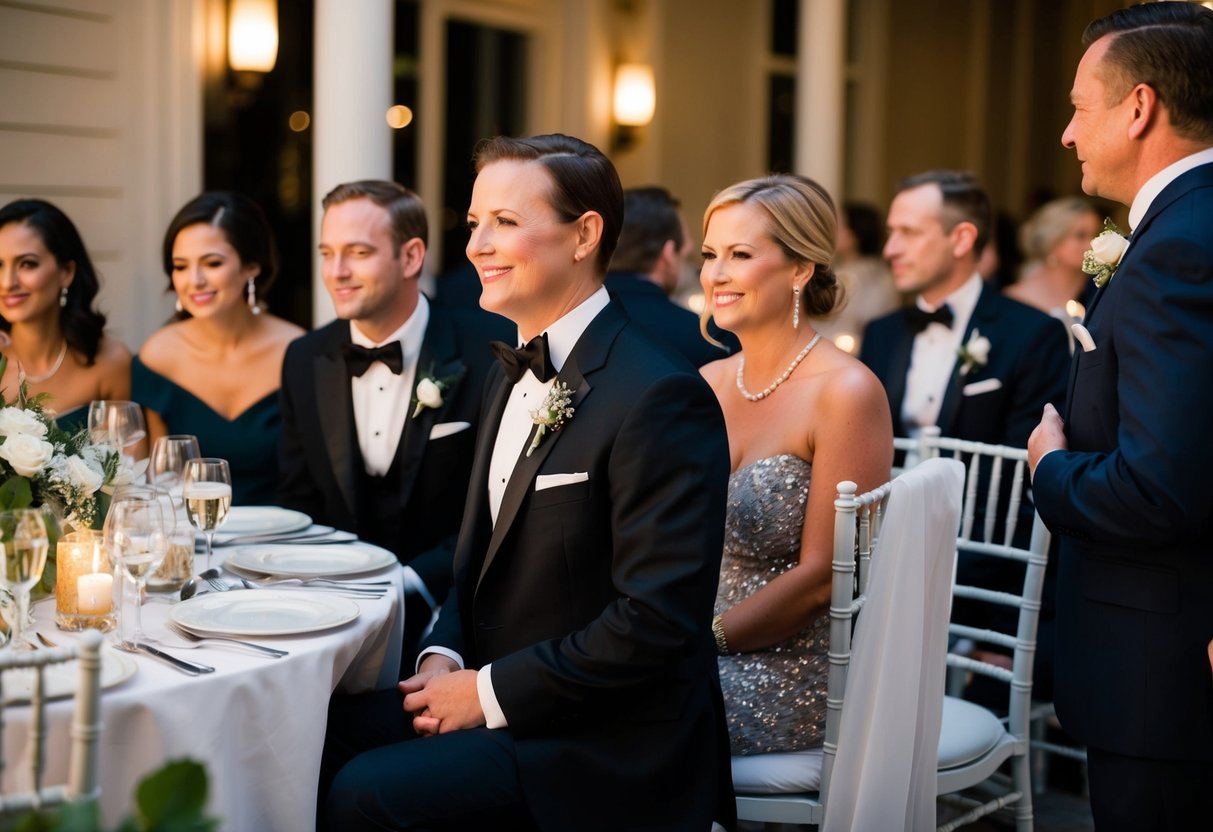
Choosing the right attire for a rehearsal dinner is important. You want to show respect for the couple and the event while feeling comfortable. Also, understanding the traditions and customs surrounding the occasion helps you participate appropriately and enjoy the celebration.
Dressing Appropriately for the Occasion
When attending a rehearsal dinner, consider the venue and dress code. Occasionally, the couple might mention a specific dress code in the invitation. This could range from casual to semi-formal attire.
If you’re unsure, a safe bet is to wear something stylish yet comfy. For instance:
- Men: Smart casual like dress pants and a button-up shirt.
- Women: A nice dress or dressy separates.
Avoid overly casual items like shorts or flip-flops. Dressing well shows respect for the wedding couple and their gathering. Always keep the style in mind based on the couple’s preferences and the location.
Respecting Wedding Traditions and Customs
Weddings often have many traditions that vary by culture and region. Understanding these traditions can enhance your experience.
At some hometown weddings, certain customs guide attire. For example, the couple may request specific colors or styles to harmonize with their theme.
If the bridal party is wearing matching outfits, avoid wearing similar styles to prevent confusion. Your goal should be to complement, not overshadow.
By respecting these traditions, you contribute to the spirit of the event while celebrating the couple’s commitment. Your thoughtful approach to attire can make a significant impact on the overall atmosphere.