
Do I Have to Invite All My Aunts and Uncles to My Wedding? Navigating Family Dynamics and Guest Lists
When planning your wedding, one common question many people have is about family invitations. If you invite one aunt or uncle, you should generally invite all of them. This helps avoid any hurt feelings and keeps the family unity intact on your special day.
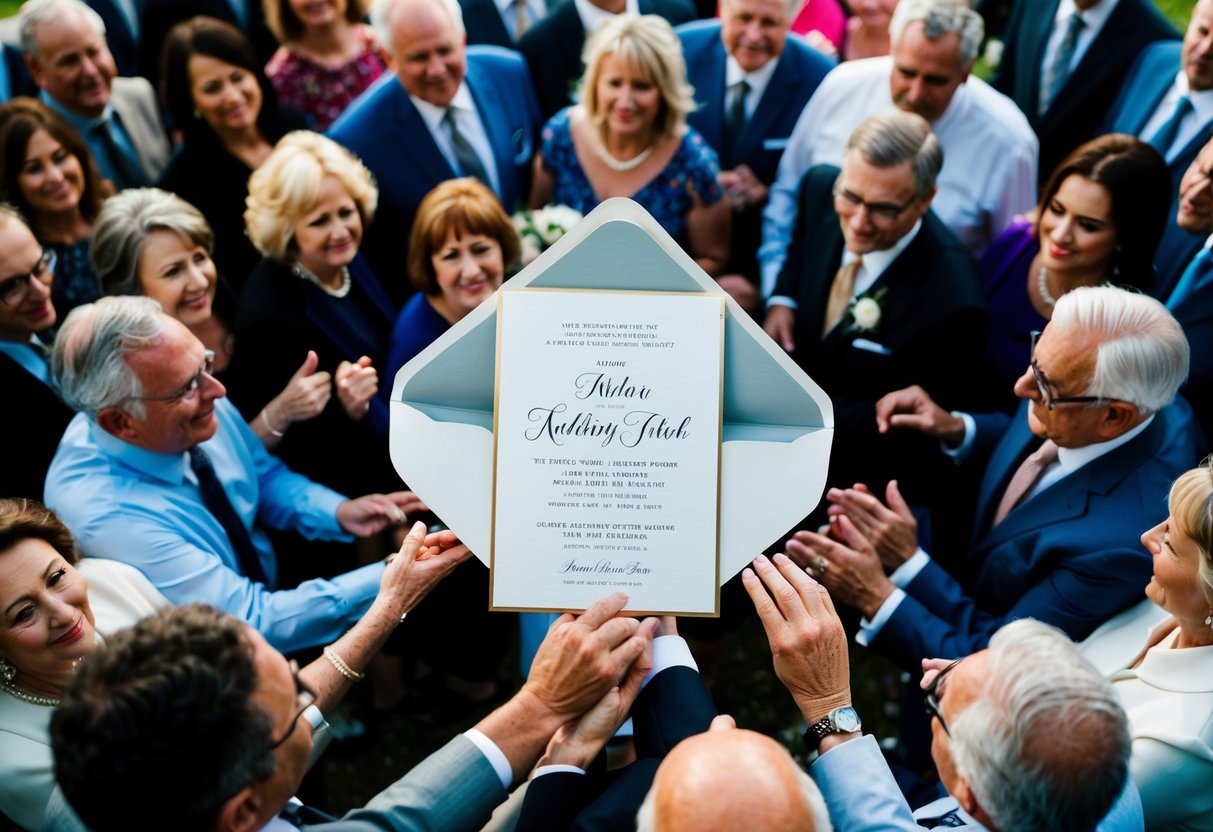
Navigating wedding guest lists can be tricky, especially when it comes to family dynamics. You might wonder how strict these rules are or if there’s any flexibility. Understanding the etiquette can make this process a lot smoother and help you feel more confident in your decisions.
Every family is different, and it’s essential to consider your relationships with each family member. By thinking carefully about whom you want at your wedding, you can create a joyful atmosphere while also respecting family ties.
Understanding Wedding Guest Lists
Creating your wedding guest list can feel overwhelming, especially when it comes to deciding who to invite from your family. You might wonder about including aunts, uncles, and cousins. Knowing how to define family members and navigate relationships can simplify this process.
Defining Immediate and Extended Family
Your immediate family usually includes parents, siblings, and possibly their partners and children. This group tends to be a priority on your guest list.
Extended family consists of aunts, uncles, and cousins. It’s important to consider your relationships with them. Do you see them often? Have you maintained a connection?
You are not obligated to invite every extended family member. It can be helpful to set clear boundaries based on your comfort level and your special day’s vision.
The Role of Aunts and Uncles in Family Dynamics
Aunts and uncles can significantly impact your family gatherings. Inviting specific aunts or uncles you’re close to can enhance the joy of your wedding.
Conversely, if some relatives bring tension or drifted away over the years, it’s okay to leave them off the list. Remember, your wedding should reflect your values and relationships.
Think about how inviting or not inviting them might affect family dynamics. Balancing feelings and traditions is important while keeping your comfort in mind.
Deciding on Plus Ones and Children
When it comes to plus ones, it’s key to set guidelines. Generally, invite a guest for those in committed relationships. For others, you can choose whether to allow a plus one or not.
Children’s invitations are another consideration. You don’t have to invite kids, especially for smaller or more formal weddings. If you decide to invite children, communicate your plans clearly to avoid misunderstandings.
Make a list of those who are important to you. This will help clarify who makes the final cut on your guest list.
Navigating Wedding Etiquette
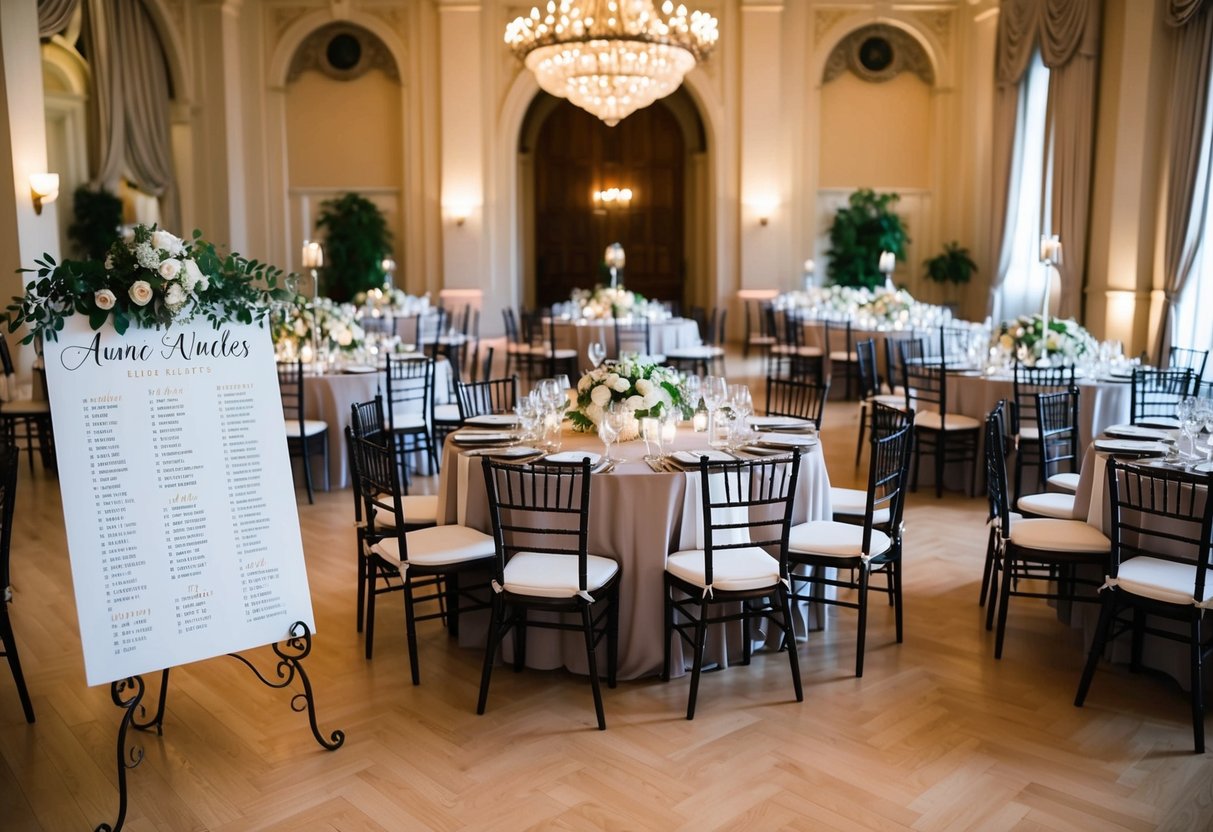
When planning your wedding, understanding invitation norms can make a big difference. You want to make choices that feel right to you while considering family dynamics. Here’s how to approach inviting family members, especially aunts and uncles.
Invitation Norms and Expectations
Wedding etiquette does not require you to invite all family members. You can decide to invite only your aunts and uncles, leaving out cousins if you wish.
Consider how your family might perceive this choice. Some may feel left out, especially if they aren’t invited and their siblings are. It’s helpful to communicate your decisions to avoid misunderstandings.
Here are some tips to guide you:
- Make a List: Start with a list of family you want to invite.
- Discuss with Your Partner: Make sure both sides are comfortable with the invites.
- Prioritize Your Wishes: Remember, it’s your day, so set boundaries that suit you best.
Handling Sensitive Family Situations
Family dynamics can be tricky, especially when it comes to weddings. If you choose to invite some aunts and uncles but not others, be ready for possible feelings of hurt.
To handle this, consider these strategies:
- Communicate Early: Let family members know about your decisions as soon as possible.
- Be Honest: If you don’t invite certain relatives, explain it’s not personal.
Also, think about using an RSVP system. This allows you to manage who is coming and helps you prepare better. Taking these steps can ease tensions and ensure your wedding day remains joyful for you and your guests.
Planning Your Perfect Wedding Day
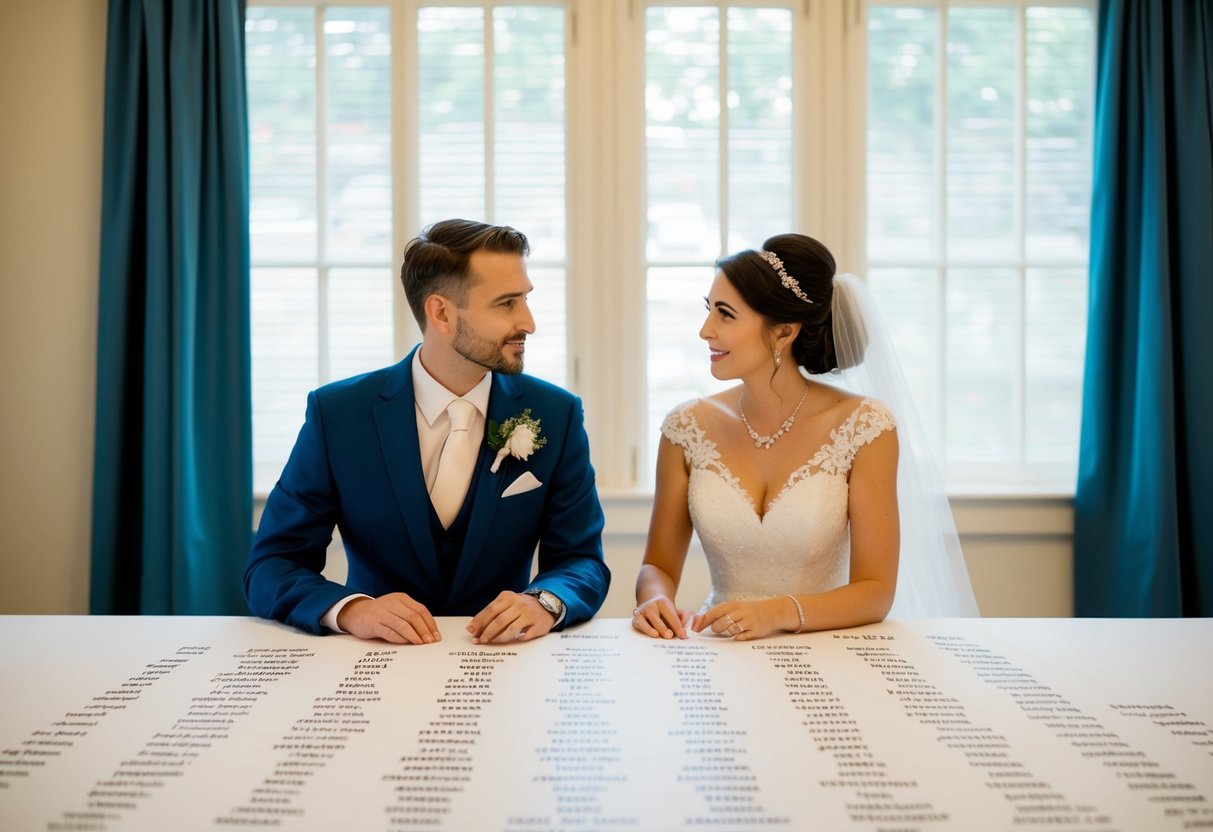
When planning your wedding, the details matter greatly. You need to think about your guest list, choose the right venue, and manage your invitations carefully. Each choice shapes your special day in meaningful ways.
Choosing the Right Venue for Your Guest List
Selecting a venue is key to making your wedding day special. First, consider your guest list size. The venue’s capacity should comfortably fit everyone you plan to invite. Think about whether you’ll invite all your aunts and uncles or just close family.
Next, look for venues that offer the atmosphere you want, whether it’s a cozy banquet hall or an outdoor garden. Make sure to visit potential locations to see how they feel. Don’t forget to check if they have necessary amenities, like parking and restrooms, to keep everyone comfortable.
Creating and Managing Your Wedding Invitations
Once your guest list is set, it’s time to focus on invitations. Start by choosing a style that reflects your wedding theme. You can select from elegant designs to playful ones.
When it comes to sending out invites, consider the timing. Aim to send them at least six to eight weeks before the wedding. This gives guests enough time to RSVP. Keep track of responses to manage your guest list effectively. This step is vital to ensure you have enough seating and food for everyone.
The Importance of ‘Save The Date’ Notices
Before you send out your invites, use “Save the Date” notices to inform your guests. These notices are especially helpful for out-of-town guests. By notifying them early, you increase the chances they can attend.
Choose a simple design that features your wedding date and location. Send these out about six to eight months in advance. This gives friends and family plenty of time to make plans. Remember, communicating early can help avoid misunderstandings later on.