
Do I Have to Provide Food at My Wedding? Understanding Your Catering Options
Planning a wedding comes with many decisions, and one common question couples face is whether to provide food at the event. Vendors who will be working for most of the day generally expect you to provide meals, especially if their schedule overlaps with meal times. This can include important people like photographers, coordinators, and DJs who may not have time to leave for food.
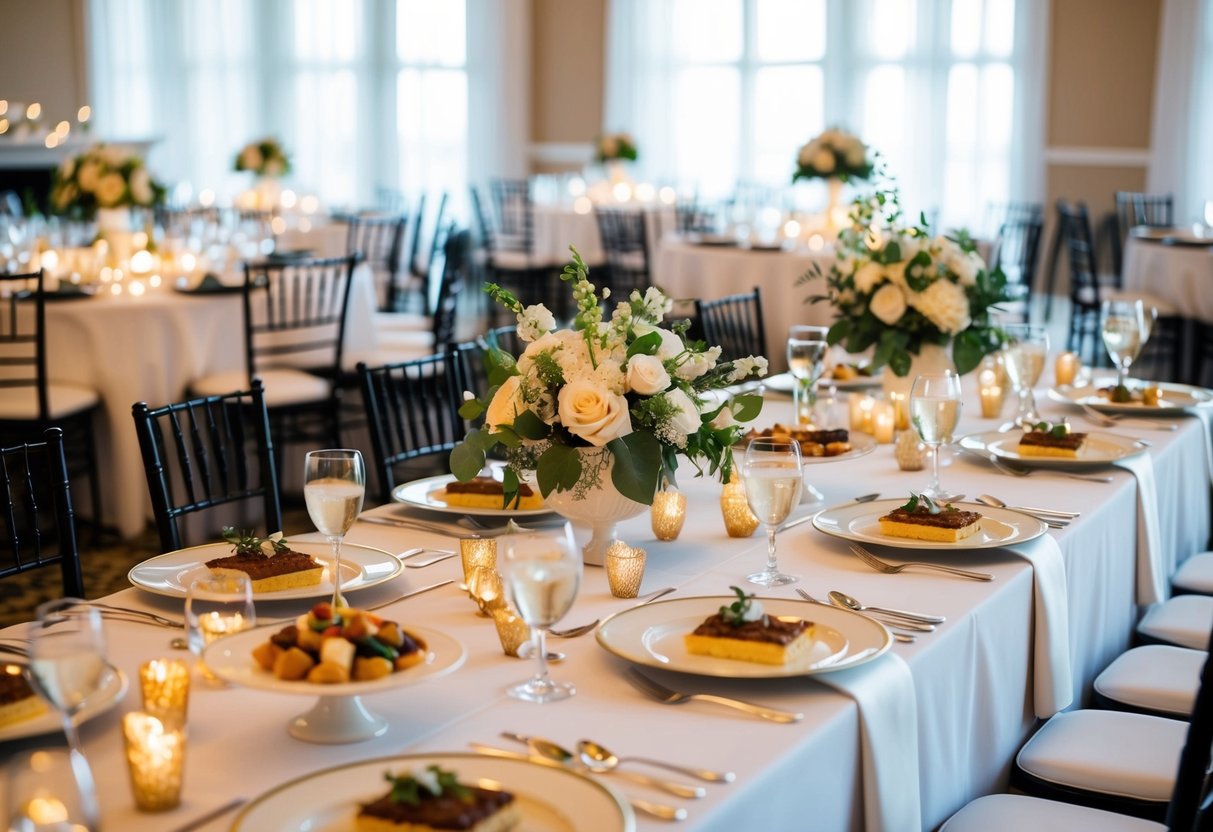
Besides your vendors, you should also consider your guests. Offering food can enhance the overall experience of your wedding and make it more enjoyable for everyone involved. Whether you choose a sit-down dinner, buffet, or fun food trucks, feeding your guests is a great way to show appreciation for their presence on your special day.
If you’re unsure about what to offer, don’t hesitate to talk to your caterer. They can help you create a plan that meets your needs while keeping your budget in mind. By thinking ahead about meals, you can ensure that all who attend your wedding leave happy and satisfied.
Understanding Wedding Reception Basics
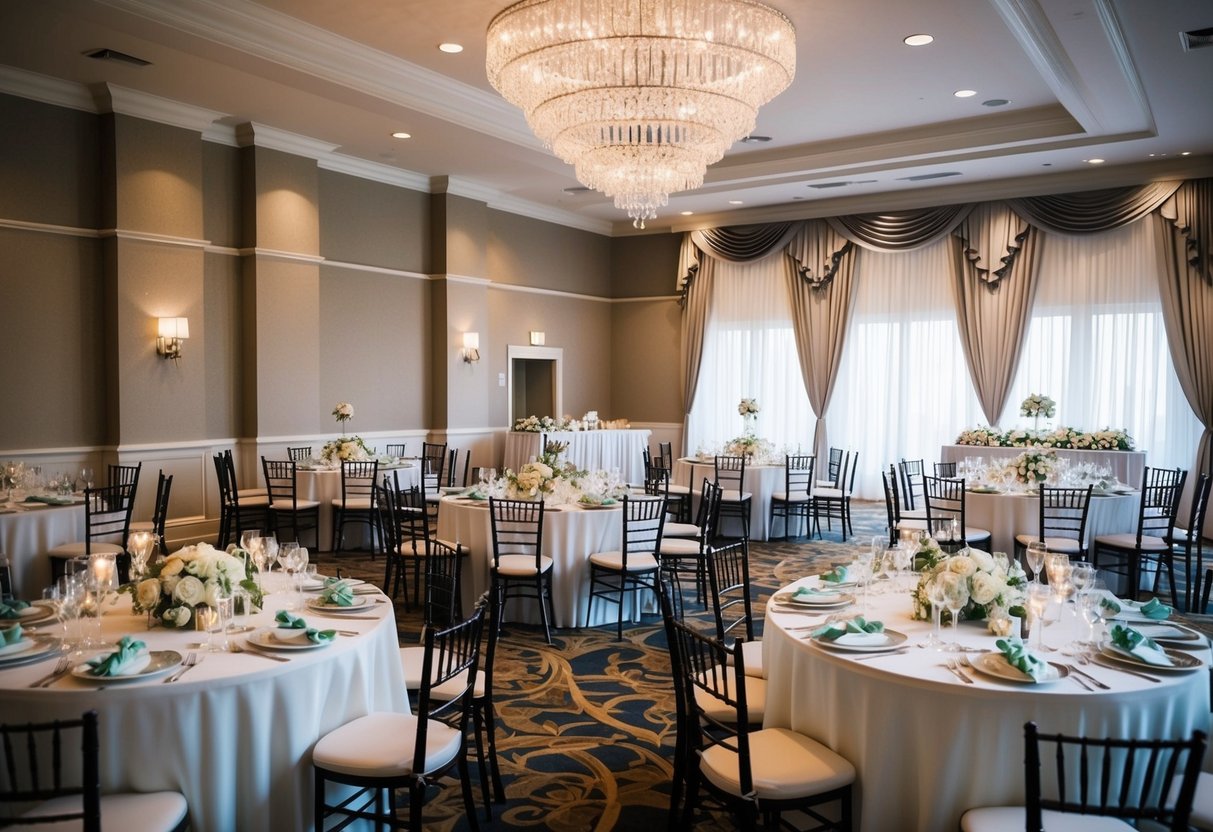
Planning your wedding reception involves several important aspects. Catering plays a key role, and understanding the different formats can help you decide what works best for your event. Your wedding budget and headcount will also influence your choices, so let’s break these down.
The Role of Catering on Your Wedding Day
Catering is essential for creating a pleasant atmosphere during your wedding. It determines not only what food is served but also how guests experience the day. Good catering can enhance your wedding theme and ensure guests have a great time.
There are various catering options available, such as seated dinners, hot buffets, or even food trucks. Each option offers a unique experience. A seated dinner provides a formal atmosphere, while a buffet allows guests to choose what they want. Food trucks add a fun twist and excitement. Consider the vibe you want to create when selecting a catering style.
Wedding Reception Formats
Different formats for your wedding reception can affect how guests interact and enjoy the meal. Common formats include cocktail hours, where guests mingle with appetizers, or more structured seated dinners.
Cocktail hours often feature stand-up tables and finger foods, giving guests a chance to chat and move around. Seated dinners provide a more intimate setting but require more planning for the meal service. In contrast, a hot buffet can cater to various tastes and dietary needs while keeping it relaxed. Think about your guest style and comfort when deciding on the format.
Assessing Wedding Budget and Headcount
Your wedding budget directly impacts what you can provide for food and drinks. Setting a clear budget early helps in making informed choices. Make sure to account for costs like catering service, menu selection, and any additional fees.
You’ll also need to consider your headcount. Knowing how many guests to expect helps you avoid overspending or under-preparing food. A precise headcount lets you choose a catering style that fits the size of your reception. It’s essential to communicate with your caterer about guest numbers and any dietary restrictions to ensure everyone is accommodated.
Navigating Vendor Meals and Responsibilities
When planning your wedding, it’s essential to think about your vendors’ needs, especially regarding meals. Providing food for your wedding vendors helps keep them energized and focused on making your day special. Understanding the importance of vendor meals and effectively coordinating with your team is key.
Importance of Vendor Meals
Vendor meals are more than just a nice gesture; they play a vital role in keeping your wedding running smoothly. Many vendors, like your wedding planner, photographer, and DJ, will be working long hours without breaks. If they don’t have access to food, their performance may suffer.
A typical vendor meal should be easy to eat and can often be a simplified version of your main menu. It’s common courtesy and good etiquette to provide a meal for those who will be working continuously, such as those on-site for over five hours. Including this in your wedding budget can ensure everyone stays satisfied and works effectively.
Coordinating Meals with Your Wedding Planner
Your wedding planner can be an invaluable resource when it comes to coordinating meals for your vendors. Discuss your plans with them early in the process. They can help you determine how many meals you need and what types are appropriate based on the vendors’ preferences.
Make sure to discuss any dietary restrictions or preferences so that you provide suitable options. Your wedding coordinator can also assist in timing. It’s important to make sure vendors get their meals at the right time, ideally during a break when they can quickly refuel without missing crucial moments of your event.
Communicating with Vendors About Meal Expectations
Clear communication with your vendors is essential for ensuring everyone is on the same page about meals. When reviewing contracts, check if meals are mentioned. Some vendors include the need for meals in their agreements, while others may not.
It’s best to explicitly ask about their meal preferences and if they have any dietary restrictions. Once you have this information, communicate it to your catering team. Providing meal options that accommodate everyone’s needs shows you care and helps maintain a positive working relationship with your vendors.
Entertainment and Special Considerations
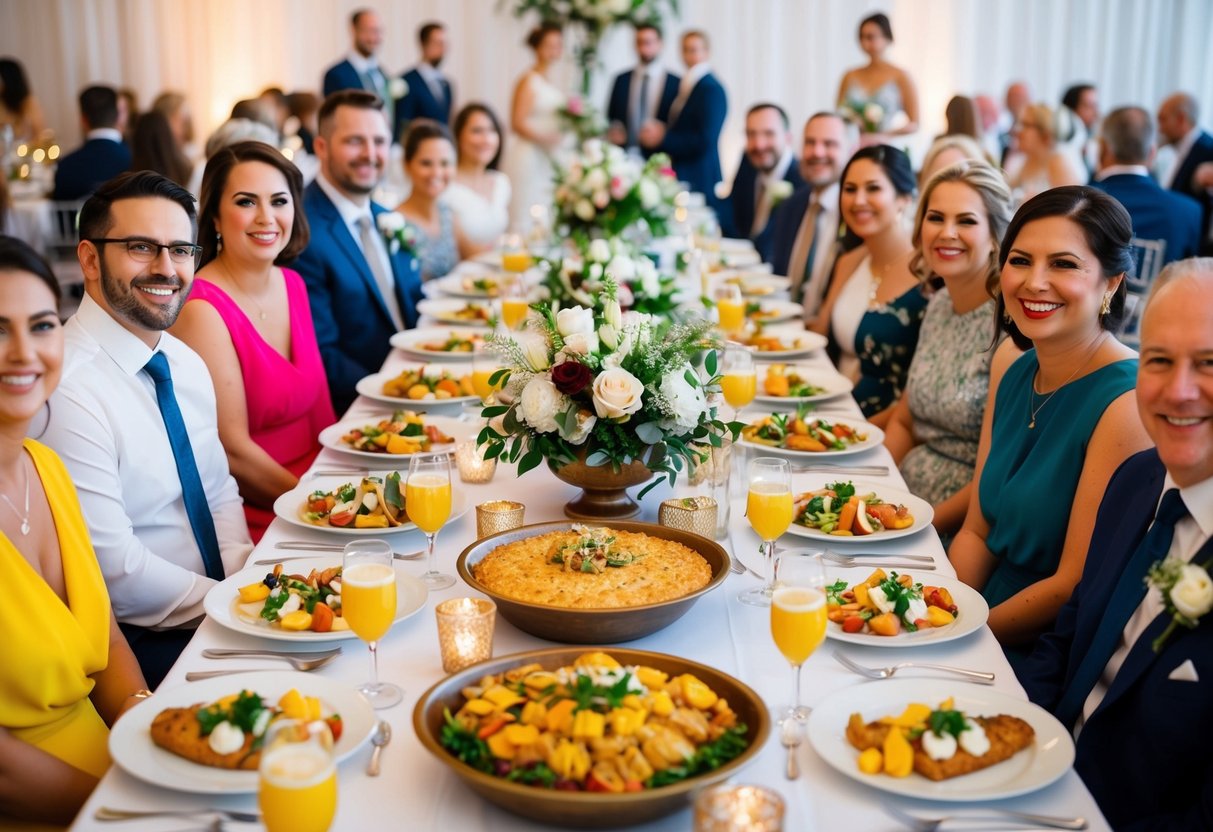
When planning your wedding, selecting the right entertainment and addressing dietary restrictions are both important. Making these choices will help create a memorable experience for you and your guests.
Selecting Music and Entertainment
Choosing the right soundtrack for your wedding can set the tone for the entire event. Consider whether you want a live band, a DJ, or even a mix of both. Each option has its own vibe.
A DJ can play a wide variety of music and take requests from guests. This can create a fun, interactive atmosphere. Alternatively, a band often brings a unique energy to the reception.
When selecting your entertainment, be sure to ask about their experience with weddings. You want someone who can read the crowd and keep the energy up. Confirm their setup and timing to avoid any last-minute surprises.
Addressing Dietary Restrictions
You will likely have guests with different dietary needs. It is important to consider their preferences to ensure everyone feels welcome and can enjoy the meal.
Start by collecting dietary information in your RSVP process. This way, you can plan a menu that accommodates various restrictions. Offer vegetarian, vegan, and gluten-free options to cater to common needs.
Communicate with your catering team about these restrictions. They can often create dishes that meet your guests’ requirements without compromising on taste. Don’t forget to inform your wedding guests about the menu. This admiration will make them feel included and cared for during your special day.
Personalizing Your Wedding Experience
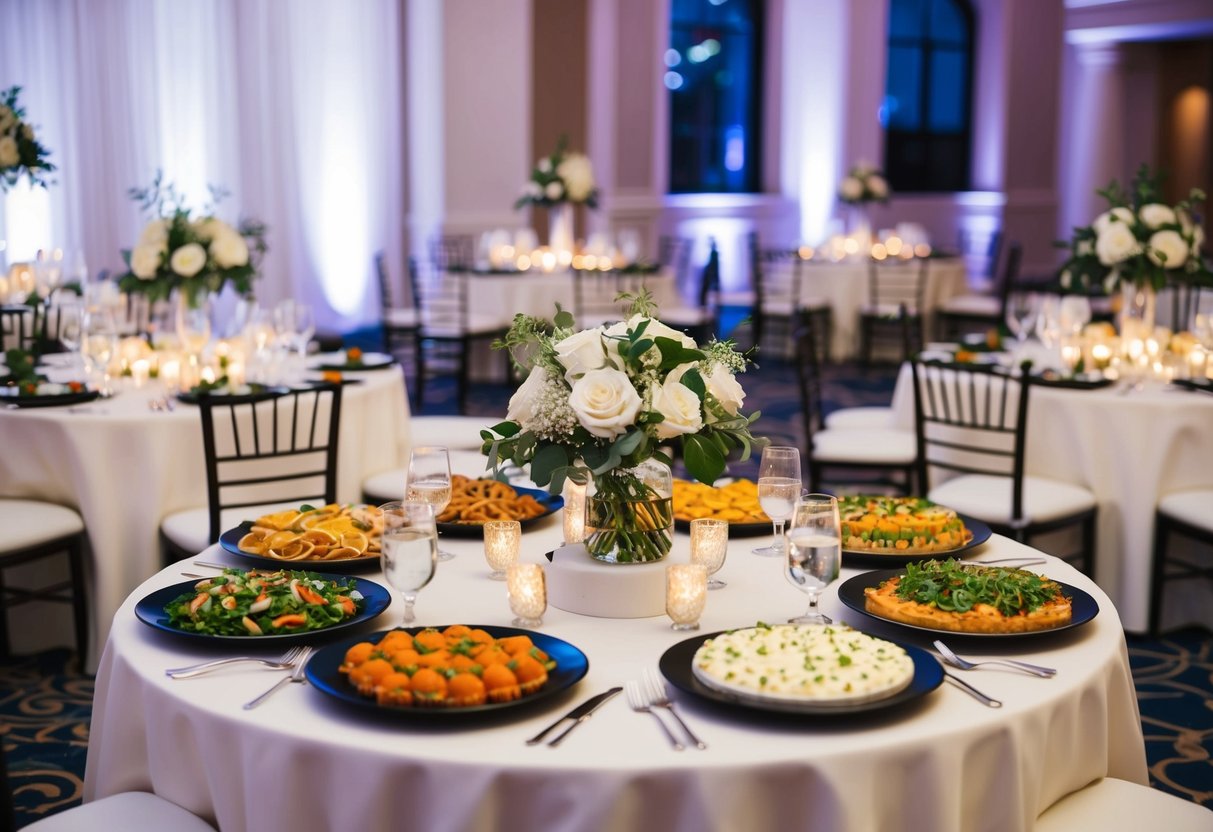
Creating a wedding experience that feels unique to you and your partner can make your big day truly memorable. This can be achieved through thoughtful food choices, keeping guests informed, and paying attention to beauty and style.
Incorporating Unique Food Elements
When planning your wedding menu, think about incorporating foods that hold special meaning for you as a couple. Consider including dishes from memorable dates or family recipes. This not only personalizes the menu but also lets your guests taste your story.
You might also want to create a signature cocktail that reflects your tastes. Personalizing the food experience can add an element of fun and warmth, making the meal something your guests remember.
Keeping Guests Informed Through Your Wedding Website
A well-organized wedding website is a useful tool for sharing important details with your guests. You can include information about the menu, venue, and even dress codes. This helps set expectations and makes your guests feel included in your special day.
Consider adding a FAQ section that addresses common inquiries, like menu options or nearby accommodations. This can ease the planning process and help your guests feel prepared for your celebration.
Planning for Beauty and Style
Your wedding day is not just about the event but also how you and your bridal party present yourselves. A makeup artist and hair stylist can help you achieve your desired look, making you feel confident and beautiful.
Discuss your preferences and look for inspiration in things like color schemes or themes. Pay attention to details. Things like wedding attire and floral arrangements contribute significantly to the overall atmosphere of your event. Personal touches in these areas will enhance your wedding’s unique character and charm.