
Do I Need to Tell DWP If I Get Married? Understanding Your Responsibilities
Getting married is an exciting time in your life, but it’s important to understand how it might affect your benefits. You need to inform the DWP if you get married or enter into a civil partnership. Failing to report changes in your relationship status can lead to issues with your claim, including potential overpayments or underpayments.
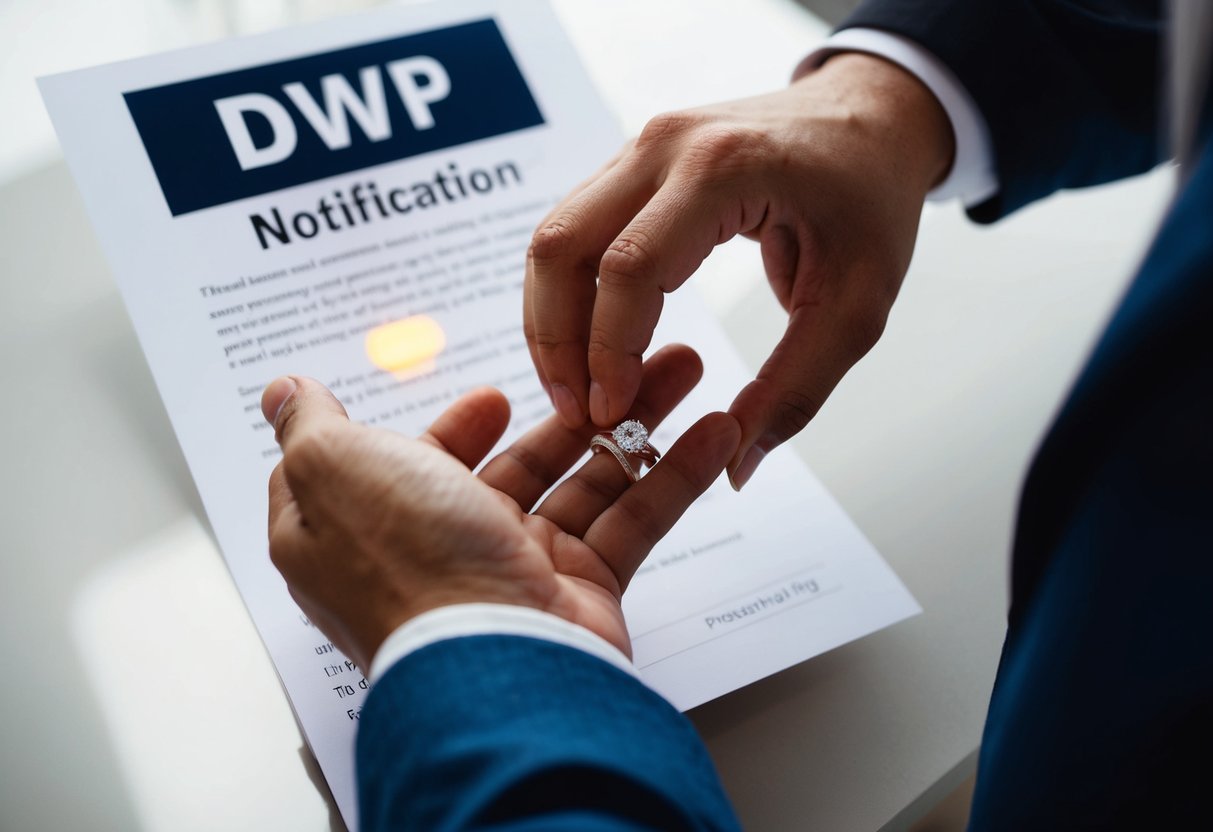
When you marry, your financial situation may change, and that can impact the benefits you receive. The DWP needs to know about your new status to adjust any relevant benefits accordingly. Keeping the DWP informed ensures that you receive the right amount and type of support after your marriage.
So, as you plan your wedding, remember to include notifying the DWP on your to-do list. This step is crucial to maintaining your benefits without any hiccups.
Understanding the Impact of Marriage on Benefits
Getting married can change your financial situation, especially if you receive benefits. It’s important to know how your marriage affects Universal Credit, Housing Benefit, and Child Benefit. Understanding these impacts can help you make informed decisions.
Effect on Universal Credit and Tax Credits
When you get married, you must inform the Department for Work and Pensions (DWP). This is crucial because your combined income may affect your Universal Credit amount. If your spouse earns significantly more, it could lead to a reduction in your benefits.
Additionally, your marriage may make you eligible for the Marriage Allowance. This allows you to transfer a portion of your personal tax allowance to your spouse. It could reduce your overall tax bill.
Make sure to review your situation regularly to ensure you’re claiming the correct amounts.
Implications for Housing Benefit and Council Tax
Marriage can also impact your Housing Benefit and Council Tax reductions. When you marry, the DWP will see your household income as a combined total. This means if your partner’s income is high, your Housing Benefit may decrease.
It’s essential to report your marriage to the local council as well. They need to know to adjust your Council Tax. If either of you is responsible for Council Tax, your marital status might change your eligibility for discounts. Stay informed about your local regulations to avoid any surprises.
Changes to Child Benefit and Child Tax Credit
Child Benefit and Child Tax Credit are affected by your marital status and combined income. When you marry, the DWP looks at both partners’ earnings. If your combined income exceeds certain thresholds, you might face a reduction in Child Benefit.
If you have children, assess your tax credits too. Some families might benefit from higher amounts, while others may see a decrease. Make sure to check your eligibility for both Child Benefit and Child Tax Credit following your marriage to maximize your support.
How to Inform the Department for Work and Pensions
When your relationship status changes, it’s important to inform the Department for Work and Pensions (DWP). This ensures that your benefits and entitlements remain accurate. Reporting a marriage or civil partnership is part of updating your change of circumstances.
Notifying of Marriage or Civil Partnership
If you get married or enter a civil partnership, you must notify the DWP. You can do this online or by writing to your local Jobcentre Plus.
To make the notification process easier, have the following information ready:
- Your National Insurance number
- Full names and dates of birth for both partners
- Date of marriage or civil partnership
Make sure to inform the DWP as soon as possible after the event. Failure to do so may affect your benefits, such as Universal Credit or housing assistance. Always keep a record of your notification for your files.
Reporting Other Family Changes
If there are other changes in your family circumstances, like a partner moving in or having children, you must inform the DWP. This helps them reassess your benefits.
Similar to reporting a marriage, you should gather necessary details:
- Your current National Insurance number
- Updated information about household members
- Changes to income or expenses
You can report these changes online or call your local Jobcentre Plus. Make these updates quickly to avoid disruptions in your benefits. Regularly checking in with the DWP can help you stay informed about any new requirements that may come up with your relationship status changes.
Contacting HM Revenue and Customs

When you get married, it’s important to keep your records up to date with HM Revenue and Customs (HMRC). This ensures your tax status and National Insurance are correct. You should notify HMRC of any changes to your personal details, such as your name or address, to avoid potential issues.
Updating Personal Tax Account and National Insurance
Updating your personal tax account is key after marriage. Any name change or change in your situation should be reported to HMRC. You can do this easily online by logging into your personal tax account.
If you don’t have an account, you may need to create one. You may want to provide a copy of your marriage certificate to confirm your name change. It ensures your National Insurance contributions are correctly recorded, which affects your eligibility for benefits.
Make sure you check your tax records after updating. If anything seems incorrect, you can contact HMRC directly for clarification.
Importance of Accurate Tax Records
Keeping accurate tax records is essential. When you get married, your tax affairs can change. For example, you may be eligible for Marriage Allowance, which allows one spouse to transfer a portion of their personal allowance to the other.
By informing HMRC, you help ensure that you both benefit from any available tax reductions. Missing this step could result in overpaying your taxes or missing out on potential refunds.
Regularly review your self-assessment tax return if you’re self-employed or have other income. This way, you can catch any discrepancies early and rectify them before they become bigger issues.
Special Considerations
Getting married can affect your eligibility for certain benefits. It’s important to understand how your new marital status may impact your financial support, especially regarding disability and pension credits, as well as any changes related to immigration status or medical conditions.
Impacts on Disability and Pension Credits
When you get married, it’s essential to inform the Department for Work and Pensions (DWP). Your marital status can influence your eligibility for benefits like the Disability Living Allowance (DLA) or Personal Independence Payment (PIP). If you receive disability benefits, your partner’s income and savings can affect your claim.
For pension credits, being married can change how DWP calculates your entitlement. You might qualify for a higher amount or additional allowances based on your spouse’s details. Failing to report your marriage may lead to incorrect payments and potential allegations of benefit fraud.
Handling Changes in Immigration Status or Medical Conditions
Marriage can also have implications for your immigration status and any medical conditions. If you’re not a British citizen, your spouse’s status may impact your ability to remain in the UK and access benefits.
Additionally, marriage can also affect your claims for Attendance Allowance or other related supports. If your health conditions change due to marriage—such as increased caregiving needs—it’s vital to update DWP. Keep all relevant documents handy and stay informed about how your circumstances connect to your benefits.