
Do I Need Wedding Insurance for a Destination Wedding? Essential Tips for Peace of Mind
Planning a destination wedding is an exciting adventure. It takes you away from your hometown to celebrate love in a stunning locale. Getting wedding insurance for your destination wedding can provide essential peace of mind. It protects your investment against unforeseen issues. Whether it’s a canceled flight or a vendor mishap, having insurance helps you focus on enjoying your special day without worrying about potential roadblocks.
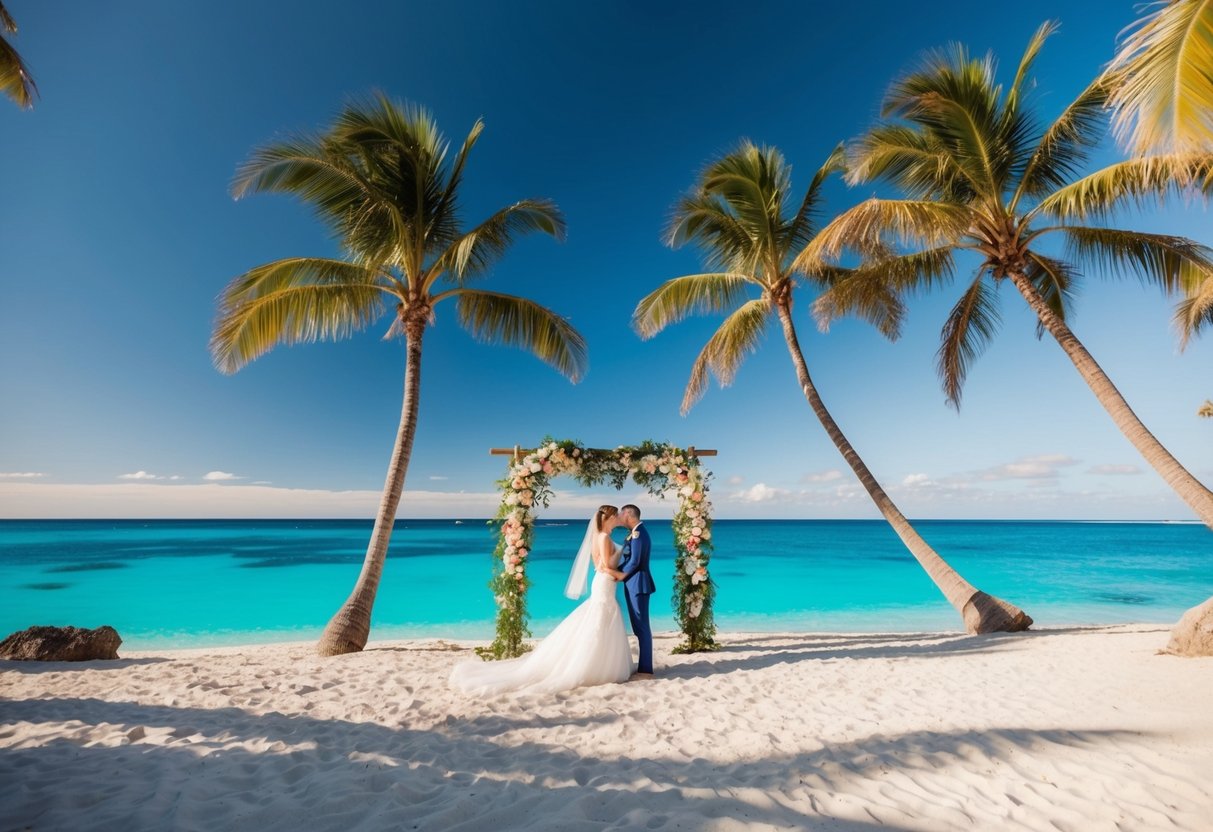
Destination weddings often come with unique challenges. From organizing travel arrangements to coordinating with vendors from afar, there’s a lot to consider. With the added stress of planning everything remotely, it’s crucial to consider ways to safeguard your plans. By investing in wedding insurance, you can enjoy the wonderful moments without the nagging fear of what might go wrong.
Ultimately, choosing to get wedding insurance is about more than just protecting your expenses. It’s about ensuring that your big day stays joyful and memorable. You deserve to celebrate without constant worry, and having the right coverage can help make that a reality.
Understanding Wedding Insurance
Securing wedding insurance is an essential step, especially for destination weddings. This type of insurance protects your investment and provides peace of mind by covering various unexpected events. Here, we will explore what wedding insurance is, the different types of coverage available, and why it’s crucial for destination weddings.
What Is Wedding Insurance?
Wedding insurance is a policy designed specifically to protect your wedding day from unforeseen issues. It covers various aspects such as cancellations, venue issues, and vendor failures. If something goes wrong, this insurance can help you recover costs.
For example, if you need to cancel due to illness, the insurance may cover deposits. There are different plans available, so choosing one that fits your needs is important. Many couples overlook this step, but having this protection can save you from financial stress.
Types of Coverage
There are two main types of coverage when it comes to wedding insurance: cancellation and liability.
Cancellation coverage protects against events like severe weather or illness that could force you to postpone or cancel your wedding. This can cover lost deposits and other expenses.
Liability coverage protects you if someone gets injured at your wedding or if there’s damage to the venue. This is especially important for destination weddings where you might not be familiar with local laws and requirements.
You can also find specific plans that cover supplier failure, which ensures you’re protected if a vendor doesn’t show up or goes out of business.
Why Destination Weddings Need Insurance
Destination weddings often involve more planning and higher costs. Those who are getting married abroad or in exotic locations may not realize the risks involved. Travel delays, weather events, and even local regulations can disrupt your plans.
Having overseas wedding insurance can help mitigate these risks. If a vendor cancels last minute or if bad weather forces a change of plans, coverage can help cover those expenses.
Since destination weddings usually require travel for both you and your guests, travel insurance is also a good addition. It may cover cancellation and other travel-related issues, ensuring that your special day goes as planned, no matter the circumstances.
Evaluating Your Destination Wedding Needs
When planning a destination wedding, it’s essential to think carefully about several key factors. Understanding your venue, coordinating with vendors, and dressing appropriately for the occasion will help ensure a smooth and enjoyable experience.
Venue Considerations
Choosing the right venue is a major step in your planning process. Think about the location where you want to celebrate your wedding. Popular options include beaches, gardens, or all-inclusive resorts.
Consider the logistics of getting there for both you and your guests. Check if the venue provides necessary services, such as catering, decorations, and accommodations. You may want to look into venue cancellation policies to protect your investment in case plans change.
Don’t forget to think about local laws and regulations affecting weddings. Some places may have specific requirements for officiants or permits. Make sure your venue aligns with your vision for the day.
Vendor Coordination
Effective communication with vendors can make or break your wedding experience. Research local vendors like photographers, florists, and caterers who have experience with destination weddings.
Establish clear expectations with each vendor. Discuss timelines, payment details, and any specific needs you might have. For example, make sure your photographer understands the type of shots you want and the best locations for them.
Consider the potential language barrier if you’re getting married in a foreign country. Hiring a local wedding planner may help with coordination, ensuring that all your vendors are on the same page.
Dressing for the Occasion
Your wedding attire is another vital aspect to consider. Think about the climate and environment of your destination when selecting your dress or suit. If you’re getting married on a beach, lightweight fabrics may be more comfortable.
Don’t forget about the shoes! Choose something suitable for the terrain to avoid any mishaps. If your wedding involves outdoor elements, plan for weather changes by bringing an elegant wrap or jacket.
Consider accessorizing with items that fit your destination’s theme or culture. This allows you to personalize your look while staying comfortable. By addressing these details, you can enjoy your special day without unnecessary stress.
Insurance Logistics for Travel and Guests

When planning a destination wedding, it’s important to consider insurance for both your travel plans and those of your guests. This helps manage unexpected events and keeps everyone covered, making the experience smoother for everyone involved.
Travel Insurance and Wedding Insurance
Travel insurance is essential when you travel for a destination wedding. This type of insurance can protect you from unexpected events, like trip cancellations or lost luggage. If you need to cancel your trip due to unforeseen circumstances, having this insurance can save you money.
Additionally, wedding travel insurance specifically covers things like vendor cancellations or lost deposits. If your ceremony gets disrupted, this coverage ensures you won’t lose money. Make sure to read the policy details carefully to understand what is included.
Managing Guest List and Expectations
When inviting guests to your destination wedding, be clear about travel arrangements and insurance needs. Inform them about the importance of travel insurance, especially if they will be traveling from far away.
Provide them with resources where they can purchase travel insurance. This helps to ensure everyone is aware of potential issues, such as canceled flights or health emergencies. By sharing this information, you set the right expectations. Guests will feel more at ease knowing they have options for coverage.
Encouraging guests to handle their own insurance means fewer worries for you on your special day, allowing you to focus on creating beautiful memories.
Calculating Costs and Benefits
When planning a destination wedding, it’s important to think about both the costs of insurance and the potential risks you may face. Weighing these factors can help you make an informed decision.
Cost of Insurance Versus Risk
Wedding insurance costs can vary based on several factors, including the location and size of your wedding. On average, you might spend between $150 and $600 for basic coverage.
Consider potential risks, such as severe weather or medical emergencies. For instance, if you need to postpone your wedding, costs may rise significantly due to non-refundable deposits and travel arrangements.
Assess what you would lose financially without insurance. Calculating costs of your venue, catering, and wedding gifts can help determine if insurance is worth it. Remember, risks like theft or accidents could lead to unexpected medical expenses, which add to the importance of having coverage.
Navigating Unexpected Events
Unexpected events can disrupt your wedding plans, and you need to know how insurance can help. Typical policies cover issues like vendor cancellations, medical emergencies, and severe weather.
You should understand any exclusions in your policy, as they can affect your coverage. For example, some plans may not cover cancellations due to a change of mind or if you choose to postpone for personal reasons.
In cases of theft, including stolen wedding gifts, insurance can assist in recovering losses. Make sure to document your valuable items and keep receipts to streamline the claims process. Being prepared will help you navigate these events should they occur.