
Do Mother of Bride and Groom Get Flowers? Exploring Wedding Traditions
When planning a wedding, you might wonder if the mothers of the bride and groom should receive flowers. Yes, it’s a sweet tradition for both mothers to wear flowers on this special day. Corsages are often given to honor them and show appreciation for their roles in your lives.
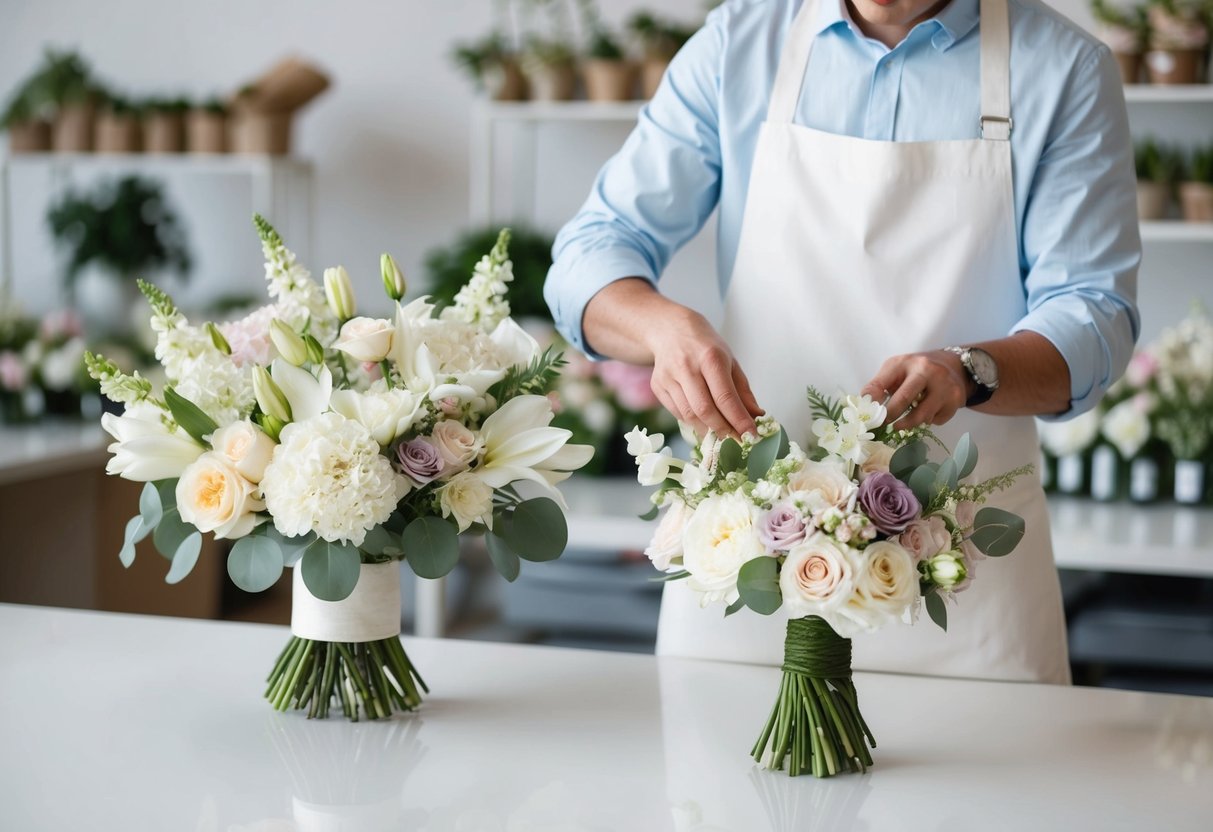
The mother of the bride typically receives a beautiful corsage that matches the theme of the wedding. The mother of the groom also gets one to highlight her importance. Adding this personal touch not only makes them feel special but also enhances the overall beauty of the wedding day.
Flowers for the mothers can create lovely family photos and symbolize love and respect. It’s a small gesture that can mean a lot and strengthen the bonds between families as you celebrate together.
Traditions and Etiquette
When planning for a wedding, it’s important to consider the traditions and etiquette surrounding flowers for mothers and grandmothers. These customs add a special touch to the celebration and show appreciation for their roles in your life.
Historical Significance of Flowers at Weddings
Flowers have long held a special place in wedding ceremonies. Historically, flowers symbolize love, unity, and new beginnings. Giving flowers to family members, especially mothers, is a way to honor their support and love.
Corsages are typically worn by mothers and grandmothers, while a boutonniere may be given to fathers or other close male relatives. These floral adornments reflect the significance of family in celebrating this important day. The choice of flowers often represents personal meanings or family heritage, enhancing the emotional connection.
Modern Practice for Mothers and Grandmothers
In modern weddings, the tradition of giving flowers to mothers and grandmothers continues, though it might vary in style and form. Most brides choose to give a traditional corsage for their mothers, which is often worn on the wrist or pinned to clothing.
For grandmothers, this gesture also signifies respect and love. While roses remain a classic choice, many couples opt for unique combinations that resonate with their family’s preferences. Remember to communicate with your mothers about colors and styles to avoid clashes. It makes the occasion even more meaningful when everyone feels included in the aesthetic.
Choosing the Right Floral Accessories
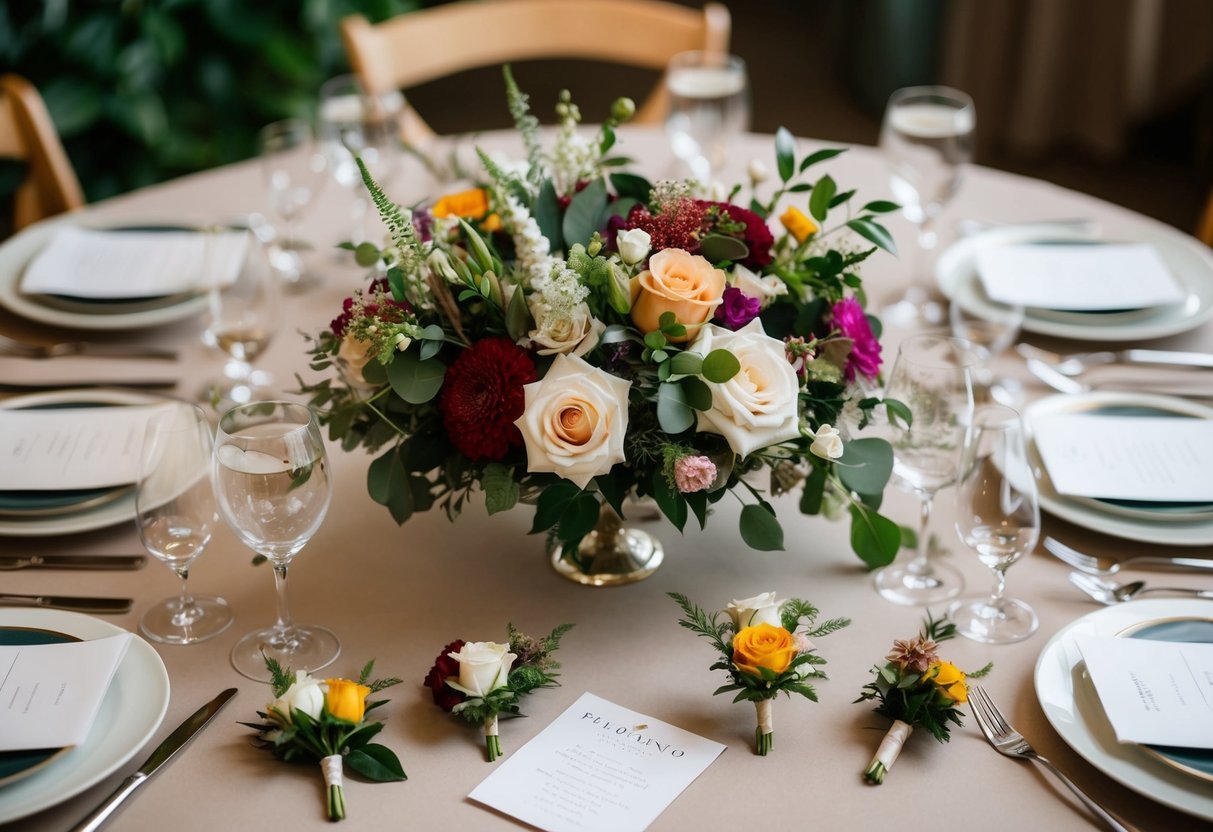
Selecting floral accessories for the mother of the bride and groom adds a special touch to the wedding. It’s all about finding the right pieces that complement their outfits and the wedding’s overall color scheme.
Corsages and Boutonnieres
Corsages and boutonnieres are traditional floral accessories for mothers and grandfathers. A corsage typically consists of two to three flowers, such as roses or lilies. You can pin it to the dress or wear it on the wrist.
Boutonnieres are worn by men, often featuring a single flower. Consider the couple’s favorite flowers when choosing these pieces. You want them to look elegant but also feel comfortable. Make sure these floral accessories fit well with the color scheme of the wedding.
Wrist Corsages and Mixed Bouquets
Wrist corsages are gaining popularity for mothers. They offer a modern twist and are often adorned with crystals or unique blooms. This style allows for more creativity and personal expression.
Mixed bouquets can also work wonderfully. You might include seasonal flowers that add vibrancy. Think about using shades that match the wedding decor, like softer pastels or bold colors. This way, you create a cohesive look that ties the entire event together beautifully.
Flower Selection and Color Scheme
Choosing the right flowers is crucial. Focus on what resonates best with the mothers while considering the wedding’s color scheme.
Roses and lilies are classic options, but you should include their favorite flowers if they have preferences. Seasonal flowers can enhance the overall look and feel of your wedding. They tend to be fresher and may even be more affordable. Make sure the colors complement those of the venue and the bridal party to create a harmonious appearance throughout the celebration.
Incorporating Personal Preferences
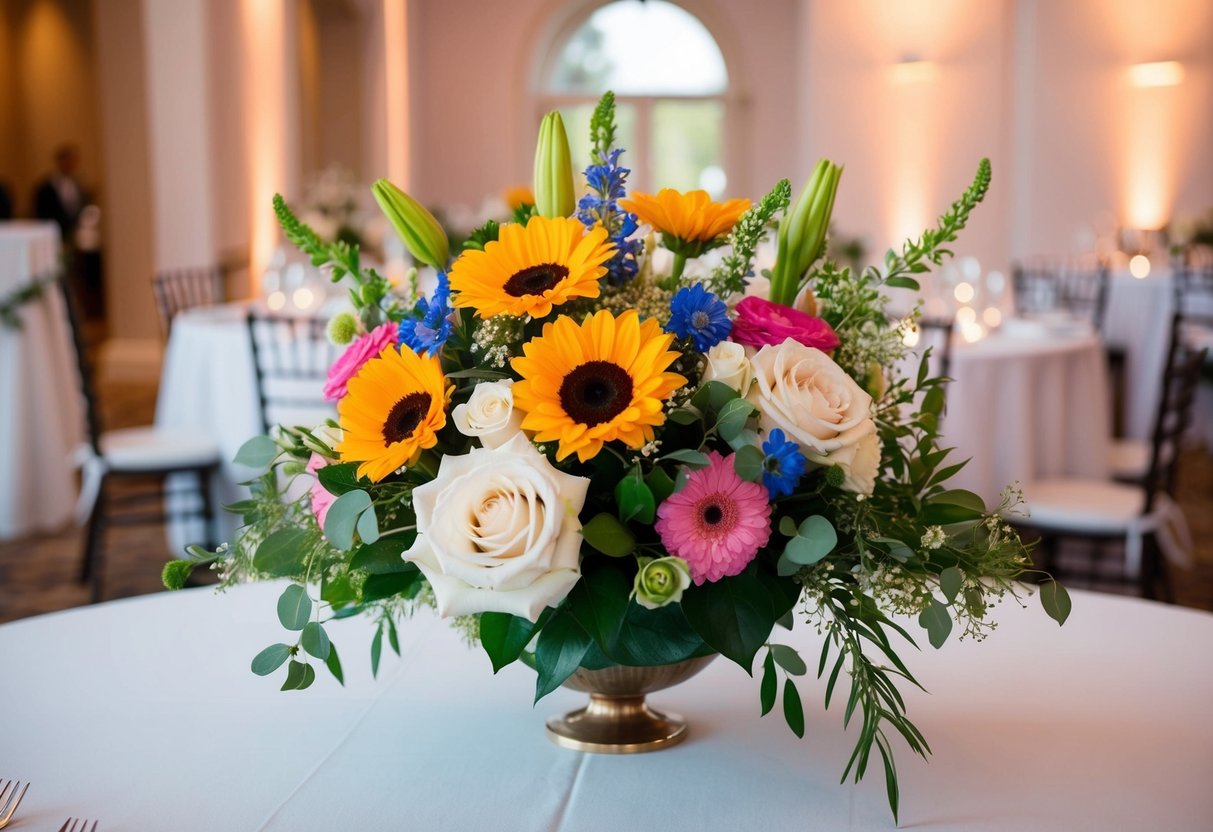
In choosing flowers for the mothers of the bride and groom, personal preferences play a key role. This approach not only makes the day feel more special but also helps honor family traditions and the wedding party’s aesthetic.
Matching the Wedding Party
Matching flowers for the mothers with those of the wedding party can create a harmonious look. You can choose similar blooms, colors, or styles that your wedding party is using.
For example, if your bridesmaids carry navy blue bouquets, consider giving the mother of the bride a smaller version in the same color palette. This shows unity and can enhance the visual impact of your wedding.
Personal flowers like corsages or mini bouquets work well here. Discuss with your wedding florist to explore options that align with your vision. It’s all about that personal touch, making sure each flower choice reflects the unique style of the individuals.
Honoring Family Traditions
Incorporating family traditions when choosing flowers is a wonderful way to honor your loved ones. Think about special flowers that hold meaning for your family members.
For instance, if sunflowers are a favorite of the mother of the bride, consider including them in her bouquet. This personal touch adds sentiment to the day, making both mothers feel cherished.
Additionally, consider including flowers for grandmothers and special guests. This gesture can show appreciation and bind families together during the celebration. A little thought goes a long way in making the day feel meaningful for everyone involved.
Roles and Responsibilities
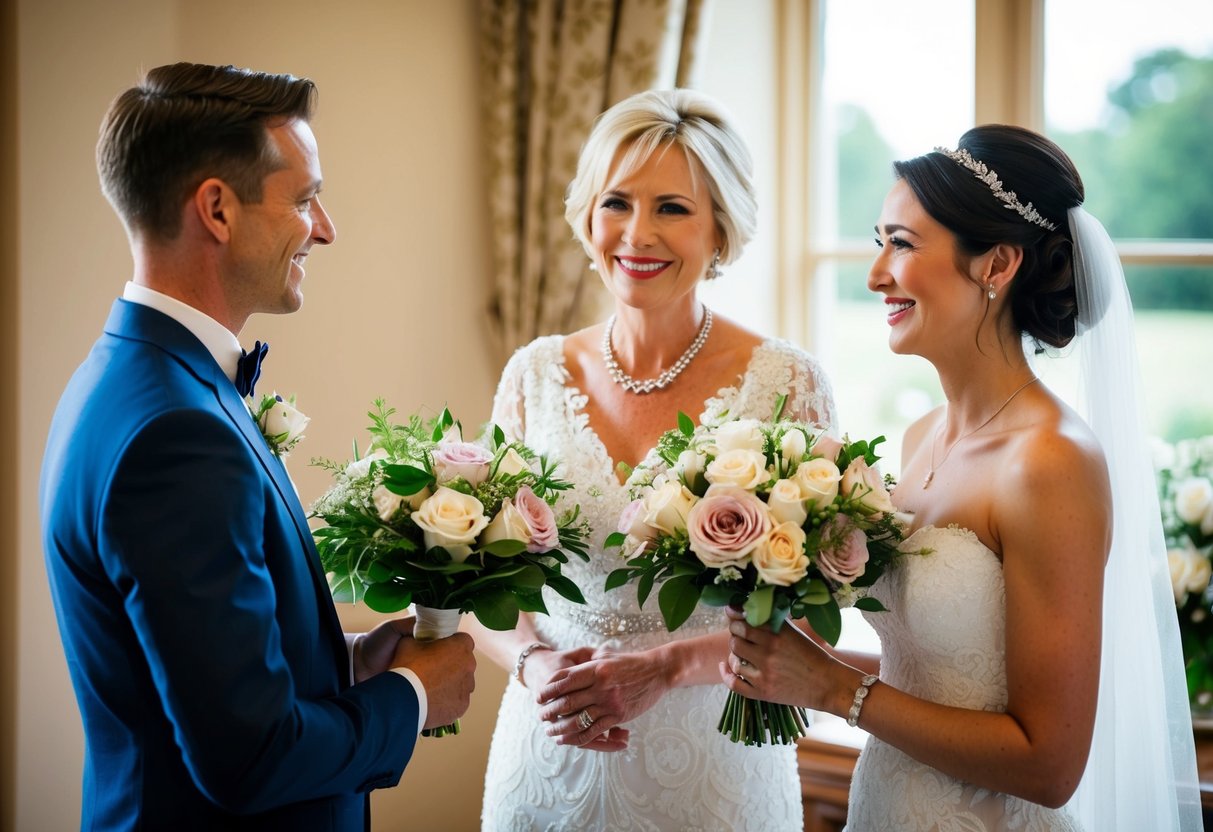
Understanding the roles and responsibilities of the mothers during the wedding can help make the day smoother and more enjoyable. Each mother has important tasks, both during the ceremony and in the celebrations that follow. Here are some specific duties to consider.
Ceremony and Celebration Involvement
On the wedding day, both the mother of the bride and the mother of the groom have key roles. The mother of the bride often helps with final details, ensuring the bridal party is ready and the ceremony runs smoothly.
She may assist the bride in dressing and calming any last-minute nerves. The mother of the groom is usually honored with a corsage and may also welcome guests. During the ceremony, both mothers can be involved in processes like lighting unity candles or participating in family rituals.
Making sure to connect with the officiant can help clarify their roles. This planning fosters appreciation for both families and highlights the bond being created during the wedding.
After the Wedding Celebrations
After the ceremony, both mothers play a part in the wedding celebrations. They often lead the way in greeting guests at the reception, ensuring everyone feels welcome.
During the toasts, it’s common for both mothers to share words of encouragement and love, highlighting their support for the new couple. They can also coordinate with the bridal party and groomsmen for group photos while participating in family pictures.
Planning a rehearsal dinner is another responsibility where both mothers can shine. They collaborate to organize the event, ensuring everyone is invited and that the atmosphere is joyful.
Their involvement helps reflect the unity of the families, making the day even more special for you and your partner.