
Do Parents Get Introduced at Wedding? Understanding the Importance of Family Roles
At a wedding, many couples wonder about the role of their parents during the reception. Typically, parents get introduced before the bridal party or the newlyweds. This moment allows guests to recognize and honor the families that have come together for the celebration.
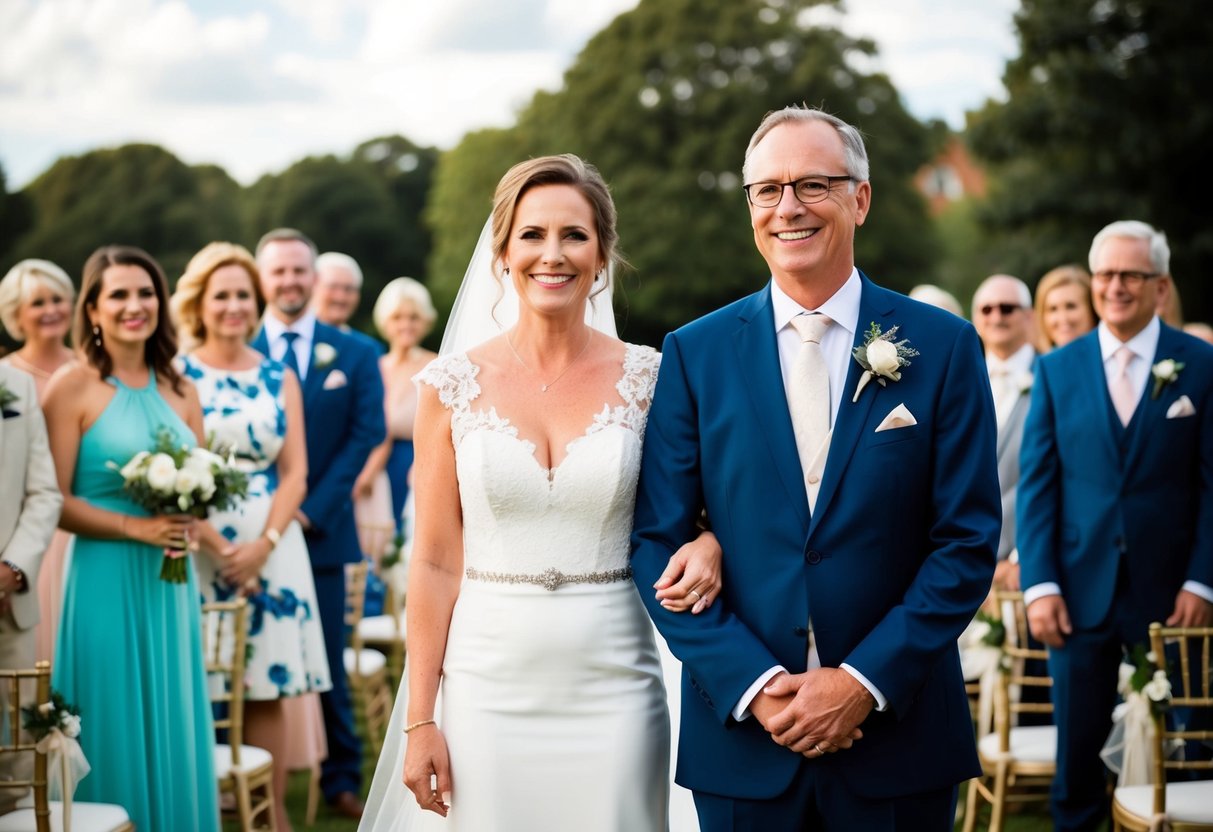
You can choose how formal or casual these introductions will be. Some couples prefer a simple introduction of their parents, while others may incorporate fun anecdotes or special moments. It all comes down to what feels right for you and your style of celebration.
Knowing whether to introduce parents at your wedding can help you plan the flow of the reception. It’s a nice way to acknowledge the significant roles your parents have played in your lives, making the event even more meaningful.
The Role of Parents in Weddings
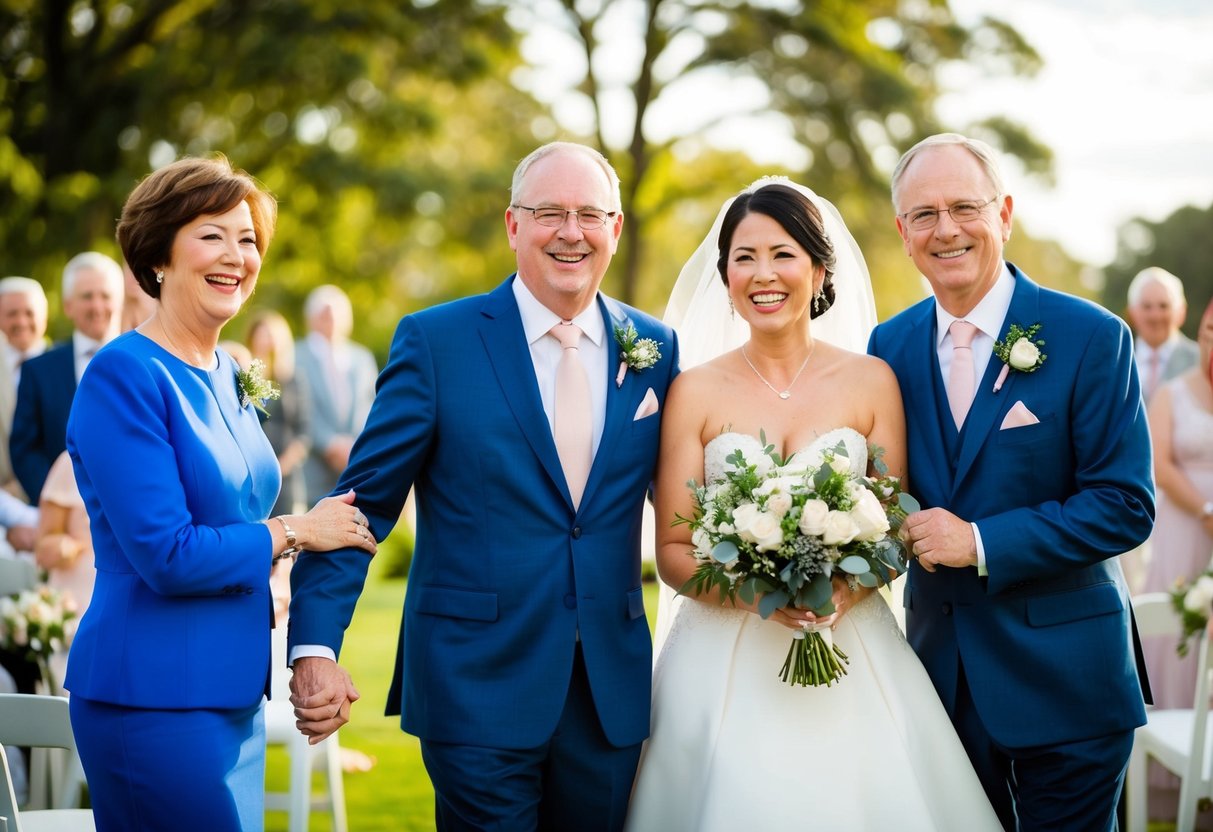
Parents play an important part in weddings, whether they are traditional or modern. Their involvement can bring emotional support and a sense of family unity. From helping with planning to being acknowledged during the ceremony, their roles can vary widely, especially in diverse family situations.
Significance of Parental Presence
The presence of parents at your wedding symbolizes love and support. For many couples, especially the bride and groom, it’s a way to honor their families. The mother of the bride and father of the bride traditionally have specific roles, such as walking the bride down the aisle or giving speeches. Meanwhile, the groom’s father also plays a key role, often giving a speech or welcoming guests. In cases of divorced parents, it can be vital to manage introductions and interactions to ensure a comfortable atmosphere. Remember to communicate your plans clearly so everyone knows what to expect on your special day.
Introducing Parents at Same-Sex Weddings
In same-sex weddings, parents can hold just as much significance. They might contribute emotionally or help with planning, just like in traditional weddings. When announcing parents during the reception, consider acknowledging everyone involved, such as the brides’ and grooms’ parents.
You can use unique introductions that fit your style, celebrating all family dynamics. This could include sharing personal anecdotes or highlighting special relationships. Making each family member feel valued strengthens bonds and makes the day even more memorable for the newlyweds and their guests.
Planning the Introductions
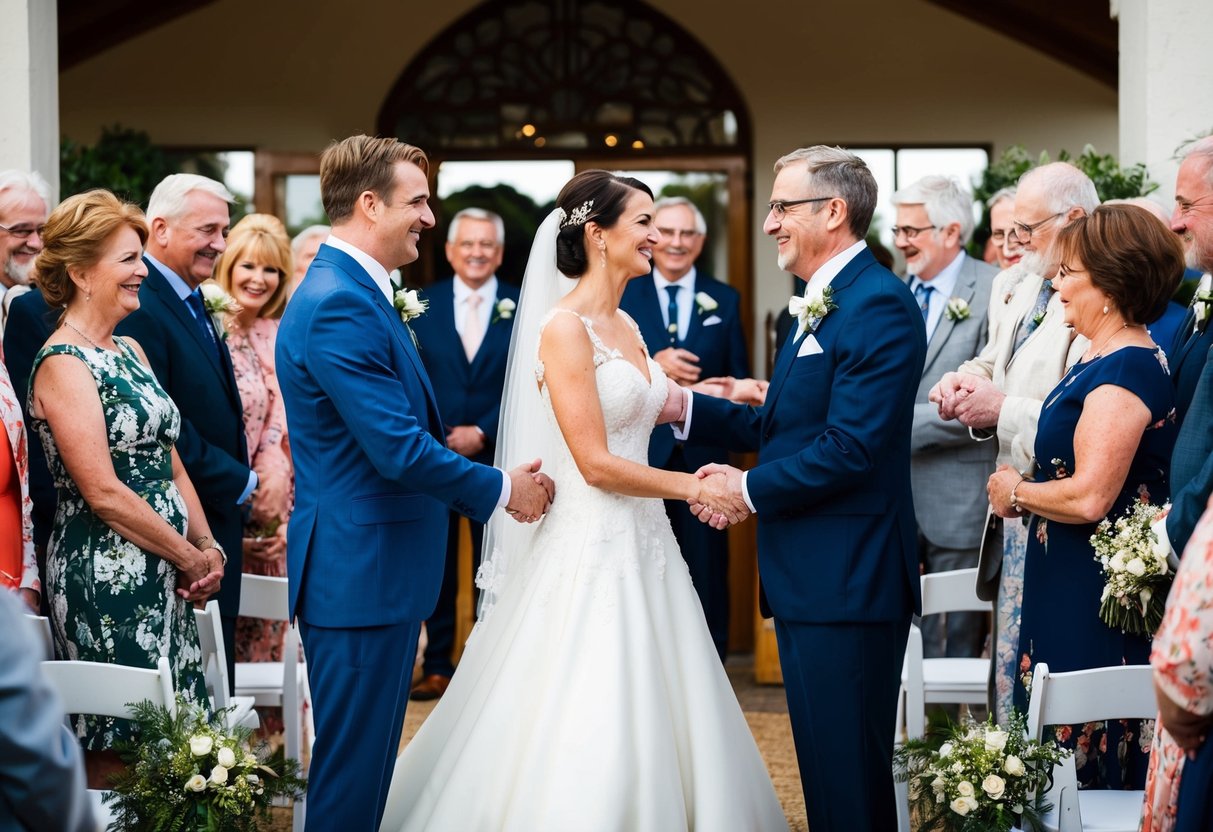
When planning your wedding, one key element is how you will introduce parents and other important family members. Making sure everyone feels included is crucial for a warm and memorable event. You’ll want to carefully think through the order of introductions, how to manage special situations like divorced parents, and the importance of a good seating chart.
Order of Introduction
The order of introductions at your wedding plays a big role in setting the tone for the event. Traditionally, parents are introduced first, starting with the bride’s parents followed by the groom’s parents. This establishes a sense of importance for both sides of the family.
Next, you can introduce grandparents, followed by the bridal party, which includes the best man, maid of honor, and the rest of the bridesmaids and groomsmen. It’s a good idea to create a list so you can keep track of who is being introduced. If you prefer a non-traditional approach, feel free to mix things up in a way that feels right for you.
Navigating Divorced Parents
Handling the introduction of divorced parents can be sensitive. Communication is key here. Discuss how you will approach this with both parents beforehand. You might choose to introduce each parent separately to avoid awkwardness or decide to introduce them together if they are amicable.
Letting them know your plan will help minimize any potential discomfort. You should also consider seating arrangements to ensure that they can each enjoy the evening without feeling strained. You might want to place them at opposite ends of the table that seats family, allowing for harmony throughout the celebration.
Creating a Seating Chart
A well-planned seating chart is essential for ensuring everyone feels comfortable during the reception. Make sure to consider family dynamics, particularly with divorced or separated parents.
You could opt for a family table with your parents and their partners, if applicable, while friends and other family members sit at different tables. This can help ease any tension during introductions and keep the focus on celebrating your special day.
Don’t forget to label the tables to help guests find their seats easily. You can use a creative theme that matches your wedding style. This thoughtful detail adds a personal touch to your event.
Consulting a Wedding Planner
If you’re feeling overwhelmed, consulting a wedding planner can be beneficial. They have experience in managing introductions, seating arrangements, and other essential aspects of the wedding. You can discuss your specific concerns about introducing parents or any family issues that may arise.
A planner can help guide you on the best practices for introductions and provide you with tips that are tailored to your situation. Their expertise can make the planning process smoother and more enjoyable. With their assistance, you can create a relaxing atmosphere for everyone attending your wedding.
The Wedding Reception Entrance
The reception entrance sets the tone for the celebration. It includes important introductions and can be a fun and memorable moment for everyone involved.
Mastering the Grand Entrance
Your grand entrance is a highlight of the reception. It marks the moment you and your partner officially begin the celebration together. Typically, you will enter after your parents and the wedding party are introduced. The order can vary based on your preferences.
As you walk in, consider choosing a special song that reflects your personality. This music creates excitement and gets guests ready to celebrate. You can also share this moment with your parents, making it even more meaningful.
A strong entrance draws everyone’s attention. Smile, enjoy the moment, and embrace the joy surrounding you. This is your time to shine!
The Role of the Emcee or DJ
The emcee or DJ is crucial for a smooth entrance. They announce everyone, guiding the audience through the various introductions. This person follows the order you’ve chosen, ensuring that every important guest is recognized.
Your DJ or emcee can add energy by playing upbeat music as you enter. This keeps the vibe lively and engages the guests. You can also work with them to plan special moments, like a fun dance or an unexpected announcement.
Clear communication is key. Share your entrance order with them ahead of time to avoid confusion. This way, they will know exactly when to introduce every person and moment.
Reception Activities Post-Entrance
Once you’ve made your grand entrance, it’s time to dive into the fun activities planned for the evening. The first dance is a popular choice. This moment allows you to showcase your connection and style as a couple.
Following this, activities like the garter toss or bouquet throw keep guests entertained. Each event adds excitement and encourages your loved ones to participate.
Make sure to brief your emcee on the sequence of events. This planning helps avoid any delays during the reception. Engaging activities create a lively atmosphere, making the evening memorable for you and your guests.