
What Is Done in a Traditional Wedding? Exploring Timeless Customs and Celebrations
Planning a traditional wedding is an exciting journey filled with meaningful rituals and customs. Typically, a traditional wedding includes ceremonies like exchanging vows, wearing special attire, and partaking in cultural or religious rituals that reflect your heritage. Each detail you choose plays a role in creating a memorable celebration that honors the past while welcoming a new beginning.
As you dive into wedding planning, think about how these elements fit into your personal style and vision. From selecting the perfect venue to deciding on the right traditions to incorporate, your choices will help create the atmosphere you desire. This blend of tradition and your own flair makes every wedding unique and special.
Understanding what happens in a traditional wedding can help you better organize your big day. Whether you want to follow cultural customs or create your own path, knowing the tried and true elements will pave the way for a smoother planning experience.
Pre-Wedding Preparations
Pre-wedding preparations are essential steps that set the stage for your big day. You will choose the right venue, gather your wedding party, and outline the ceremony. Each detail plays a significant role in making your wedding memorable.
Selecting the Venue
Choosing a venue is one of the first and most important decisions you’ll make. Think about the style of your wedding: will it be casual or formal? Consider locations like gardens, beaches, or banquet halls that fit your vision.
Make a list of potential venues and schedule tours. Pay attention to capacity, amenities, and availability on your desired date. Don’t forget to check for parking options and accommodations for guests. Comparing pricing will help you stay within budget.
Building the Wedding Party
Next, you’ll want to build your wedding party. This includes selecting your best man, maid of honor, bridesmaids, and groomsmen. Think about who has supported you and who you want by your side on this special occasion.
Talk to each person about their role and responsibilities. They will help with planning and support you during the wedding. Make sure to discuss the costs involved, such as attire and travel, to avoid surprises later.
Planning the Ceremony Outline
Now it’s time to outline your ceremony. Start by deciding on the order of events. Typically, this includes the processional, vows, exchange of rings, and the recessional.
Think about any special traditions or readings you’d like to include. You can also consider music choices for each part of the ceremony. Creating a timeline will help keep everyone on track and ensure everything flows smoothly.
A well-planned ceremony sets the tone for the celebration to follow, so be thoughtful about each detail.
Ceremonial Proceedings
During a traditional wedding, several important ceremonial proceedings shape the experience for everyone involved. Each part holds significance and helps to create lasting memories. Here’s what you can expect during this special occasion.
The Processional and Grand Entrance
The wedding processional is the moment everyone has been waiting for. It marks the beginning of the ceremony as you and your wedding party walk down the aisle.
Typically, the processional starts with the family members, followed by the bridal party, and finally, you as the bride or groom.
This part of the ceremony sets the tone, filled with anticipation and emotion. The moment you enter can be accompanied by meaningful music that resonates with you both.
Words of Welcome and Opening Remarks
Once everyone is seated, the officiant begins with words of welcome. This moment is crucial, as it helps to connect everyone present and sets a warm, inviting atmosphere.
The officiant might share a brief story about the couple or express gratitude for the guests’ attendance.
These opening remarks often reflect the theme or mood of the wedding. It’s a chance to remind everyone why they are there and the love that brings everyone together.
Readings and Traditions
In many weddings, selected guests read special passages during the ceremony. This might include poems, quotes, or religious texts that hold meaning for you.
These readings can add a personal touch. They provide insight into your values, beliefs, and the journey you’ve shared.
In addition, certain traditions may be included, such as lighting a unity candle or a sand ceremony. These acts symbolize the joining of two lives in a unique way.
Exchange of Vows and Rings
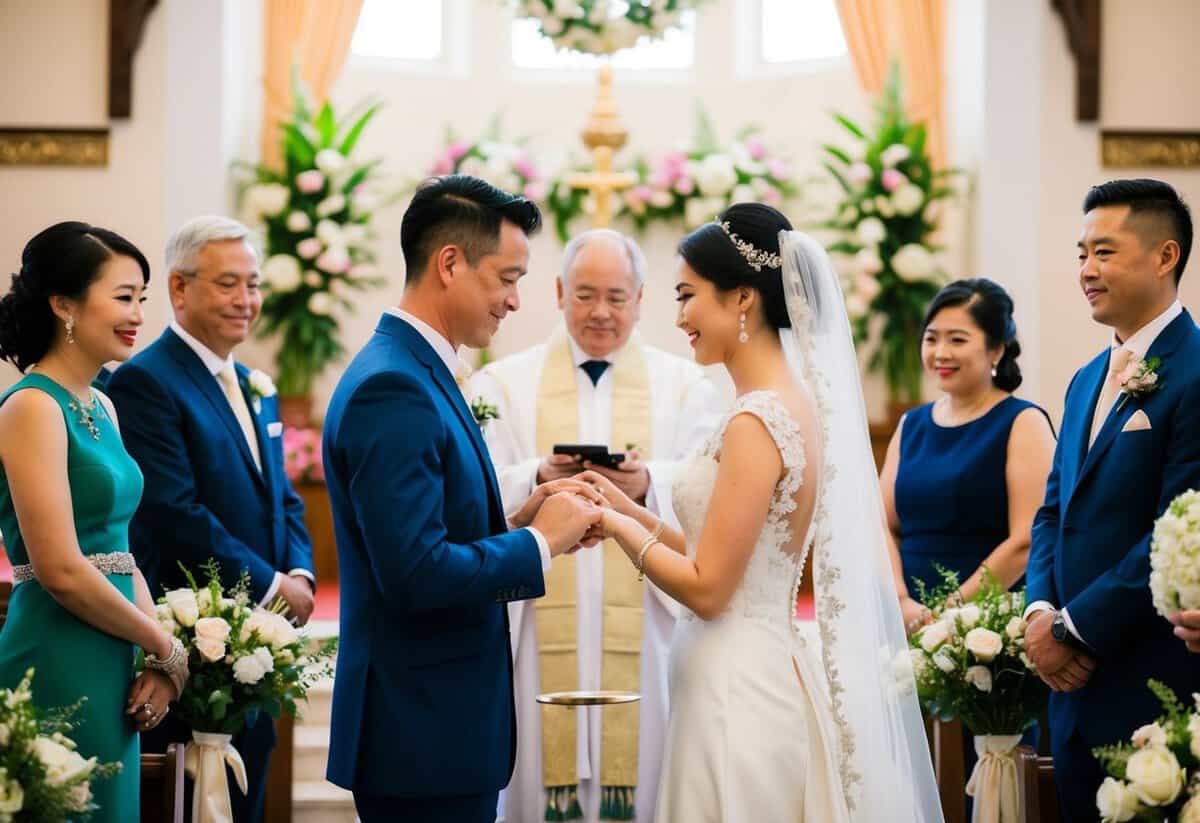
The exchange of vows is one of the most significant parts of the ceremony. Here, you express your commitment and love to one another through written or spoken promises.
You might choose to write your own vows or use traditional ones. Either way, this moment should reflect your feelings and intentions for your future together.
Following the vows, the ring exchange symbolizes your love and commitment. Placing rings on each other’s fingers represents an unbroken bond.
Unity Ceremony and Symbolic Acts
To emphasize the union, many couples incorporate a unity ceremony. This can involve blending two colors of sand, lighting a candle together, or planting a tree.
These acts are not just gestures; they signify the merging of two lives into one. Each act has its own meaning, so choose one that resonates with you both.
It’s a beautiful way to make the moment memorable, creating a visual representation of your commitment.
Pronouncement and the First Kiss
After the vows and rings are exchanged, the officiant will pronounce you married. This moment is usually highly anticipated and celebrated by everyone present.
Once pronounced, you both share your first kiss as a married couple. This kiss often brings joy and excitement, marking the official start of your new journey together.
Guests usually cheer and applaud, capturing the happiness of the moment. It’s a snapshot in time that you will always cherish.
The Recessional
As you exit the ceremony, the recessional takes place. This is a joyful moment when you walk back down the aisle together, typically to uplifting music.
Your wedding party follows you, embracing the cheer and celebration. The recessional symbolizes your new status as a married couple and the start of your celebration.
Guests often throw confetti, rose petals, or rice, adding to the festive atmosphere as you leave the ceremony space.
This moment marks the transition from ceremony to celebration, leading into the festivities ahead.
Religious and Cultural Customs
Weddings are filled with unique customs that are deeply rooted in different religions and cultures. These traditions often hold significant meanings and can greatly enhance your celebration.
Christian Wedding Traditions
In a Christian wedding, rituals can vary widely depending on the denomination. Most Catholic ceremonies are rich with tradition. The service typically includes a Mass, where prayers, scripture readings, and communion are an integral part. The exchange of rings symbolizes eternal love. During the ceremony, the couple declares their vows in front of family and friends, making a sacred promise to one another.
Another common Christian tradition is lighting a unity candle. This symbolizes the joining of two lives into one. Additionally, many couples include personal touches, such as songs or readings that hold special meaning to them. These elements combine to create a deeply personal ceremony.
Jewish Wedding Rituals
Jewish weddings are filled with meaningful customs. One of the most recognized aspects is the chuppah, a canopy under which the couple stands during the ceremony. This symbolizes the home they will build together. The ketubah, or marriage contract, is also important and outlines the couple’s responsibilities to each other.
During the ceremony, the groom often participates in the bedeken, where he veils the bride. This is followed by the sheva brachot, seven blessings recited during the meal after the ceremony. A striking moment is the breaking of the glass, which reminds attendees of the fragility of relationships and the joy of life. Each of these elements works together to create a beautiful and meaningful ceremony.
Hindu Wedding Ceremonies
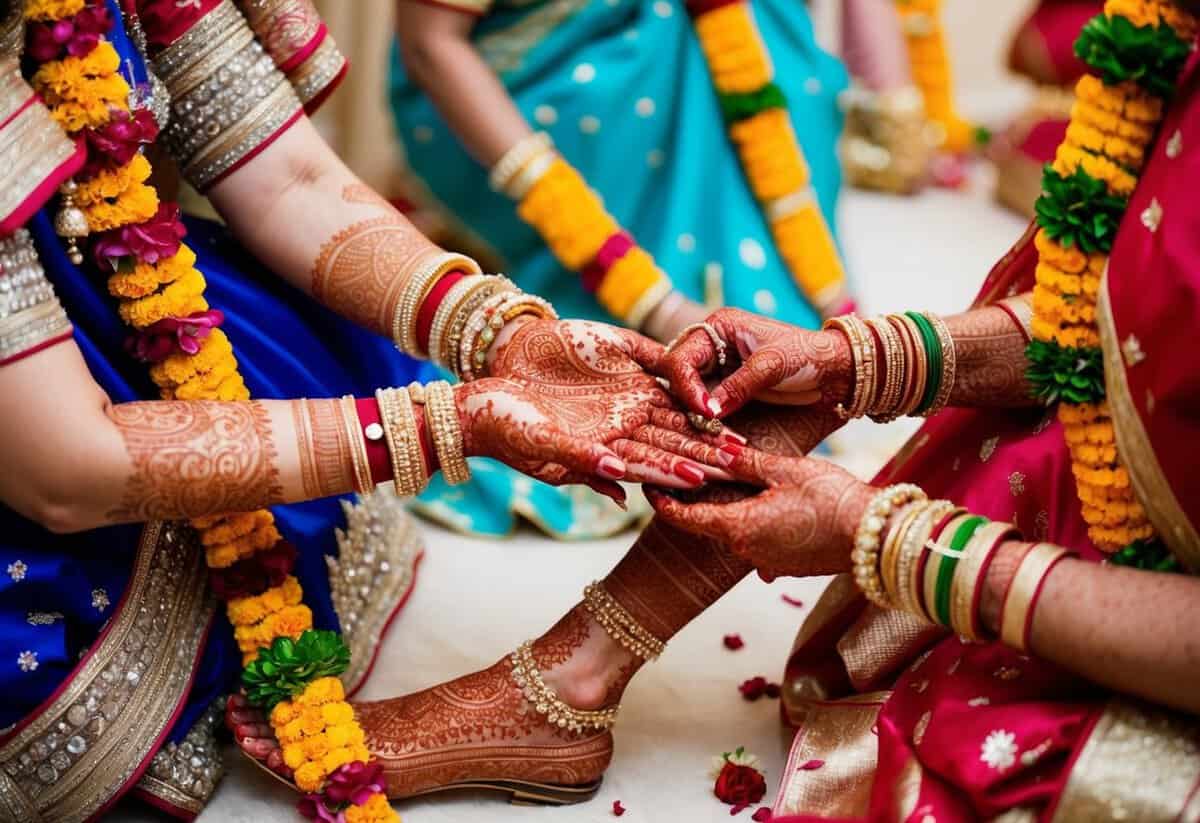
Hindu wedding ceremonies are colorful and elaborate, often lasting several days. A key moment is the baraat, where the groom arrives in a festive procession, sometimes on a horse. The couple participates in various rituals, such as the shagun, where family members bestow gifts on the bride and groom.
A significant part of a Hindu wedding is the saat phere, where the couple walks around a sacred fire seven times. Each circle represents a vow they make to each other. The ceremony is vibrant, filled with music, dancing, and cultural significance. This rich tapestry of rituals reflects the importance of love, family, and spiritual connection.
Post-Ceremony Celebrations
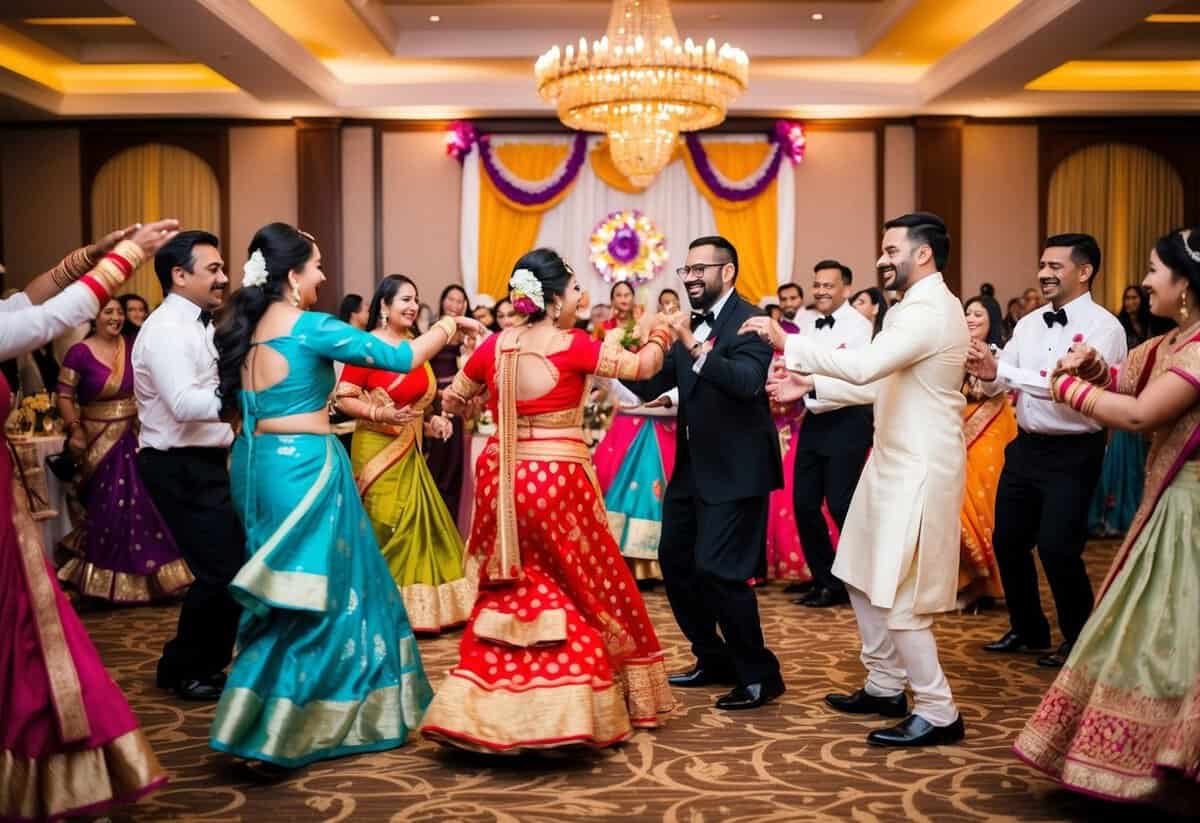
After the wedding ceremony, the fun really begins! This is the time to celebrate with your loved ones and create lasting memories.
One popular start is the cocktail hour. You and your guests can enjoy drinks and appetizers while mingling. It’s a great way to relax after the formalities and set a joyful mood.
Following the cocktail hour, it’s time for dinner. Whether you choose a plated meal or a buffet, make sure it reflects your taste. This is a perfect chance to share a meal and stories with those closest to you.
Next comes your first dance. This is a special moment where you and your partner take the floor together. It often symbolizes your new life together. Don’t forget to choose a song that has meaning for both of you.
Finally, the wedding reception kicks off. This is the main event where everyone can partake in dancing, games, and celebrating your union. You can include speeches, cake cutting, and fun activities to keep your guests entertained.
These post-ceremony celebrations allow you to enjoy the day with your family and friends, making it a truly memorable occasion!