
Do Parents of the Groom Buy the Couple a Wedding Gift? Understanding Traditions and Expectations
When it comes to wedding gift etiquette, many people wonder about the role of the groom’s parents. The parents of the groom often give a wedding gift to the couple, but it is not a strict requirement. This gesture can show their support and love, especially if they are not financially contributing to the wedding itself.

If the groom’s parents decide to give a gift, they might choose something meaningful that the couple can cherish. This could be a thoughtful item from their wedding registry or something personal that reflects the couple’s interests and future together. The aim is to make their gift special and memorable.
You will find that traditions can vary between families. Some families may stick closely to traditional wedding gift-giving practices, while others may feel that their presence and support are more important than a material gift. Whatever the choice, the love and support from the groom’s parents remain valuable to the couple as they begin their new life together.
The Role of the Groom’s Parents in Wedding Celebrations
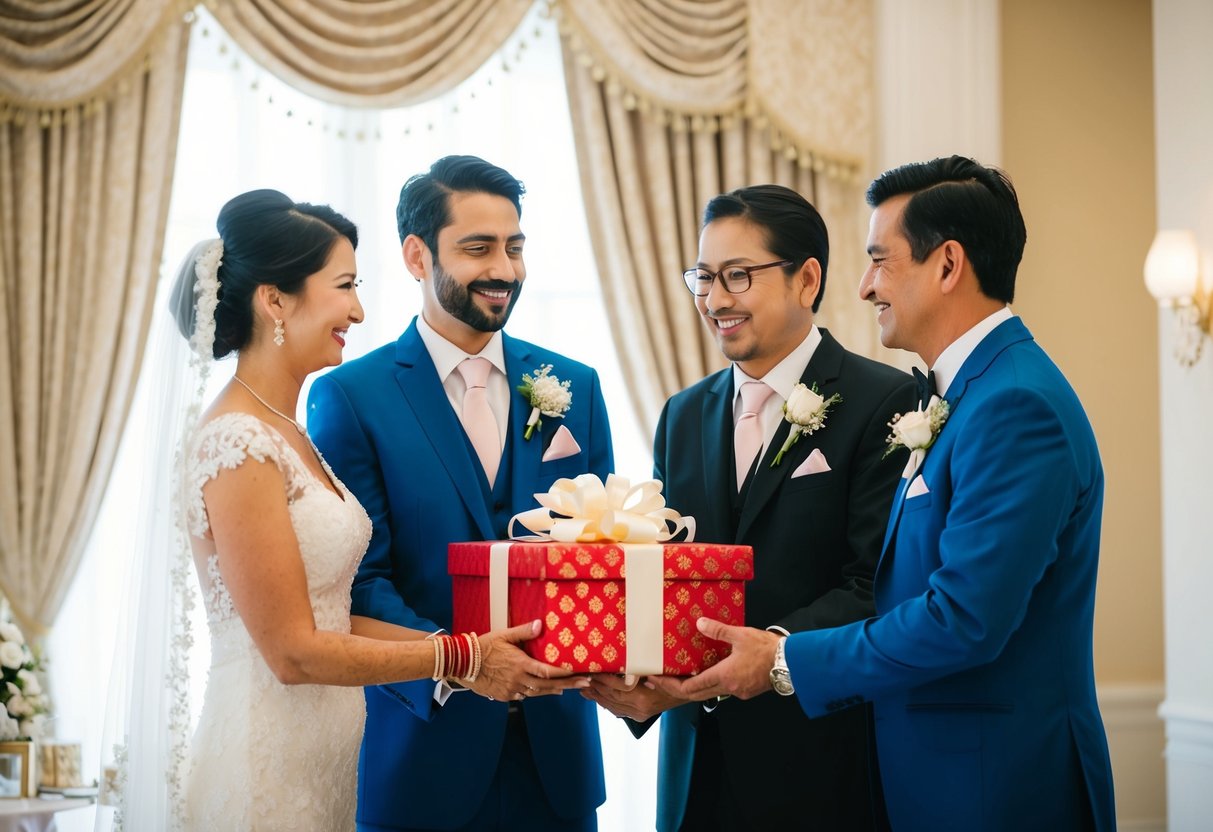
The groom’s parents play an important role in wedding celebrations, influencing traditions and etiquette. Their involvement can vary from financial contributions to emotional support throughout the planning process.
Historical Context of Family Contributions
Traditionally, the parents of the groom have specific responsibilities and contributions. In many cultures, the groom’s parents were expected to cover costs such as the rehearsal dinner and assist with other expenses. This reflects the family’s connection to the couple and supports their union.
In family traditions, the groom’s parents often take part in events leading up to the wedding. This included meeting the bride’s parents and collaborating on guest lists. Their role was seen as a symbol of solidarity and support for the new couple.
Modern Expectations and Etiquette
Today, wedding etiquette has evolved. Many couples now discuss their plans with both sets of parents to clarify roles and responsibilities. You may find that the groom’s parents help plan significant events like the rehearsal dinner.
While the financial contributions can vary, many consider gifts for the couple. Some families might help pay for part of a honeymoon or purchase wedding gifts that can assist the couple’s new life together. Clear communication about these expectations can make the process smoother and strengthen family connections.
Determining Appropriate Wedding Gifts

Choosing the perfect wedding gift for the couple can be a delightful process. It’s important to think about their needs and what would hold sentimental value for them. Here’s how to approach selecting a meaningful and thoughtful gift.
Assessing the Couple’s Needs and Preferences
Start by looking at the couple’s preferences. Many couples register their desired items on a wedding registry. Check their registry to find gifts they truly want. This way, you know your choice will be appreciated.
Consider their lifestyle as well. Are they avid travelers or homebodies? Personalized gifts, like custom jewelry or unique kitchen gadgets, can be great options.
You can also think about practical gifts. Items like high-quality cookware or stylish home decor can make their lives easier. Knowing what they need allows you to pick a gift they’ll use and love.
Incorporating Sentimental Value with Gifts
Sentimental gifts often mean the most to couples. Consider sharing a family heirloom, such as jewelry or a cherished piece from your family. This can create a special bond and keep traditions alive.
If you want to go a different route, think about meaningful gifts that reflect their relationship. A custom photo album or a framed picture of them can hold lasting memories.
Make sure your gift feels personal. Write a heartfelt note explaining why you chose that gift. This adds a thoughtful touch that makes your present even more special. By focusing on personal experiences, you’ll ensure your gift is remembered for years to come.
Gift Ideas and Considerations for the Groom’s Parents
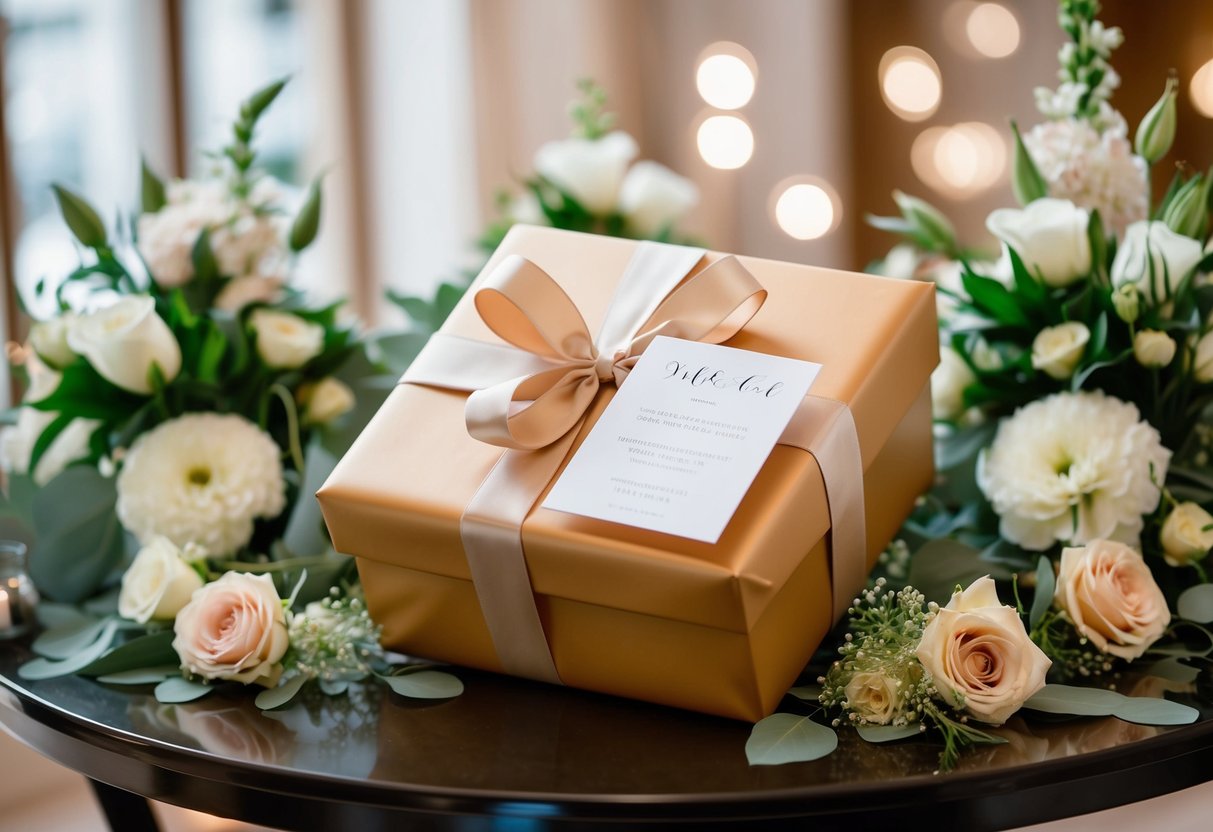
When choosing a wedding gift, the groom’s parents can mix practicality with sentimentality. It’s a great chance to show love and support while honoring family traditions. Here are two types of gifts to consider.
Practical Gifts vs. Sentimental Presents
Practical gifts are always appreciated, especially items that the couple can use in their everyday lives. Consider quality cookware or furniture that would suit their lifestyle. These gifts not only help the couple set up their new home but also reflect thoughtful consideration.
On the other hand, sentimental presents hold immense value. A personalized photo album can capture memories from their big day, creating a cherished keepsake. Gifts that represent commitment and love, like custom art or engraved items, are heartfelt gestures of goodwill. Balancing both options shows you care about their future and their journey together.
Unique Family Heirlooms and Traditions
Honoring family traditions can add a meaningful touch to your gift. Consider passing down a family heirloom that carries a story or memories. This can be anything from a piece of jewelry to a special cookbook that has been in the family for generations. Such items hold sentimental value and create a deeper connection between families.
Sharing traditions can also include experiences. Perhaps you can offer to host a family dinner with recipes passed down through generations. This gesture reinforces the bond and shows the couple the importance of family ties. These unique gifts demonstrate your love and support as they start their new life.
Addressing Financial Contributions and Wedding Expenses

Understanding how the parents of the groom contribute financially can clarify expectations for everyone involved. Financial support can take various forms, impacting the couple’s overall wedding budget and planning process.
When Monetary Support Takes the Place of Gifts
Sometimes, the groom’s family might choose to provide monetary support instead of a traditional wedding gift. This can help cover specific wedding expenses, such as the reception or ceremony.
Many parents help with costs like groomsmen’s attire or even the bride’s bouquet. This reflects their excitement and commitment to welcoming the bride into the family. Your financial contributions can make a significant difference, especially if you have a specific budget in mind.
Instead of a physical gift, a cash gift can be used for savings or to finance a special project, like a honeymoon or future home. Whatever the decision, make sure it feels right for your family situation.
Managing Expectations Around Financial Help
Managing expectations regarding financial help is important. Discuss openly what you can contribute before the wedding planning begins. This will help avoid any misunderstandings later.
Be clear about your financial situation and any limits you may have. This sets the stage for a positive experience. Communication with the bride’s parents is also essential to coordinate contributions harmoniously.
If you do decide to contribute, consider sending a thoughtful thank-you note afterward. This gesture shows appreciation for the couple and keeps relationships strong.