
Do the Bride’s Parents Give the Groom a Gift? Tradition and Etiquette Explained
In the vibrant world of wedding planning, many people wonder about the gesture of the bride’s parents giving a gift to the groom. While there is no strict rule, it is a thoughtful tradition for the bride’s parents to offer a gift to the groom, often as a warm welcome into their family.
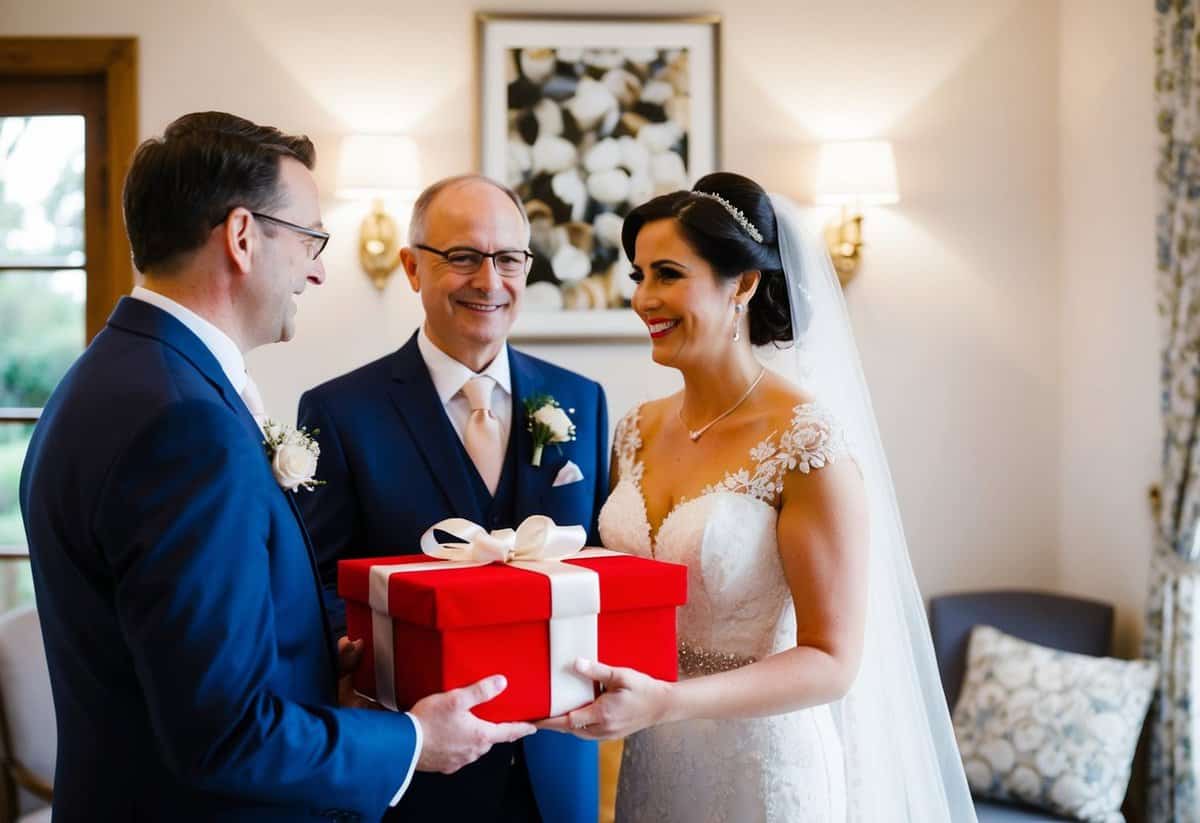
This gesture could range from something sentimental to practical, depending on the nature of the relationships involved. Jewelry, watches, or even items that hold personal significance are common choices, adding a special touch to the wedding celebrations.
Personalizing this gift can make it even more meaningful, reflecting the bond between families.
Understanding these customs helps both sets of parents navigate their roles in this joyous occasion. As they become a larger family unit, the exchange of gifts can symbolize unity and goodwill, setting a positive tone for relationships moving forward. For more insight into what gifts might be appropriate, consider exploring this guide to wedding gifts from the bride’s parents.
Tradition and Etiquette
In weddings, traditions and etiquette guide families in how they interact and support the couple. These customs often outline who is responsible for different aspects, like gifts and payments, helping create a balanced contribution between families.
Role of Family Traditions
Family traditions play a big role in weddings. They often determine how families exchange gifts and show support for the couple. The bride’s parents commonly give wedding gifts that might include contributing something significant, like furnishing a home or offering monetary support. Such gestures reflect longstanding customs passed through generations.
Traditionally, the groom’s parents might also feel compelled to give a gift that symbolizes the union of the two families. It’s important to remember that these practices can vary widely based on cultural and personal preferences, and modern families can adapt traditions to fit their needs.
Understanding Wedding Etiquette
Wedding etiquette provides guidelines for interactions between families during the wedding process. It commonly suggests gift-giving roles, like what the bride’s or groom’s parents are expected to contribute.
According to traditional etiquette, sometimes the bride’s parents may cover parts of the wedding expenses. This can include anything from the rehearsal dinner to wedding-day logistics.
Etiquette also extends to how families communicate and respect each other’s customs. It’s important to have clear communication to ensure everyone is aligned with expectations and traditions. This creates harmony during the wedding journey, allowing both sides to celebrate together with understanding and cooperation.
Choosing the Right Gift

When selecting a gift for the groom, the bride’s parents might want to focus on creating a lasting, heartfelt impact. This involves considering gifts rooted in emotion or tradition, as well as exploring contemporary options that align with the couple’s lifestyle.
Emphasizing Sentimental Value
A sentimental gift can leave a lasting impression on the groom. It might be something that symbolizes a shared family experience or milestone. A photo album capturing moments shared between the bride and groom can be treasured for years. Another idea is a piece of jewelry engraved with a meaningful date or message.
Such gifts convey love, appreciation, and a welcoming gesture into the family. Sentimental tokens often carry an emotional weight that generic presents do not. They highlight a strong bond and emphasize thoughtfulness over material value. Personal touches ensure the gift is memorable and cherished.
Considering Heirlooms
Passing down a family heirloom is a cherished tradition. These items hold stories and memories that connect the couple to their family’s past. Heirlooms might include jewelry, watches, or even antique furniture. They serve as a reminder of the family’s legacy and bond.
Choosing the right heirloom involves understanding its history and significance. It’s not just about gifting an old item; it’s about sharing its story and why it matters. Discussing this with the groom can create a deeper connection. It demonstrates trust and inclusion, making him feel like part of the family.
Exploring Modern Alternatives
While traditional gifts have their charm, modern alternatives offer more flexibility. These gifts can reflect the groom’s interests or the couple’s lifestyle.
Consider gadgets or experiences they can enjoy together, like a cooking class or concert tickets. Such choices can create new memories and strengthen their bond.
Another idea is a contribution to a charitable cause the groom supports. This not only respects his values but also signifies a thoughtful gesture.
Opting for modern gifts can also incorporate technology, like a digital photo frame filled with memories. Balancing tradition and modernity can create a meaningful gift that is both timely and timeless.
Pre-Wedding Events and Gifts
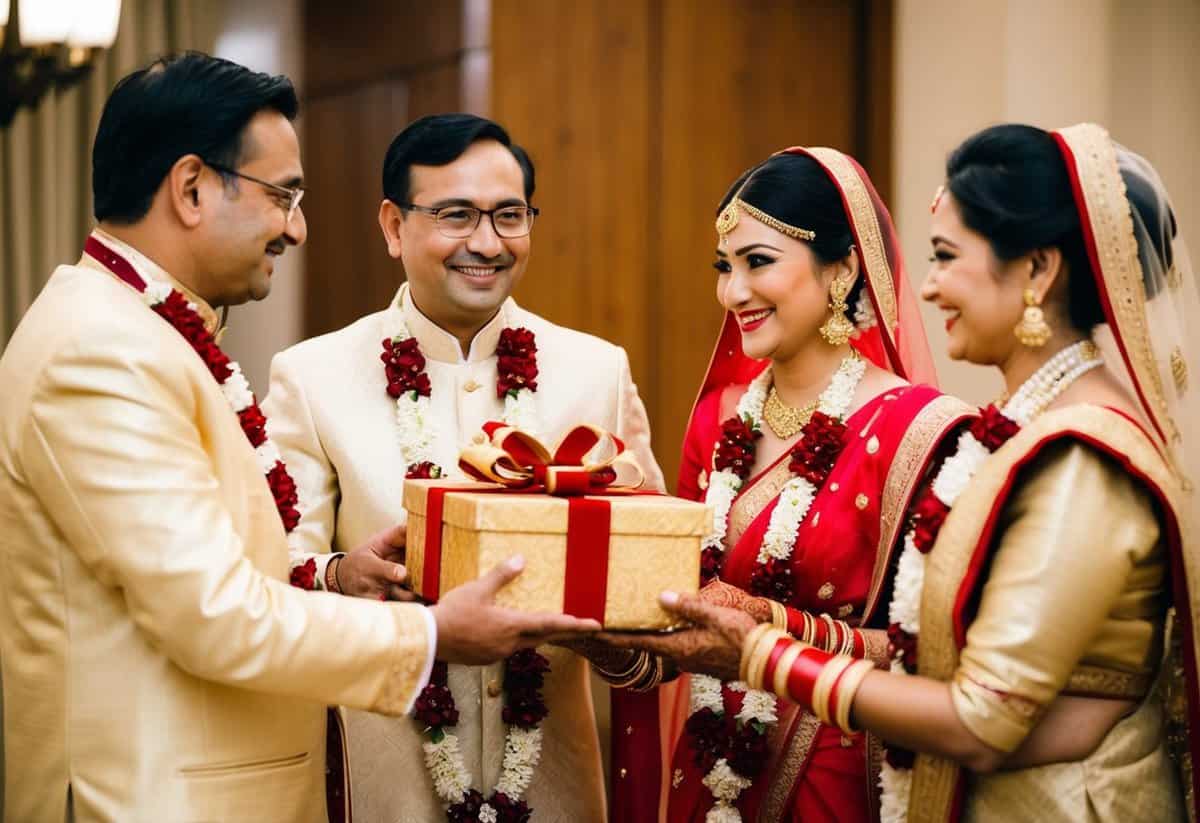
Pre-wedding events offer wonderful opportunities for the bride’s parents to show support and contribute meaningfully to the celebrations. These gatherings, including bridal showers and engagement parties, are often marked by thoughtful gifts that reflect excitement and love for the couple.
Bridal Shower Contributions
The bridal shower is an event where the bride’s parents can shine. Often held weeks before the wedding, this gathering focuses on celebrating the bride and her journey into marriage. The bride’s parents might choose to co-host the event or contribute by organizing activities or catering.
Gifts presented at the bridal shower can range from personal items for the bride to practical gifts for the couple’s home.
Common gifts include personalized keepsakes, home goods, or even contributions toward the honeymoon fund. Personal touches, like handmade items or heirloom pieces, add extra sentimentality.
Some parents also choose to provide financial support to help cover shower expenses, showcasing their commitment to making the day special for their daughter.
Engagement Party Presents
Engagement parties mark the official start of wedding festivities. For this reason, the bride’s parents often play a key role. They might host the party or help with planning and logistics.
When it comes to gifts, the options are varied. Presents at this stage could be simple yet meaningful.
Items such as bottles of wine or framed photos are popular choices. These gifts celebrate the couple’s union and upcoming journey together. Often, the gesture is more about showing enthusiasm for the commitment than the actual gift itself. The presence and support of family and friends are often the highlights of the celebration.
Rehearsal Dinner Roles
The rehearsal dinner typically takes place the night before the wedding and serves as a time for the couple and their families to unwind and bond. The bride’s parents may contribute by organizing or hosting the dinner.
Their involvement might include choosing the menu, arranging the venue, or planning a small program of speeches and toasts.
Gifts are not a central part of the event, but small tokens of appreciation for guests and the couple can be a nice touch. Sometimes, personalized notes or small favors are given to make attendees feel valued. The dinner provides one last chance for both families to connect more intimately before the big day.
Managing Wedding Expenses
Balancing wedding expenses can be tricky for both families. It’s important to allocate costs wisely while staying mindful of budgeting for gifts and other essentials.
Allocating Costs Between Families
Traditionally, the bride’s family pays for the bulk of the wedding expenses. These typically include the ceremony, reception, and invitations.
On the other hand, the groom’s family often handles costs like the rehearsal dinner and possibly the flowers or music for the reception.
Nowadays, many families share expenses more equally. Some couples and their parents prefer to decide who pays for what based on individual financial situations.
Communication is key. Early discussions about wedding costs can prevent misunderstandings and help both families contribute in a way that feels fair to everyone involved.
Gift Budgeting Tips
When planning gifts, it’s crucial for families to set a clear budget from the start.
The bride’s parents might decide to give a significant wedding gift, like contributing to the couple’s new home setup, which could include furniture or appliances. Groom’s parents might choose to give something that reflects their family’s traditions or values.
Creating a gift list can help keep spending in check. Consider what’s meaningful rather than what’s costly.
Families can focus on gifts that hold sentimental value or opt for practical choices like gift cards to assist the couple with their new life together. This approach not only manages expenses wisely but also adds personal touches to the wedding gift giving.
Gift Ideas and Inspiration

When choosing a gift from the bride’s parents to the groom, the focus should be on thoughtfulness and creating lasting memories. Finding a present that resonates with the groom’s interests or the couple’s journey together can make the gesture even more special.
Finding a Thoughtful Present
Selecting a gift that reflects the unique bond between the bride’s family and the groom is key. Consider gifts with personal touches or significance.
Personalized items: Custom gifts like a monogrammed wallet or personalized cufflinks can be a sophisticated choice.
Experience gifts: Tickets to a concert or a weekend getaway can surprise and delight. This also creates shared memories.
Gift registry: Checking the couple’s gift registry can offer insights into what they desire or need, ensuring the gift fits perfectly into their new life together.
Thinking outside of traditional gifts and focusing on the groom’s personality or hobbies can create a meaningful connection.
Creating a Lasting Memory
Creating a lasting memory through a gift can make the wedding celebration even more unforgettable. Gifts that people cherish often become a symbol of love and family dynamic.
Photo album: A specially curated photo album can be a heartfelt keepsake. It captures cherished moments of the couple’s relationship.
Artistic memento: Commissioning a piece of art or sculpture can add a unique touch. It can represent the couple’s union.
Legacy items: Passing down a family heirloom can deepen family ties and add historical depth to the momentous occasion.
Focusing on what will have a lasting impact helps bridge families and create a foundation of shared experiences and memories.