
Do Parents Sit Together at Rehearsal Dinner? Navigating Family Seating Arrangements
At a rehearsal dinner, seating can be just as significant as the menu or décor. Typically, the parents of the couple do sit together, often close to the bride and groom. This seating arrangement helps honor their role in the wedding while allowing them to connect with each other before the big day.
It’s a perfect opportunity for mingling and building relationships within the family.

You might wonder how to approach seating at this pre-wedding gathering. Keeping a seating chart can help guests know where to go, especially if you have a larger group.
It’s a good practice to consider how well everyone knows each other, as well as any special dynamics that might influence seating choices.
Following proper rehearsal dinner etiquette is essential for creating a warm and inviting atmosphere. By giving thought to how you arrange the tables, you set the tone for a memorable evening filled with laughter and connection before the wedding rehearsal.
Understanding Rehearsal Dinner Basics

Rehearsal dinners are a special time to gather before the big day. They serve important purposes like bringing together family and friends while giving everyone a chance to connect.
The Purpose of a Rehearsal Dinner
The rehearsal dinner happens after the wedding rehearsal, and it acts as a pre-wedding celebration. This event allows the wedding party to practice their roles. It also gives immediate family, close friends, and out-of-town guests a chance to bond.
You can expect speeches and toasts. This is a great opportunity for personal stories from family and friends. Sharing these moments creates lasting memories and strengthens relationships.
Additionally, it’s a way to show gratitude. Couples often thank their parents, wedding party members, and others who helped with the wedding plans.
Who Attends the Rehearsal Dinner
Typically, the guest list includes the wedding party and their partners. You should also invite immediate family members, such as parents and siblings. Close friends are important too, especially those who play a role in your wedding.
Consider including out-of-town guests to make them feel welcomed. They often travel far, so this event can feel like a warm reunion.
Keep in mind that extended family is often invited as well. However, you can prioritize those closest to you when setting up seating arrangements.
Planning the Seating Arrangements
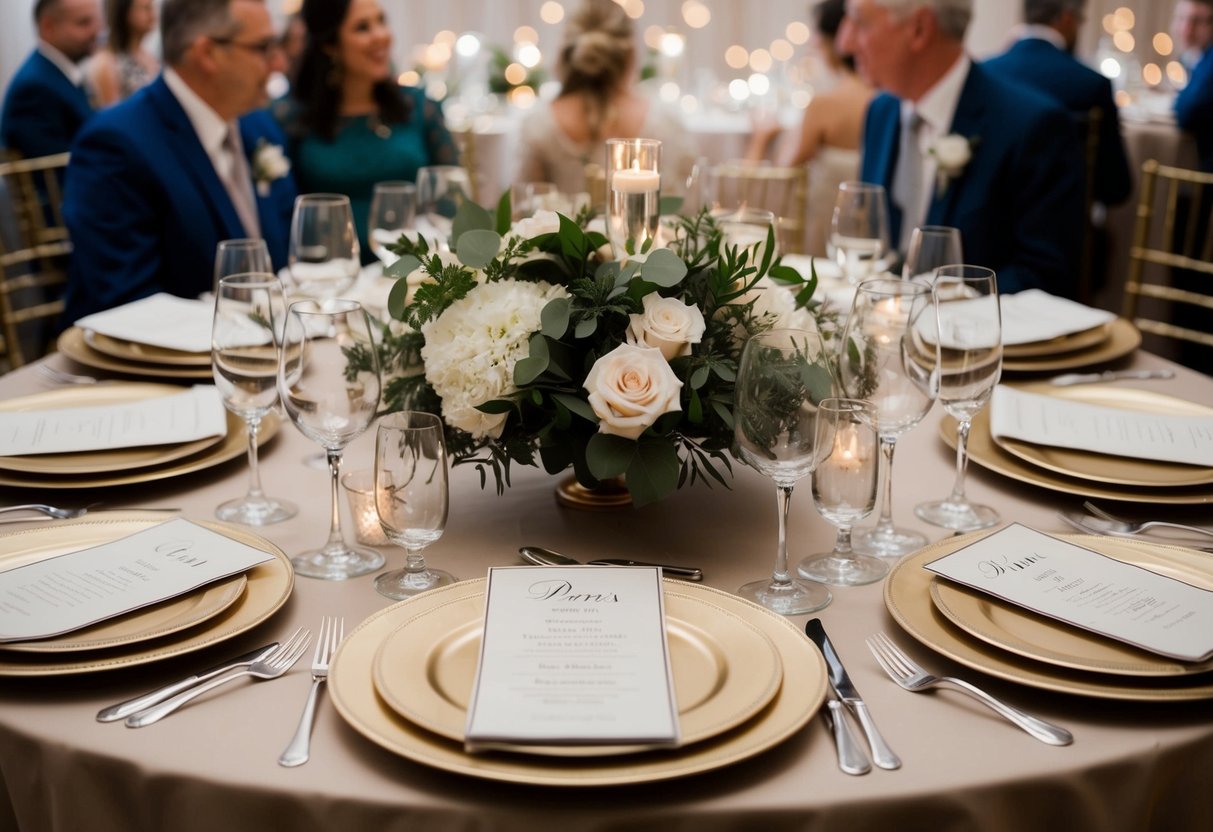
Creating a comfortable and enjoyable atmosphere at your rehearsal dinner starts with careful planning of the seating arrangements. It’s important to think about family dynamics, guest lists, and how everyone will fit together to ensure a pleasant gathering.
Creating a Seating Chart
Begin by making a guest list that includes family members, the wedding party, and any other significant guests. A comprehensive list will help you visualize who will be there.
Once you have your list, you can start drafting a seating chart. Consider using tools like paper and pencil, or online seating chart creators to organize the layout easily.
Think about grouping people who get along well, such as cousins, friends, and family. For instance, place the maid of honor and best man close to the couple, along with their respective partners.
Seating Arrangement Considerations
As you plan, think about family dynamics. If there are any tense relationships, you might want to keep those guests separated.
It could be helpful to seat grandparents near the couple to celebrate the moment. Also, consider seating single guests together to encourage new friendships.
Another idea is to create a head table for the couple, along with their groomsmen, bridesmaids, and their partners. This arrangement allows for good conversations and special moments.
Avoid overcrowding by ensuring that there is enough space between the tables, allowing guests to move freely.
Seating for Parents of the Couple
Parents of the bride and groom should be given special consideration in the seating plan. Traditionally, they sit close to the couple, which signifies their importance on this occasion.
You might want to seat them at the head table or at a special table nearby.
If both sets of parents are divorced or have complicated relationships, you can create separate tables for each side. Just ensure each table has a good mix of family members and friends to keep the mood light and enjoyable.
Be mindful of grandparents, making sure they have comfortable seating and that they can engage easily with everyone. Planning thoughtfully will help create a warm atmosphere for all.
Rehearsal Dinner Etiquette
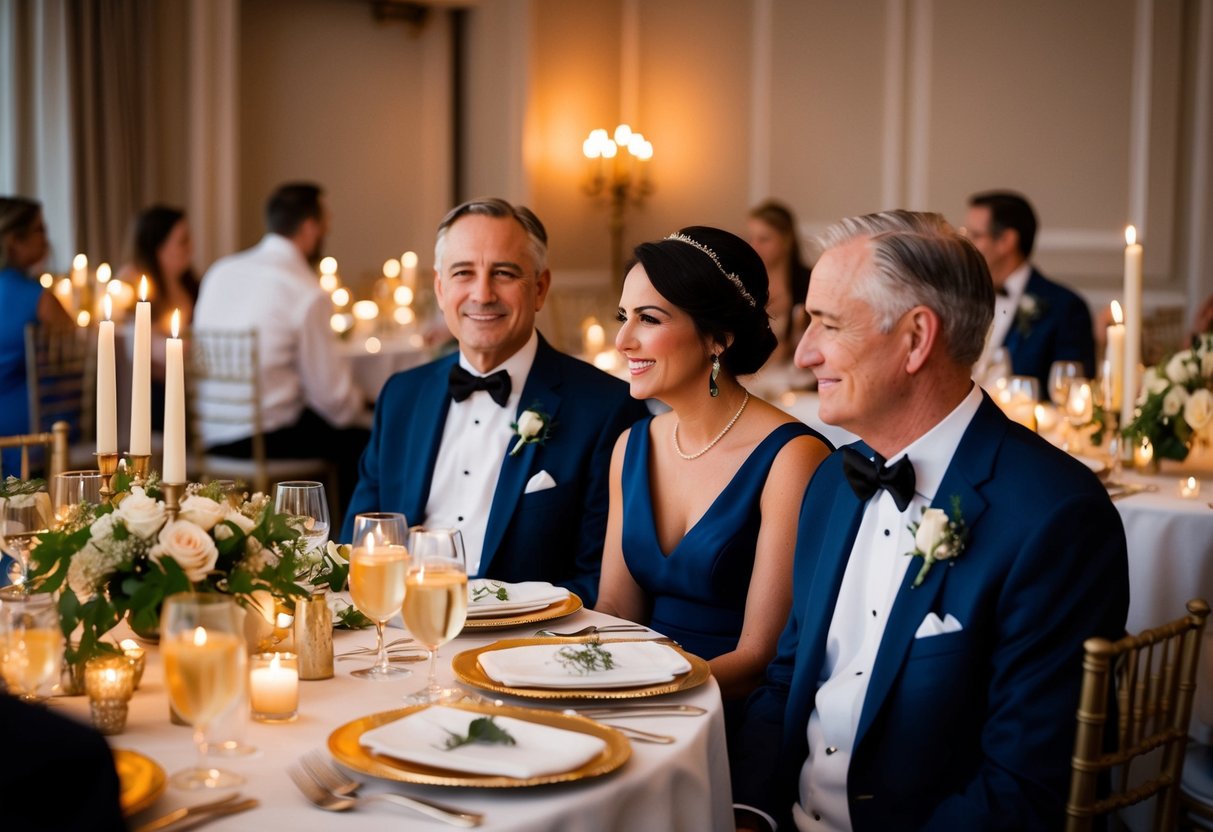
Navigating the etiquette of a rehearsal dinner can help make your celebration smooth and enjoyable for everyone. From toasts to seating arrangements, knowing what to do will ensure that your guests feel welcomed and appreciated.
The Role of Toasts and Speeches
Toasts at the rehearsal dinner are an important part of the event. They allow family and friends to share their love and thoughts about the couple.
Traditionally, the groom’s parents often start with a welcome toast.
You may also want to include speeches from the maid of honour or best man. Keep these brief—aim for 2 to 3 minutes. This gives everyone a chance to speak without dragging on.
Encourage heartfelt messages, but avoid embarrassing anecdotes to keep the mood light and celebratory.
Managing Family Expectations
Family dynamics can be tricky, especially when planning a rehearsal dinner.
Remember that the groom’s parents typically host the event, as tradition suggests they cover the costs. However, don’t hesitate to involve both families in discussions about the guest list and preparations.
Get input on who to invite. Often, close family and wedding party members are included. This might include parents, siblings, grandparents, and the maid of honour.
Clear communication can help avoid misunderstandings and ensure everyone feels included in the celebration.
Invitation and RSVP Guidelines
When sending out rehearsal dinner invitations, it’s essential to ensure everyone feels invited.
If you have a large wedding party, consider inviting them along with their partners. Create an atmosphere where everyone feels welcome.
Make the RSVP process simple. Clearly state the date and location on the invitation and include a way for guests to respond, like an email or phone number.
It’s polite to ask for RSVPs a few weeks before the event. This helps you plan seating arrangements, including who sits at the head table, where you can place parents and special guests comfortably.
Financial Considerations
When planning the rehearsal dinner, financial aspects are key. Understanding who pays for the dinner and how to budget effectively can help you manage costs and avoid stress.
Understanding Who Pays for the Rehearsal Dinner
Traditionally, the groom’s parents cover the cost of the rehearsal dinner. However, this can vary based on family dynamics and preferences.
In some cases, the couple might choose to share the expenses or involve close friends and family in the planning.
It’s essential to discuss financial responsibilities early on. Open conversations can prevent conflicts later.
You want everyone involved to know what to expect, making the planning process smoother.
How to Budget for Your Rehearsal Dinner
Creating a budget for your rehearsal dinner is crucial. Start by deciding on the size and style of the event. This can range from a casual get-together to a more formal dinner.
A simple way to outline your budget is:
- Venue Costs: Consider rental fees if you’re not hosting at home.
- Meal Type: Will it be plated, buffet, or a potluck style?
- Beverages: Factor in drinks for guests.
- Extras: Don’t forget decorations and any entertainment options.
Once you set a budget, prioritize necessities first. It’s easy to get carried away while planning, but staying on track helps keep your overall wedding budget intact.
Keeping your rehearsal dinner budget aligned with your wedding budget can lead to a more enjoyable experience without financial stress.