
Do People Pay for Their Own Drinks at a Wedding? Understanding Wedding Reception Etiquette
When you think about weddings, a lot of details come to mind. From the venue to the cake, each choice can affect your big day. One question that often comes up is: do guests typically pay for their own drinks at a wedding with a cash bar?
While some couples choose to host an open bar where they cover all beverage costs, others may opt for a cash bar to save money. This decision can impact how your guests feel about the celebration. Understanding the etiquette around drink payments can help you plan your wedding with confidence.
Whether you’re planning your own wedding or attending one, knowing the answer can make a difference. Guests might love the chance to celebrate with drinks, but it’s helpful to know who’s footing the bill.
Understanding Wedding Bar Options
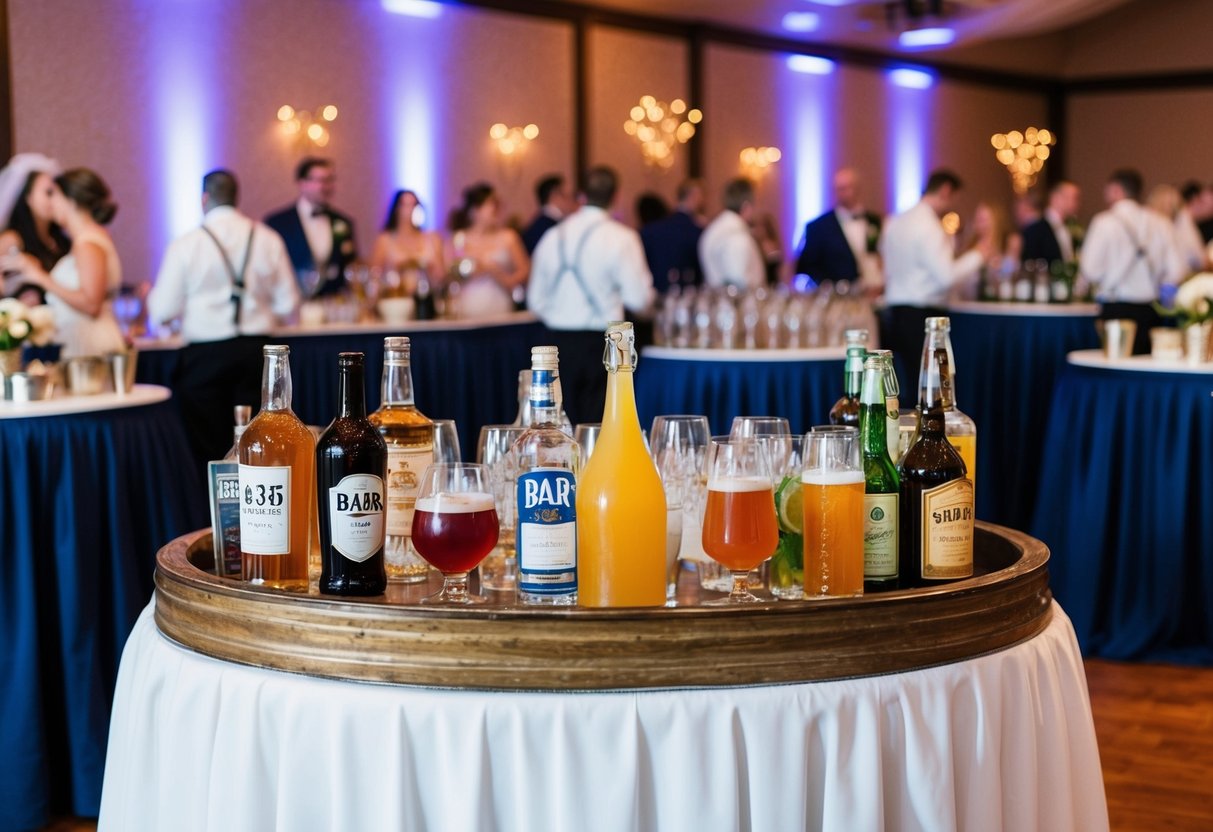
Choosing a wedding bar option can set the tone for your celebration. Whether you want guests to enjoy free drinks or prefer them to buy their own, knowing your choices is essential.
Open Bar vs Cash Bar
An open bar allows your guests to enjoy drinks without paying. This option offers great convenience and variety, including beer, wine, and cocktails. It can create a festive atmosphere but comes with higher alcohol costs. If you expect a large number of guests, consider setting a time limit for the open bar to manage expenses.
On the other hand, a cash bar means guests pay for their own drinks. This option is budget-friendly for you, but it might not sit well with all guests. If you choose this route, ensure to inform them beforehand. It’s a good idea to offer some complimentary non-alcoholic drinks to keep everyone happy.
Limited Bar and Specialty Drinks
A limited bar provides a balance between an open and cash bar. Here, you may offer select drinks like beer, wine, and signature cocktails. This option reduces costs while still allowing your guests to enjoy a few free drinks. Specialty drinks can add a personal touch, as you can create cocktails that reflect your style or love story.
Additionally, consider providing a variety of non-alcoholic drinks. Options like sparkling water and soda are great inclusions, ensuring everyone has something to enjoy, whether they drink alcohol or not. This thoughtful touch can enhance the overall experience for your guests.
Planning Your Wedding Drink Menu
Creating the perfect drink menu is essential for your wedding. It adds fun, personality, and a memorable experience for your guests. You’ll want to think about crafting a signature cocktail, choosing a variety of drinks, and determining how much to serve.
Crafting a Signature Cocktail
A signature cocktail can set the tone for your wedding. It’s a fun way to reflect your style as a couple. Choose a drink that has meaning to you, like the first drink you shared on a date.
Work with your wedding planner or bartender to ensure the cocktail is easy to prepare. Keep the ingredients simple to avoid confusion during the event.
Tip: Consider using a fun name. For example, “Love Potion” or “Happily Ever After.” This little touch adds a personal flair.
Selecting Beer, Wine, and Non-Alcoholic Beverages
Your drink menu should offer a variety of choices. Include a selection of beer and wine for those who enjoy traditional options. Pair these choices with your wedding meal for a cohesive experience.
Make sure to offer options for non-alcoholic beverages as well. Sodas, sparkling water, and mocktails can keep everyone included, especially designated drivers or non-drinkers.
Example Options:
- Beer: Light lager and IPA
- Wine: A red and white choice
- Non-Alcoholic: Lemonade and iced tea
Determining Drink Quantities
Knowing how much to serve can be tricky. A general rule of thumb is to estimate about two drinks per person for the first hour and one drink for each subsequent hour.
Communicate with your wedding planner about the total guest count. This helps you plan better and avoid running low on drinks.
Tip: Considering the time of day can influence drink needs. For example, afternoon weddings might require less alcohol than evening ones.
This approach helps ensure your drink menu is enjoyable and well-prepared, allowing you and your guests to celebrate together!
Budgeting for Wedding Beverages
When planning your wedding, budgeting for beverages is crucial. You need to decide how much to spend, what type of drinks to serve, and whether or not guests will be paying for their drinks. Below are some key aspects to consider that can help you make informed decisions.
Calculating Alcohol Costs
Start by estimating the quantity of alcohol needed based on your guest list. On average, guests consume about two drinks in the first hour and one drink per hour afterward. Keep this in mind when planning.
Here’s a simple formula to calculate your total alcohol costs:
- Estimate the number of guests.
- Decide on drink types (beer, wine, cocktails).
- Multiply the number of drinks by their average price per drink.
For instance, if you expect 100 guests and plan for 4 drinks each at an average cost of £5 per drink, the total cost would be £2,000. This approach ensures you stay within your overall wedding budget.
Tips for Managing a Limited Bar Tab
If you’re working with a limited budget, consider setting up a limited bar tab. This method allows you to provide a selection of drinks without overspending. Here are some tips for effective management:
- Choose a few signature cocktails. This can create a fun atmosphere without offering an extensive drink menu.
- Limit the types of alcohol. Focusing on beer, wine, and a couple of spirits can simplify choices and cut costs.
- Set a spending limit for the bar and inform your bartender. Once you reach that point, consider switching to a cash bar where guests pay for their own drinks.
Understanding Toonie Bars
A toonie bar is an excellent option for keeping costs down. Guests pay a set amount, usually $2 (a toonie), for drinks. This method fosters a more casual atmosphere and helps manage your wedding expenses.
Here’s how to set up a toonie bar:
- Inform guests ahead of time. This prepares them for the payment structure.
- Provide a clear menu of options available for $2. This can include beer, wine, and a couple of mixed drinks.
- Consider placing tip jars at the bar. Guests might tip bartenders for good service, helping to keep the energy positive.
A toonie bar lets you enjoy your celebration while maintaining control over your beverage budget.
Communicating Drink Options to Guests
It’s important to clearly communicate drink options to your wedding guests. This helps set expectations and ensures everyone is informed about what to expect regarding their beverages.
Wedding Invitations and Websites
When you send out your wedding invitations, it’s helpful to include details about your drink arrangements. You can simply state if guests should plan to purchase their own drinks.
For example, you might use friendly wording like: “We’re excited to celebrate! Please note that drinks will be at your expense.”
If you have a wedding website, this is a great place to elaborate. Include a section on drink options and mention any specifics, like if it’s a cash bar or if you will be using drink tickets. This way, your guests have all the info they need ahead of time.
Considerations for Cash Bars
If you decide to have a cash bar at your wedding, let your guests know. This helps everyone prepare for the cost of drinks. You can phrase this on your invitation or website like: “Join us for a fantastic evening! Drinks will be a cash bar, so bring along some extra cash.”
You might also want to anticipate questions by explaining how the cash bar will work. Mention if guests will have drink tickets or if they can pay directly at the bar. Being clear about these details will keep misunderstandings at bay and help everyone enjoy themselves!