
Do People Still Do Rehearsal Dinners? Exploring Modern Wedding Traditions
As you plan your wedding, you might wonder if people still have rehearsal dinners. Yes, many couples still choose to host rehearsal dinners as a way to celebrate and connect with their wedding party before the big day. This gathering not only allows everyone to relax and enjoy a meal together, but it also provides a chance to run through the details of the ceremony, making sure everyone is on the same page.

Rehearsal dinners often serve as a time for the families of the couple to meet and bond. It’s a wonderful opportunity to show appreciation to the wedding party and anyone who has helped during the planning process. While some couples may opt for a simple gathering, others might go all out with decorations and themed meals to reflect their love story.
Whether you choose something casual or a bit more formal, having a rehearsal dinner can add a personal touch to your wedding experience. It sets the stage for the celebrations to come and creates lasting memories before you say your vows.
The Essence and Evolution of Rehearsal Dinners
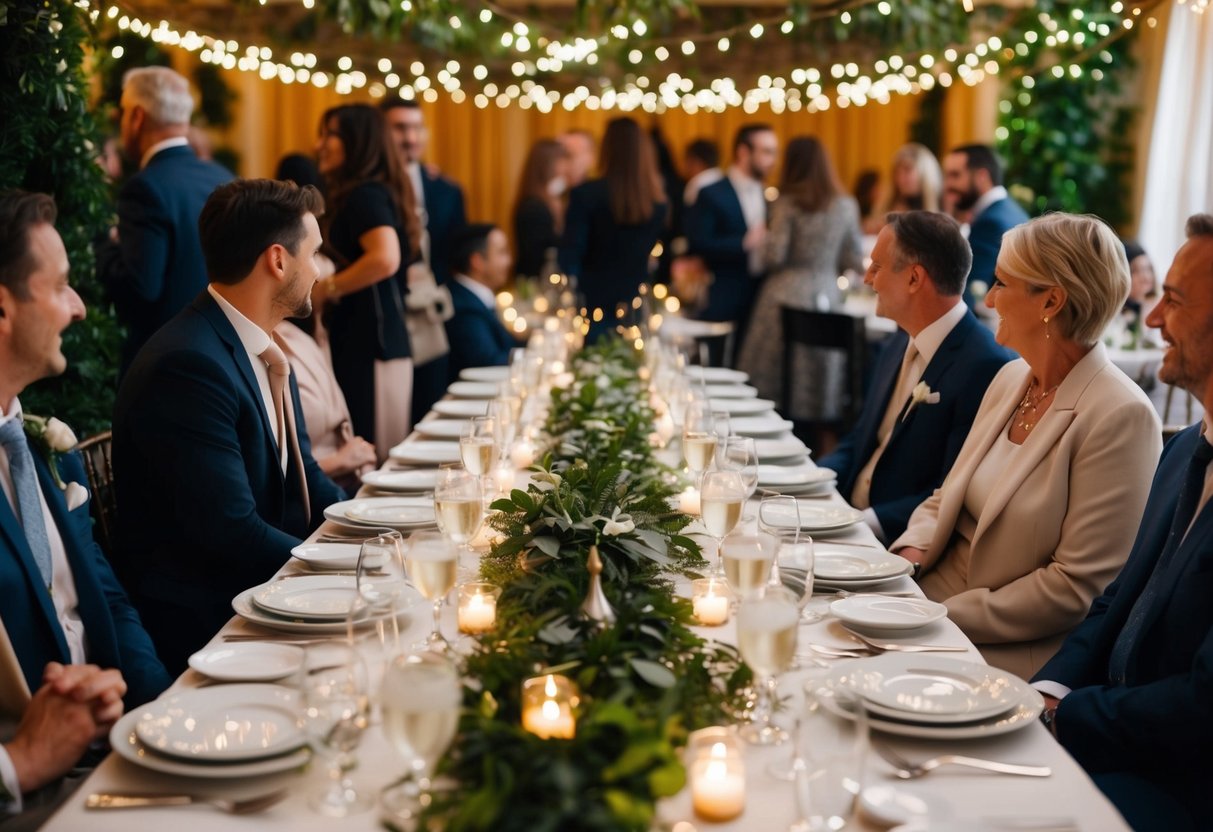
Rehearsal dinners have a rich history that adds depth to your wedding experience. These pre-wedding events provide a chance for family and friends to connect in a relaxed atmosphere. Let’s explore what rehearsal dinners mean today and how modern couples are putting their own spin on this tradition.
Understanding the Rehearsal Dinner
A rehearsal dinner usually takes place the night before the wedding. It brings together the wedding party, family, and close friends. This event allows everyone to rehearse the ceremony details, ensuring smooth coordination for the big day.
Traditionally, it included a meal and speeches, fostering connections among loved ones. The setting can be formal or casual, depending on your preferences. For example, some choose a cozy family home, while others prefer a restaurant or banquet hall for a more upscale feel.
Modern Twists for Contemporary Couples
Many modern couples are rethinking the rehearsal dinner. Instead of a strictly formal event, you can embrace a style that reflects your personality. A casual barbecue or a themed party can make your gathering unique and fun.
Couples today might also invite more guests, turning the dinner into a larger welcome party. This allows for more relaxed interactions between families and friends. With these options, it’s easy to create an intimate setting that feels special without the pressure of formality.
Planning the Perfect Pre-Wedding Dinner
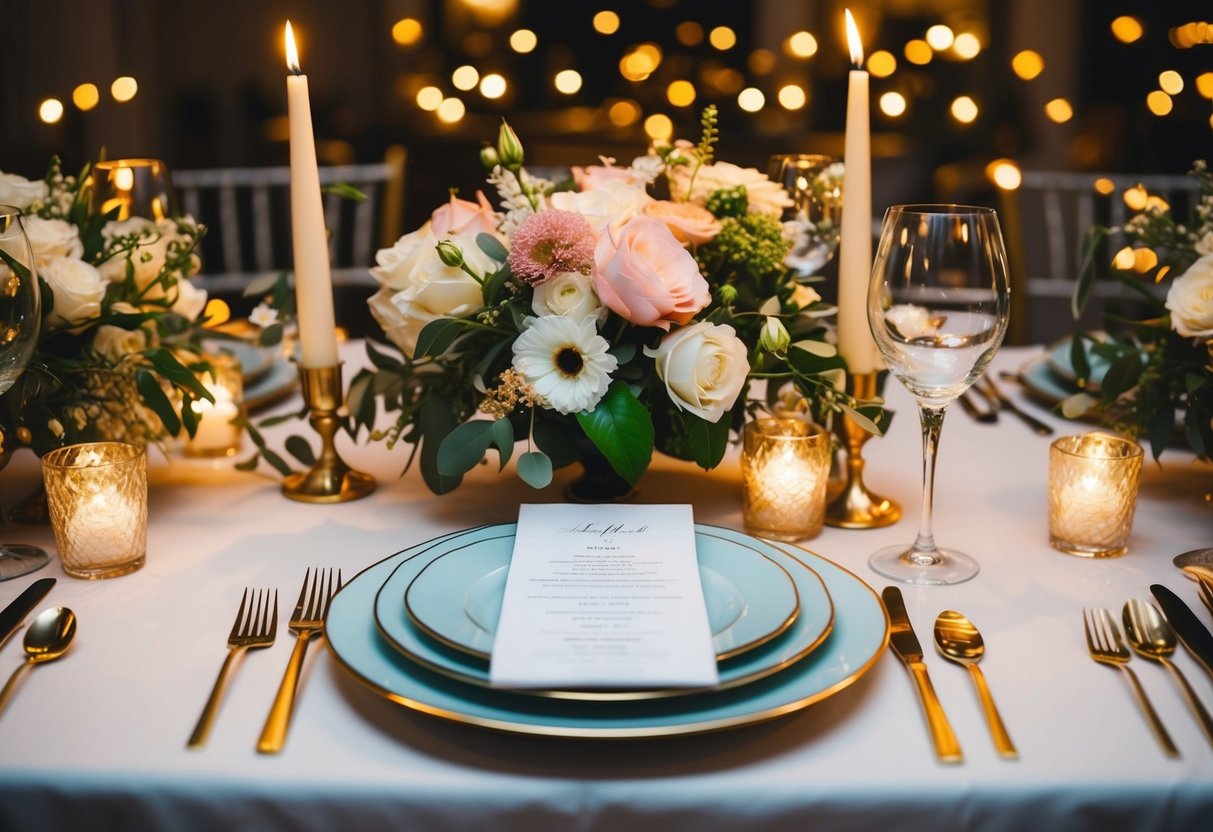
Planning a rehearsal dinner can be a fun part of your wedding festivities. It sets the tone for the big day and allows you to celebrate with loved ones. Here are some important steps to ensure everything runs smoothly.
Setting the Date and Venue
Choosing the right date is essential. The rehearsal dinner usually takes place the night before the wedding. It’s best to confirm the timing with all key participants, especially the wedding party.
Next, pick a venue that suits your style and budget. Popular options include homes, restaurants, or banquet halls. Make sure the venue can accommodate your expected headcount comfortably.
Consider the atmosphere you want to create. It might be casual, formal, or themed. Also, don’t forget to account for travel time if guests need to move from the rehearsal ceremony to the dinner venue. Clear communication about logistics will help everyone feel relaxed.
Crafting the Guest List
Creating your rehearsal dinner guest list is an important step. This list often includes immediate family, close friends, and the wedding party. You might also consider inviting significant others, even if they aren’t part of the wedding party.
Be mindful of your wedding budget. Typically, the guest list for the rehearsal dinner is smaller than the wedding guest list. Aim for a cozy gathering where everyone can enjoy each other’s company.
To make this easier, you can brainstorm names and then narrow them down based on your budget. Communicate openly with your partner and family about who should be invited. This conversation ensures that important people aren’t left out and helps keep peace within families.
Invitations and RSVPs
Once you have your guest list, it’s time for invitations. Rehearsal dinner invitations can be casual or formal, depending on the tone of your event. Make sure to send out the invites at least a month in advance. This allows guests to plan accordingly.
Include key details in the invitation: the date, time, venue, and dress code, if any. If you want to keep things simple, digital invitations are a great option. They can be sent quickly and are easy to track for RSVPs.
Encourage guests to RSVP by a specific date. This helps you finalize the headcount and plan the dinner schedule without stress. You can use a simple online tool or spreadsheet to organize responses.
Organizing the Dinner Schedule
Creating a dinner schedule will keep everything on track. Plan for the dinner duration, meal serving times, and any speeches or toasts. A relaxed timeline will allow everyone to enjoy the evening.
Start with a welcome drink or appetizer. This can help set a friendly vibe. After dinner, consider having a time for sharing memories or fun stories about the couple.
Check in with the caterer or venue about food options. Be mindful of guests’ dietary needs when planning your menu. Keeping everyone’s preferences in mind shows your consideration.
Making It Memorable
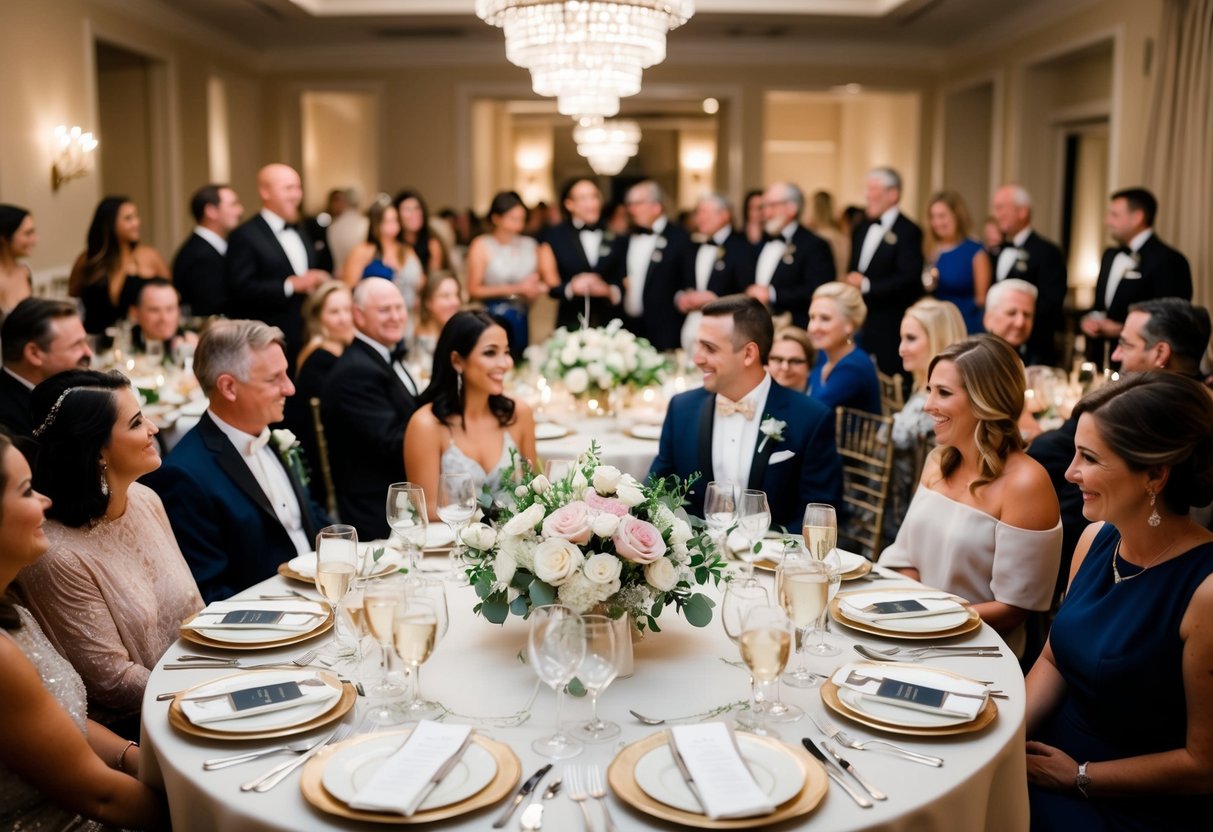
You want your rehearsal dinner to stand out and leave a lasting impression. By focusing on entertainment, creating a welcoming atmosphere, and paying attention to the finer details, you can make this event truly special.
Entertainment and Toasts
Incorporating fun entertainment can set the mood for your rehearsal dinner. You might consider games or trivia that relate to you and your partner. This can spark conversations and create laughter among your guests.
Don’t forget about toasts! A welcome toast can kick off the evening. It’s a chance for you or a family member to express gratitude to everyone attending. Include heartfelt or humorous stories that highlight your journey together. It makes the moment more personal and engaging.
Creating a Welcoming Atmosphere
The right atmosphere is crucial for a memorable event. Start by organizing a cozy seating chart that encourages mingling. Arrange tables in a way that promotes conversation, perhaps with picnic-style seating to add a casual vibe.
Use decorations that resonate with your wedding theme. String lights, candles, and floral arrangements can transform the space. Adding personal touches, like custom place cards, can make guests feel special and appreciated.
The Finer Details
Small details often make a big difference. Consider your menu—should it be a sit-down meal or a buffet? Make sure the selection caters to all guests’ tastes and dietary needs.
Think about simple yet effective touches. Perhaps provide a photo display that showcases your relationship milestones. You could also have a designated area for guests to leave notes or advice for the big day.
These thoughtful additions enhance the experience and create lasting memories for you and your loved ones.
The Big Day Prelude
A rehearsal dinner is a key part of the wedding weekend. It provides a chance for you, your bridal party, and your families to come together before the big day. This gathering helps set a fun, relaxed tone for the events to come.
Rehearsal Dinner’s Role in the Wedding Weekend
The rehearsal dinner typically takes place after the wedding ceremony rehearsal. You’ll want to gather everyone, including out-of-town guests, to celebrate your upcoming nuptials. This event is important for creating bonds between families and friends. It can help ease nerves and foster connections among your bridal party and family.
The groom’s family usually takes charge of organizing this dinner. They often cover the expenses, allowing you to focus on other wedding details. A thoughtful meal and heartfelt toasts can make this night memorable for everyone involved.
Cohesion with the Wedding Celebration
Your rehearsal dinner sets the stage for the wedding events that follow. It creates a sense of cohesion among guests, helping them feel comfortable before the actual wedding ceremony.
This easygoing evening can help everyone to unwind before the hustle and bustle of the next day.
Consider including personal touches, like sharing stories or favorite songs, to enhance the experience. It’s a great time to express gratitude to those who have supported you.
By the end of the night, your guests will feel more connected, making for a joyful wedding reception.