
Do Spouses Go to Wedding Rehearsal? Understanding Their Role in the Ceremony
When planning a wedding, you might wonder who should attend the rehearsal. Typically, spouses or significant others of the wedding party are invited to the rehearsal dinner and the rehearsal itself. This helps everyone bond and feel included as they prepare for the big day.
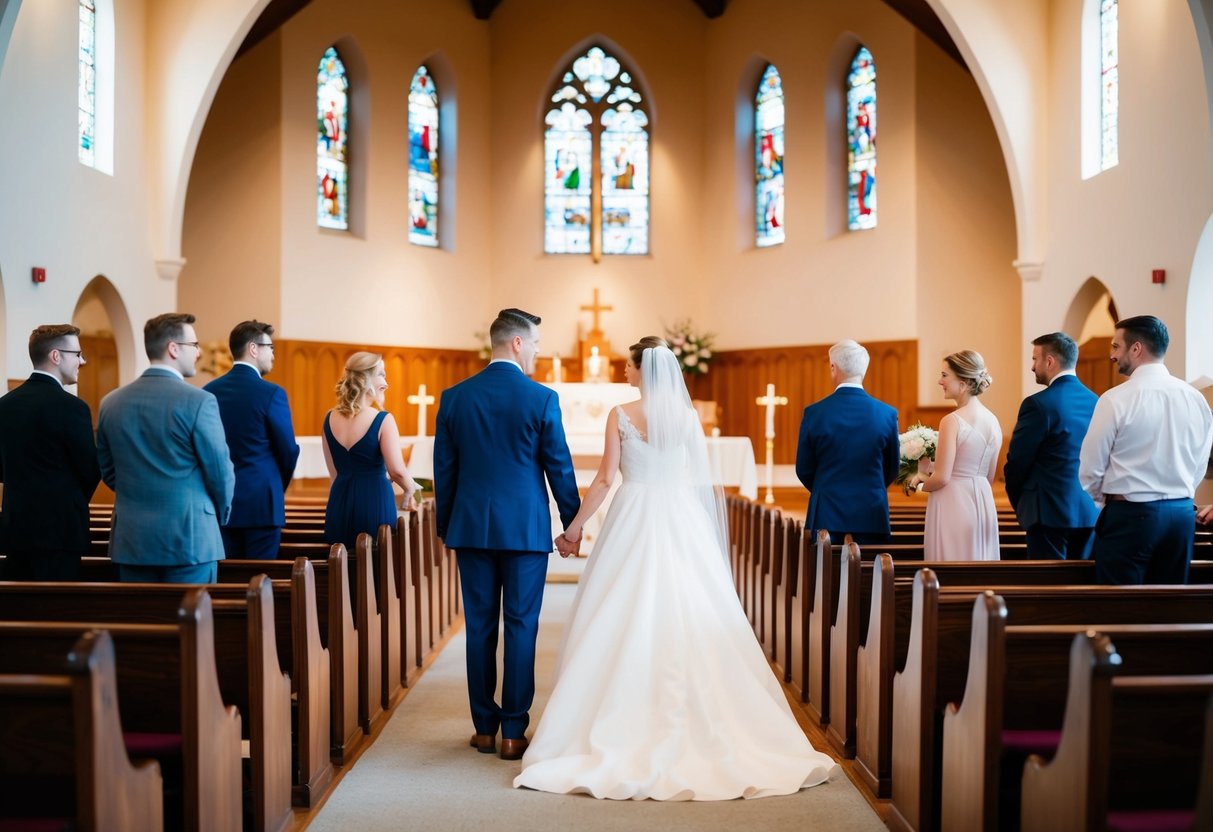
Including partners can enhance the experience for everyone involved. It creates a sense of togetherness and ensures that all key players are comfortable and ready for the ceremony.
As you navigate your wedding plans, keep in mind that each couple may decide what’s best for them. Getting your spouse or partner involved can make the occasion more special and enjoyable.
Understanding the Wedding Rehearsal
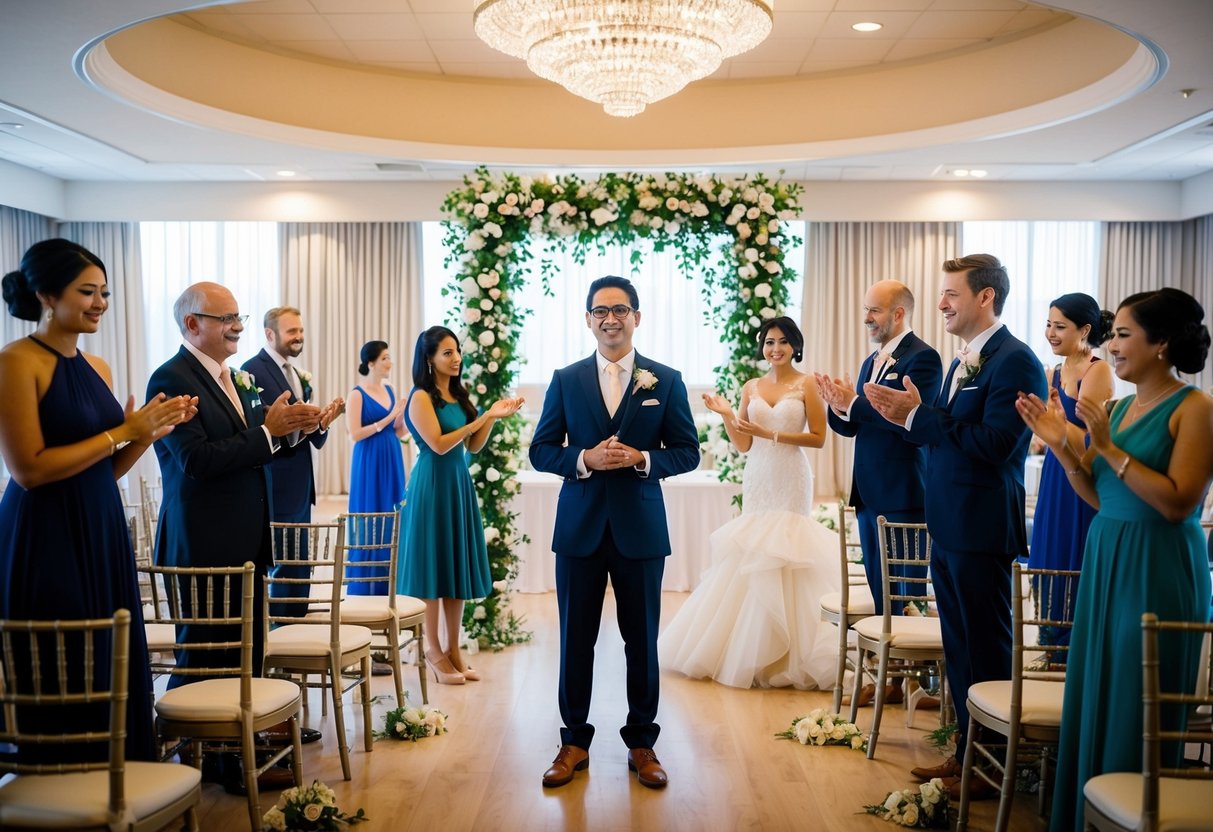
A wedding rehearsal is an important step in your wedding preparations. It typically takes place a day or two before the ceremony. This event helps everyone understand their roles during the actual wedding.
During the rehearsal, you and your wedding party will practice the processional. This is how everyone walks down the aisle. It’s a great way to ensure everything goes smoothly on the big day.
The officiant leads the rehearsal. They guide you through the ceremony, so everyone knows what to expect. This is also a chance for you to clarify any questions.
It’s essential for the main people in the ceremony to attend. This includes:
- The couple
- The wedding party
- Parents of both the bride and groom
- The officiant
Having everyone there creates a sense of teamwork. It can ease any nerves and build excitement.
Some couples also invite close family members. This helps them feel included and connected.
A rehearsal can take about an hour or so. Afterward, many choose to have a casual gathering, like a rehearsal dinner. This allows everyone to relax and bond before the big day.
Roles and Attendees of a Rehearsal

The wedding rehearsal is a key event that sets the stage for the big day. Understanding who should attend and their roles helps everything run smoothly.
Core Participants in a Rehearsal
The core group for a wedding rehearsal typically includes the couple, the wedding party, and the officiant. Each member plays a vital role in preparing for the ceremony.
You and your partner will guide the rehearsal. Your wedding party members, such as bridesmaids and groomsmen, should also be present. They will practice their walks and learn their positions during the ceremony.
Additionally, the officiant will help direct the rehearsal, ensuring everyone knows the order of events. It’s also helpful if parents can attend, as they may have roles in the ceremony. Including immediate family members creates a supportive atmosphere leading up to your wedding day.
The Inclusion of Extended Family
While immediate family members have defined roles, you might also consider inviting extended family to the rehearsal. This could include grandparents, aunts, uncles, and close cousins.
By inviting them, you help everyone feel included in the wedding process. They can witness the setup and understand how the ceremony will unfold. This is especially beneficial for out-of-town guests who may not have the chance to visit often.
You can keep the guest list for the rehearsal smaller than the wedding. This helps focus on those who will directly participate or support you on the special day.
Special Considerations for Out-of-Town Guests
For out-of-town guests, the rehearsal is a great opportunity to bond before the big day. Since they might travel long distances, ensuring they feel valued is essential.
Consider providing details about the rehearsal dinner that follows. These gatherings can be informal, giving everyone a chance to connect.
If your out-of-town guests are participating, ensure they know when and where to meet. A quick email or a group message can clarify any questions. Happy and informed guests help create a positive atmosphere for your wedding.
Planning the Rehearsal Dinner

Planning the rehearsal dinner involves several key steps, including creating the guest list, selecting a venue, and organizing activities for the event. This dinner is a special gathering that allows you to celebrate with close family and friends.
Crafting the Guest List
Your guest list for the rehearsal dinner is important. Generally, it includes the wedding party, immediate family, and significant others. You can also invite parents of other participants, like flower girls and ring bearers.
Consider allowing plus-ones for guests in the wedding party. This helps everyone feel more comfortable, especially if they are not familiar with others at the dinner. It’s a good idea to keep the list intimate, aiming for about 20 to 30 people. This makes for a warm, enjoyable atmosphere.
Venue and Invitations
Choosing the right venue sets the mood for your rehearsal dinner. It can be at a restaurant, a family home, or any location that feels special to you. If you’re having a destination wedding, consider a nearby location that provides a welcoming vibe.
Once you have the venue, send out the invitations. Make sure to communicate the date, time, and location clearly. Include RSVP details so you can finalize your seating chart. For a more personal touch, consider handwritten invitations to set the tone for an intimate gathering.
The Event Activities and Toasts
Activities at the rehearsal dinner can enhance the experience for everyone. You might want to include a few fun games or share stories about the couple. This can break the ice and help guests who don’t know each other connect.
Toasts are a highlight during the event. Invite a few key people to share their thoughts, as these heartfelt messages create lasting memories. Encourage warmth and humor to keep it light. Choose a good moment for toasts, typically after the meal. This leaves room for laughter and interaction among everyone present.
Special Touches and Additional Considerations
When planning your wedding rehearsal, think about including some special touches. These can make the rehearsal dinner memorable and fun for everyone.
Consider inviting close friends and family members like aunts and uncles. It’s a great way to bond before the big day. They can also help set a joyful tone.
If you’re having a destination wedding, involve local venues and performers. They can enhance the atmosphere. Maybe even hire a DJ to play music that everyone enjoys.
Think about your guests with plus ones. This allows everyone to feel more comfortable. You want people to enjoy the night together!
You might want to personalize the evening with some pre-wedding celebrations. A toast or storytelling session could help everyone connect. Sharing moments about your journey together can be touching and fun.
Don’t forget about the wedding reception plans. Make sure to discuss the timeline with your wedding party. This ensures everyone knows their roles and can enjoy the day.