
Do the Bride and Groom Eat First? Navigating Wedding Reception Traditions
At a wedding reception, one of the common questions that comes up is about the dining order. Traditionally, the bride and groom eat first, and they are often served before everyone else. This moment is special, as it emphasizes their role as the guests of honor on their big day.
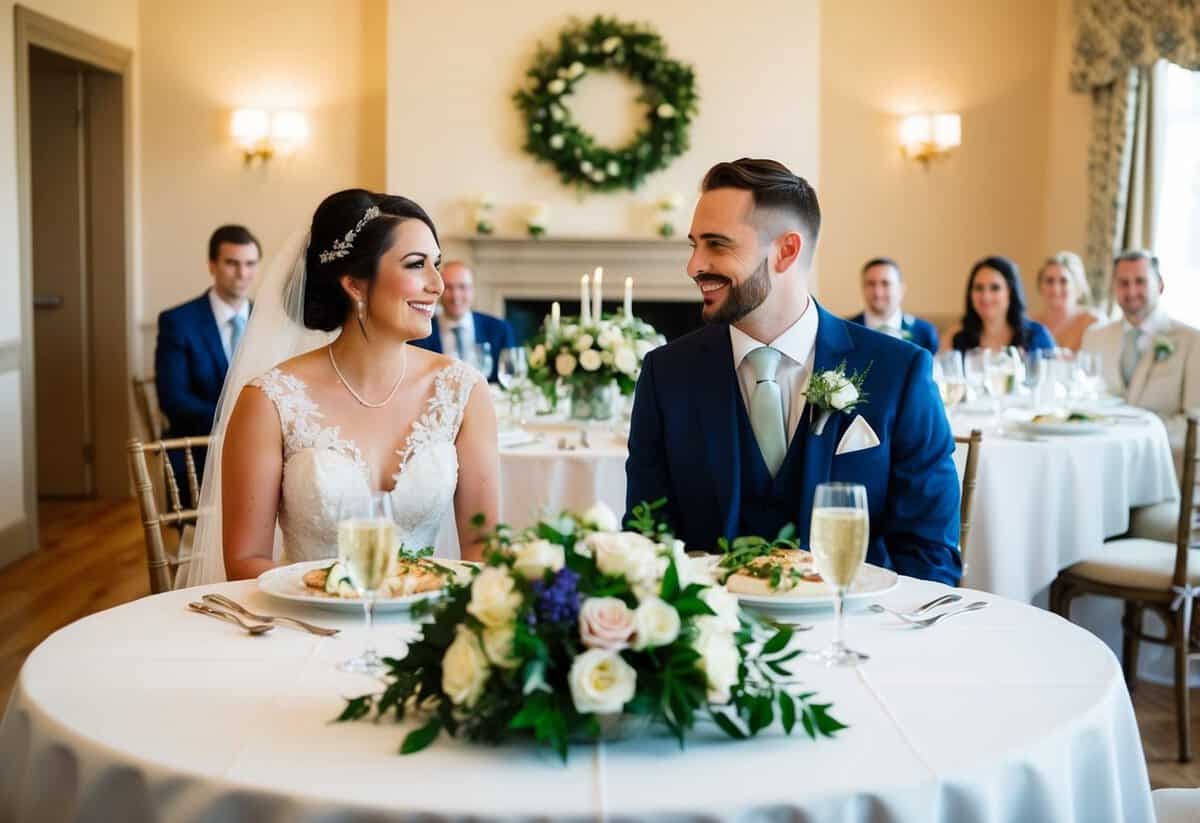
Understanding this tradition can help you plan your reception better. You might consider how you want the flow of the event to feel for you and your guests.
Whether you decide to stick with tradition or create your own custom routine, knowing about these practices can certainly enhance the celebration.
Join us as we explore different dining options, etiquette, and tips for making mealtime memorable at your wedding!
Ceremony and Reception Order
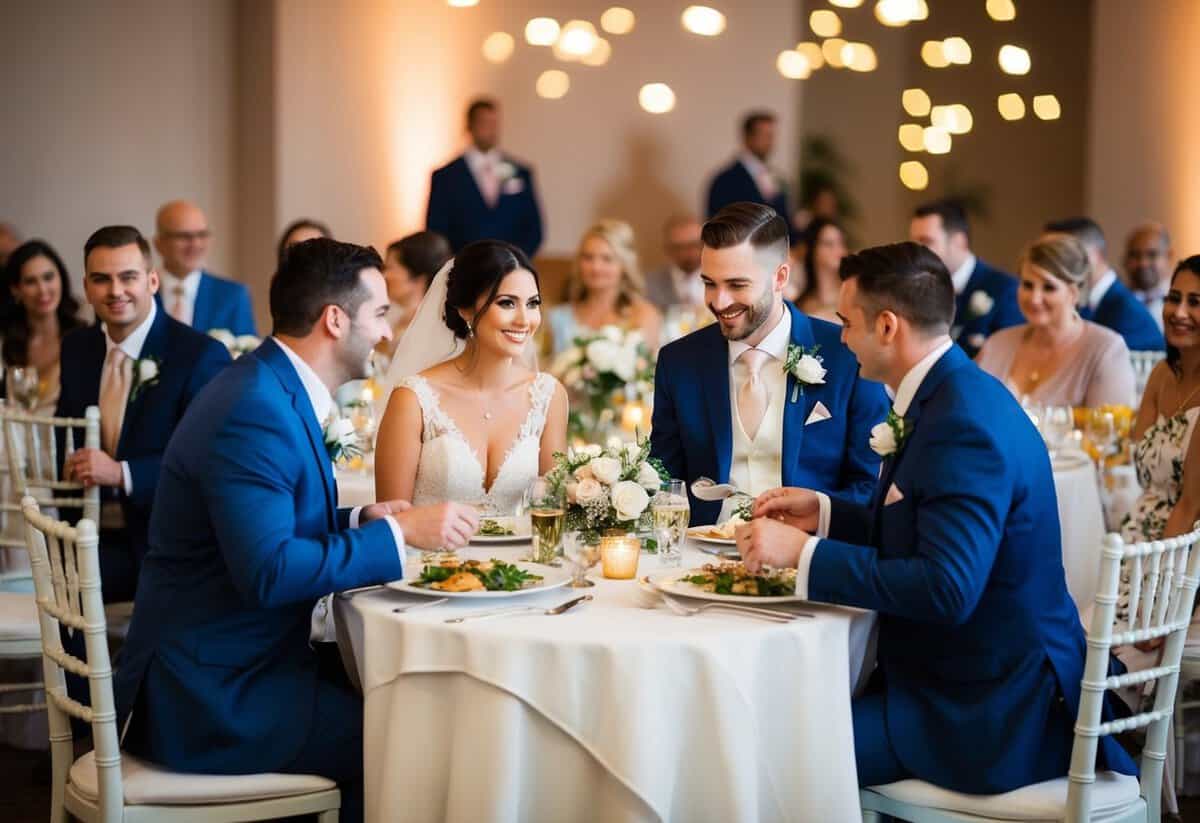
Understanding the order of events during the ceremony and reception can help ensure that everything runs smoothly. Effective planning creates a pleasant experience for both you and your guests.
Wedding Ceremony Traditions
In most weddings, the ceremony begins with the arrival of guests, followed by the entrance of the bridal party.
Bridesmaids walk down the aisle first, often in pairs, followed by the groomsmen. The groom typically stands at the altar, eagerly awaiting the bride’s entrance.
The bride makes a grand entrance, often accompanied by her father or both parents. A beautiful moment happens when the officiant starts the ceremony, leading to vows and the exchange of rings. This part of the ceremony holds great significance, marking your union as newlyweds.
Reception Grand Entrance
The reception starts with the grand entrance, where you and your partner make your first appearance as a married couple. As the MC introduces you, the crowd typically cheers and claps in excitement.
After your entrance, the wedding party follows, usually consisting of bridesmaids and groomsmen. The order can vary, but the newlyweds often lead the way to the head table.
This moment kicks off the celebration with joy and energy, setting a happy tone for the rest of the evening, including dinner and dancing.
Dining Etiquette and Protocols
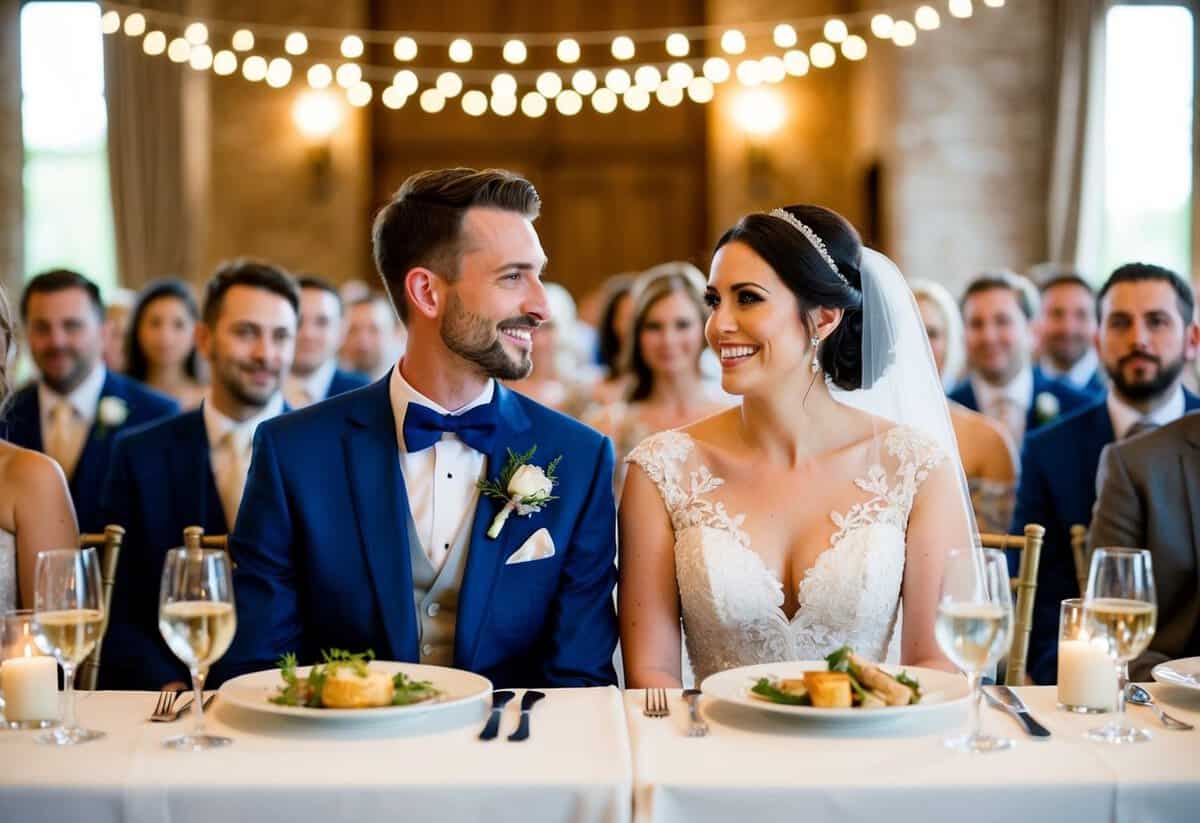
Understanding dining etiquette at a wedding is important for ensuring everyone enjoys the reception. Focused seating arrangements and the timing for serving the bride and groom can set a welcoming tone for all guests.
Seating Arrangements and Priorities
When planning your seating arrangements, think about the comfort and enjoyment of your guests. The wedding party typically sits at the head table, which allows easy interaction with everyone else.
Make sure to consider family dynamics and friendships, so everyone feels included. You can create a table list that specifies where each group should sit.
This keeps the atmosphere lively and makes it easier for you to greet your guests throughout the event. Don’t forget that pairing guests who know each other can encourage conversation and build connections.
Serving the Bride and Groom
A common question is whether the bride and groom eat first. Traditionally, they are often served right after the wedding party, as this can help maintain the excitement.
If you’re having a buffet, the bride and groom may lead the way to grab their plates together. This can make for a fun photo opportunity too!
In a plated dinner, they should be among the first served. This shows respect for their role in the celebration and ensures they have time to enjoy their meal.
Make sure you plan to have some downtime for them to eat and recharge, even if it’s just for a few moments. They need the energy to fully engage with their guests later in the evening.
Special Wedding Moments
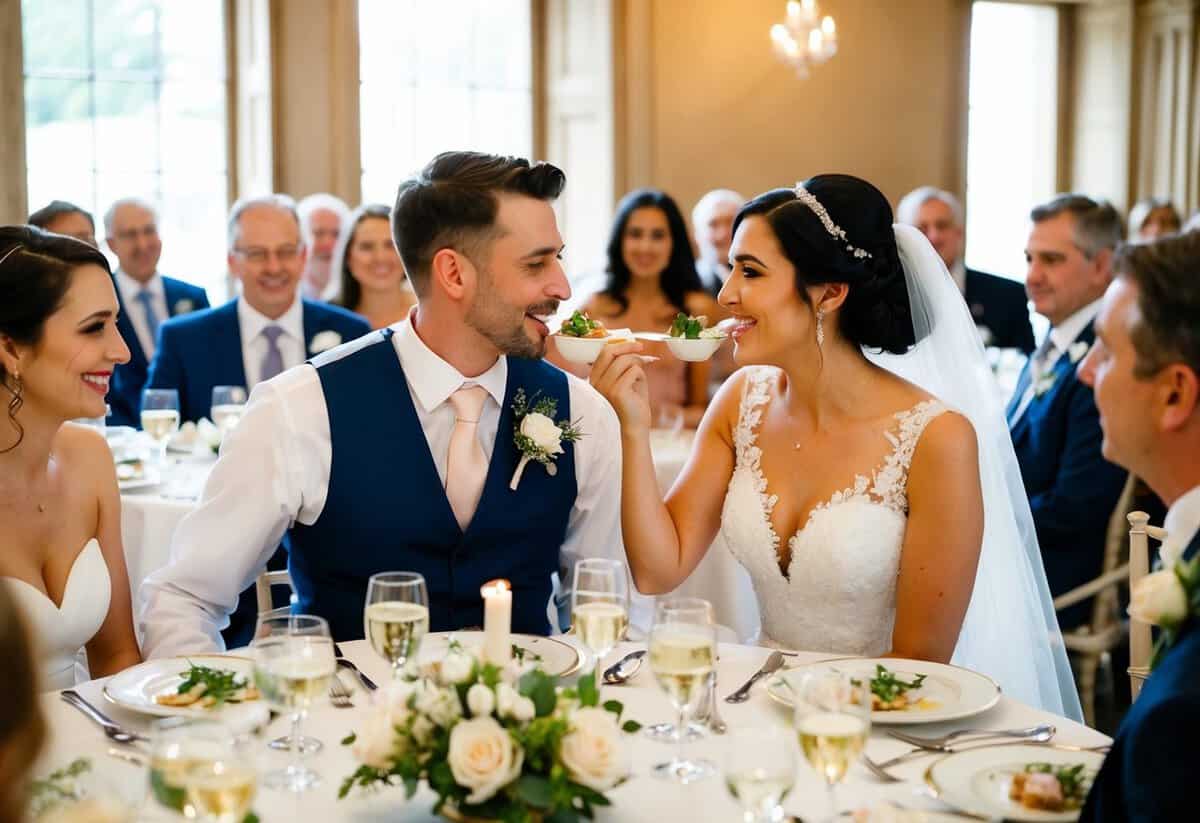
Your wedding day is filled with memorable moments that highlight your love and celebration. A few key events are particularly special, each creating lasting memories for you and your guests.
Cake Cutting Ceremony
The cake cutting ceremony is a beloved tradition at weddings. It typically takes place after dinner and is a moment for you and your partner to showcase your togetherness.
During this event, you both take a cake knife and cut the first slice of the wedding cake. This is often a symbolic act of sharing your lives together. Some couples choose to feed each other a small piece, adding a fun and romantic touch.
You can also decide to have a grooms cake alongside the wedding cake. This cake can reflect the groom’s personality or interests, making it a special treat for him. It’s a great way to personalize your celebration!
First Dance Ritual
The first dance is often an emotionally charged moment during your reception. As the music plays, you and your partner take to the dance floor, usually in front of all your guests.
This is your time to share a dance, feel close, and enjoy each other’s company.
Selecting the right song is essential. Choose a tune that reflects your relationship or has special meaning to both of you.
While you dance, the spotlight is on you, creating a romantic atmosphere.
If you’re nervous about dancing, consider taking lessons beforehand. This can help you feel more confident and make the moment even more enjoyable.
Bouquet Toss Event
The bouquet toss is a fun and lighthearted tradition at weddings. During this event, you gather all the single women present. Then, you hold your bouquet and turn around to toss it over your shoulder.
Whoever catches the bouquet is believed to be the next to marry. This adds excitement and gives your guests a chance to participate in a fun tradition. The energy in the room can be uplifting as guests cheer for the lucky catcher.
Some couples even choose to include a “last dance” for everyone, ensuring the celebration doesn’t end too soon. Bringing energy to the dance floor can really keep the celebration alive!