
Do the Brides’ Parents Give a Wedding Gift? Exploring Traditions and Expectations
You may wonder if the bride’s parents give a wedding gift. In many cases, they do choose to give a gift as a way to show support and love for their daughter and her new spouse. This gesture holds special meaning, reflecting their excitement as the couple embarks on this new journey together.
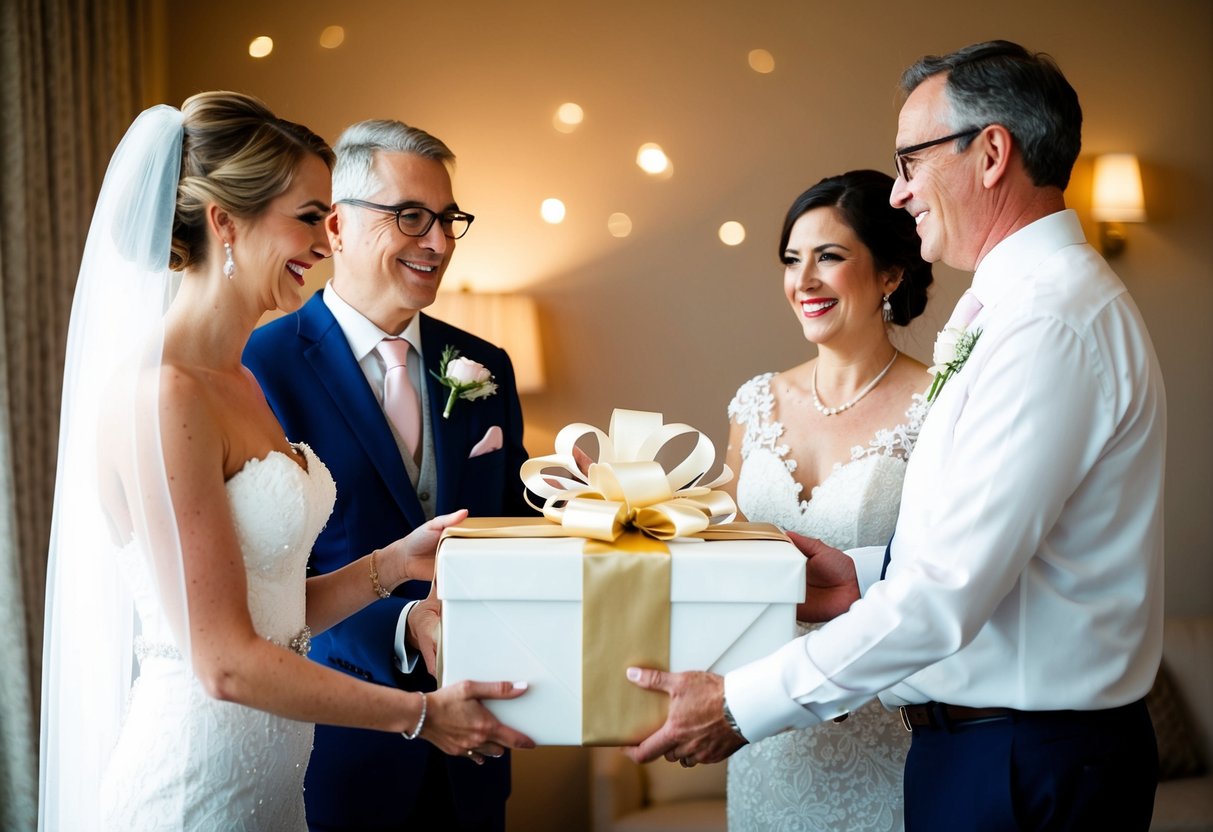
Traditionally, parents often contribute to the wedding costs, but if that’s not the case, it’s still common for them to give a thoughtful gift. Whether it’s a sentimental piece of jewelry or a useful household item, the gift symbolizes their blessing and encourages the couple as they start building their life together.
Exploring this tradition can help you understand the significance behind it and how it might fit into your own wedding plans.
As you think about your own celebration, consider the role of the bride’s parents and how their gift can enhance the experience. This topic can spark heartfelt conversations and create lasting memories as families unite to celebrate love and commitment.
The Role of the Bride’s Parents in Weddings
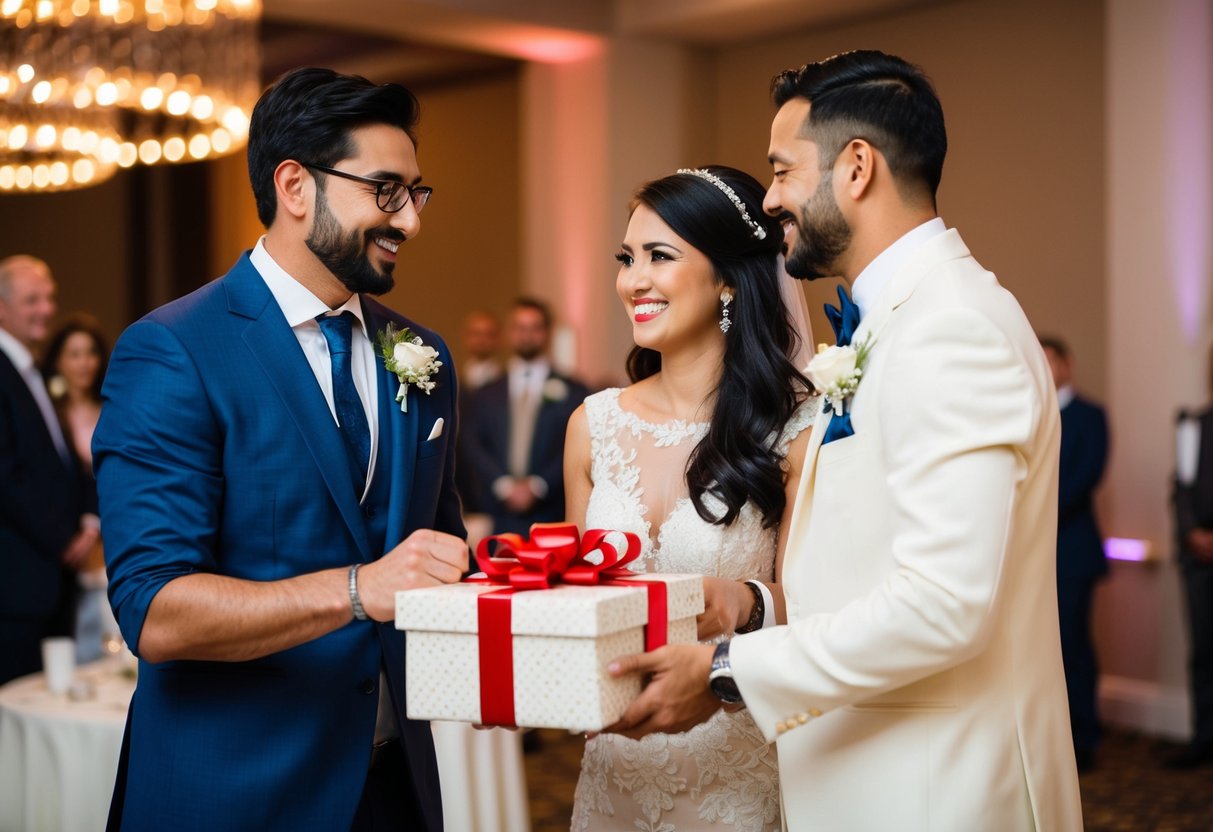
The parents of the bride play an important part in wedding planning. Their roles often include offering emotional support, sharing some of the financial burden, and participating in gift-giving traditions. Here’s a closer look at how they contribute.
Emotional Support and Involvement
Your emotional well-being is a top priority during the wedding planning process. The bride’s parents are there to guide and support you through this exciting yet sometimes stressful time.
Whether it’s listening to your ideas or helping resolve any conflicts, their experience can be invaluable. Many brides find comfort in knowing their parents are actively involved.
Your mother, in particular, may take on a special role, helping you choose your wedding attire and organize details. This bond can strengthen while planning together, making the day even more meaningful for everyone involved.
Financial Contribution and Wedding Expenses
Traditionally, the bride’s parents contribute to the wedding expenses. This can include covering costs for the venue, catering, and decorations. While these details vary widely, many couples appreciate any financial support their parents can provide.
Planning a wedding can become expensive. Having your parents help can alleviate some of the stress. If they contribute financially, it often helps create a beautiful celebration that everyone can enjoy.
Plus, this support allows for careful planning to ensure your vision is realized without breaking the bank. Working with a wedding consultant can also help you manage these expenses effectively.
The Tradition of Gift-Giving
Gift-giving is a heartfelt tradition at weddings. Often, the parents of the bride choose to give a special gift to their daughter on her big day. It might be something sentimental, like jewelry, a photo album, or a family heirloom.
This gift symbolizes their love and hopes for her future. It’s a way for them to celebrate this milestone with you.
Additionally, many brides also choose to give back to their parents by offering small tokens of appreciation. This exchange emphasizes the bonds of love and support that are vital during such a life-changing event.
Selecting the Perfect Wedding Gift
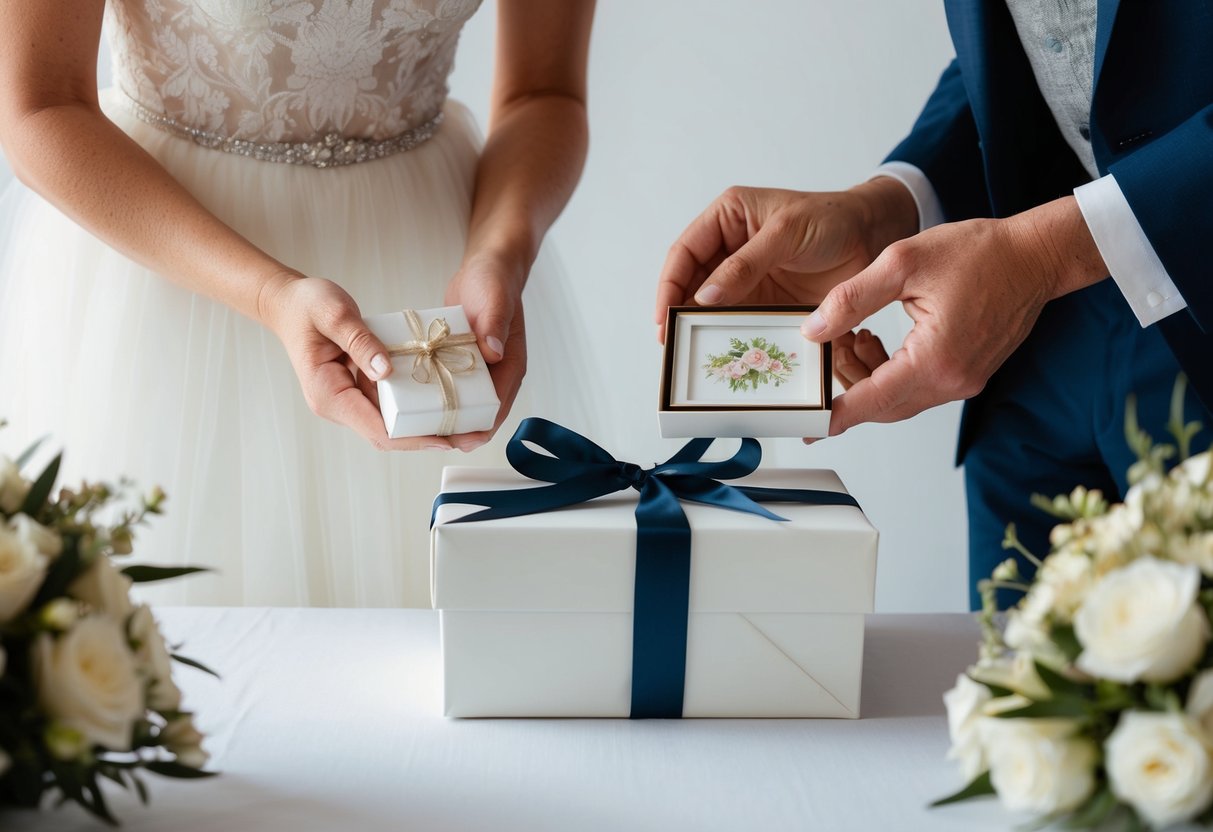
Choosing a wedding gift for your child can be a meaningful experience. You have various options that can reflect your love and support for the couple. Consider personalized keepsakes, memorable experiences, and practical items that can help them in their new life together.
Personalized Gifts and Heirlooms
Personalized gifts have a special charm. You might think about items like engraved jewelry or a custom art piece that reflects their style.
Family heirlooms also make a beautiful gift. Passing down a cherished item shows not just love, but a connection between generations. Consider items like a vintage photo album or a special piece of jewelry that has been in the family. These gifts hold stories and memories.
Experiences and Monetary Gifts
Gifting experiences can create lasting memories. Consider contributing to a honeymoon experience or offering tickets to a concert or a show. These experiences allow the couple to enjoy their time together and make new memories.
Monetary gifts are another option. This could be a contribution toward wedding expenses or a lump sum for the couple to spend as they wish. It’s practical and lets them use the money for what they really need, whether it’s setting up their home or taking a much-needed trip.
Practical Household Items
Practical items can greatly help the newlyweds as they start their life together. You can choose items that they might include in their gift registry, like kitchen gadgets, cozy linens, or essential tools.
These household items ensure that the couple has what they need for their daily life. Consider items that match their style or needs, and they will appreciate the thought you put into selecting these tangible gifts.
Wedding Gift Etiquette for Parents
As the parents of the bride, you share a significant role in the wedding. Understanding when and how to give a wedding gift can help you express your support and love for the newlyweds.
When to Give the Gift
You may wonder when the best time to give the gift is. Traditionally, parents give a wedding gift during the wedding ceremony or at the reception. This is often when emotions run high, and your gesture can have a big impact. Some families choose to give a gift earlier, during events like the bridal shower or rehearsal dinner. This allows for a personal touch, making the gift-giving more special.
Consider timing if you want to help pay for aspects of the wedding like the officiant’s fee or even contribute to the marriage license costs. Giving a gift earlier can also symbolize your support and excitement for their new journey.
Understanding Wedding Gift Registries
Many couples create wedding gift registries to share their preferences. These registries include items they would love to receive, making shopping easier for guests. While traditional gifts are always appreciated, registries provide guidance on what the couple truly wants.
Review the registry to choose a gift that fits your budget. Contributing to larger items, like a down payment for a new home, can also be a heartfelt choice. Remember, each couple may have different preferences regarding gifts, so it’s best to check their registry or ask them directly.
How Much to Spend on a Wedding Gift
When deciding how much to spend, consider your family traditions and what feels comfortable for you. Generally, parents can allocate a more generous budget since your role is significant in the wedding.
A common range for a wedding gift from parents is $100 to $500. However, this can vary based on your financial situation and the couple’s needs. If you are contributing to wedding expenses, make sure to communicate this with the couple so they understand your gesture as part of their support.
No matter the amount, a thoughtful gift, whether it’s a monetary contribution or a traditional wedding gift, can make a lasting impact.
Celebrating the Couple’s Love and Journey
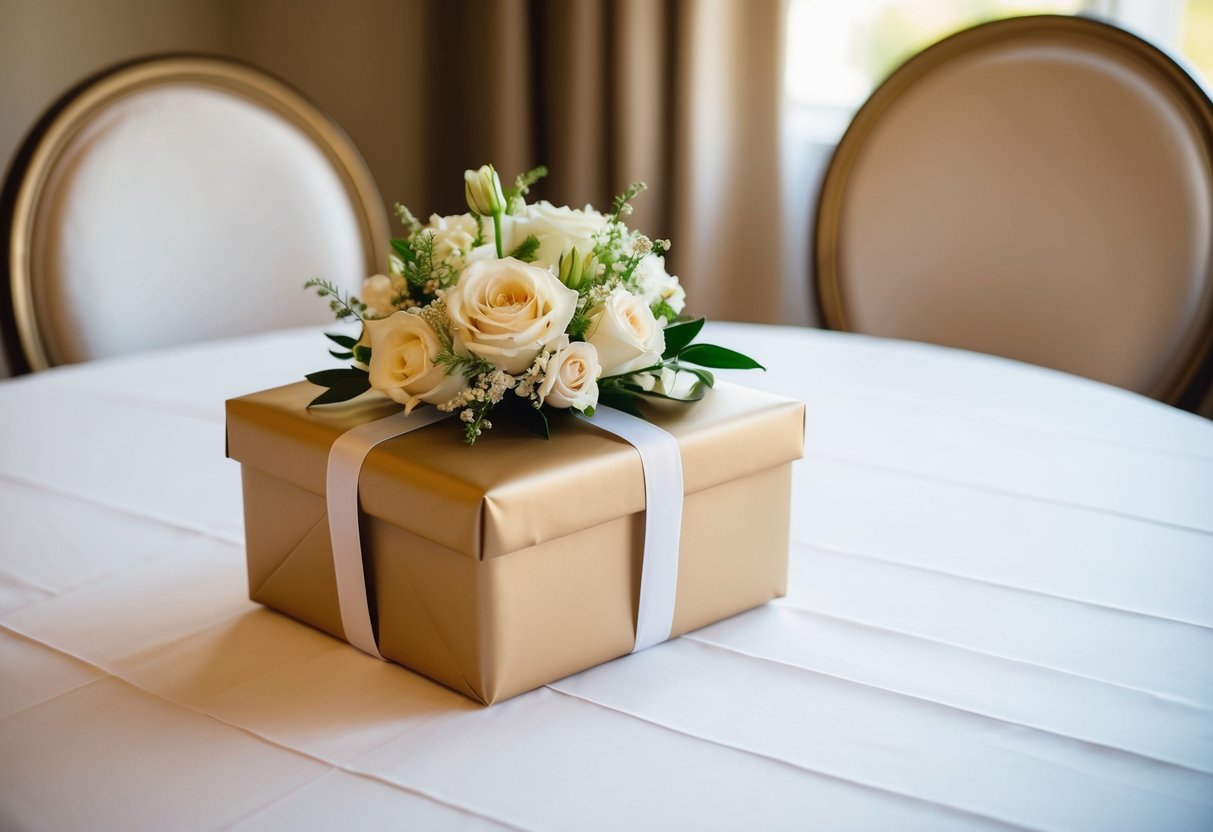
Celebrating a wedding is not just about the big day; it’s also about honoring the love and journey of the newlyweds. Parents often play a special role in these celebrations, marking significant moments while providing love and support.
Creating Lasting Memories
As the parents of the bride or groom, you have a unique opportunity to contribute to lasting memories. One meaningful way is through gift giving that reflects the couple’s interests or experiences. Consider gifts like a beautifully framed photo from the wedding day or a custom piece of art representing their journey together.
Family heirlooms can also make a wonderful gift. Passing down an item with sentimental value not only honors family traditions but also connects the couple to their roots. Your thoughtful gesture symbolizes your love and support as they begin their new chapter.
Honoring Family Traditions
Weddings are steeped in family traditions, and your involvement can help celebrate these customs.
Whether it’s a special toast at the reception or a unique ritual during the ceremony, these moments strengthen family bonds.
If your family has specific customs, consider sharing them with the couple and their wedding planner. This collaboration can make the day even more meaningful.
For example, if there’s a tradition of presenting a family cookbook, this could inspire the couple’s future gatherings in their new home.
By embracing these traditions, you highlight the importance of love and support, creating an atmosphere rich in family history and connection.