
Do the Girls’ Parents Pay for the Wedding? Exploring Traditional Contributions and Modern Trends
Many people wonder about the age-old question: Do the girl’s parents pay for the wedding? Traditionally, the bride’s parents have taken on a significant portion of the wedding expenses, but this is changing.
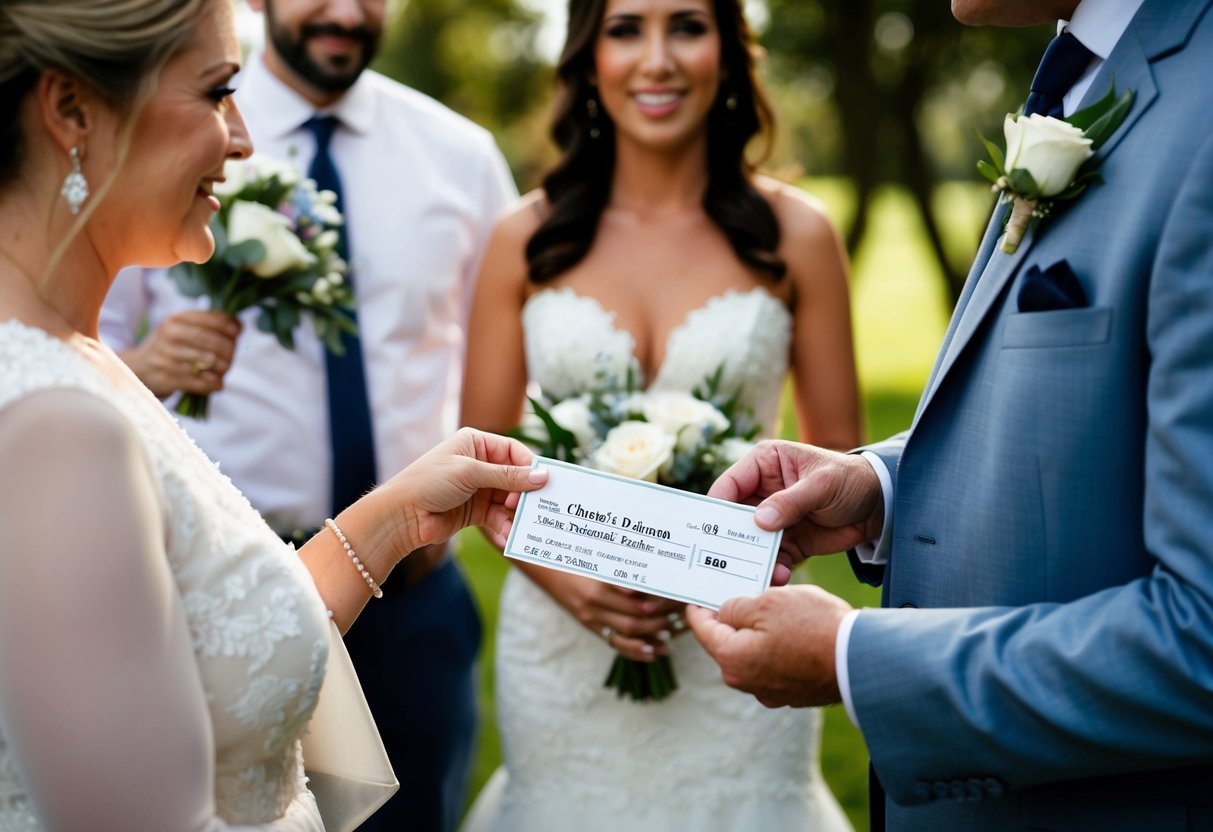
With wedding planning today, the financial situation of both families often influences who pays for what. Factors such as cultural expectations can play a big role in these decisions.
Maintaining open communication between you and your partner’s family can help ensure everyone is on the same page about the wedding budget and responsibilities.
Understanding modern wedding etiquette means recognizing that there are no strict rules anymore. Each couple can decide what works best for them. Whether parents contribute a little or a lot, what matters most is creating a memorable day that reflects your shared values and love.
Understanding Wedding Financial Etiquette
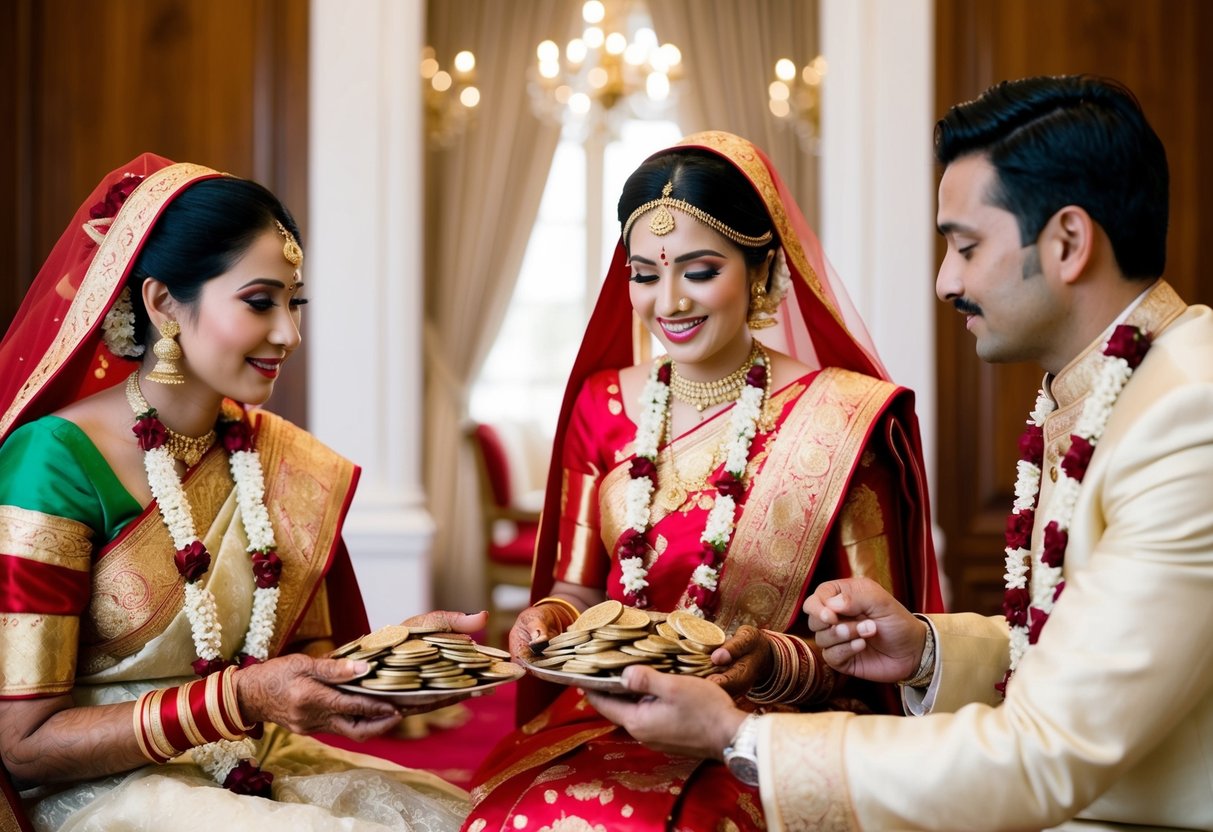
Navigating who pays for a wedding can feel overwhelming. You may encounter different expectations based on culture, tradition, and personal situations. Let’s explore the key elements surrounding financial duties in wedding planning.
Cultural Expectations and Traditions
Traditionally, the bride’s family is responsible for many wedding expenses. This might include the venue, catering, and decorations. The groom’s family often covers the rehearsal dinner and sometimes other costs. It’s important to know that these customs can vary widely.
In modern times, many couples choose to share financial responsibilities. This shift reflects changing societal norms and promotes financial equality. You can think about what fits your relationship best. Discussing expectations honestly can help clear up any misunderstandings.
You can also consider your financial stability and that of your families. Financial contributions will likely depend on what everyone can afford without feeling burdened.
Open Discussion on Financial Contributions
Having conversations about money can be tricky, but it is essential. Openly discussing financial contributions can lead to a smoother wedding planning experience.
Start by talking with both families about their willingness to help. You can use a simple list to track what each party is comfortable covering. This includes everything from the wedding cake to photography.
Remember that every couple’s situation is unique. Some may take on most costs themselves, while others rely heavily on family. The key is communication.
Sharing expenses can foster collaboration and excitement instead of stress. Whether it’s your family or the groom’s, make sure everyone is on the same page to help create a joyful celebration.
Budgeting for the Big Day

Planning your wedding budget is crucial for a smooth celebration. It helps you understand what you can afford and where you might need help from family or friends. Let’s look at how to allocate wedding expenses wisely and manage unexpected costs.
Allocating the Wedding Expenses
Start by listing all potential wedding expenses. Include items such as:
- Venue Costs: This includes the ceremony and reception locations.
- Catering: Think about the food for the reception and the rehearsal dinner.
- Attire: Consider the bride’s dress, groom’s suit, and accessories.
- Decorations: Flowers, centerpieces, and lighting.
- Entertainment: DJs, live bands, or performers.
Once you have your list, estimate costs for each category. A common rule is for the couple to cover 50-70% of the budget, while the bride’s family contributes 20-30%, and the groom’s family helps with 10-20%. This method keeps expectations clear and helps in planning.
How to Handle Unexpected Costs
No matter how well you plan, unexpected expenses can pop up. A good practice is to set aside about 10-15% of your total budget for these surprises. This can cover extra costs like:
- Additional guests
- Last-minute decor
- Unexpected venue fees
If an unexpected cost arises, prioritize what is essential. Communicate openly with family members about financial contributions as they may help cover any surprises. Stay flexible and remember that adjusting your budget is normal. Taking these steps can help you enjoy your big day without added stress!
Specific Contributions by Parents

When planning a wedding, parents often play a significant role in covering various expenses. This section explains what the bride’s and groom’s parents typically contribute to the wedding.
What the Bride’s Parents Traditionally Pay For
Traditionally, the bride’s parents cover most of the major wedding expenses. This can include the venue, catering, and the wedding dress. They often handle the costs of the ceremony as well as the reception.
In addition, the bride’s parents may pay for the engagement party and the rehearsal dinner. The engagement ring and wedding rings are traditionally purchased by the groom, but some families may contribute to these costs as well.
It’s common for the bride’s parents to provide gifts for the bridal party, including gifts for the bridesmaids and groomsmen. This can be a meaningful way to show appreciation for their support.
What the Groom’s Parents Traditionally Cover
The groom’s parents also have specific contributions in the wedding planning process. Traditionally, they may cover the cost of the rehearsal dinner, allowing the families to come together ahead of the celebration.
They often contribute to the groomsmen gifts, which can range from practical items to personalized keepsakes. This helps show appreciation for the support and friendship of those standing by the groom.
Additionally, some families have shifted towards shared financial responsibilities. This means the groom’s parents may also help with certain costs, such as the wedding rings. The level of contribution can vary greatly based on family preferences and financial situations.
Personal Touches and Final Thoughts
Making your wedding truly special often relies on adding personal touches. This can include deciding between DIY projects or hiring professional services. Additionally, discussing who pays for what in the wedding can help clarify financial responsibilities.
DIY vs. Professional Services
Choosing between DIY and professional services can impact your wedding significantly. DIY projects allow you to add a personal touch, saving money while showcasing your creativity. You might consider making your own invitations or centerpieces.
However, some aspects, like photography and videography, are better handled by professionals. Capturing those precious moments requires skill and experience.
For items like the wedding cake and flowers, you can mix both approaches. You could bake your cake, while hiring a florist for the bride’s bouquet. Evaluate your skills and the time you have before making your choice.
Concluding the Financial Discussion
Understanding who pays for specific wedding expenses helps keep things organized. Traditionally, the bride’s parents covered many costs, but modern couples often share these responsibilities.
Key expenses include the officiant fee, marriage license, and reception costs, such as alcohol and catering. The groom’s attire and wedding band can be split between both families too.
Don’t forget fun elements like the DJ and hair and makeup for the bride. Discuss your budget early on to set realistic expectations.
Talking openly about these roles helps ensure a smooth planning process and a joyful celebration.