
Do the Groom’s Parents Walk Down the Aisle at a Wedding? Understanding Their Role in the Ceremony
When planning a wedding, you might wonder about the traditional roles of family members during the ceremony. Yes, the groom’s parents usually walk down the aisle during the processional, usually following the ceremony’s formal order. This moment is not only significant for the groom’s parents but also sets the tone for the event.
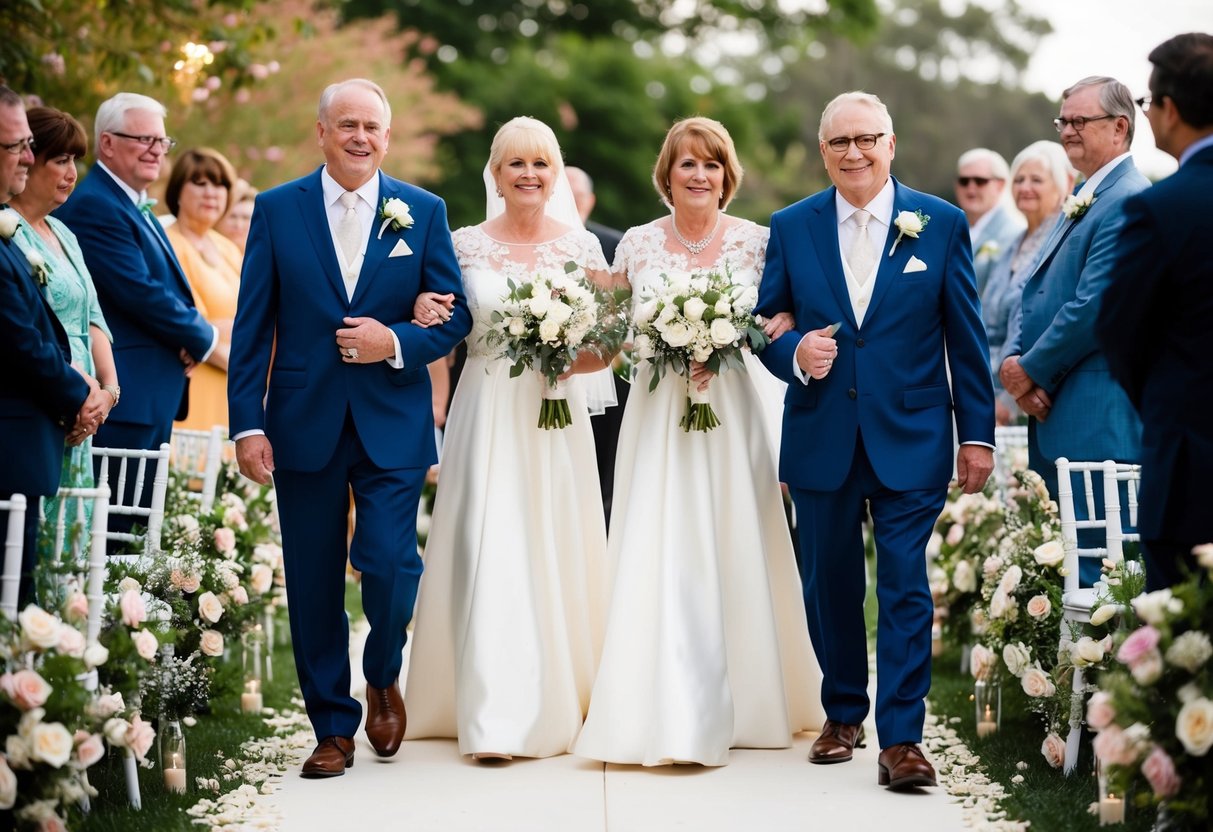
As you consider the details of your own wedding, understanding the roles of each family member can help make the occasion feel even more special. The groom’s parents often play a vital part in the ceremony, showcasing their support for their child on this important day.
Curious about how the processional order works and what options you have? Reading on will help you navigate these traditions and find the best way to include your loved ones in your ceremony.
Understanding the Wedding Processional
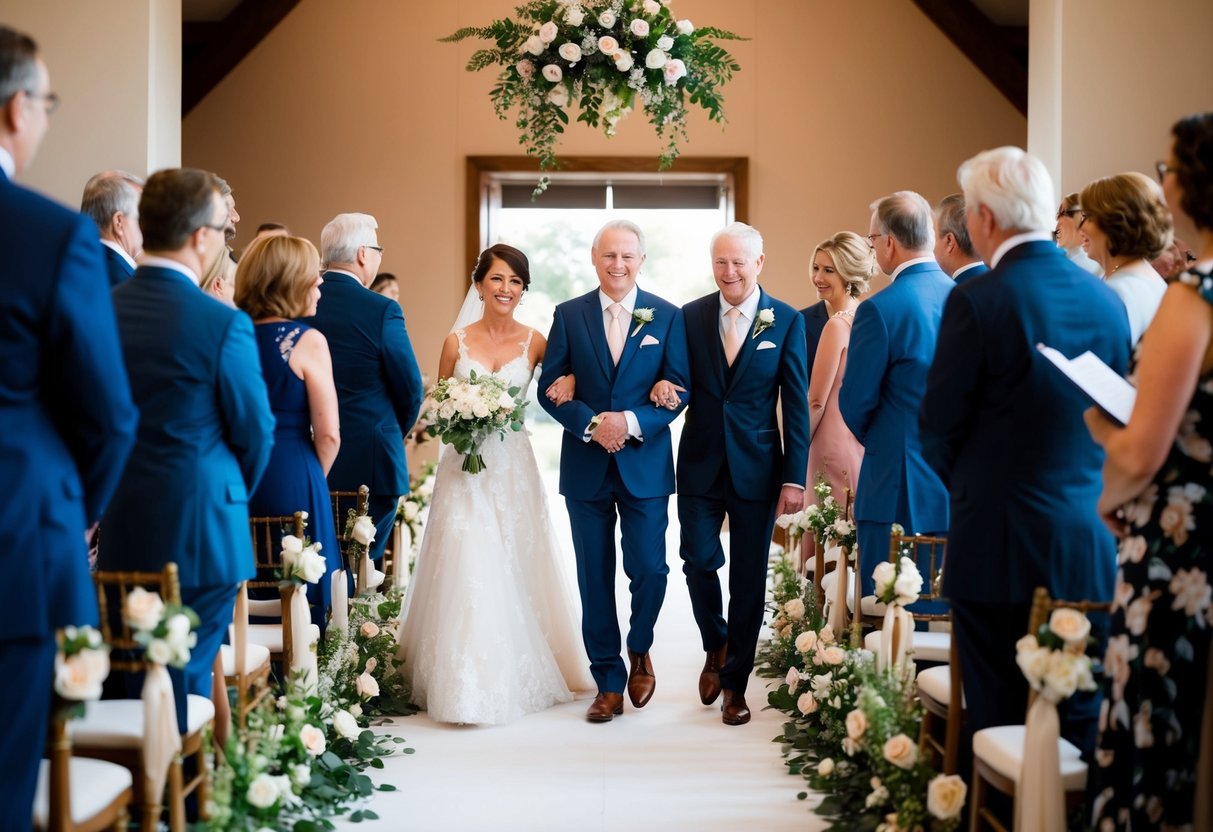
The wedding processional is an important part of the ceremony. It sets the stage for the events that follow.
In a traditional wedding, family members often walk down the aisle in a specific order. Usually, the groom’s parents enter first, followed by the bride’s mother. This can vary based on cultural traditions.
For a Christian wedding, the officiant may walk in first, leading the wedding party, including bridesmaids and groomsmen. The bride typically walks last, creating a special moment.
In a Jewish wedding, there are options for how the wedding party walks down the aisle. Groomsmen may follow the groom’s grandparents, while bridesmaids walk with groomsmen.
Hindu weddings have a unique processional known as the baraat, where the groom arrives with family and friends. This often includes music and dancing, making it lively.
A modern wedding processional can be personalized to fit your style. You might choose a mix of traditional and contemporary elements, like having friends or siblings walk together.
You can adjust the processional order to match your preferences, creating a ceremony that feels authentic to you and your partner.
Roles and Responsibilities of the Groom’s Parents
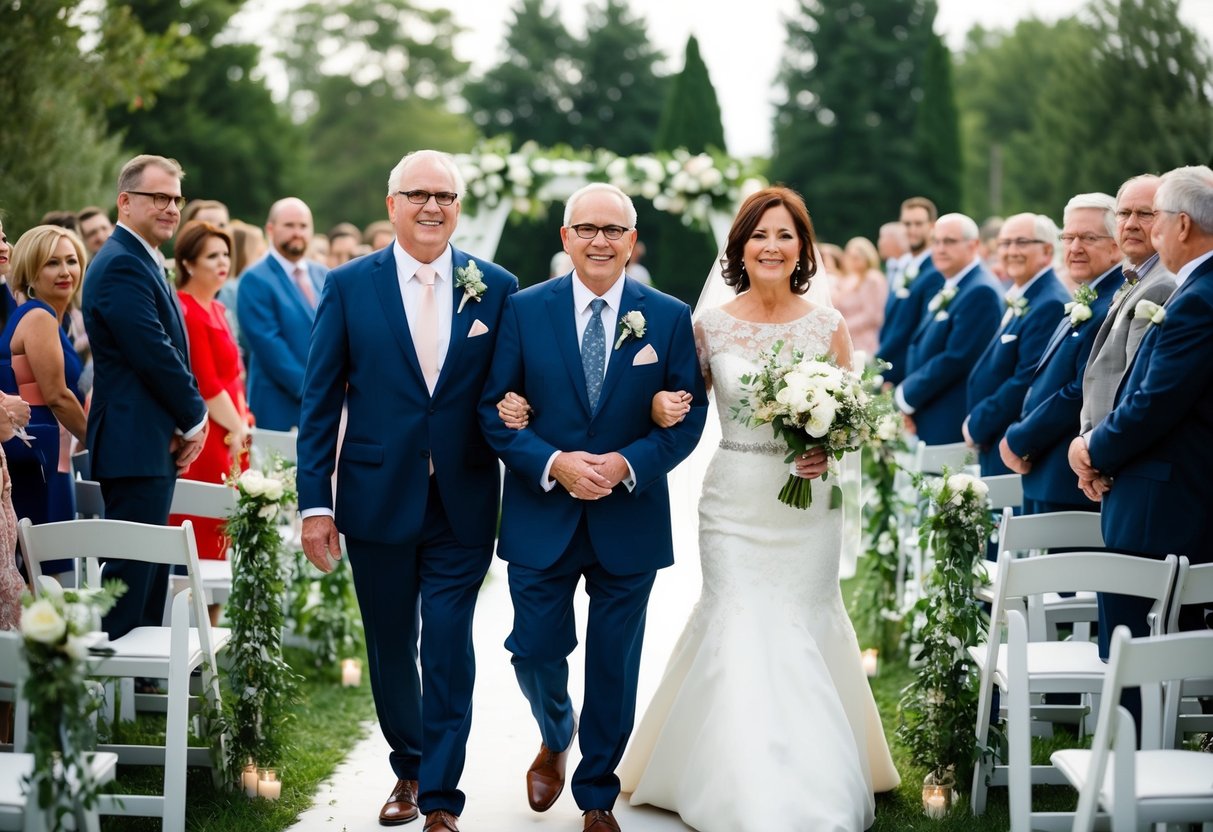
When it comes to weddings, the roles of the groom’s parents are important and often misunderstood. You play a key part in supporting your child and participating in the ceremony, which can include walking down the aisle and contributing to the overall experience.
Walking Down the Aisle
Traditionally, both parents of the groom have the option to walk down the aisle during the ceremony. You can choose to walk together or separately, depending on family dynamics and personal preferences.
If you decide to walk together, you might want to hold hands or link arms as a show of support. This moment can be emotional, symbolizing your pride in your child. If you are a step-parent, you can join in this special moment, too.
It’s also encouraged to discuss how you will walk down with the groom beforehand to ensure everyone feels comfortable. This walk can set the tone for the ceremony and reflect your family’s love and unity.
Participation in the Ceremony
During the ceremony, you have several responsibilities that can enhance the emotional significance of the event. Typically, you will sit in the front row with other family members, often on the right side.
You may have the opportunity to say a few words, like a blessing or a short speech. This can be a touching addition that highlights your support for your child. When the time comes for dances, you might share a special dance with the groom, making the moment even more memorable.
It’s important to engage with the couple and other family members throughout the event. Your active participation shows your support and helps create a welcoming atmosphere for everyone involved.
Order of Entrance for Family Members
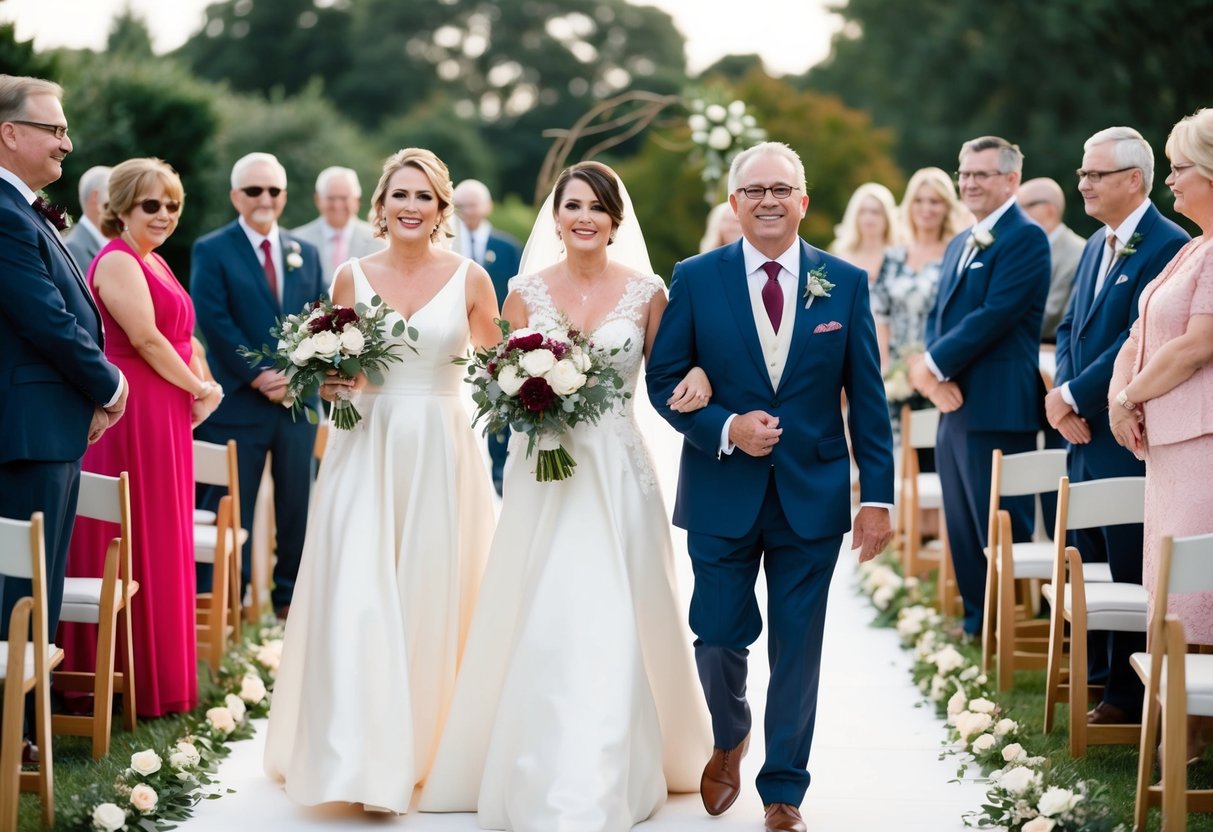
The order in which family members walk down the aisle can set the tone for your wedding ceremony. Understanding who walks when can help create a smooth flow and add meaning to the occasion.
Groom’s Family Processional
Typically, the groom’s family enters first in the wedding ceremony. This begins with the officiant, who walks in to signal the start of the event. Next, the groom’s parents follow, often walking together. They usually sit on the right side of the venue, reflecting their support for their son.
After them, the grandparents of the groom may walk down the aisle. They are often honored for their wisdom and guidance. This order helps show respect for family, starting with the nearest relatives. The groom, accompanied by his parents, is the last to enter the groom’s side before the ceremony officially begins.
Bride’s Family Processional
The bride’s family follows the groom’s family in the processional order. First to enter is typically the mother of the bride, who may walk alone or be escorted by another family member. She takes her seat in the front row on the left side, symbolizing her special role in the day.
Next, the father of the bride usually walks down the aisle to take his place next to her. After the parents, the bride’s grandparents may follow. Their entrance honors their importance in the bride’s life. The bride traditionally walks in last, making a memorable entrance. Following these customs can enhance the emotional impact of the wedding ceremony.
Specific Traditions by Culture
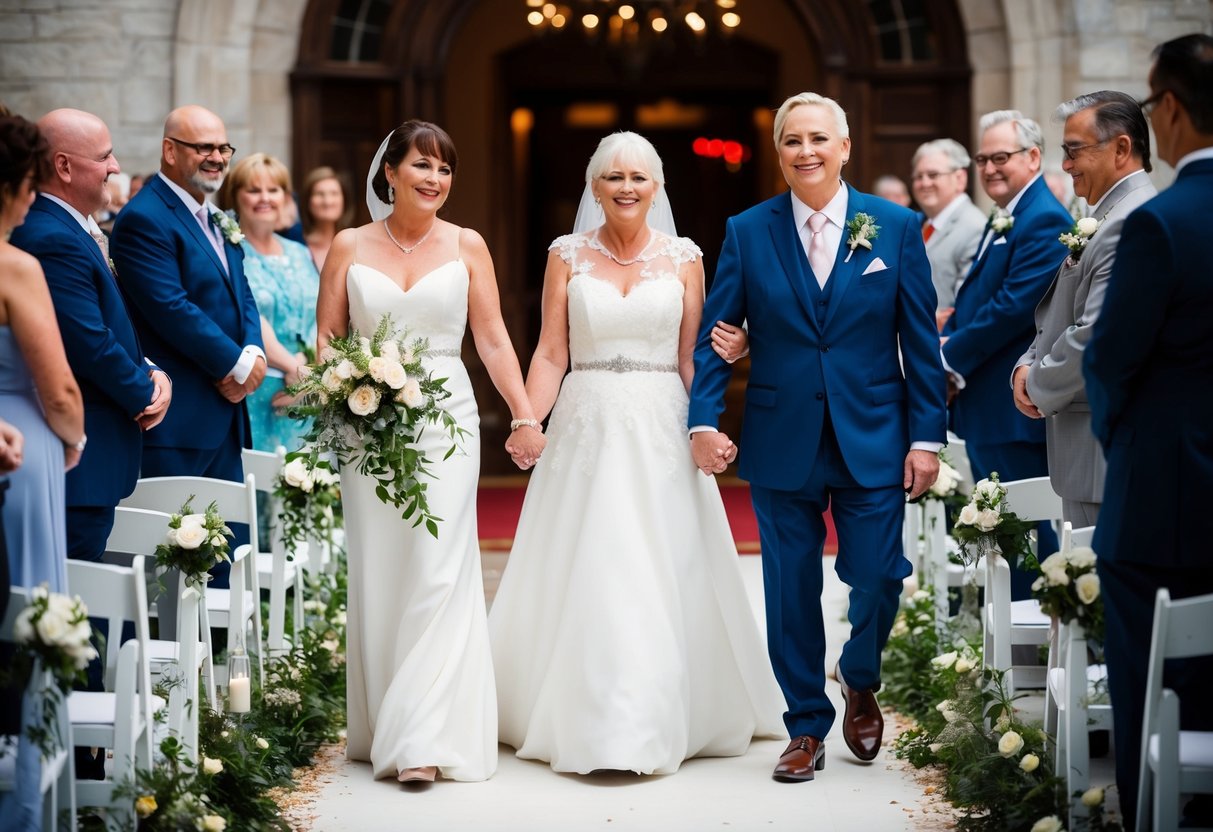
Wedding traditions vary greatly among different cultures. Understanding these practices can help you appreciate how families celebrate this special moment. Here are some insights into Jewish, Hindu, and Christian traditions regarding parents walking down the aisle.
Jewish Wedding Traditions
In Jewish weddings, the processional order is quite distinct. The groom usually walks down the aisle with his parents. Typically, they take their seats beneath the chuppah, which serves as the wedding canopy.
The bride enters after the groom, often escorted by both parents. This signifies the family’s support and blessing. Once everyone is in place, the ceremony begins, emphasizing community and family ties. The inclusion of both sets of parents in the processional highlights the union of two families, not just two individuals.
Hindu Wedding Ceremonies
Hindu weddings are rich in tradition and often feature a lively celebration called the baraat. In this joyful procession, the groom makes his grand entrance, often riding a horse and accompanied by friends and family.
In most cases, the groom’s mother does not walk him down the aisle. Instead, she usually takes her place at the mandap, the sacred wedding altar, after the baraat. The bride’s family plays a significant role, showcasing the importance of familial support during the ceremony. The focus in Hindu weddings is on the groom’s journey and his transition to married life.
Christian Ceremonial Practices
In Christian weddings, the processional can vary greatly depending on personal choices and family traditions. Often, both of the groom’s parents walk down the aisle together, symbolizing their support. They typically sit on the right side of the ceremony venue.
The bride’s parents usually enter next, taking their places on the left. The order and participation of parents highlight the importance of family involvement in the wedding. This tradition emphasizes unity, and the shared joy of the families coming together in celebration of the couple’s love.