
Do the Groomsmen and Bridesmaids Sit Down During Ceremony? Understanding Wedding Traditions
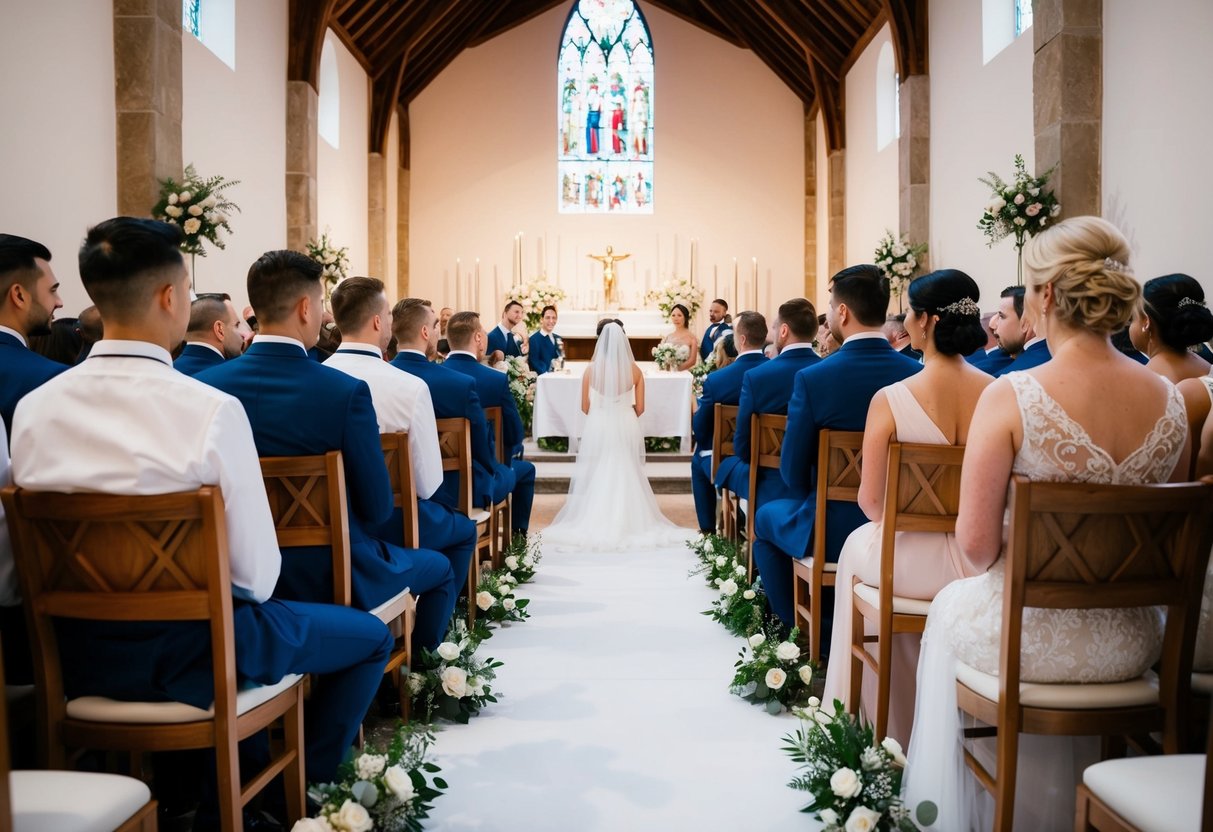
When planning your wedding ceremony, you may wonder about the roles of your groomsmen and bridesmaids during the event. Typically, groomsmen and bridesmaids stand throughout the ceremony rather than sit down. This allows them to support you and be more involved in the important moments as they unfold.
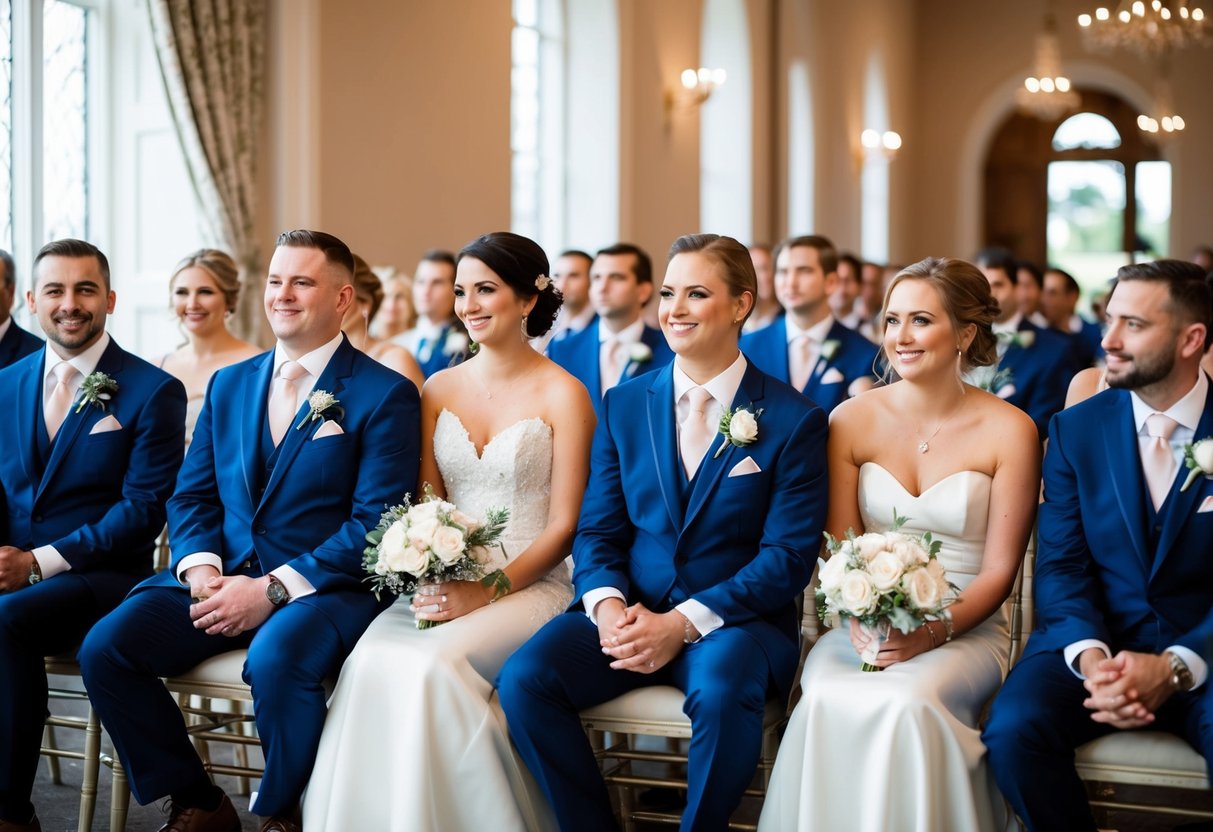
Traditions vary by location. In the UK, it’s common for bridesmaids to sit in the front row. In the US, they usually stand beside the bride and groom. You can certainly decide what works best for you and your wedding style.
Understanding the seating arrangements helps create a smooth ceremony. Whether your bridal party takes a seat or remains standing, the focus should be on making your day memorable for everyone involved.
Understanding the Ceremony Layout
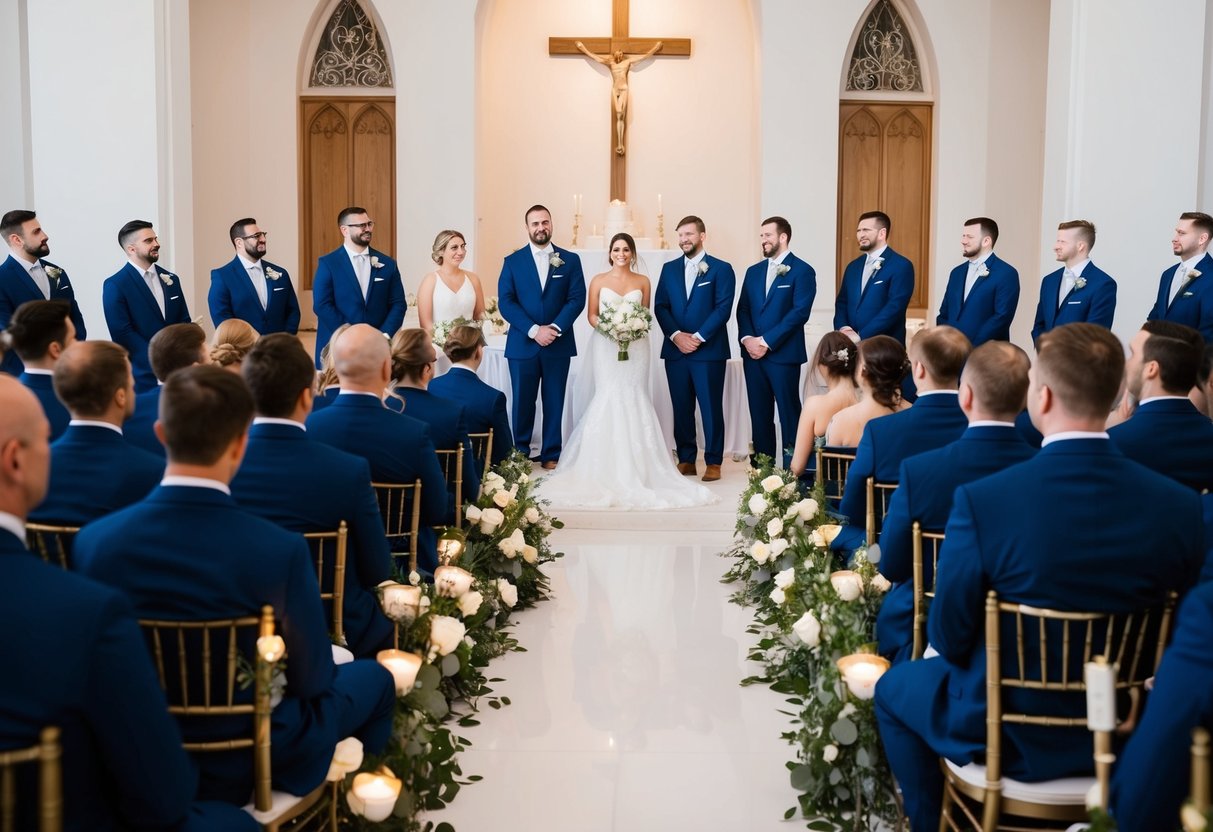
The layout of a wedding ceremony plays a significant role in setting the tone for the event. Knowing where participants like groomsmen and bridesmaids are seated can help you plan better for your special day.
The Role of Altar or Chuppah in Seating
In many ceremonies, the altar or chuppah is a focal point. In a Christian wedding, the altar is typically where the officiant stands. In Jewish weddings, the chuppah symbolizes the couple’s new home.
Both structures play a crucial role in seating arrangements. The groomsmen usually stand on one side of the altar, while the bridesmaids stand on the other. This creates a clear visual separation as the ceremony unfolds.
If parents are involved, they often have special seating close to the altar or chuppah, representing their important role in the wedding.
Traditional Seating Arrangements
Traditional wedding seating arrangements can vary by culture. In Christian weddings, the seating is often straightforward. The front rows are reserved for close family, while guests occupy the remaining rows behind them.
In Jewish weddings, the arrangement can be more varied. The bride’s family typically sits on one side, while the groom’s family sits on the other. This setup emphasizes the unity of the two families joining together.
Bridesmaids and groomsmen often stand during the ceremony. They usually do not sit down until after the ceremony concludes, as they are part of the wedding party actively participating in the event. This seating setup helps create a sense of involvement and celebration.
Roles and Processional Order
In a wedding ceremony, understanding the roles of the wedding party and the order in which they enter is important. This helps create a memorable atmosphere for everyone involved. Here, you’ll learn about the arrival of the wedding party, the special roles of flower girls and ring bearers, and the key responsibilities of the maid of honor and best man.
The Arrival of the Wedding Party
The wedding processional usually begins with the groomsmen entering first, either alone or in pairs. They set the tone for the ceremony. Following them, your bridesmaids walk down the aisle, often paired with the groomsmen.
Typically, the maid of honor is the last bridesmaid to enter, signaling that the main procession is about to start. After everyone else is in place, the bride makes her entrance. The order is crucial, as it helps create an engaging visual experience.
Special Roles: Flower Girls and Ring Bearers
Flower girls and ring bearers add a charming touch to the ceremony. The flower girl typically walks down the aisle first, scattering petals or carrying a small bouquet. This role is often assigned to a young relative or family friend, adding sweetness to the day.
The ring bearer follows, carrying the wedding rings on a decorative pillow. This task usually goes to a young boy, sometimes called a page boy. Both roles are special and often leave a lasting impression on guests. Their presence helps make the day feel even more personal and heartwarming.
Maid of Honor and Best Man Responsibilities
The maid of honor and best man are key figures during the ceremony. The maid of honor supports the bride throughout the planning process and stands by her during the ceremony. She is responsible for holding the bride’s bouquet and may assist with the wedding dress as needed.
The best man also plays an important role. He supports the groom, ensuring he feels relaxed and confident. During the ceremony, the best man holds the rings until it’s time for the couple to exchange vows. Both roles require teamwork and attention to detail, ensuring everything runs smoothly on your big day.
Seating Dynamics During the Ceremony
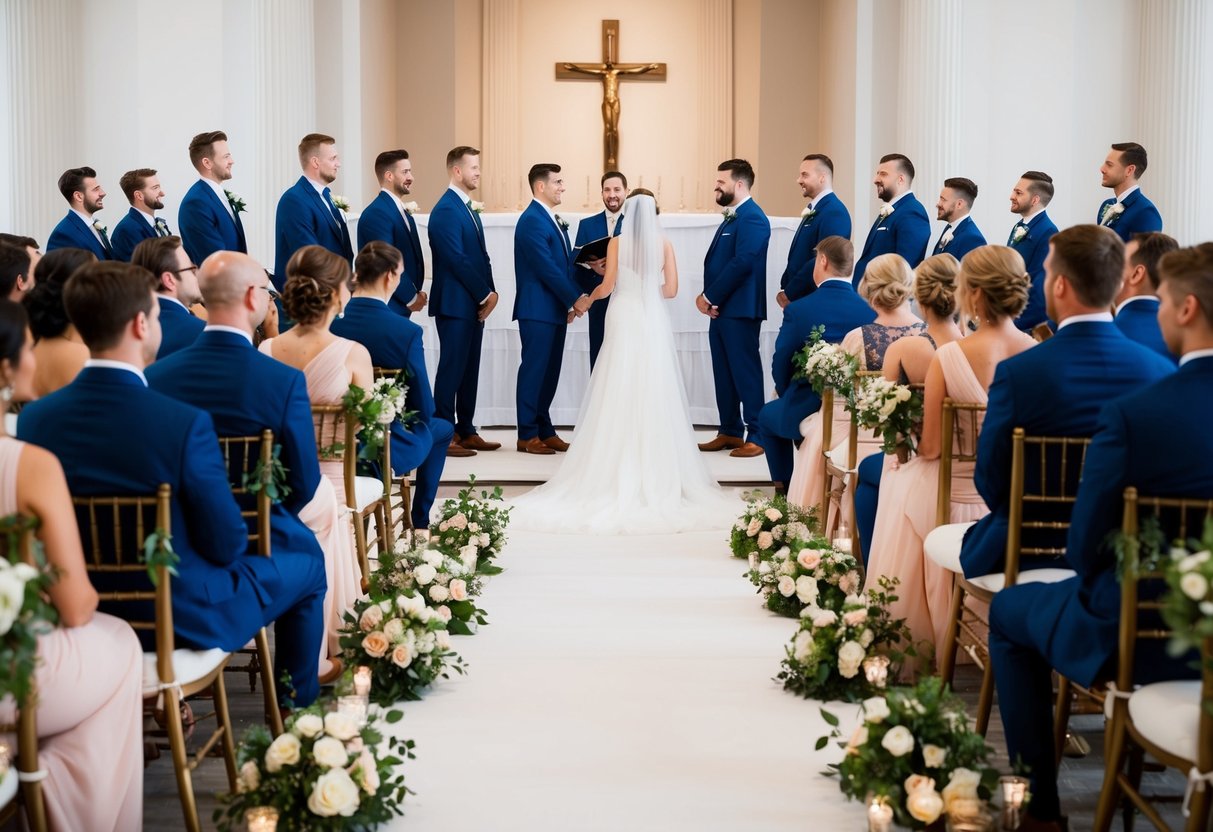
Deciding whether groomsmen and bridesmaids will sit during the ceremony can shape your wedding’s flow and feel. This choice also affects how family members and other important guests are seated.
Groomsmen and Bridesmaids Seating
When planning seating for your wedding party, consider the roles of groomsmen and bridesmaids. Typically, they stand next to you during the ceremony for support. However, you can allow them to sit if it suits your vision.
If you choose for them to stand, they will create a unified appearance as you exchange vows. If they sit, it can make for a more relaxed atmosphere but may alter the ceremony’s formality.
Make this decision based on the size of your wedding, the location, and personal comfort. Be sure to communicate your choice clearly in your seating chart or program to avoid confusion.
Family and VIP Seating Considerations
Your immediate families typically have specific seating places. It’s a common practice to seat the bride’s family on the left and the groom’s family on the right. This setup helps honor both sides and keeps traditions alive.
For VIP guests, like grandparents or special friends, consider placing them in the front row. This gives them a great view and recognizes their importance to you.
Using an assigned seating arrangement can make things easier. A seating chart helps everyone know where they should go. Be clear with your arrangement to ensure everyone feels included and valued on your special day.
Post-Ceremony and Reception Guidelines
After the ceremony, it’s time to celebrate! Understanding how to organize the grand entrance and seating arrangements will help everything run smoothly. Here are some key points to consider for a seamless transition to the reception.
Grand Entrance and Head Table Organization
The grand entrance is a fun moment that sets the tone for the reception. Typically, the DJ or emcee introduces the wedding party as they enter. You might want to have the bridesmaids and groomsmen enter in pairs or individually.
Deciding on a head table or a sweetheart table is important too. The head table usually includes the couple, their wedding party, and close family members. If you prefer a more intimate setting, a sweetheart table just for you two can be a lovely choice.
Make sure to discuss your plans with your wedding planner. They can help you coordinate the timing and flow to keep everything exciting.
Reception Seating Etiquette
Seating arrangements at the reception help guests know where to go. You can create a seating chart or place cards for a personal touch. It’s a good idea to sit families and couples together, while mixing other guests to encourage conversation.
Your wedding planner can provide guidance on how to handle any cultural or family traditions. Some cultures have specific seating arrangements based on hierarchy, so be mindful of that.
If you’re including a kids’ table, make sure it’s engaging with fun activities. This keeps the little ones entertained and lets parents enjoy the evening. Having a clear plan helps everyone feel comfortable and included.