
Do the Parents of the Bride Still Pay for the Wedding? Understanding Modern Wedding Traditions
Many soon-to-be-wed couples wonder whether the parents of the bride still pay for the wedding. Traditionally, the bride’s parents have covered most of the wedding expenses. However, this practice is much more flexible today. Couples often share costs or receive contributions from both sets of parents, which can help ease the financial burden.
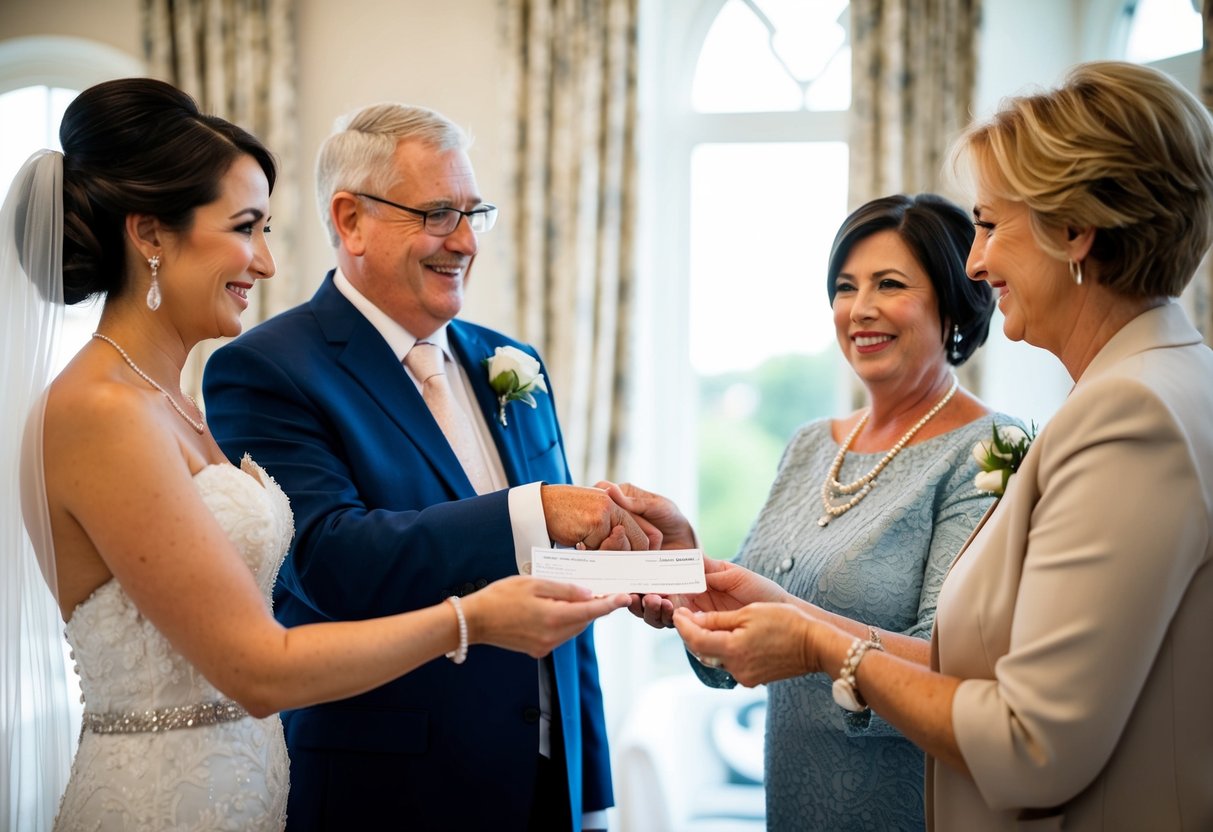
As you plan your special day, it’s important to understand these changing dynamics in wedding financing. Many families now explore different arrangements that work best for everyone involved. This not only reflects modern values but also allows for more personalized celebrations.
By considering how costs can be split, you can focus on what truly matters – creating memories with the people you love. Let’s dive into the details of how couples today are managing wedding expenses and what this means for you.
Understanding Wedding Financial Responsibilities
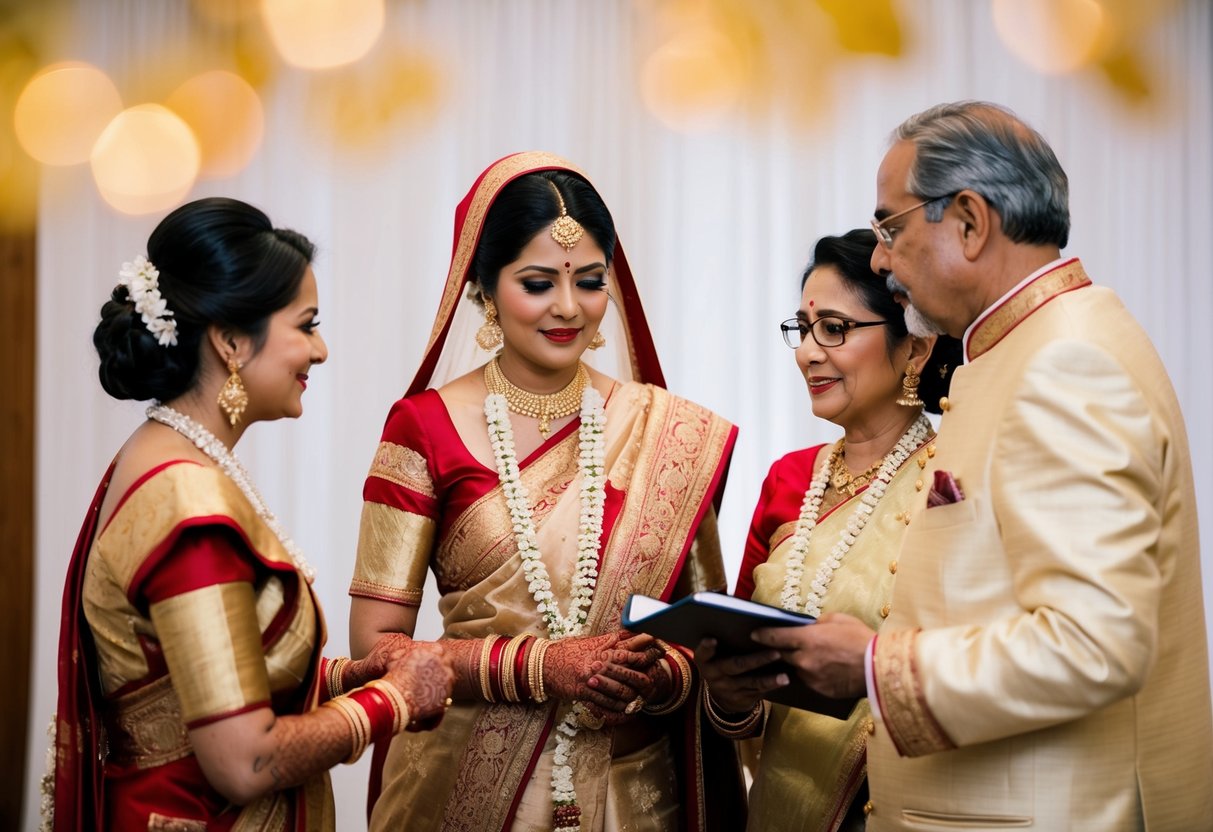
Navigating who pays for a wedding can be tricky. Traditionally, certain roles were set, but these responsibilities are changing with modern values and financial situations.
Evolving Traditions and Who Pays
Traditionally, the bride’s family typically shouldered the majority of wedding expenses, including the reception and invitations. Meanwhile, the groom’s family was usually responsible for the rehearsal dinner. In recent years, this trend has shifted.
More couples today are taking charge of their financial independence. Many decide to split costs, share contributions, or cover expenses entirely by themselves. This evolution allows you to decide what works best for you and your families without strictly adhering to tradition.
The Role of Bride’s and Groom’s Families
The involvement of both families can vary widely. While the bride’s family may still pay for several aspects, the groom’s family might contribute to specific items like the ceremony or special events.
It’s becoming common for both families to discuss and agree upon contributions upfront. You can sit down together and list out all wedding expenses, such as venue costs, catering, and attire. This transparency helps avoid misunderstandings later on. Knowing each family’s role and willingness to help can relieve stress during planning.
Financial Situation and Contributions
Each couple’s financial situation plays a crucial role in wedding planning. With the average wedding cost reaching significant amounts, many factors come into play. You might consider prioritizing essential expenses while finding ways to cut costs.
Factors like your income, savings, and family support will influence decisions about expenses. If your families are willing to contribute, it’s important to discuss how much each can afford. Open communication fosters understanding and helps you make decisions that align with everyone’s financial capabilities.
Breaking Down Wedding Costs
When planning a wedding, understanding the costs involved is essential. You can keep everything organized by breaking down the main expenses and deciding how to allocate them among family members. Here’s what you need to know.
Major Expenses and Budgeting
Creating a wedding budget is crucial for managing your expenses effectively. Major costs typically include:
- Wedding Venue: The location often takes up a big chunk of your budget. Popular venues can be pricey, so consider options that fit your style and finances.
- Wedding Dress: The dress can also significantly affect your costs. Make sure to set aside enough for alterations and accessories.
- Wedding Reception: This includes catering, drinks, and potentially a rental for tables and chairs. Know how many guests you wish to invite, as this greatly impacts the overall price.
- Photography and Entertainment: Capturing memories is important. Factor in costs for photographers, DJs, or bands.
Sticking to a budget can help avoid overspending.
Allocating Costs Among Family Members
Traditionally, the bride’s family covers many expenses. Today, it’s common for couples to share costs with both sets of parents. Here are some ways to allocate:
- Bride’s Family: They typically handle costs like the wedding dress, invitations, and ceremony.
- Groom’s Family: Often contributes to the reception, rehearsal dinner, and sometimes the honeymoon.
- Couple’s Contributions: Many couples now pay for parts of the wedding themselves, especially items like the honeymoon.
Open communication with family members about who pays for what can reduce financial stress and help ensure everyone is on the same page.
Key Wedding Elements and Associated Costs
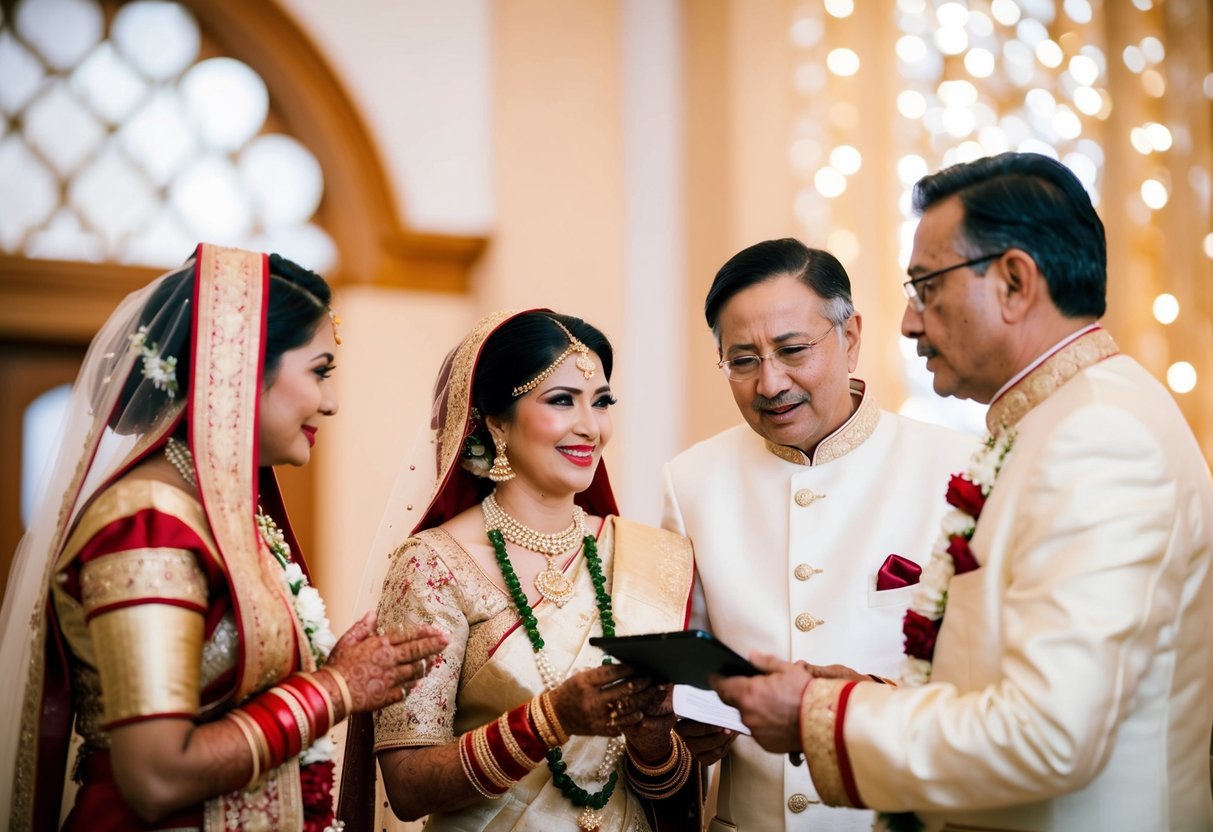
Weddings can involve many costs that might surprise you. Knowing the key elements and their expenses will help you plan better and make informed choices.
Pre-Wedding Events
Your wedding journey often starts with pre-wedding events. These include the engagement party and the rehearsal dinner.
- Engagement Party: This celebration typically costs between $300 to $1,000 and may include food, drinks, and rentals.
- Rehearsal Dinner: Held the night before the wedding, this can range from $1,000 to $3,000, depending on the location and guest count.
You might also want to consider costs for invitations, which can range from $1 to $10 each, adding up quickly based on your guest list. Don’t forget the engagement ring, often seen as a significant investment, averaging around $5,000 to $10,000.
The Big Day Details
On your wedding day, there are several crucial expenses to plan for. The venue, catering, and attire will likely be major costs.
- Wedding Gown: This can range from $500 to $5,000 or more, depending on the designer and style.
- Photographer: Quality photography is vital. Expect to spend between $1,500 and $4,000 for photography and videography packages.
- Wedding Cake: Specialty cakes can cost between $300 and $1,000. Don’t forget to include decorations, which can add additional costs.
You’ll also need to budget for wedding flowers, typically costing about $1,500 to $3,000, depending on the season and choice of blooms. Consider adding a wedding band, which could range from $1,000 to $3,000.
Post-Wedding Considerations
After the wedding, you still need to consider some important costs. For example, you might want to plan for your honeymoon. Costs here can vary widely, but many spend around $5,000.
You should also think about wedding party gifts. These generally range from $50 to $150 per person. Lastly, don’t overlook the getaway car, which can cost between $200 and $500 to rent.