
Do Wedding Guests Pay for Their Meal? Understanding Etiquette and Expectations
When planning a wedding, one question that often comes up is about meal costs. Many couples wonder if it’s acceptable to ask their guests to pay for their own meals at the reception. Traditionally, wedding guests are invited to enjoy a meal that the couple hosts, so asking them to pay is generally seen as impolite.

However, modern weddings are evolving, and some couples are exploring different options to manage their budgets. If you’re considering this route, it’s important to think about how it may affect your guests and the overall experience of your celebration.
Finding the right balance can be tricky, but with clear communication and thoughtful planning, you can create an enjoyable experience for both you and your guests. The key is to be considerate of their feelings while making choices that work for your budget.
Understanding Wedding Costs
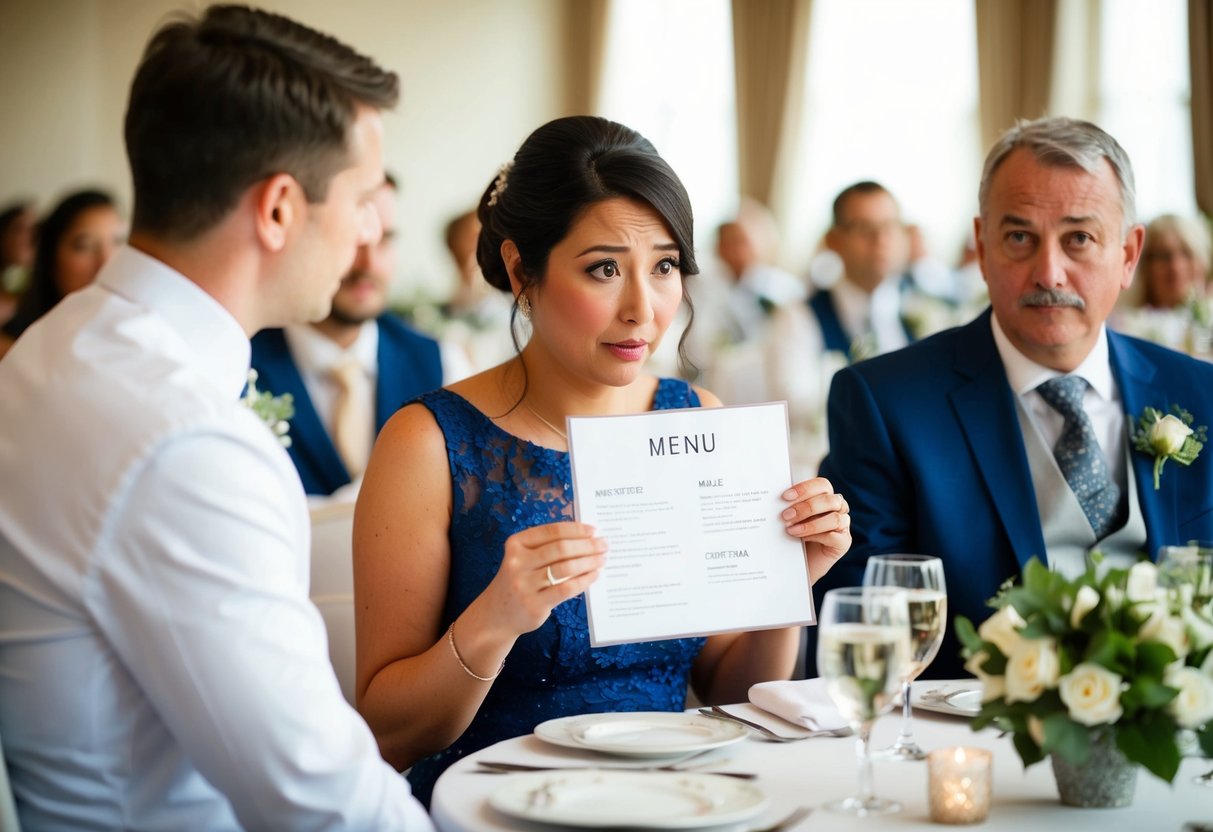
Planning a wedding involves navigating various expenses that can quickly add up. Knowing how to break down these costs and understanding your wedding budget can help you manage everything without feeling overwhelmed.
Breaking Down Wedding Expenses
To get a clear picture of your wedding expenses, start by listing the major areas of spending.
Common categories include:
- Venue: This can be one of the largest costs, often depending on location and time of year.
- Catering: Food and drink for guests is essential, making it crucial to budget wisely.
- Attire: Consider costs for both your outfit and the bridal party.
- Photography and Videography: Capturing the day’s memories is important and can vary greatly in price.
Take time to research average costs in your area. For example, couples in California might find that wedding expenses exceed $40,000, while those in Ohio may aim closer to $25,000. This data helps you set realistic expectations.
The Role of the Wedding Budget
Your wedding budget is your roadmap. Start by determining how much you can afford and where the funds will come from.
If your parents, especially the groom’s parents, are contributing, talk openly about their planned contributions.
Make a list of must-haves versus nice-to-haves. This helps prioritize spending.
Include funds for unexpected expenses too, as these can arise during planning.
Break your budget into specific categories and regularly track expenses to stay in check. By keeping a close watch on your budget, you’ll be able to enjoy your day with less stress about the costs involved.
Guest Contributions and Etiquette
When planning a wedding, it’s important to think about how to handle guest contributions and the etiquette surrounding it. Clear communication and understanding of financial expectations can help make the process smoother for everyone involved.
Communication and Expectations
Before sending out your invitations, discuss your budget with your partner. This way, you can determine if you need guests to contribute to their meals. If you decide to ask for contributions, be upfront about it in your invitations.
You can use phrases like, “We would love your presence and support at our celebration!” If you are concerned about guests’ reactions, consider offering options like a potluck or a simple reception where guests can cover some meal costs. Clear communication helps set the right tone and manage expectations.
Wedding Etiquette for Guest Expenses
Traditionally, it’s considered improper to ask guests to pay for their own meals at a wedding. Guests are already expected to cover travel, gifts, and outfits. If finances are tight, consider alternative approaches to keep costs down without burdening guests.
You could choose a more budget-friendly venue or serve a simpler menu. If you do ask guests to contribute, frame it kindly to avoid any feelings of discomfort. Most importantly, remember that this is a celebration of love, and your guests will want to support you without feeling pressured financially. Prioritizing courtesy and understanding is key.
Navigating Meal Arrangements
When planning your wedding, meal arrangements can be tricky. You might wonder if guests should pay for their own meals or how to handle the cost of food and drinks. Here’s a look at these key points to consider.
Do Guests Pay for Their Own Meals?
Asking guests to pay for their meals can seem awkward. Some view this as improper wedding etiquette. Traditionally, the couple covers the meal costs. Yet, if you’re on a tight budget, you might consider suggesting that guests contribute, especially for informal events.
If you choose this route, make it clear that it’s optional. Offering an “everyone pays for their own meal” option can help avoid misunderstandings. Many couples also provide complimentary drink tokens or a few free drinks to make the event feel more welcoming.
Alternatives to Guests Paying for Meals
There are several ways to handle meal costs without putting the financial burden on your guests.
One option is to have a buffet or potluck style meal. This allows guests to contribute their favorite dishes while easing costs.
Another idea is to offer a cash bar instead of an open bar. Guests enjoy drinks without you needing to foot the entire bill. If you want a balance, consider providing a set number of complimentary drinks, then switch to a cash bar for extra beverages. This creates a friendly atmosphere while controlling expenses.
These alternatives can keep everyone happy while allowing you to stick to your budget.
Pre-Wedding and Post-Wedding Events
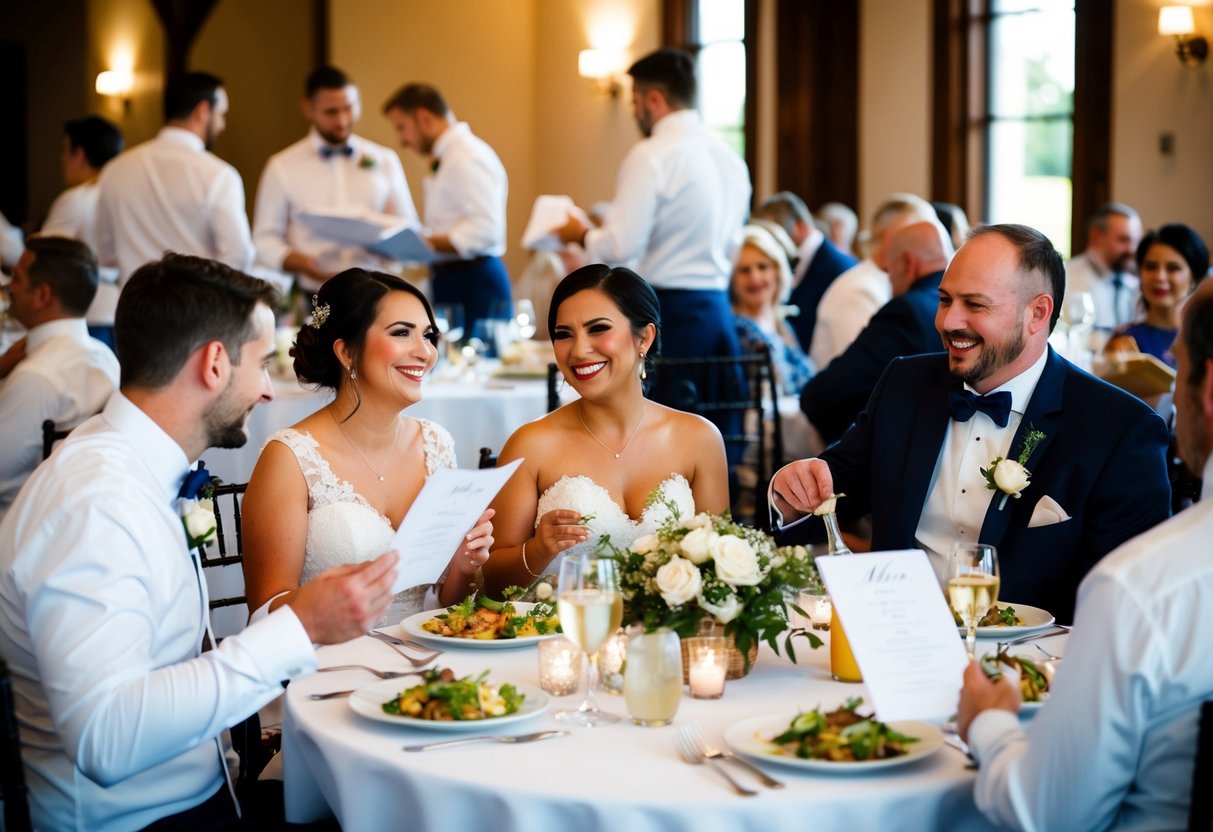
Pre-wedding and post-wedding events often come with their own set of financial expectations. Understanding who pays for which events can help you plan better and avoid misunderstandings with your guests.
Rehearsal Dinner Costs
The rehearsal dinner is a common pre-wedding event. Traditionally, the groom’s family pays for this dinner. However, it’s becoming more common for couples or both families to share this cost.
It’s important to communicate clearly about these arrangements. You might want to ask for RSVPs to get an accurate headcount, which will help with planning the budget.
If you’re considering having guests chip in, keep it optional. Guests may appreciate the chance to contribute, but it’s essential to avoid putting pressure on them. Remember, your friends and family want to celebrate with you!