
Do Wedding Guests Still Wear Buttonholes? A Look at Modern Trends
Weddings often come with traditions that can feel a bit confusing. You might wonder if wedding guests still wear buttonholes. Traditionally, guests don’t wear buttonholes; they are typically reserved for the groom and groomsmen.
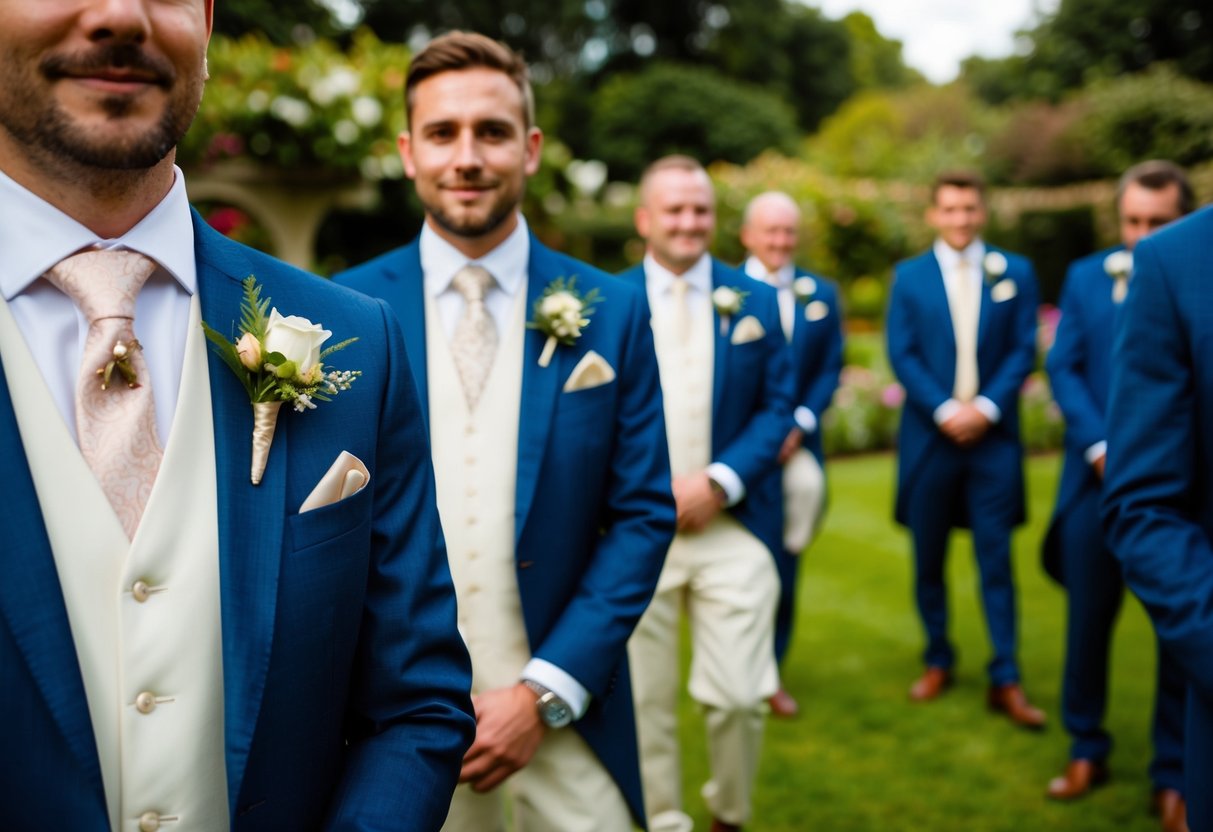
However, the rules around wedding attire are changing. Some guests choose to wear buttonholes to add a special touch to their outfit, but it’s not necessary.
As you explore this topic, you’ll find out how buttonholes differ from corsages and discover who might still wear them at modern weddings.
So, if you’re getting ready for a wedding and want to know whether to don a buttonhole yourself, keep reading to learn more about this charming tradition and what it could mean for your special day!
History and Significance of Buttonholes
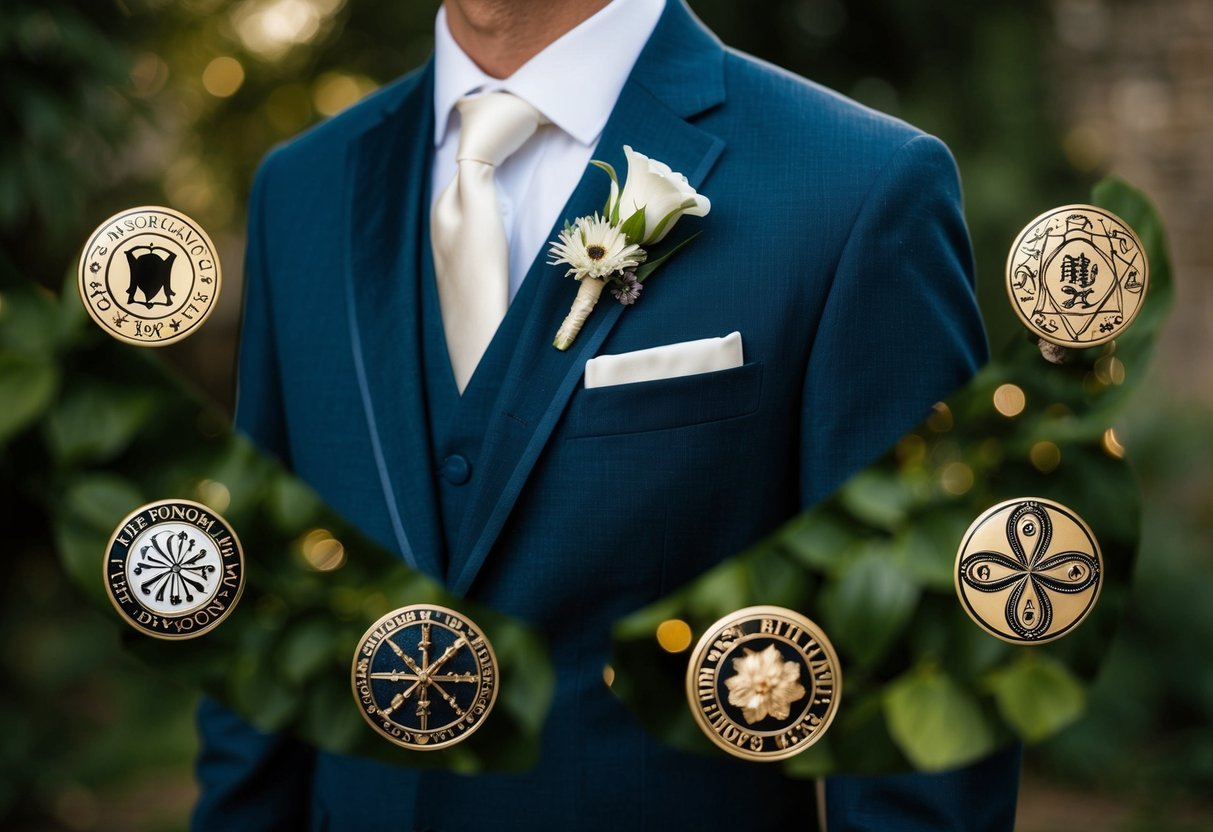
Buttonholes have a long and interesting history. Traditionally, male members of the wedding party wear these small floral pieces. They help distinguish groomsmen, the best man, and fathers of the bride and groom from other guests.
In the past, wearing a buttonhole was a way to signify your role in the wedding. Today, while buttonholes are less common for guests, they still hold significance on the wedding day.
Along with buttonholes, corsages are often worn by important female guests, like mothers and grandmothers. These floral arrangements add a touch of elegance and can match the wedding colors.
When it comes to buttonhole style rules, consider a few tips:
- Placement: Men usually wear buttonholes on the left side, while women may wear them on the right.
- Floral Choices: Choose flowers that complement the wedding theme and colors.
- Simplicity: Keep it simple; a single flower often works best.
Though buttonholes may not be required for all guests, they can enhance the wedding atmosphere. If you’re attending a wedding, it’s a charming way to show your support and celebration of the couple’s special day!
Buttonholes for the Wedding Party

Buttonholes add a special touch to the wedding party’s attire. They symbolize the roles of the people involved in the ceremony and help distinguish them from guests. Let’s look closer at who typically wears buttonholes.
The Groom and Groomsmen
The groom and his groomsmen often wear boutonnières pinned to their left lapels. These small floral arrangements can match the wedding’s color scheme or theme.
Typically, the groom’s boutonnière is slightly larger or more elaborate than those worn by the groomsmen. This distinction highlights his important role.
Groomsmen may also wear different style flowers or colors, but they should still coordinate well with the groom’s choice. This attention to detail helps create a coordinated look for the bridal party.
Mothers and Grandmothers
The mothers of the bride and groom often wear flowers as well. Traditionally, they wear corsages instead of boutonnières. A corsage is typically worn on the wrist or pinned to a dress.
These arrangements can reflect the wedding’s colors or the personal style of the mothers. It’s common for the mother of the bride and mother of the groom to wear matching flowers to symbolize their bond during the ceremony.
Grandmothers may also receive corsages, showing their importance in supporting the couple. Including these special flowers can make them feel included and honored during the celebration.
Bridesmaids and Flower Girls
While bridesmaids usually carry bouquets, wearing boutonnières is less common. Instead, they focus on carrying small, beautiful flowers that match their dresses. This keeps their look elegant and coordinated.
Flower girls typically do not wear boutonnières either. Instead, they often have flower crowns or small bouquets. This adds a whimsical touch and enhances their charming presence.
If you do want to include boutonnières for bridesmaids, consider a small, simple flower option. This can keep everything consistent while still adding a unique element.
Guests and Buttonholes

Buttonholes can add a nice touch to your wedding outfit, but knowing when and how to wear them is important. Understanding the etiquette for guests can help ensure you look your best while respecting the occasion.
Etiquette for All Guests
As a wedding guest, wearing a buttonhole is generally not mandatory. Traditional etiquette suggests that only the bridal party, like groomsmen and fathers, typically wear them. You can opt for a buttonhole if it matches your outfit and you want to join in the celebration.
If you decide to wear one, make sure it complements the wedding colors and style. Remember to place it on the left side of your jacket.
If you are a woman and prefer a more feminine touch, consider wearing a wrist corsage instead. This option is stylish and won’t damage your dress.
Special Considerations for VIP Guests
VIP guests, such as close family or friends of the couple, may have more leeway. If you’re in this category, wearing a buttonhole can express your special connection to the couple. It’s also a way to show you belong to the group celebrating the event.
When choosing your buttonhole style, ensure it stands out but does not overshadow the wedding party.
For ladies, remember that if you opt for a buttonhole, placing it on the right side is customary. This small detail can make a big difference in your overall look at the wedding.
Choosing and Wearing Buttonholes

When selecting and wearing buttonholes, it’s important to consider the types available, correct placement, and how they align with the wedding theme. This ensures that you look your best and complement the overall celebration.
Types of Buttonholes and Corsages
Buttonholes and corsages come in various types to suit different styles. A classic buttonhole typically features a single flower, like a rose or carnation, pinned to your jacket.
You might also choose a more elaborate design with greenery or accents like feathers for a unique touch.
Corsages, often worn by women, can be attached to the wrist or pinned to clothing. A wrist corsage is a lovely option that frees your hands, allowing ease during the event.
Additionally, some might prefer a floral crown or hair fascinator, which can add charm and elegance.
Correct Placement and Attachment
Knowing where to place your buttonhole or corsage is key.
For buttonholes, pin it on the left lapel of your jacket, preferably just above the heart. It’s best to use a floral pin to secure it without causing damage to your outfit.
If you opt for a corsage, attach it to the outside of your wrist or on the shoulder for visibility. Avoid using bulky pins that can ruin your clothing.
Always ensure it is snug but not too tight, allowing the flowers to stay fresh throughout the event.
Coordinating with Wedding Theme
Your buttonhole or corsage choice should enhance the wedding’s style. If the wedding boasts a specific color scheme, select flowers that match or complement those shades. For example, if bright blooms are part of the floral decor, consider vibrant flowers.
In a formal occasion, like a black-tie wedding, a simpler, monochromatic look often works best. You might use a single flower or a minimalist design tied with a ribbon. Make sure your choice reflects the overall aesthetic, including the bridal bouquet and any floral arrangements throughout the venue.