
Do Wedding Rings Go Up in Value? Understanding Their Worth Over Time
When choosing a wedding ring, many people wonder about its potential value over time. You may hope that your special piece of jewelry will appreciate as an investment. Unfortunately, most wedding rings tend to lose value, especially if you try to sell them later.
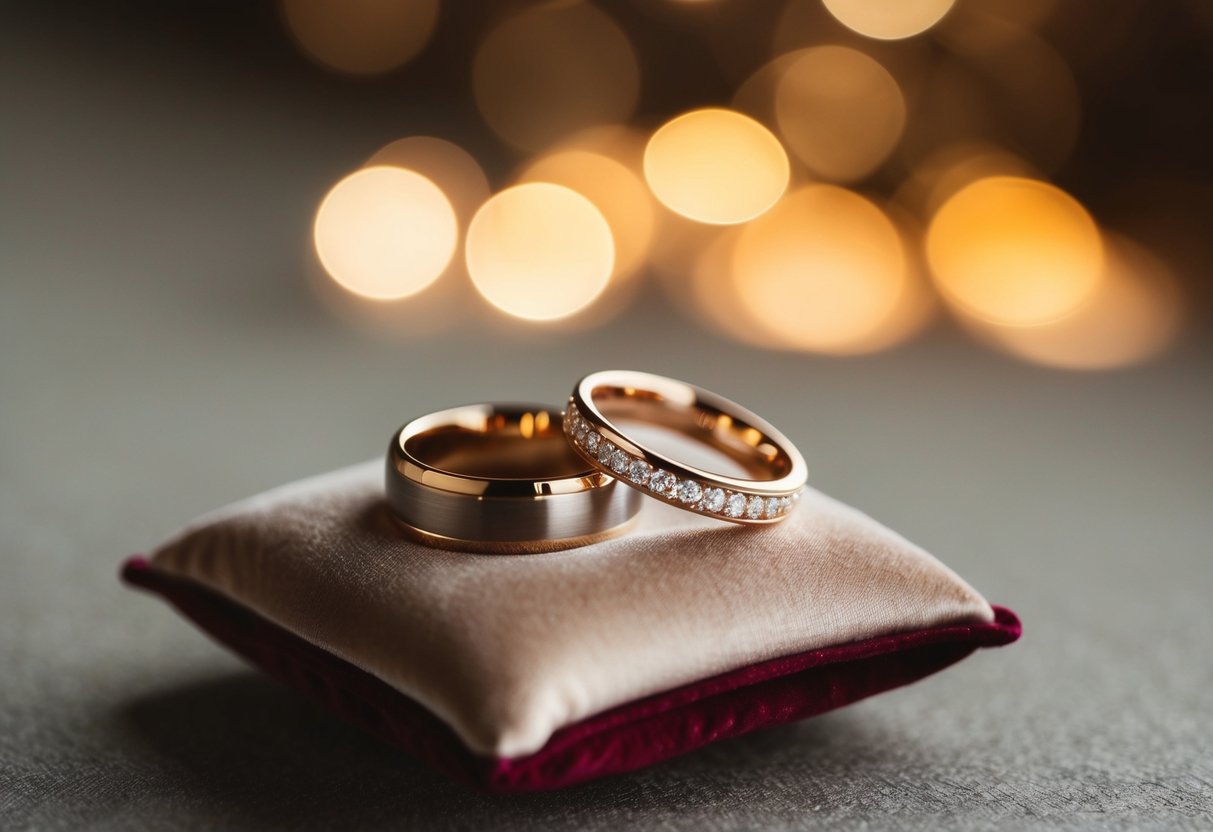
While diamonds and precious metals can sometimes increase in price, market fluctuations often mean that wedding rings don’t hold their retail value. You might only get a fraction of what you paid when selling.
As you explore this topic further, you’ll find valuable insights on keeping your ring in good condition and how certain factors can affect its worth.
The Basics of Wedding Ring Value
When considering wedding rings as an investment, it’s essential to understand how their value is determined. Several factors impact their worth, including the type of stone, market trends, and even the ring’s condition.
Understanding Jewelry as an Investment
Jewelry, especially diamond rings, can hold substantial sentimental value, but its investment potential varies. Natural diamonds typically come with a higher resale value compared to lab-created diamonds. This difference arises from the scarcity of natural stones.
While diamonds can appreciate in value over time, many lose a significant percentage, often 25% to 50%, when sold. This means you need to evaluate the long-term value carefully. Pay attention to carat weight, as larger diamonds generally fetch higher prices.
Factors That Affect Wedding Ring Value
Several key factors influence the value of your wedding ring.
-
Diamond Quality: The Four Cs (cut, color, clarity, and carat weight) play a crucial role in determining a diamond’s worth. A high-quality cut can enhance a diamond’s beauty and resale value.
-
Market Fluctuations: Just like any commodity, the price of diamonds can change due to market conditions. Keeping an eye on current trends can help you gauge when to buy or sell.
-
Ring Condition: Maintaining the ring’s condition is vital. Rings in excellent shape tend to have better resale values.
-
Designer Influence: Rings made by well-known designers can be more valuable. Brand reputation can significantly affect resale prices.
Assessing the Resale Market for Wedding Rings
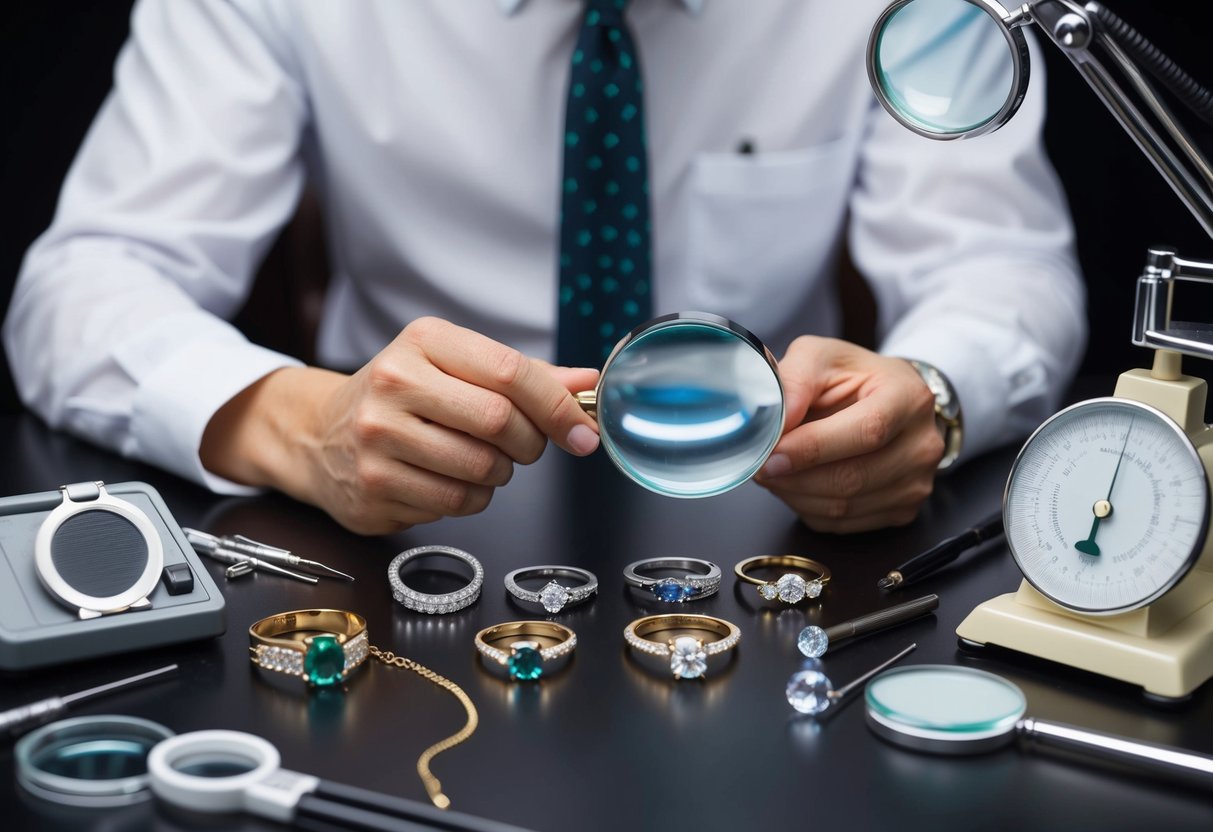
When looking at the resale market for wedding rings, two critical areas to consider are the differences between certified and non-certified diamonds and how luxury brands impact resale value. Understanding these factors can help you make informed decisions.
Certified Diamonds vs. Non-Certified
Certified diamonds have been graded by recognized gemological organizations. This certification assures buyers of the diamond’s quality, including its cut, clarity, color, and carat weight. Because of this trust, certified diamonds typically fetch higher resale prices compared to non-certified ones.
When you sell a certified diamond, you might see a higher resale value due to the documented proof of quality. On the other hand, non-certified diamonds often lack the same level of buyer confidence, leading to lower interest and consequently lower offers from diamond buyers. If you’re considering selling your wedding ring, opting for a certified diamond can make a significant difference in your potential profit.
The Influence of Luxury Brands on Resale Value
Luxury brands like Cartier have a strong command in the jewelry market. Rings from these brands often maintain better resale values than those from non-luxury retailers. This brand recognition enhances consumer trust and desire, which can lead to higher prices when you sell.
You may find that a Cartier ring or one from a similar luxury brand significantly appreciates compared to generic options. This can be attributed to their craftsmanship, design, and reputation. When potential buyers see a well-known name, they may be willing to pay more. Investing in a luxury brand can lead to better diamond resale value when it’s time to sell your ring.
Specifics of Diamond Rings as Assets
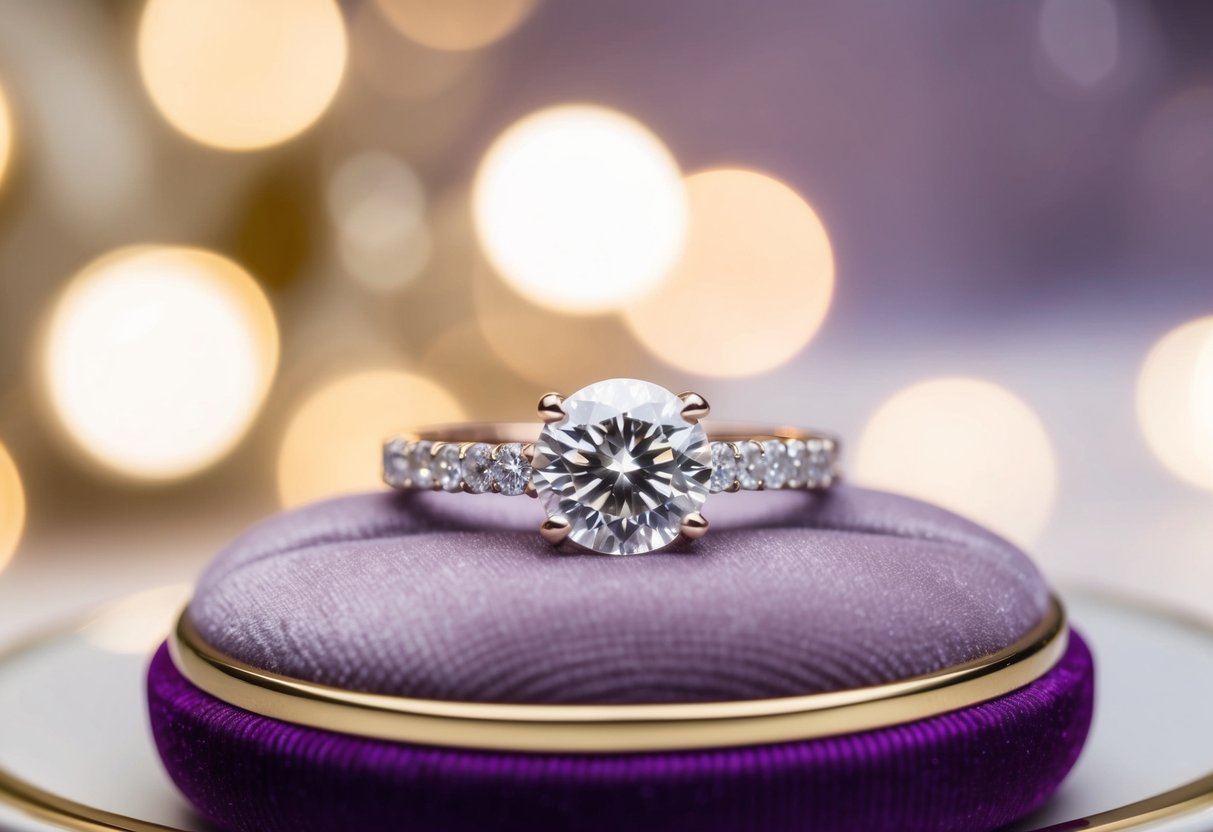
When considering diamond rings as assets, it’s helpful to focus on their value over time and specific features. Understanding how these factors influence the worth of diamond engagement rings can guide your decisions.
Diamond Engagement Rings: A Closer Look
Diamond engagement rings represent more than just a commitment; they are symbols of love and significant investments. Factors like the diamond’s cut, clarity, color, and carat weight are essential when assessing the value of your ring.
High-quality rings with better grades generally hold their value better than lower quality ones. Remember, diamonds with certificates from reputable grading organizations tend to have a stronger resale appeal. Your choice in design and setting can also impact resale value. Classic styles often sell better than trendy ones.
Do Diamonds Lose Value Over Time?
Yes, diamonds typically lose value over time. When you buy a diamond engagement ring, it may lose about 25-50% of its value if you try to resell it. This depreciation happens for a few reasons.
First, retail prices often include significant markups. When you resell, you might only receive a fraction of what you initially paid. While the prices of diamonds have been showing a slow increase, the resale market remains challenging.
It’s wise to view a diamond more as a sentimental asset rather than a financial one. While maintaining its beauty, its resale value might not meet expectations.
Navigating the Vintage and Antique Ring Market
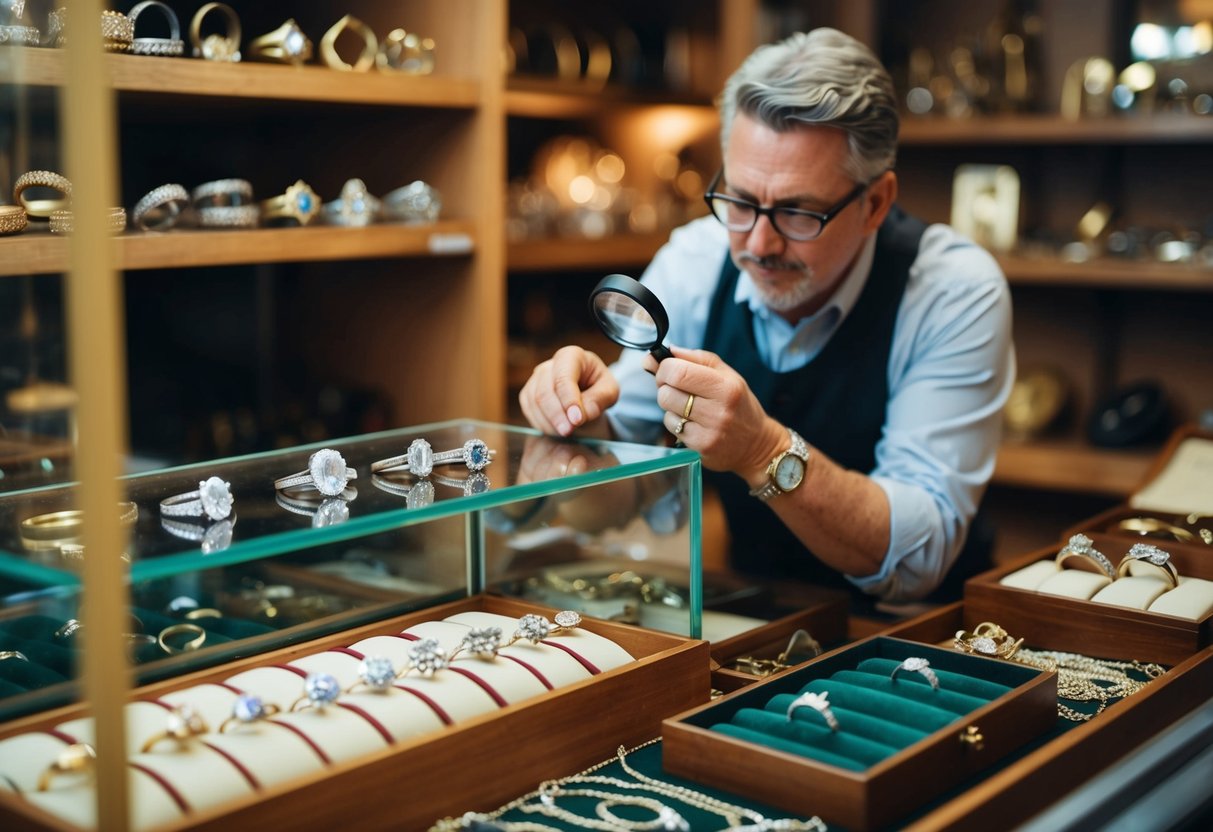
Exploring vintage and antique rings can be both exciting and rewarding. Understanding their potential as an investment and the unique charm they offer will help you make informed choices.
Why Vintage Jewelry Can Be a Good Investment
Investing in vintage jewelry can be a smart decision. Many vintage wedding rings appreciate in value over time, especially those that are well-crafted and unique. Unlike modern pieces, vintage rings often use materials and techniques that are scarce today.
For example, a quality vintage ring featuring a GIA-certified diamond may hold its value better than mass-produced items. Additionally, the resale market for vintage jewelry is growing, thanks to increased interest from collectors and eco-conscious buyers who prefer pre-loved pieces.
If you’re considering selling later on, vintage pieces can provide a good return on investment. It’s also important to research different styles and eras, as certain designs may be more desirable than others.
The Appeal of Antique Engagement Rings
Antique engagement rings have a special allure. These rings are typically over 100 years old and often feature intricate designs that reflect the craftsmanship of their time. Many couples love the history and story behind an antique engagement ring.
Choosing an antique ring can also be more sustainable. By selecting a pre-owned piece, you’re reducing the demand for new mining, making it an eco-friendly choice.
When shopping for an antique ring, look for quality gemstones and the overall condition of the ring. Ensure that you choose a piece that speaks to you personally.
The combination of beauty, history, and potential value makes antique engagement rings a popular option for many.