
Do Wedding Venues Provide Cutlery? What You Need to Know for Your Big Day
When planning your wedding, you might wonder about the details that can make or break the big day, such as whether the wedding venue provides cutlery. Many venues do not supply cutlery, leaving that responsibility to you or your catering services.
This means it’s important to ask your venue directly to avoid last-minute surprises.
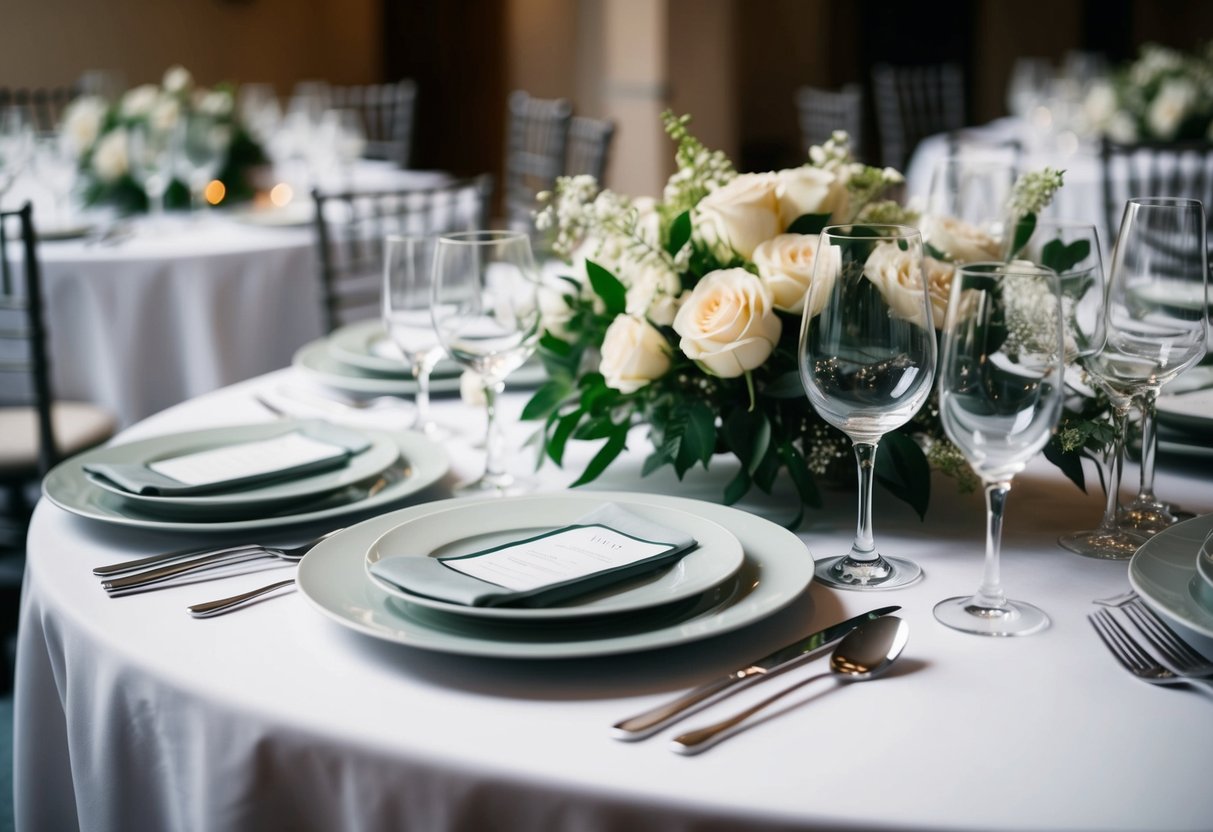
Thinking about the logistics can feel overwhelming, but knowing what to expect helps ease some of the stress. If your chosen venue doesn’t provide cutlery, you can look into rental options.
Many catering services can also provide dishes and utensils, making it easier for you to focus on the fun aspects of wedding planning.
By clarifying these details early in the planning process, you can ensure everything runs smoothly on your wedding day. Just remember to communicate with your venue and caterers to find solutions that fit your needs.
Understanding Venue Basics
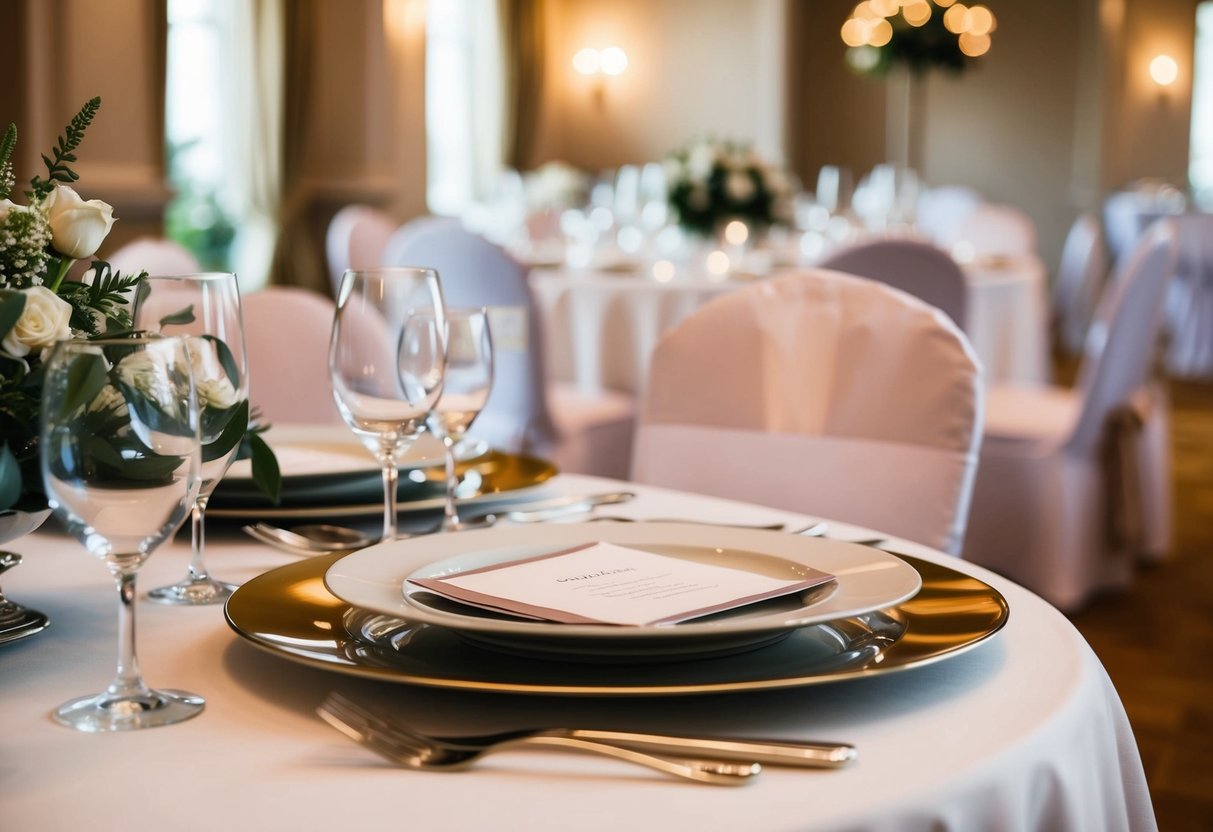
When choosing a wedding venue, it’s important to know what different types offer and what is typically included in packages. You’ll also want to consider the location and size, as these factors can greatly influence your big day.
Types of Wedding Venues and Their Offerings
Wedding venues can vary greatly, affecting what they provide for your reception. Common types include:
- Ballrooms: Often come with tables, chairs, and basic utensils.
- Outdoor Venues: May require more rentals, like cutlery and table settings.
- Barns or Rustic Spaces: These might offer a unique vibe but often need additional rentals for dining items.
It’s wise to ask specific questions about what is included in your venue choice. Some venues may have partnerships with rental companies that can save you time and stress.
What to Expect in a Wedding Venue Package
A venue package typically includes essentials for your wedding. Here’s what you might find:
- Tables and Chairs: Most venues provide these as part of the package.
- Linens: Check if tablecloths, napkins, and other linens are included.
- Cutlery and Dishes: This can vary. Some venues offer everything, while others require rentals.
Make sure to discuss what you need for a smooth flow to your reception. Knowing these details can help you feel prepared and organized on your special day.
The Significance of Venue Location and Size
The location of your venue plays a crucial role in accessibility for your guests. An easily reachable venue can enhance attendance and overall enjoyment.
Size is equally important. A smaller venue can create intimacy, while a larger one may accommodate a big guest list. Think about:
- Guest Count: Ensure there’s enough space for everyone comfortably.
- Parking: Consider the convenience your venue offers regarding parking options.
Choosing the right venue size and location can make a big difference in how your wedding feels for you and your guests.
Catering and Dining Options
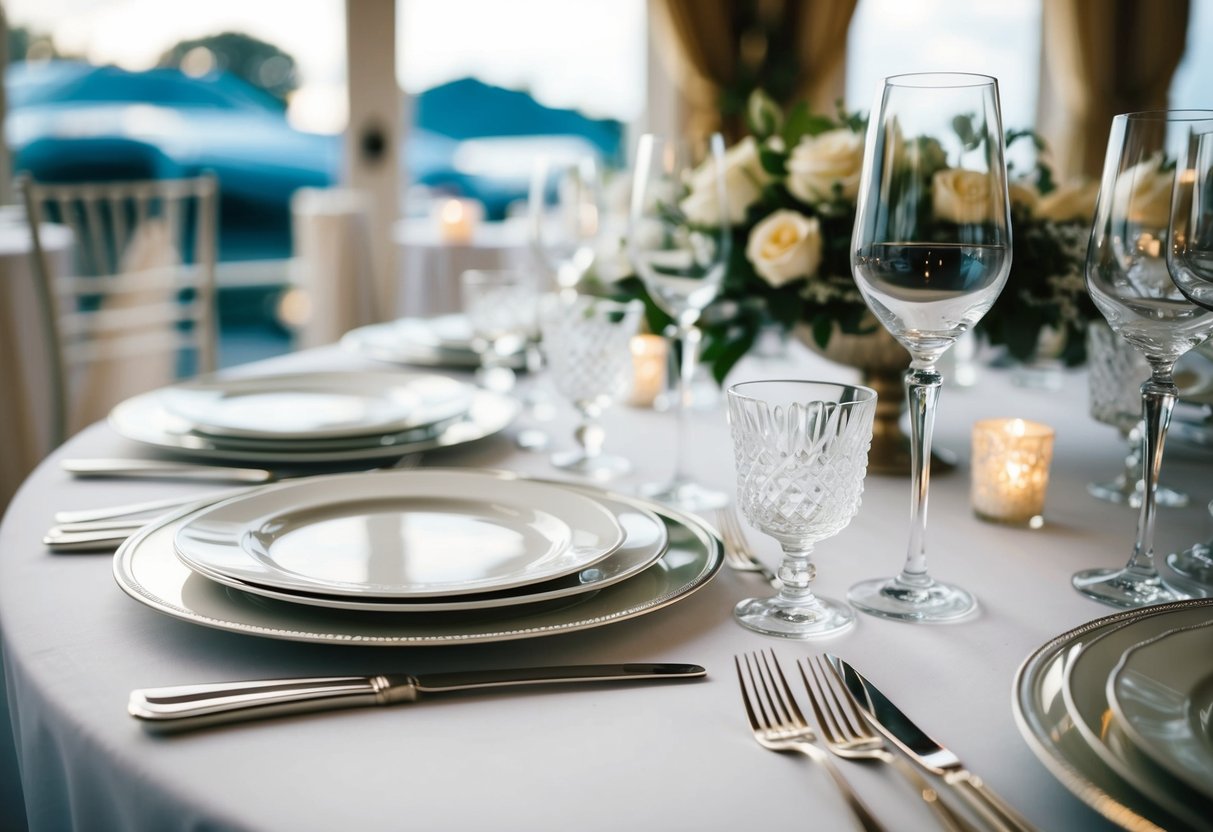
Choosing the right catering and dining options is key to creating a memorable wedding experience. From selecting the menu to planning service styles, these decisions shape how your guests enjoy the celebration.
Exploring Your Catering Style and Service
When considering your catering style, think about whether you want a sit-down dinner, buffet, or even street food vans. Each option offers a unique feel. A buffet encourages mingling, while a sit-down meal provides formality.
You can also look into catering styles like grazing tables or bowl food, which offer a more relaxed vibe. Think about how you want your guests to experience food and service. Including drinks packages and thoughtful bar staff can enhance your catering choice significantly.
How to Select Your Wedding Menu
Selecting your wedding menu can be one of the most exciting parts of planning. Start by narrowing down popular dishes that you both love. You might want to include classic options like chicken or beef, or get creative with vegetarian selections.
Don’t forget that many caterers offer a complimentary food tasting. This allows you to sample dishes before making a decision. Consider including options for children’s menus or kosher options if your guests have specific dietary needs.
Planning for evening food, such as a hog roast or late-night snacks, can keep the celebration going and your guests satisfied.
Managing Dietary Requirements and Allergies
Managing dietary needs is crucial for a successful dining experience. Make sure to communicate clearly with your caterer about allergies and special diets. This can include vegetarian, vegan, and gluten-free options, ensuring everyone finds something delicious.
You may also want to offer a set menu with choices to accommodate different tastes. Don’t overlook children’s meals; keeping them in mind helps create a family-friendly atmosphere. Always double-check with your catering team about how they handle specific requests, so you can enjoy peace of mind on your big day.
Venue Amenities and Rentals
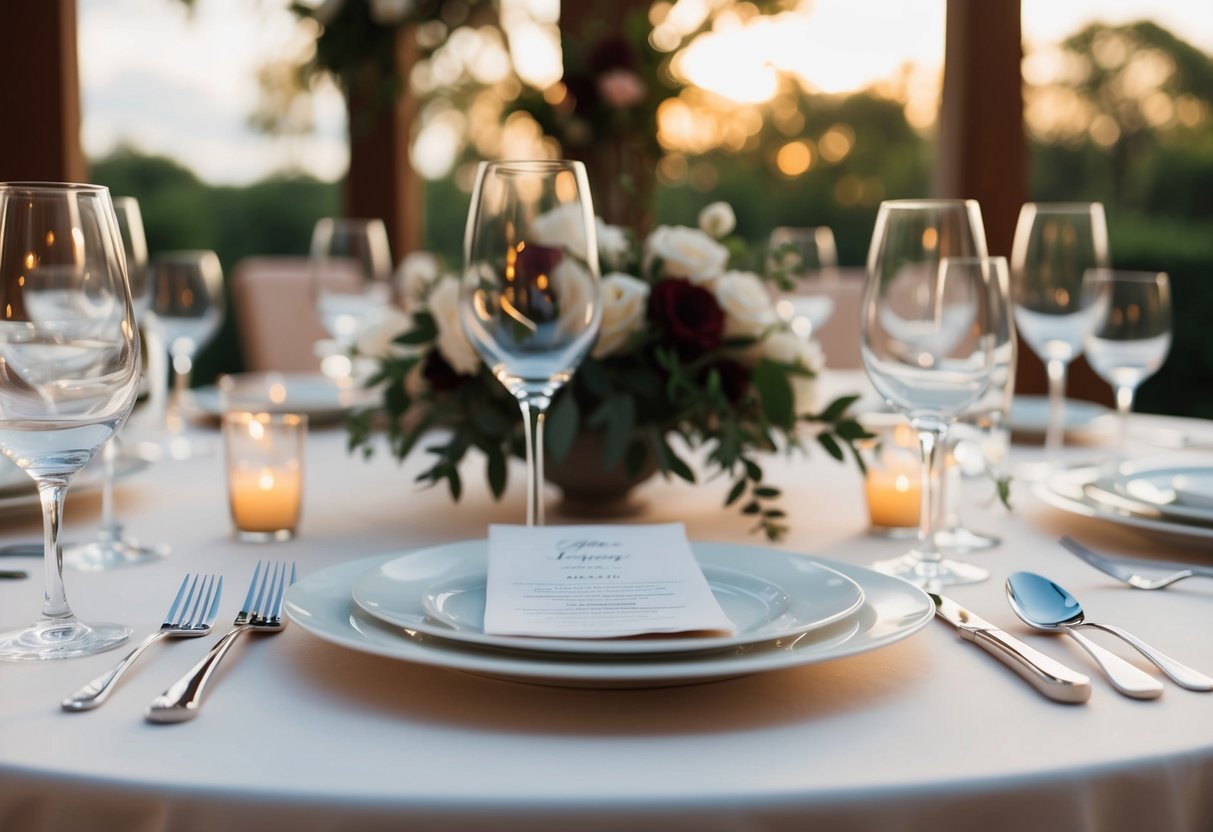
When planning your wedding, it’s crucial to know what amenities your venue provides. Understanding what is included and what needs to be sourced externally can help you stay within budget and avoid surprises.
Inventory List: What’s Usually Included?
Most wedding venues offer a basic inventory of items you will need for your event. Typically included are:
- Tables and Chairs: Standard seating and surfaces for your guests.
- Flatware and Dinnerware: Forks, knives, spoons, plates, and bowls.
- Glassware: Water glasses, wine glasses, and champagne flutes.
- Table Linens: Tablecloths and napkins.
Some venues may also provide additional items like bread baskets or serving platters. Always check with your venue to confirm the specifics, as offerings can vary widely.
Rentals: When to Source Externally
In some cases, venues may not provide everything you need. If you want personalized or high-end options, consider renting items from external vendors. Popular rentals include:
- Unique Table Settings: Choose specific styles of dishware or glassware.
- Decorative Linens: You might want colors and patterns that match your theme.
- Dance Floor: If your venue doesn’t have a suitable space, you’ll need to rent this separately.
Also, be mindful of food allergies; making sure you have appropriate catering equipment is essential.
Understanding Rental Fees and Charges
When renting items for your wedding, be aware of potential fees. Common charges include:
- Rental Costs: These can vary based on the vendor and quality of items.
- Delivery Charges: Some companies charge for transport of the items to your venue.
- Deposit Fees: Many places require a deposit upfront to secure your rentals.
Always read the rental contract carefully. Ask about any additional costs that might arise, so you can budget accordingly. Knowing these details can help you avoid unexpected expenses and ensure a seamless wedding day.
Financial Planning for Your Wedding

Planning your wedding budget is a crucial step in ensuring your special day runs smoothly. You need to focus on costs related to the venue and catering services, along with understanding deposits, fees, and how to save money.
Budgeting for Venue and Catering Services
When setting up your wedding budget, allocating funds for the venue and catering services is essential. This usually takes up a large portion of your budget, so careful planning is vital.
Determine the type of venue you want, whether it’s a banquet hall, outdoor space, or a unique location. Different venues have different price ranges.
Next, consider catering services. The wedding catering cost can depend on menu choices, servings, and guest count. Think about whether you want a sit-down meal, buffet, or food stations.
Tip: Get quotes from multiple rental companies to compare prices. This will help you find options that fit your budget without sacrificing quality.
Navigating Deposits, Fees, and Cancellation Policies
Understanding deposits and fees is crucial when booking your venue. Most venues require a deposit to secure your date, which is often a percentage of the overall rental cost.
Moreover, ask about any additional fees for services like cleaning, security, or setup. Don’t forget to review the cancellation policy closely. This will ensure you know what you might lose if plans change.
Make sure to clarify when the final payment is due. This can help you manage your cash flow better during your wedding planning process.
Tips for Saving on Venue and Catering Costs
Finding ways to save on venue and catering costs can help significantly reduce your overall budget. Look for venues that allow you to bring in your own outside catering or provide their own at a lower rate.
Consider off-peak days or times for your wedding, as many venues offer discounts for these slots.
In addition, using buffet-style or family-style serving can cut down on catering costs. Be flexible with the menu and consider seasonal items that might be cheaper.
Lastly, remember to keep an eye on your wedding budget as you go. Adjust your plans based on what you find works best within your budget.