
Do Weddings Have a Free Bar? Exploring the Pros and Cons
When planning your wedding, one of the big decisions you’ll face is whether or not to have a free bar for your guests. Many weddings today do feature some form of a free bar, often known as an open bar.
From champagne toasts to beer and wine, an open bar can make your celebration feel more festive and welcoming.
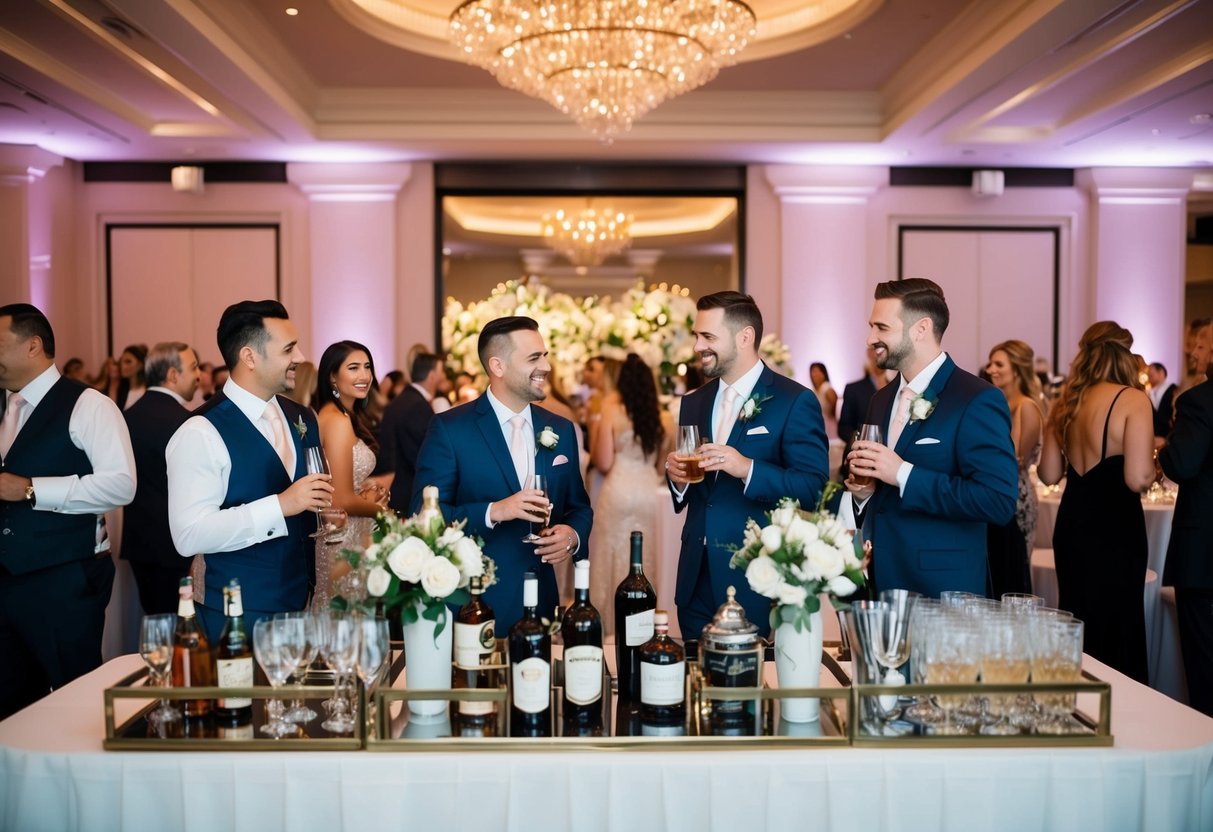
You might also consider alternatives like a cash bar, where guests pay for their drinks, or a limited selection of drinks that keeps costs down.
It’s important to think about your budget and guest list when making this choice. Providing a free bar can enhance the experience, but balancing it with your overall wedding planning goals is key.
Ultimately, your decision should reflect what you want for your special day and what fits best with your wedding style. Whether you choose an open bar or another option, make sure it aligns with the atmosphere you want to create for your guests.
Deciding Between Open Bar and Other Options
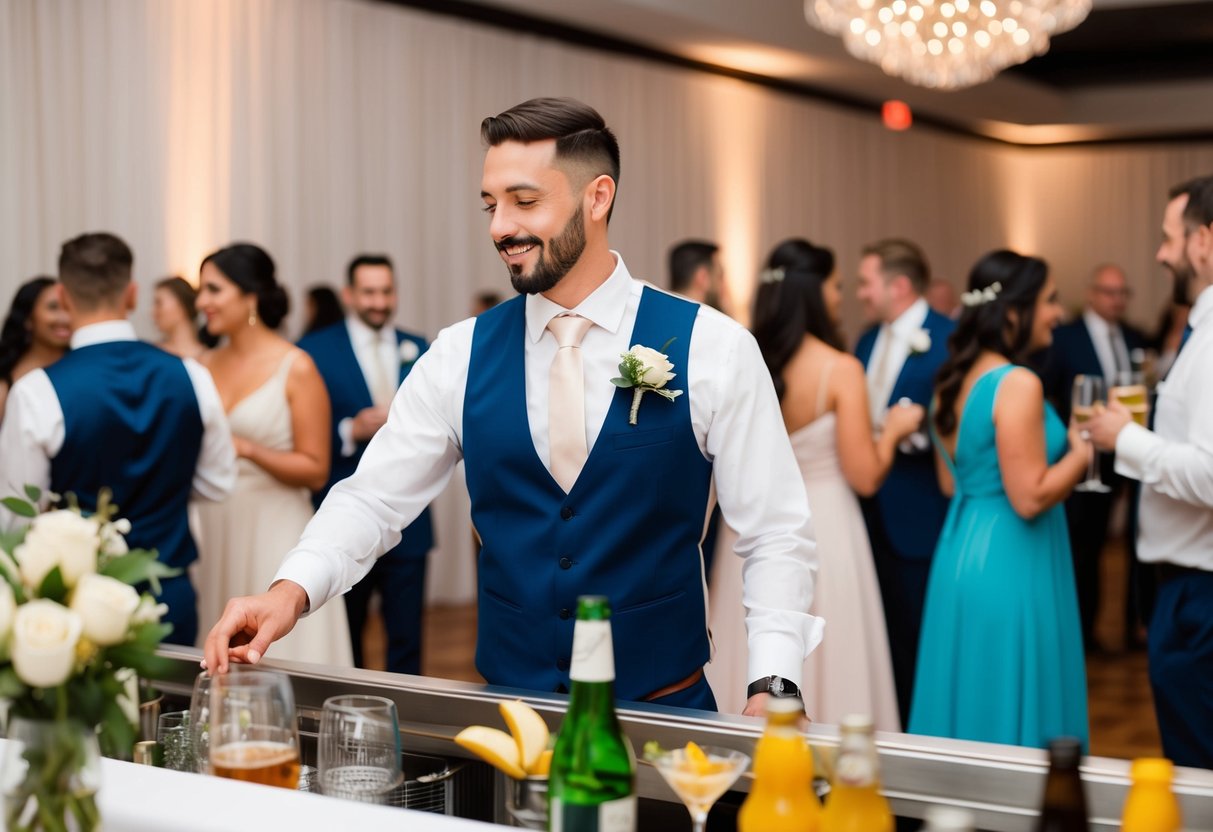
Choosing the right bar option for your wedding can shape the experience for you and your guests. There are several choices to consider, each with its benefits and drawbacks. Understanding these options can help you strike a balance between hospitality, budget, and guest expectations.
Open Bar Wedding
An open bar means your guests can enjoy drinks without paying. This popular choice allows everyone to relax and celebrate without worrying about costs.
Typically, a full open bar includes various drink options like cocktails, beer, and wine.
While this provides high guest satisfaction, you need to consider your wedding budget. Costs can add up quickly.
It’s essential to shop around for quotes from bartenders to fit the alcohol budget. Remember to think about the number of guests and how long you’ll serve drinks.
Cash Bar Considerations
A cash bar requires guests to pay for their drinks, which can help keep wedding costs down. This option can save you money, but it might create mixed feelings.
Some guests may find it less hospitable, feeling uncomfortable about spending.
If you choose a cash bar, clearly communicate it to guests before the wedding. You could also provide drink tickets to ease the blow.
This method allows you to control costs while still enabling guests to enjoy drinks of their choice.
Limited Bar Possibilities
A limited open bar offers a middle ground by providing specific drink options for free. You can limit it to certain hours, like during the cocktail hour or first part of the reception.
This option includes popular drinks like beer, wine, and select cocktails.
Limiting choices can help manage your alcohol budget while still satisfying your guests. Offering a few drink options helps create a festive atmosphere without the high costs of a full bar. It shows guests you care while being mindful of wedding expenses.
The Appeal of Beer and Wine Only
A beer and wine-only bar is another budget-friendly option. Many guests enjoy these simpler choices, making it a popular alternative.
This arrangement keeps costs lower than a full bar and simplifies planning.
You can select a few favorite beers and wines to serve. This option often meets guest expectations while controlling your overall wedding costs. It’s a straightforward way to ensure everyone has something to enjoy without overwhelming your budget or choice of drinks.
Understanding Wedding Bar Expenses
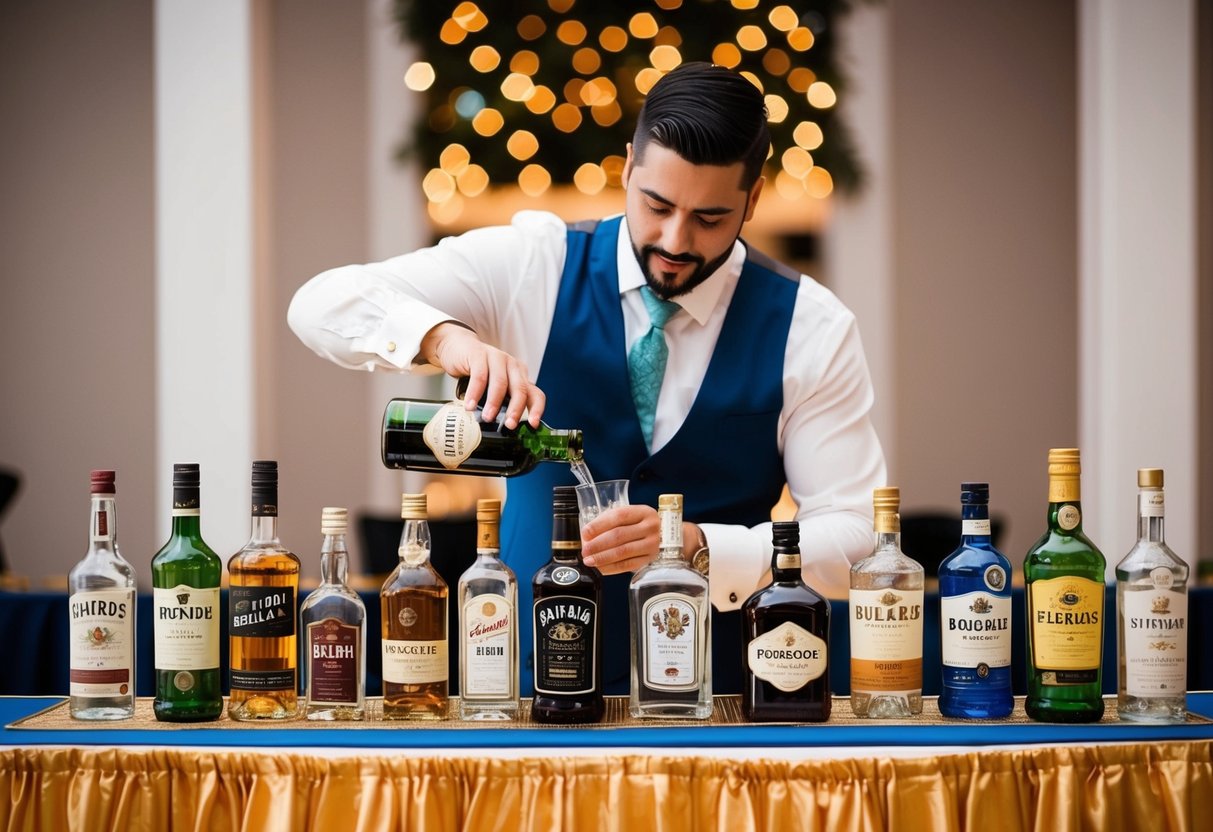
Planning the bar for your wedding involves several important financial factors. From the alcohol budget to staffing costs, every detail affects your overall wedding expenses. Here’s what you need to know.
Calculating Your Alcohol Budget
First, determine how much you want to spend on alcohol.
A good rule of thumb is to allocate about 15% to 20% of your wedding budget for drinks. This can include beer, wine, and spirits.
Consider the guest count and the types of drinks you want. For instance, offering a signature cocktail can save money compared to a full bar.
You can also estimate your costs based on the bar type.
For a cash bar, guests pay for their drinks. A free or open bar usually requires a set amount per guest.
Expect to pay between £1,000 and £2,000 for around 100 guests with drinks included for the evening.
Incorporating Gratuity and Staffing into Costs
Don’t forget to add gratuity for your bartending service.
Many couples give around 15% to 20% of the total bar tab as a tip. Include this amount in your budget planning, as it can add up quickly.
Additionally, you need to include staffing costs. Hiring professional bartenders ensures your guests receive quality service.
Depending on your venue, you might also need to pay for bar setup and breakdown, which could be an additional expense.
Make sure to ask your venue or catering service about staffing fees and tips to avoid surprises.
Savings with BYOB and Corkage Options
If you’re looking to reduce costs, consider a BYOB (Bring Your Own Booze) option.
This allows you to purchase alcohol at a lower price from local stores or wholesalers. However, check with your venue to ensure this is allowed.
Corkage fees are another option. If your venue permits outside alcohol, they may charge a corkage fee for each drink brought in.
This fee can vary widely, so be sure to confirm the costs ahead of time.
Using these methods can help you manage your alcohol service expenses and keep your wedding budget on track.
Enhancing Guest Experience
Creating a memorable guest experience at your wedding includes thoughtful beverage options. By focusing on the drinks served, you can elevate the atmosphere and ensure everyone enjoys themselves.
Selection of Signature Cocktails
Offering signature cocktails adds a personal touch to your wedding.
Consider crafting drinks that reflect your tastes or have special meanings. You could name them after your relationship milestones or favorite places.
A fun idea is to include a small card at each table, detailing the ingredients and story behind each drink. This invites guests to try something unique and encourages conversation.
Remember to have a variety, including options for those who prefer lighter cocktails that feature champagne or fresh fruit.
Non-Alcoholic Beverages and Mocktails
Not everyone at your wedding may want alcoholic drinks.
Provide a range of non-alcoholic options to cater to all guests.
Mocktails can be just as delightful as traditional cocktails. These drinks can feature fresh juices, herbs, and flavored syrups, making them visually appealing and tasty.
Set up a refreshing drink station where guests can customize their drinks with garnishes like mint, lime, or berries.
You can also include sparkling water and soft drinks to keep everyone hydrated.
This attention to detail enhances the guest experience and makes all attendees feel included.
Planning for Responsible Drinking
Responsible drinking is key to ensuring a fun and safe celebration.
Consider offering drink tickets if you choose an open bar variation. This allows guests to enjoy a set number of drinks while keeping an eye on consumption.
You can also provide water stations throughout the venue.
Encourage guests to drink water between cocktails, helping them stay hydrated.
Educate your wedding party about watching for signs of overindulgence, promoting a safe and enjoyable atmosphere for everyone.
Responsible planning contributes to a memorable event where all guests can celebrate comfortably.