
Do Witnesses at a Wedding Need ID? Understanding the Requirements
When planning your wedding, you might wonder about the role of witnesses in your ceremony. In many places, witnesses do not need to show identification, but some states do require it. Knowing the legal requirements for your specific location can help you avoid any surprises on your big day.
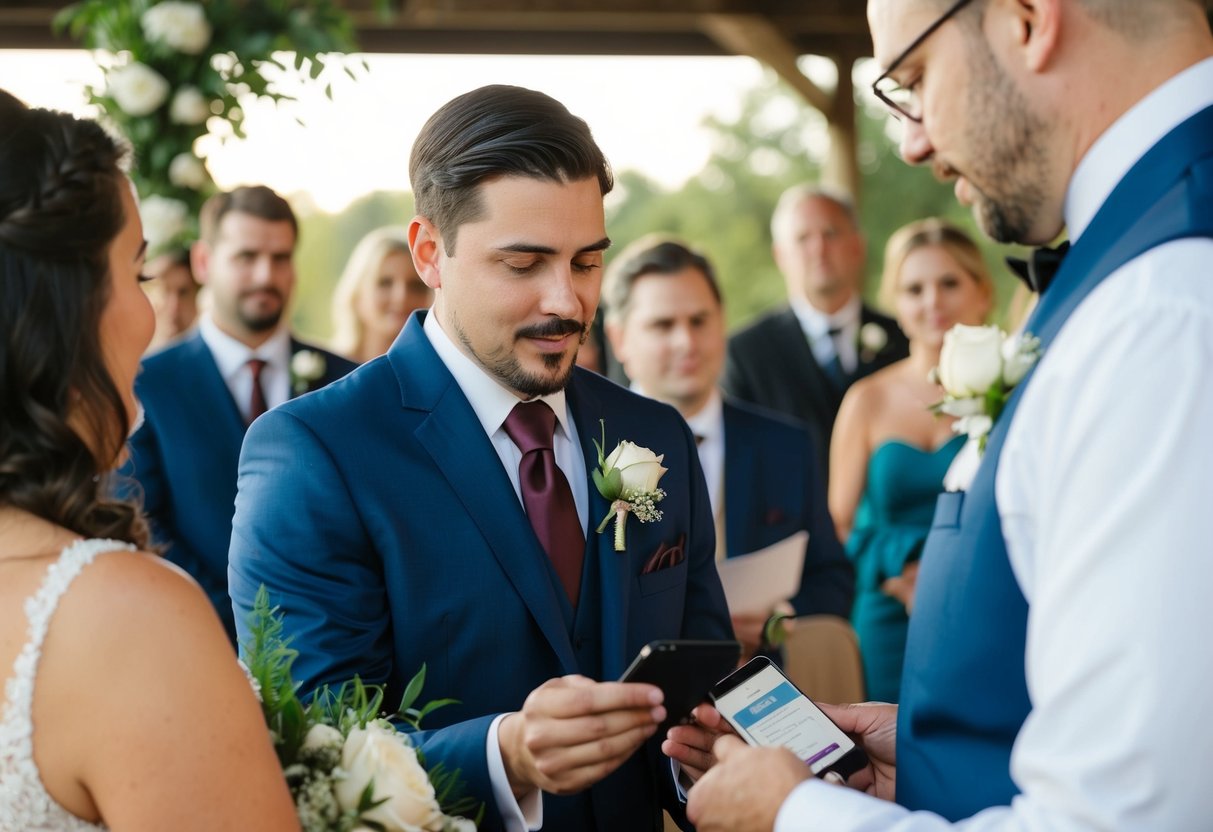
Choosing the right witnesses is an important part of your wedding. They are there not only to celebrate with you but also to sign the marriage license to make your union official.
Some places also allow you to have friends or family as witnesses, while others have specific age requirements or need someone who can understand and speak English.
Understanding these details will help you prepare for your ceremony and ensure it goes smoothly. By knowing whether your witnesses need ID and what the local laws state, you can focus more on enjoying your special day.
Understanding the Role of Witnesses in a Wedding
Witnesses play a crucial role in a wedding, ensuring that the marriage ceremony is legally recognized. Their presence supports the couple and adds a meaningful touch to the celebration. Here’s a closer look at who can be a witness and what their duties are.
Who Can Be a Witness
Almost anyone can be a witness at your wedding. Typically, you might choose close friends or family members, like your best man, bridesmaid, or maid of honor.
Here are some common requirements for wedding witnesses:
- Age: Most places require witnesses to be at least 18 years old.
- Capacity: Your witness should be able to understand the ceremony and its significance.
- Identification: Witnesses may be asked to show valid ID to confirm their identity.
Remember, check local laws, as requirements can differ by location.
Duties and Responsibilities
The main job of a wedding witness is to observe the ceremony. They are vital to completing the legal requirements. After you exchange vows, your witnesses must sign the marriage license.
Here are key responsibilities they hold:
- Observing the ceremony: Witnesses confirm that the marriage happens as intended.
- Signing documents: Their signatures on the marriage license validate your union.
- Support: They’re there for you emotionally, cheering you on during this special moment.
Choosing the right witnesses adds to your wedding experience, making it even more memorable.
Legalities of Witnessing a Marriage
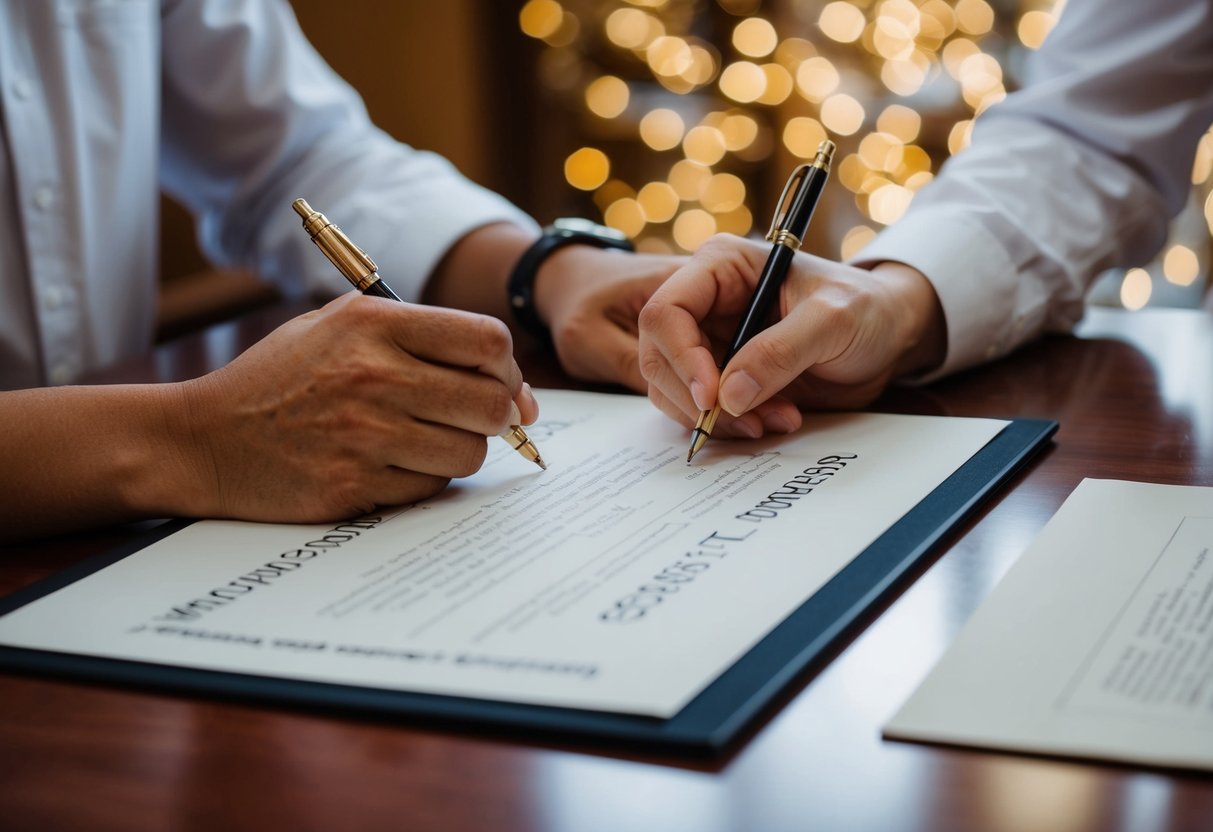
When witnessing a marriage, there are specific legalities to consider. These include identification requirements for witnesses, their role in the marriage license process, and the signing of the marriage certificate. Understanding these details will help ensure a smooth wedding experience.
Identification Requirements
Not all states require witnesses to show identification at the wedding. However, some do have specific rules.
For example, in Iowa, the witness must be over the age of 18 and show a form of ID. This might include a driver’s license or passport.
If you are chosen as a witness, it’s best to bring your ID, even if it’s not strictly required. This helps to avoid any complications during the ceremony or when signing the marriage license.
Witnesses for Marriage License
When it comes to the marriage license, many states have specific requirements for witnesses.
For instance, California and New York require at least one witness to sign the marriage license, while Vermont and Wisconsin need two.
The witness must fill out required fields on the license and provide their signature. This step confirms that the marriage has taken place in their presence. It’s essential to ensure witnesses understand their responsibilities in this legal process.
Signing the Marriage Certificate
After the ceremony, the marriage certificate must be signed by the couple and the witnesses. This document serves as the official record of the marriage.
In most states, both witnesses need to sign the marriage certificate to validate it. This signature acts as proof that they witnessed the union. Make sure to read the signing requirements specific to your state, as they may vary.
Considerations for Different Types of Ceremonies
When planning a wedding, knowing the witness requirements can vary greatly based on the type of ceremony you choose. Understanding these differences will help you prepare effectively. Each type of wedding has its own rules regarding witnesses and identification.
Traditional Weddings
In traditional weddings, you often have a gathering of family and friends at a wedding venue. Typically, two witnesses are needed to sign the marriage license.
Some states may require that witnesses show ID. This is important for ensuring the legality of the marriage. All witnesses must usually be at least 18 years old and can be anyone from your wedding party or guests, as long as they are eligible.
Remember to inform your witnesses ahead of time about any ID requirements so everyone is prepared on the big day.
Elopements and Destination Weddings
Elopements often involve just the couple and possibly a few close friends. Depending on the location, you might still need witnesses.
For most states, you will need one or two witnesses. In some places, you might not need any at all.
If you are eloping to another state or country, check their marriage laws. Some destination weddings may have specific rules, especially regarding ID for your witnesses. Make sure to clarify this while planning.
Having your witnesses in the location will simplify the process!
Self-Solemnization and Unique Cases
Self-solemnization is an interesting option. In states that allow it, you can marry without a witness. You simply sign the certificate yourself.
This gives you flexibility, especially if you want a private ceremony or if it’s difficult to find witnesses.
In some unique cases, the rules can vary incredibly. For example, certain alternative ceremonies might not require witnesses at all. Always check local laws to ensure your marriage is recognized.
It’s essential to know what applies to your specific situation. This can save you time and prevent stress on your wedding day!
Selecting and Preparing Your Witnesses
Choosing the right witnesses is an important step in planning your wedding. They need to be reliable, meet legal requirements, and be ready to support you on your big day. Proper preparation will ensure everything goes smoothly during the ceremony.
Finding Suitable Witnesses
When looking for witnesses, consider friends or family members who are supportive and trustworthy. They should be at least 18 years old and have valid identification, like a driver’s license or passport.
Ask them if they are comfortable with the role. A good witness will be attentive during the ceremony and will understand their responsibility to sign the wedding register afterward.
Remember, some states have specific rules about who can be a witness. Make sure you check local laws to ensure your chosen witness meets the requirements.
Pre-Wedding Checklist for Witnesses
A checklist can help you ensure your witnesses are ready. Here are key items to include:
-
ID Verification: Confirm that your witnesses have valid photo ID.
-
Meeting with Officiant: Schedule a time for your witnesses to meet your wedding officiant.
-
Understanding Duties: Explain their role in the ceremony and what they need to do afterward, like signing the marriage license.
-
Dress Code: Share any dress code information.
Communicating with your witnesses about these points helps them feel more prepared and relaxed. Keeping them informed will contribute to a smoother ceremony for everyone involved.