
Do You Change Your Engagement Ring When You Get Married? Exploring the Tradition and Meaning Behind Wedding Jewelry
When you get married, you might wonder what to do with your engagement ring. Most people choose to continue wearing their engagement ring after the wedding, often alongside their wedding band. This practice helps showcase both rings and their sentimental value, as the engagement ring symbolizes love and commitment, while the wedding band represents the union you’ve formed.
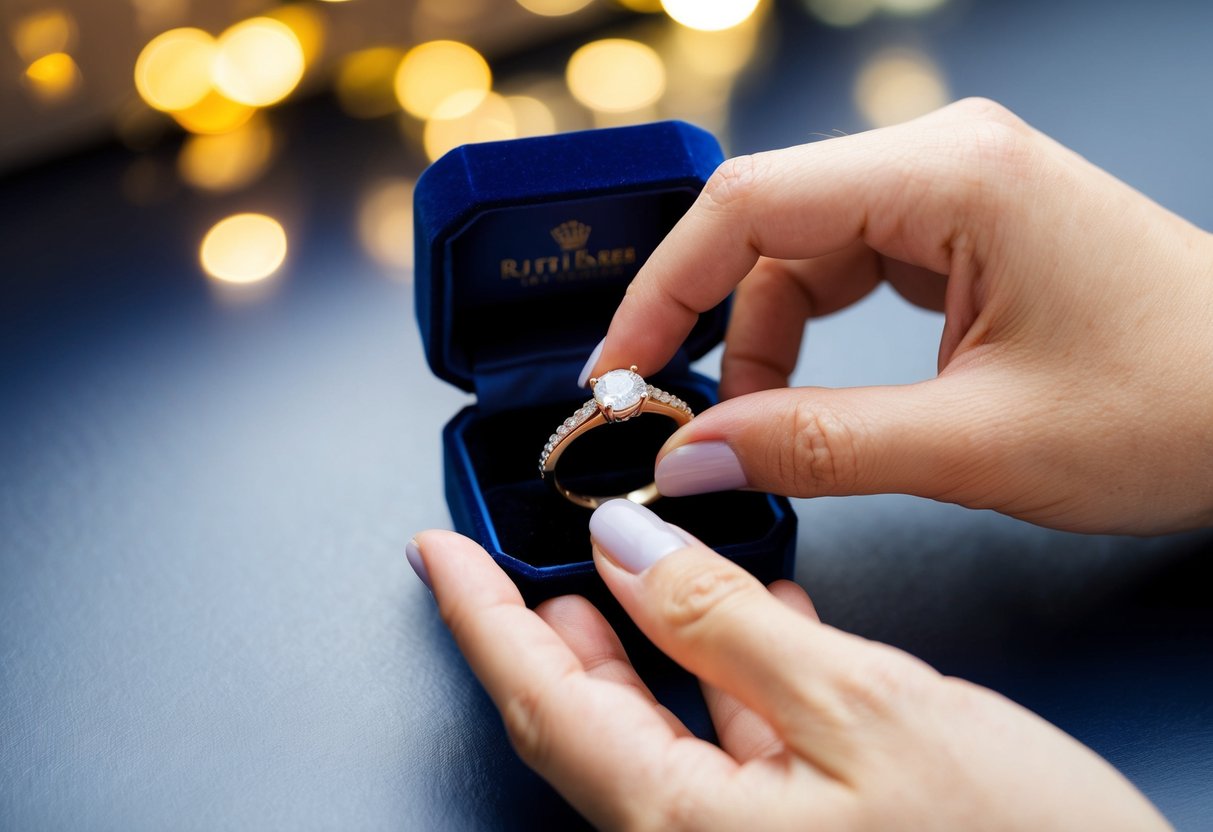
You can wear your engagement ring on the same finger as your wedding band or stack them together for a beautiful look. Some couples temporarily move the engagement ring to the right hand during the ceremony to place the wedding band first.
No matter how you choose to wear it, your engagement ring remains a special piece that tells your love story. Exploring the different ways to wear both rings can be exciting and meaningful as you embark on this new chapter of your life.
Understanding Engagement and Wedding Rings
When considering the significance of engagement and wedding rings, it’s essential to explore their history and meaning. These rings represent love, commitment, and various cultural traditions. Each has its unique purpose and place in wedding customs.
History and Symbolism
Engagement rings have a long history, dating back to ancient Rome. They symbolized a promise of marriage and were often made of materials like iron or gold. The practice of giving a diamond engagement ring became popular in the 20th century, influenced by marketing campaigns.
Rings represent a physical commitment between two people. Wearing an engagement ring shows the world that you are promised to someone special. This tradition holds sentimental value as it marks a significant moment in your relationship.
The wedding band, exchanged during the ceremony, signifies the formal union of two lives. It is often simpler and can be worn alongside the engagement ring. Together, they form a powerful symbol of your love and dedication.
Engagement Ring vs. Wedding Band
The engagement ring is typically given during the proposal. It often features a prominent gemstone, commonly a diamond, representing your partner’s uniqueness. This ring is a personal statement about love and devotion.
On the other hand, the wedding band is exchanged during the wedding ceremony, symbolizing the vow taken before family and friends. Wedding bands are usually simpler in design but carry deep meaning.
Many choose to wear both rings together. In some cultures, it’s customary to place the wedding band on the left hand first, followed by the engagement ring. This layering represents the connection of your past engagement to your present marriage.
Whether you decide to change or keep wearing your engagement ring after the wedding, both rings hold significant value in your relationship and symbolize your journey together.
The Wedding Day: A Guide to Rings
On your wedding day, choosing how to wear your rings is an important decision. You want to honor your engagement while also celebrating this new chapter in your life. Here’s what you need to know about the ceremony of the rings and how to handle your engagement ring during the wedding.
The Ceremony of the Rings
During the wedding ceremony, the exchange of rings is a significant moment. You will typically place the wedding band on your ring finger first, symbolizing its importance. Then, the engagement ring can either be worn on top of the wedding band or moved to your right hand temporarily.
Many brides choose to wear both rings together after the ceremony. This represents a transition from engagement to marriage. Wearing both rings can make your ring finger look even more beautiful and show off the combination of styles.
To Wear or Not to Wear: Engagement Rings During the Wedding
Whether to wear your engagement ring during the wedding is a personal choice. Some brides prefer to showcase both rings during the ceremony and the reception. This allows for beautiful photographs and meaningful moments.
If you decide not to wear your engagement ring during the ceremony, you can keep it on your right hand. After the nuptials, simply switch it back to your left hand to wear both rings together. This option can also help prevent damage to the engagement ring on such a busy day.
After the I Do’s: Managing Your Rings
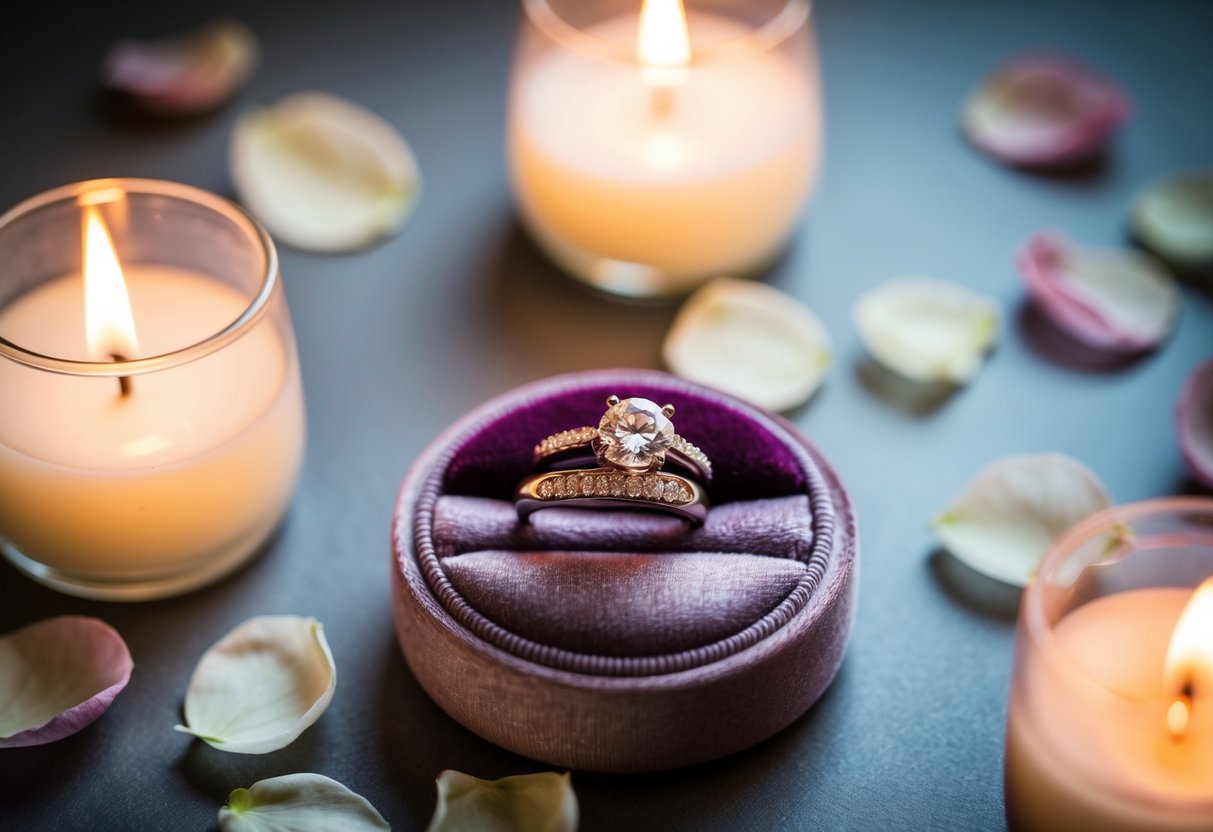
Once you’ve said “I do,” it’s time to think about how to wear and care for your engagement and wedding rings. Many people consider personal style, comfort, and customs when deciding how to manage their rings after the wedding.
Combining Rings: Style and Comfort
You might choose to wear your engagement ring alongside your wedding band. This can create a beautiful stacked look, but consider comfort first. If the rings fit snugly together, that’s great, but if they pinch or rub against your fingers, you may need to adjust how you wear them.
One option is to wear both rings on your left hand for special occasions and switch the engagement ring to your right hand for daily wear. This can help preserve the engagement ring from damage.
When combining rings, consider your personal style. Do you prefer a bold aesthetic, or something more minimalist? Mixing styles can create a unique look that represents your individuality.
Customs and Personal Preferences
Cultural customs can influence how you manage your rings after marriage. In some traditions, people wear both rings on the same hand. In other traditions, people might suggest wearing the engagement ring on the right hand.
Your personal preferences matter too. If your engagement ring holds sentimental value, you might choose to wear it daily. On the other hand, some couples prefer to keep it safe for special events.
Think about your lifestyle as well. If you lead an active life, wearing both rings might be impractical. In this case, you could opt for a more durable band that reflects your commitment.
Whatever you choose, enjoy your rings as symbols of love and connection.