
Do You Count Yourself as a Wedding Guest? Tips for Navigating Invitations and Etiquette
When planning your wedding, you might find yourself wondering about the details of your guest list.
Yes, you should include yourself and your partner in the wedding guest count. This ensures that the venue can prepare enough food and drinks for everyone, including the couple hosting the celebration.
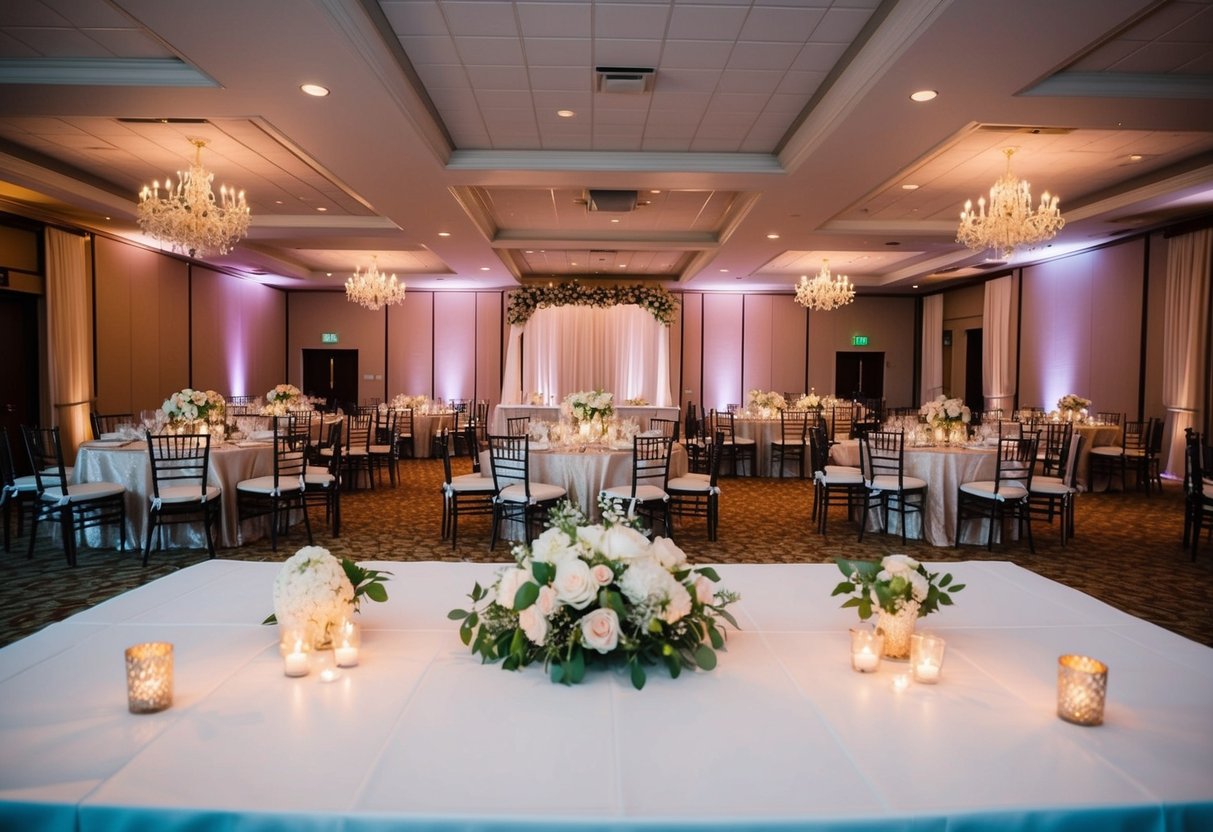
As the bride and groom, you play an important role in your own event. Counting yourselves as guests helps create an accurate number for your venue and caterer, which is key to a smooth celebration. Plus, it’s a great way to make sure you’re able to enjoy the festivities just like your guests!
Understanding how to approach this part of wedding planning can make the process easier and stress-free. You’ll want everything to be perfect on your big day, so knowing these simple details can help make that happen.
Determining the Guest Count
Figuring out the guest count is a crucial part of wedding planning. It’s not just about numbers; it’s about making your day special for those who matter most. Here are some important steps to consider when determining your guest count.
Building the Initial Wedding Guest List
Start by creating your initial wedding guest list. Think of everyone you want to share your special day with. List out family, close friends, and colleagues.
Consider using a spreadsheet to keep things organized. You can include columns for names, addresses, and whether they are confirmed.
This list is just your starting point, so don’t stress about making it perfect right away. You can always refine it later.
Accounting for the Wedding Party
Don’t forget to include your wedding party in the guest count. This group often consists of your bridesmaids, groomsmen, flower girls, and ring bearers.
They play a vital role in your wedding, so it’s important to officially count them. Depending on the size of your party, this can add a significant number to your total guest count.
Include additional important people, such as parents or siblings of the wedding party members, if they’ll be attending.
Considering Immediate Family and Close Friends
Immediate family typically includes parents, siblings, and their families. This group often has a larger impact on your overall guest count. List them first, as they’re crucial to the celebration.
Next, think about close friends. These are people who have shared important moments in your life. Ask yourself who you can’t imagine celebrating without.
Balancing the guest list is key. Be mindful of family dynamics and any conflicts that might arise.
The Role of RSVPs in Finalizing Numbers
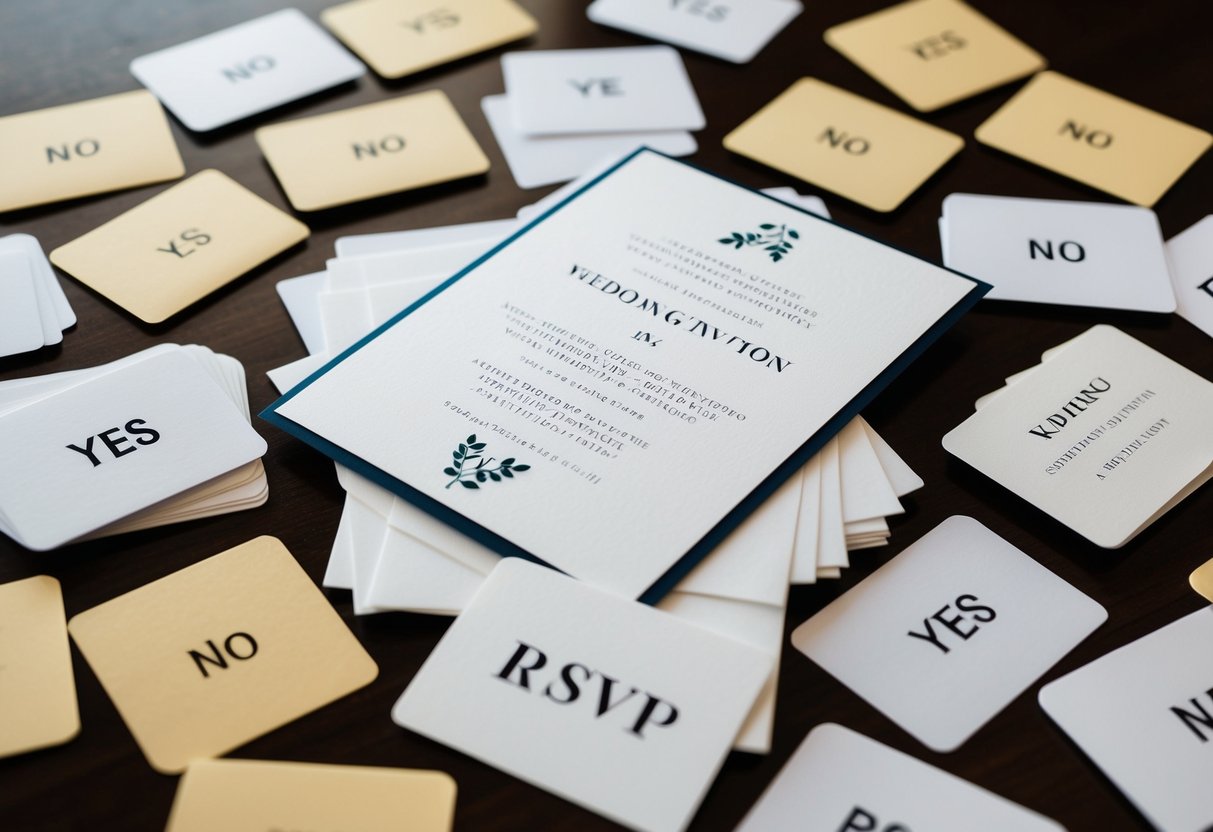
Receiving RSVPs is essential in finalizing your guest count. When invitations go out, clearly indicate a way for guests to respond, such as via a website or card.
Set a deadline for RSVPs, usually about three to four weeks before the wedding date.
Once you have the responses, you’ll get a clearer picture of who can attend. This helps in planning seating arrangements and catering details more accurately.
Understanding the B-List
In case some guests can’t attend, it’s wise to maintain a B-list. These are people you’d like to invite if your first choices can’t make it.
Create this list after sending the initial invitations. Think carefully about who would be a good addition if spots open up.
Keep in mind that not everyone on the B-list will know they were a backup. This can help avoid any awkwardness while still allowing you to celebrate with more loved ones.
Incorporating Vendors into Your Headcount

When planning your wedding, it’s important to know if you should include your vendors in the guest count. This includes professionals like photographers and caterers who will be present during the event. Knowing how to approach this can help ensure your meal and drink count is accurate.
Should You Count Your Photographer and Videographer?
Yes, you should consider your photographer and videographer in your guest count. They will be at the event for an extended time and will likely expect food and drinks.
For example, many vendors work for several hours, capturing special moments. Since they will eat on-site, including them in your headcount ensures they are catered for. Remember to check your contracts; some may require you to provide a meal.
Including Caterers, DJ, and Live Band
Caterers, DJs, and live bands should also be part of your headcount. These vendors are crucial to your event’s success and often stay throughout most of the reception.
If your caterer provides service staff, they count too. For DJs and bands, consider how many members will be present. Typically, offering meals helps keep them focused on their work instead of worrying about food.
Always confirm how many meals you’ll need based on your agreements with these professionals. This way, everyone gets to enjoy the celebration!
Wedding Size and its Influence on Guest Count

Choosing the size of your wedding can directly affect how many guests you can invite. Whether you’re planning a small, intimate gathering or a big celebration, the number of guests plays a crucial role in your overall experience.
Managing a Small Wedding Environment
Small weddings typically have fewer than 50 guests. This setting creates a cozy atmosphere where you can connect deeply with each person.
With a smaller group, you can focus on personal touches. Consider customizing your experience with unique favors or a personalized seating arrangement. You can also include interactive elements like games or speeches that involve everyone.
Planning a small wedding can also be budget-friendly. With fewer guests, you can allocate more resources for high-quality food and decor. This way, you can create a memorable event without feeling overwhelmed by large-scale logistics.
Strategizing Guest Lists for Large Weddings
Large weddings often feature guest lists of 100 or more, depending on your vision. When planning for a bigger crowd, you need to be strategic with your invitations.
Start by brainstorming a preliminary list. This initial step helps you gauge the scale and balance between friends, family, and acquaintances. You might consider setting guidelines, like inviting only close friends or limiting plus-ones.
Managing a larger guest list can be complex, so think about logistics early. This includes seating arrangements, catering, and transportation for guests. It’s essential to ensure everyone feels included while still keeping your vision intact.
The Etiquette of Guest Counts

Managing your guest count can be tricky. It’s important to know who to include when planning your celebration. Plus-ones and save-the-dates also play a role in your final headcount. Understanding these details helps to ensure a smooth planning experience.
Who to Include or Exclude?
When creating your guest list, it’s essential to be clear about who to include. Typically, you and your partner should count yourselves as guests. This ensures that the venue prepares enough food and drinks for everyone.
Consider the following categories:
- Immediate Family: Always include parents, siblings, and grandparents in your count.
- Close Friends: Think about who you would want to share this special day with you.
- Plus-Ones: Decide if your friends can bring a guest. This can affect numbers quickly.
Be mindful of limits set by your venue, as space and budget can greatly influence your final headcount.
Navigating Plus-Ones and Save the Dates
Plus-ones can complicate your guest count. So, decide early if all guests will have a plus-one. This way, your friends know what to expect.
When sending out save-the-dates, clearly state whether plus-ones are allowed. Use phrases like, “You may bring a guest” or “We hope you can join us solo.” This will help manage your numbers.
Helpful tips:
- Keep track of who RSVPs with or without a guest.
- Make notes on your saved list for easy reference.