
Do You Exchange Rings at a Wedding? Understanding the Tradition and Its Significance
When planning your wedding, you might wonder about the role of exchanging rings in the ceremony. Exchanging rings is a traditional part of the wedding ceremony that symbolizes your commitment and love for each other.
This beautiful moment typically takes place after you and your partner recite your heartfelt vows, marking a significant step in your journey together.
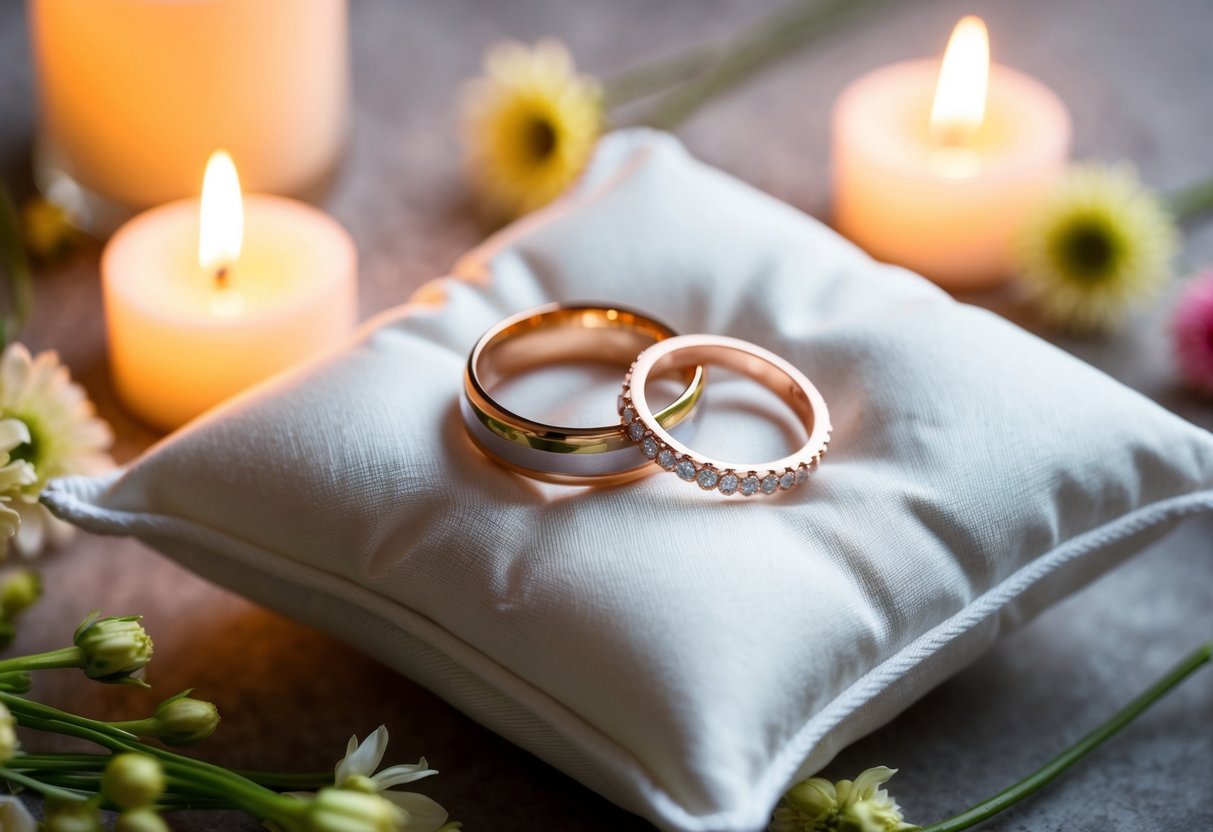
Understanding when and why you exchange rings can help make your ceremony more meaningful. While some couples opt for different rituals, the ring exchange remains a cherished custom for many. It’s a direct way to express the promises you’ve made during the vows, as you slip the rings onto each other’s fingers.
As you prepare for your big day, consider how the ring exchange reflects your unique bond. It’s not just about the jewelry; it’s about the love and commitment that the rings represent. By embracing this tradition, you create a special memory that you and your partner will cherish for years to come.
The Meaning Behind Ring Exchanges

Exchanging wedding rings is a meaningful part of a wedding ceremony. It symbolizes deep love and commitment. Understanding this tradition can enhance the experience for you and your partner.
Symbolism of Wedding Rings
Wedding rings are more than just beautiful pieces of jewelry. They are a powerful symbol of love and commitment.
The circular shape of the ring represents eternity, with no beginning and no end. This signifies that your love is continuous and everlasting.
The act of putting a ring on your partner’s finger is a public promise. It shows that you are choosing to spend your life together. When you exchange rings, you honor the bond you share, making the moment special and memorable.
Unbreakable Bond and Eternal Love
The exchange of rings highlights the unbreakable bond between you and your partner. This tradition reflects a shared journey, filled with both joys and challenges.
Wearing the wedding ring serves as a daily reminder of your commitment.
Moreover, the wedding ring symbolizes eternal love. Every time you look at it, you can remember the vows you made to each other. It’s a constant sign of the love you share and your dedication to one another, reinforcing your connection throughout your life together.
Conducting the Ring Exchange

The ring exchange is a special moment during your wedding ceremony. It symbolizes your commitment to each other and can be personalized in many ways. Understanding the key roles involved and how to structure this part of your ceremony will make it more meaningful.
The Role of the Officiant
Your officiant plays a crucial part in the ring exchange. They guide you through the ceremony and ensure everything flows smoothly.
This person will introduce the ring exchange segment, often sharing brief thoughts about the significance of the rings.
The officiant will typically prompt you and your partner to exchange the rings. They may also explain what each ring represents, such as love, fidelity, and the bond you share.
Make sure to choose someone who understands your vision for the ceremony.
Ring Exchange Wording and Scripts
The wording you choose for the ring exchange is essential. You can opt for traditional phrases or create your own personalized script.
Traditional wording often includes statements like, “With this ring, I thee wed,” followed by promises of love and commitment.
If you prefer a custom script, think about what the rings symbolize for you both. You might say something like, “This ring is a symbol of my love for you, and with it, I promise my heart.” Personal touches make the moment more special.
Wedding Ceremony Order
The ring exchange usually happens after you have shared your vows. In a standard wedding ceremony order, the officiant will announce the ring exchange right after you’ve promised your love and commitment. This sequence reinforces the significance of the moment.
Be sure to clarify with your officiant about when the ring exchange will take place. You can also discuss if you want any specific rituals or reflections included. If you follow a unique format, communicate it clearly so everyone is on the same page.
Cultural and Personal Variations

Traditions around exchanging rings vary greatly across cultures and personal choices. Many couples find ways to adapt these customs to better suit their beliefs and preferences.
Adapting Traditions in Ring Ceremonies
In many cultures, the ring ceremony is a significant part of the wedding. For example, in Western traditions, the exchange happens during the wedding ceremony, symbolizing love and commitment.
However, some couples opt for a more modern approach. You might choose to adapt traditional wording, such as saying, “With this ring, I pledge my love.” This simple ring exchange wording retains the meaning while reflecting your unique style.
If you’re having a courthouse wedding, the ring exchange can be brief but still meaningful. You can customize your vows to fit the moment, ensuring it feels special even with fewer formalities.
Incorporating Personal Preferences
Your personal preferences play a crucial role in the ring exchange. Some couples may decide to skip the ring exchange altogether, focusing instead on their love and commitment through other meaningful symbols or actions.
If you love unique designs, consider choosing rings that represent your personality. Whether you prefer classic looks or something modern, make your selection together. This can highlight your journey as a couple.
Additionally, think about how you want to express your feelings. You can add personal statements or promises during the exchange. This way, the moment becomes a cherished memory, full of love and individuality.
Roles and Responsibilities
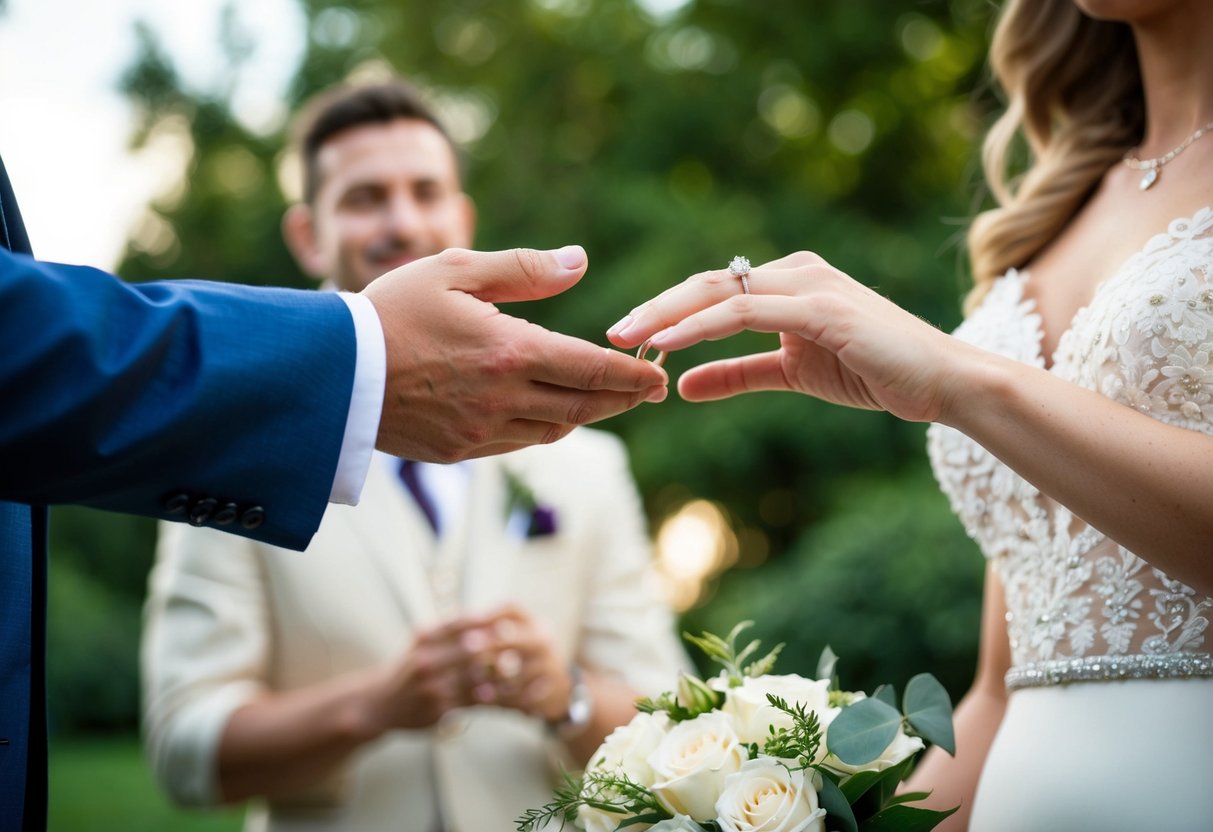
In a wedding, several key roles and responsibilities help ensure the ring exchange happens smoothly. The participation of the ring bearer and members of the wedding party is crucial during this memorable moment. It’s also important to understand what happens right after the exchange.
The Ring Bearer and the Wedding Party
The ring bearer plays a special role in the ceremony. This person is often a young child who carries the rings to the couple. They might walk down the aisle during the processional, adding a sweet touch to the event. It’s a great way to involve younger family members in the celebration.
The best man typically helps coordinate the ring exchange. He may hold the rings before the ceremony or assist the ring bearer. Other members of the wedding party can support as well by standing beside you during the ring ceremony. Having your friends and family there makes the moment even more special.
Post-Exchange: The Pronouncement
After you exchange rings, your officiant will make the pronouncement. This is when your officiant officially announces you as a married couple. It’s a key moment in the ceremony, often followed by cheers and applause from your guests.
The pronouncement usually comes right after you exchange your vows and rings. After this, you may have a recessional. During the recessional, you walk back down the aisle together, greeted by family and friends. Each of these steps contributes to a joyful and memorable wedding experience.