
Do You Have to Train to Be a Celebrant? Exploring the Essentials for Your Journey
Becoming a celebrant is an exciting path that allows you to help others mark significant life events. While formal training is not always required, completing a celebrant course can greatly enhance your skills and confidence. Many people find that training provides valuable insights into ceremonies and the various traditions associated with them.
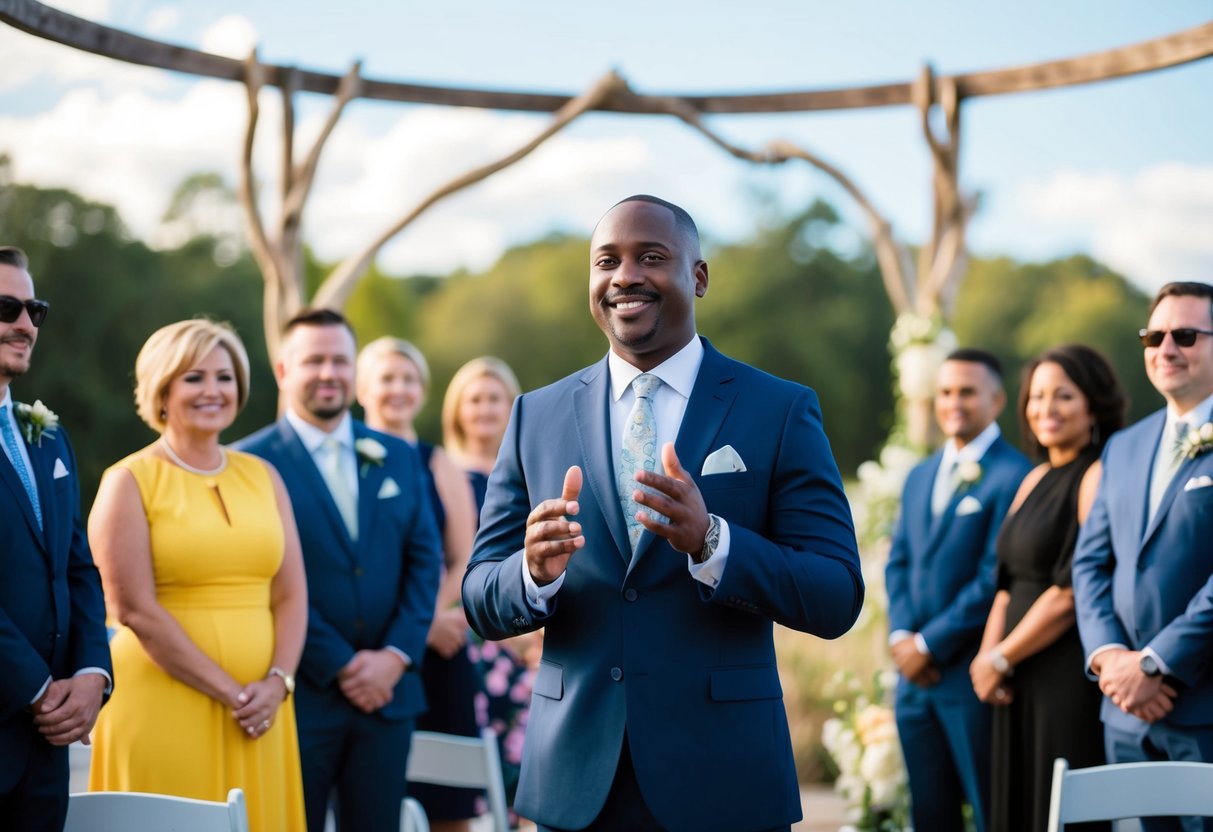
If you’re passionate about connecting with people and making their special moments memorable, training may be worth considering. It can help you understand the nuances of celebrancy and give you the tools to create personalized experiences for your clients. Whether you choose an online course or a more traditional in-person option, each pathway offers unique benefits to get you started on this fulfilling journey.
You can explore celebrant training options that suit your needs and interests. With the right preparation, you can confidently step into the role and make a positive impact on the lives of those you serve.
Understanding Celebrancy and Its Importance
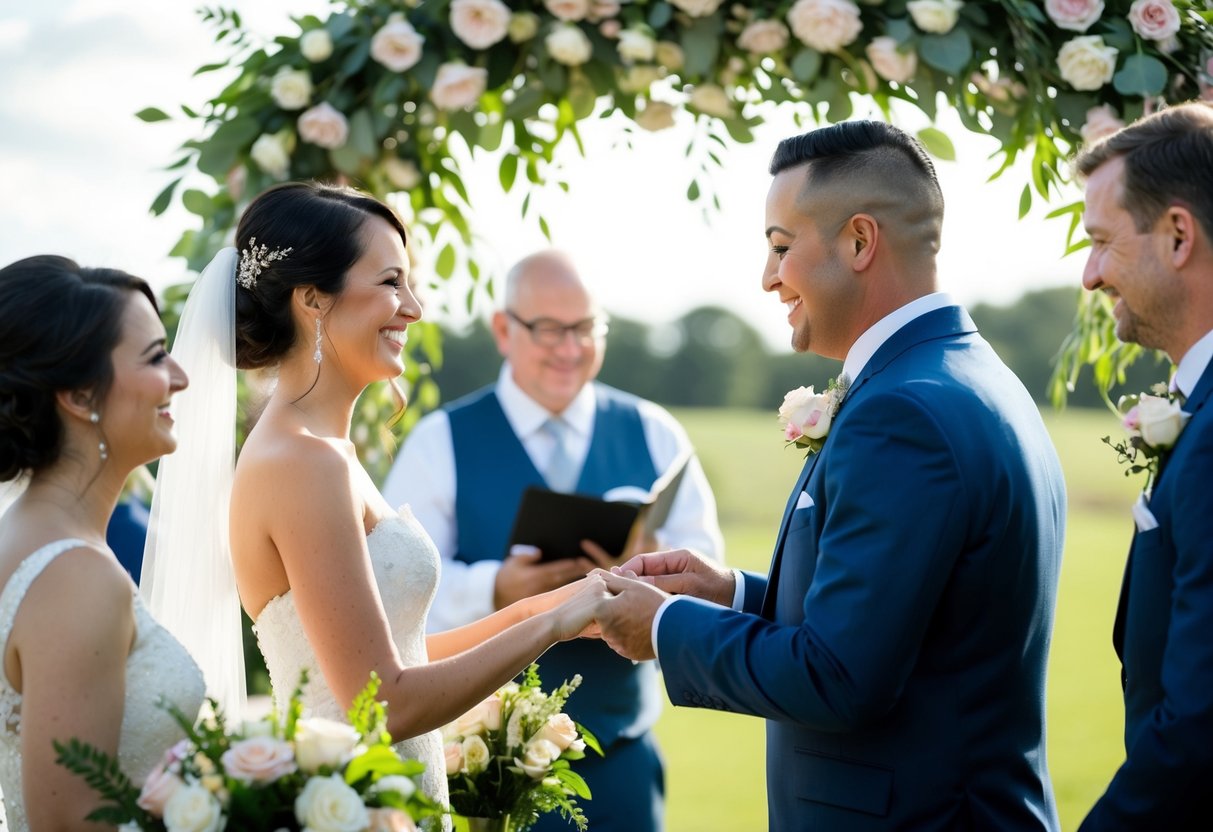
Celebrancy plays a vital role in marking life’s key moments. Whether it’s a wedding, a naming ceremony, or a funeral, a celebrant helps create meaningful experiences that resonate with participants. Let’s explore the roles of celebrants, the types of ceremonies they conduct, and the importance of empathy and personalization.
Roles and Responsibilities of a Celebrant
As a celebrant, your main duty is to guide and support individuals through life’s important events. You craft and deliver ceremonies that reflect the unique stories and values of those involved.
- Wedding Celebrant: You’ll help couples express their love and commitment, creating a memorable wedding ceremony.
- Funeral Celebrant: In times of loss, you assist families in honoring their loved ones with dignity and respect.
- Naming Ceremonies: You facilitate joyful celebrations for newborns, welcoming them into the community.
Your role includes preparing scripts, meeting with clients, and ensuring ceremonies flow smoothly. You provide emotional support and create an atmosphere that aligns with the tone of each event.
Types of Ceremonies Celebrants Oversee
Celebrants oversee various ceremonies, each with its unique focus and emotional significance.
- Weddings: Celebrants personalize wedding ceremonies to reflect the couple’s love story, beliefs, and preferences.
- Funerals: Funerals require a sensitive approach, allowing families to express grief while celebrating a person’s life.
- Naming Ceremonies: These ceremonies welcome new life. You craft ceremonies that include family traditions and values.
Each type of ceremony requires careful planning and an understanding of the feelings involved. As a celebrant, you will adapt your services to meet the specific needs of each occasion.
The Significance of Empathy and Personalization in Celebrancy
Empathy is the heart of celebrancy. You must understand and connect with the emotions of your clients. This connection allows you to create ceremonies that truly reflect their feelings and needs.
Personalized ceremonies matter because they honor individual stories. By incorporating personal touches, such as readings, music, or rituals, you make each ceremony unique.
- Active Listening: Pay close attention to what your clients share.
- Understanding Values: Learn about their life experiences and beliefs.
- Tailored Scripts: Write customized vows or reflections that resonate deeply with those attending.
Being attuned to your clients’ emotions through empathy and personalization transforms events into heartfelt celebrations.
The Path to Becoming a Celebrant
Becoming a celebrant involves developing key skills and choosing the right training path for you. It’s important to understand what makes an effective celebrant, available training options, and the recognized qualifications that can enhance your career.
Essential Qualities of an Effective Celebrant
To be a successful celebrant, you need certain qualities that help you connect with clients. Strong communication skills are crucial, as you’ll be guiding people through emotional ceremonies. Being a good listener will let you understand their needs and wishes.
Having great public speaking ability is also important. You should feel comfortable speaking in front of groups, as ceremonies often involve many guests. Additionally, organizational skills will help you plan and execute events smoothly. Lastly, being empathetic allows you to support clients during significant life events.
Different Training Options for Aspiring Celebrants
There are various training options available to you, depending on your preferences. One choice is in-person training, where you can learn directly from experienced celebrants. This method often includes hands-on practice.
Alternatively, online celebrant training is gaining popularity for its flexibility. Many training providers offer courses that fit your schedule, so you can learn at your own pace. In both cases, ensure the course covers essential skills like writing, public speaking, and communication.
Exploring different celebrant training courses will help you find the best fit for your learning style and career goals.
Recognized Qualifications and Certifications
While formal qualifications are not always necessary, they can boost your credibility as a celebrant. Many clients look for an accredited celebrant, as this indicates quality training.
A popular option is the NOCN qualification, which can enhance your skills and employability. Completing a course from a recognized training provider can set you apart in this competitive field.
Regardless of the path you choose, ensure that your training prepares you for real-life scenarios. Being well-trained increases your confidence and effectiveness as a celebrant.
Career Considerations in the Celebrancy Industry
Working as a celebrant offers various paths and opportunities to those who wish to help others during significant moments. It’s important to understand the specializations available, find your unique place in the market, and consider the financial aspects of starting your career.
Opportunities for Specialization Within Celebrancy
As a celebrant, you can choose to focus on different areas. Some popular specializations include wedding celebrants, who lead marriage ceremonies, and family celebrants, who host events like naming ceremonies.
You might also become a master celebrant, known for leading larger or more complex events. Many celebrants love storytelling and creative writing, tailoring each ceremony to the people involved.
Each specialization has its unique demands, so think about what resonates with you most and how you can bring your skills to those moments.
Finding Your Niche and Understanding the Market
To succeed, you need to determine your niche. Are you passionate about weddings, funerals, or family celebrations? Understanding your target audience helps you market your business effectively.
Research local trends and events, and connect with other celebrants to gather insights. Consider what sets you apart. Do you have a unique style or approach? Highlighting this helps you attract clients looking for something special.
Engaging with your community can also help you find opportunities. Attend local events and network to spread the word about your services.
Financial Aspects: Costs, Earnings, and Establishing Your Business
Starting a celebrant career involves various costs. You might wonder, “How much does it cost to become a celebrant?” Training programs can vary, so budget accordingly.
Once trained, you’ll need to set up your business. Costs can include a website, marketing materials, and supplies for ceremonies.
Earnings differ based on your specialization and experience. Many celebrants earn competitive rates, especially as they build their reputation. Understanding these financial aspects will help you plan and ensure you have a sustainable career in this fulfilling industry.
Marketing and Growing Your Celebrant Business
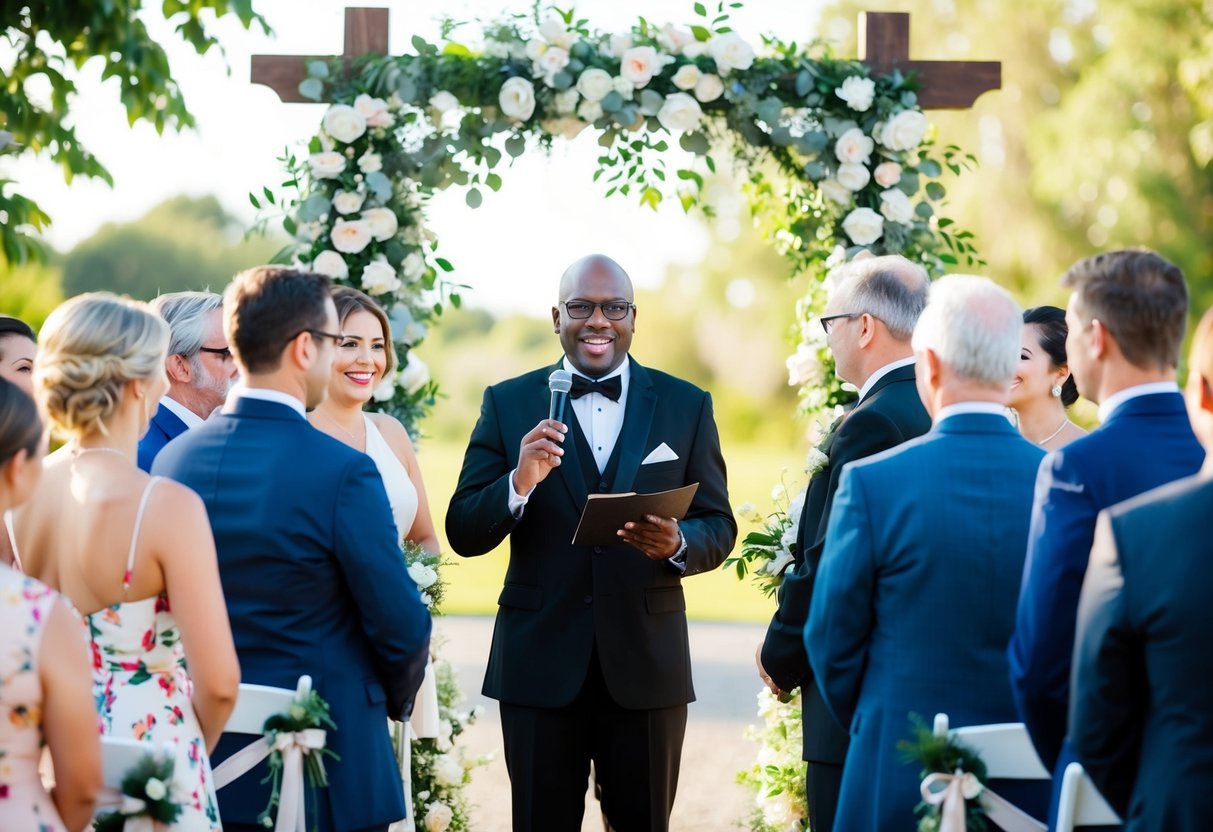
Building a successful celebrant business involves effective marketing and connecting with potential clients. You can find great opportunities in networking, utilizing online platforms, and developing personalized marketing strategies.
Effective Strategies for Promoting Your Services
To market yourself as a celebrant, start by defining your unique style. Create a strong brand that showcases your personality and skills. Use clear and inviting visuals for your logo and website.
Consider these strategies:
-
Social Media: Share photos and stories from ceremonies you’ve officiated. Platforms like Instagram and Facebook are great for showcasing your work and connecting with couples.
-
SEO Tips: Optimize your website for search engines. Use keywords related to celebrants in your area to help clients find you easily.
-
Printed Materials: Create brochures and business cards to hand out at events, like wedding fairs. These tangible pieces can leave a lasting impression.
Networking and Collaborations
Networking is essential to growing your celebrant business. Attend local wedding fairs and community events to meet prospective clients and other vendors. Collaborating with photographers, florists, and venues can lead to referrals.
-
Join Associations: Being part of celebrant associations can help you connect with other professionals who might refer clients to you.
-
Host Workshops: Consider offering free workshops on the celebrant process. This builds your reputation and allows you to connect with couples looking for a celebrant.
-
Leverage Testimonials: Encourage satisfied clients to leave reviews. Positive feedback can help establish trust and attract new clients.
Using Online Platforms to Reach Clients
Take advantage of online platforms to reach a wider audience. Websites geared for wedding services can promote your offerings effectively.
-
Wedding Websites: List your services on platforms where couples search for vendors. Consider registering on sites like The Knot or WeddingWire.
-
Online Training: Engage in online training to learn marketing tactics specific to the celebrant industry. This knowledge can enhance your skills and business.
-
Email Marketing: Build a mailing list and send regular updates featuring your services and any upcoming events. Personalized emails can keep you in clients’ minds.