
Do You Include Bridesmaids in Guest List? Tips for Your Wedding Planning
When planning your wedding, you might wonder about how to handle your guest list, especially regarding your bridesmaids. You should include your bridesmaids in your wedding guest list even if they won’t be sitting down at the reception. This ensures everyone is accounted for in meal planning and seating arrangements, making your big day run smoothly.
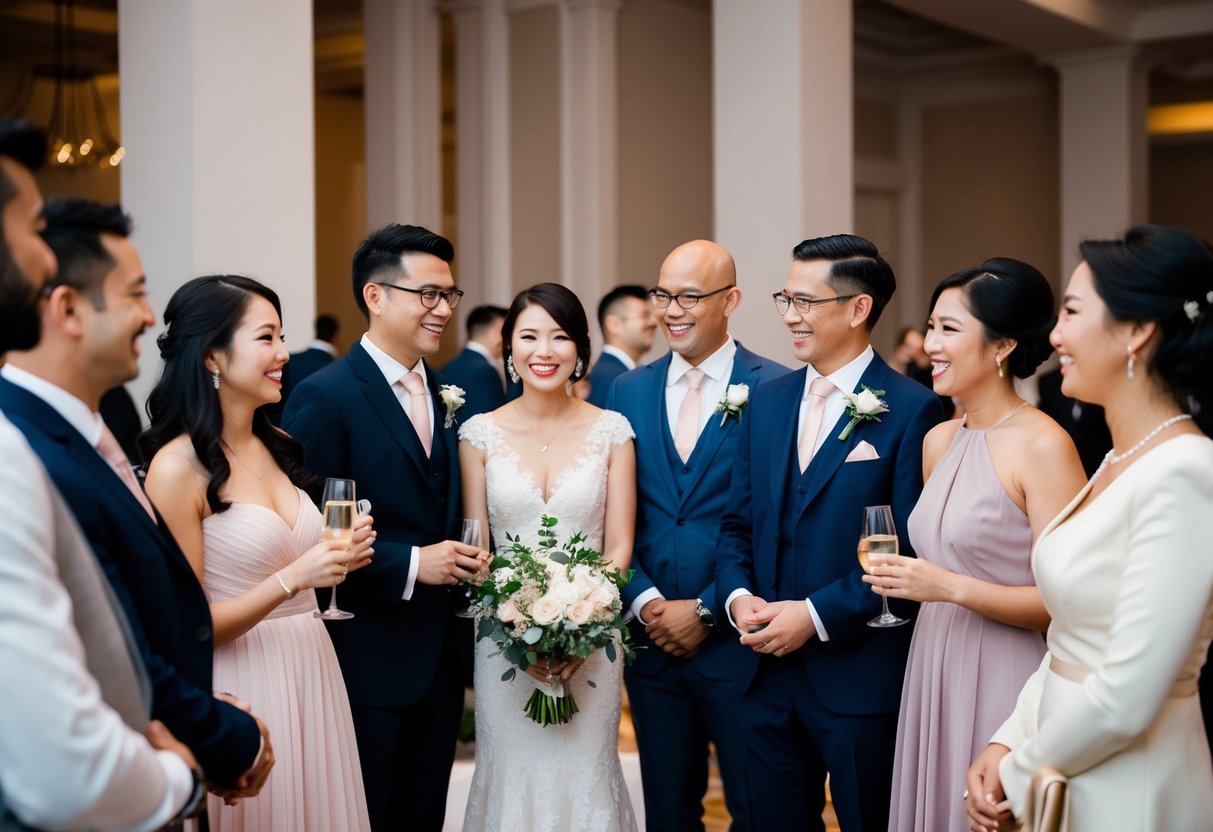
Including your bridesmaids helps reflect the close relationships you’ve built, showing appreciation for their support. As you craft your guest list, you’ll also want to consider family members and other significant people in your life. They play a crucial role in making your wedding memorable.
Planning a wedding can feel overwhelming, but remembering the importance of those by your side can help lighten the load. Making sure your bridesmaids are included is a small but meaningful step in celebrating your love with those who matter most.
Crafting Your Wedding Guest List
Creating a guest list can feel overwhelming, but it’s a crucial step for your wedding planning. You want to make sure you account for everyone who matters while staying within your budget and venue capacity.
Determining the Size of Your Wedding
Start by figuring out the size of your wedding. This depends on the venue’s capacity and your budget. Making a rough estimate of how many people you want to invite helps lay the foundation.
Consider your priorities. Are you aiming for an intimate gathering or a grand celebration? Remember that each guest affects your costs for catering, seating, and other services. You may also want to factor in your must-have guests and those you’d love to invite if space allows.
Incorporating the Wedding Party
Your wedding party plays a significant role in your event. This group typically includes bridesmaids, groomsmen, the maid of honor, and the best man.
When deciding how to include these important people in your guest list, it’s common to automatically invite them along with a plus-one. Make sure to discuss this with your bridal party to ensure they are comfortable and able to attend.
Don’t forget to include younger members, like the flower girl and ring bearer, as they are often part of the festivities. Their parents might also appreciate an invitation, so consider your approach carefully.
Navigating Plus-Ones and Families
Plus-ones can complicate your guest list. It’s wise to set clear boundaries about who receives them. For example, you might offer plus-ones to friends who are in relationships.
When inviting families, think about how many family members each couple might bring. Extended family members can quickly add up, so choose wisely.
Communicate your plus-one policy clearly on the wedding invitation to avoid confusion. This practice helps manage RSVPs better. Be firm yet kind in your approach to prevent any misunderstandings when it comes to your guest list.
Wedding Invitations and Etiquette
Getting your wedding invitations right sets the tone for your special day. It’s key to understand how to create and send invitations, along with the etiquette surrounding your guest list. This will help you ensure that everyone feels included and valued.
Creating and Sending Invitations
When creating your wedding invitations, start by choosing a design that reflects your style and theme. Make sure to include essential details like the date, time, and location of the ceremony. Don’t forget to add RSVP information, so you know how many guests to expect.
Consider sending out invitations about 6 to 8 weeks before the big day. This allows guests enough time to respond. If you’re including bridesmaids or close friends, ensure their names are listed correctly.
Many couples now opt for digital invitations, which can be more convenient. Just remember to keep the same level of formality as you would with traditional invites. This helps maintain consistency.
Understanding Guest List Etiquette
Guest list etiquette can be tricky. The general rule is to invite anyone who plays an important role in your life, including bridesmaids and close friends. If someone invited you to their wedding, it might be polite to return the gesture.
Keep in mind that for adult children, it’s standard to send separate invitations. For younger kids, including them on their parents’ invite is acceptable. This is an important aspect of wedding etiquette to ensure everyone feels included without overcrowding your guest list.
Remember to be thoughtful when finalizing your guest list. Fewer guests means a more intimate celebration, while a larger group can create a lively atmosphere. Balancing these factors will help guide your decisions.
Special Considerations for Wedding Events
Planning a wedding involves various elements, especially when you consider the important roles of your wedding party and how they fit into the celebrations. Each aspect requires your attention to ensure everything runs smoothly.
Planning for Pre-Wedding Celebrations
Before the big day, you will likely have pre-wedding events like the bridal shower and bachelorette party. These gatherings are a chance for you to spend quality time with your closest friends and family.
When planning these events, it’s crucial to decide on the guest list early. This allows your bridesmaids to know whom they can invite. Consider sending out invites that include any guests from the wedding party. If you’re having a destination wedding, think about travel arrangements for pre-wedding events as well, as this can affect who can attend.
Managing the Wedding Day Itinerary
Your wedding day can be hectic, making a detailed itinerary essential. Start by sharing a timeline with your wedding party so everyone understands their roles.
You need to outline the processional order, which dictates who walks down the aisle and when. This ensures that your wedding ceremony flows seamlessly.
Next, create a seating chart for guests to make sure that everyone knows where to sit at the reception. Keeping your bridal party well-informed helps minimize confusion on the big day.
Alternative Wedding Styles
Today, many couples choose alternative wedding styles, such as eloping or having a smaller, intimate celebration. If you decide on a non-traditional format, your wedding party’s role can change significantly.
For instance, in a destination wedding, a select group of your closest friends and family becomes the focus. This could mean including only a few key people, such as your bridesmaids. When planning, consider how this choice affects your overall wedding style and the involvement of your wedding guests.
Being mindful of these special considerations will help ensure that your wedding events are enjoyable for both you and your guests.