
Do You Need a License for a Wedding Reception? Your Essential Guide to Planning
Planning a wedding reception can be exciting, but certain details can feel a bit overwhelming. If you plan to serve alcohol at your wedding, you may need a license depending on your venue and location. Understanding whether you need a license is crucial to ensure a smooth celebration without any last-minute issues.
If your venue has a liquor license, you might be in the clear, but if you’re hosting at a private home or a location without a license, it’s essential to check local regulations.
Knowing the rules can save you from potential fines or penalties and help you enjoy your special day without worry.
Understanding Wedding Reception Permits and Licenses
Planning a wedding reception involves more than just decorations and food. You need to understand the permits and licenses that may be required. Knowing these will help ensure your special day goes smoothly.
The Essentials of Wedding Licenses
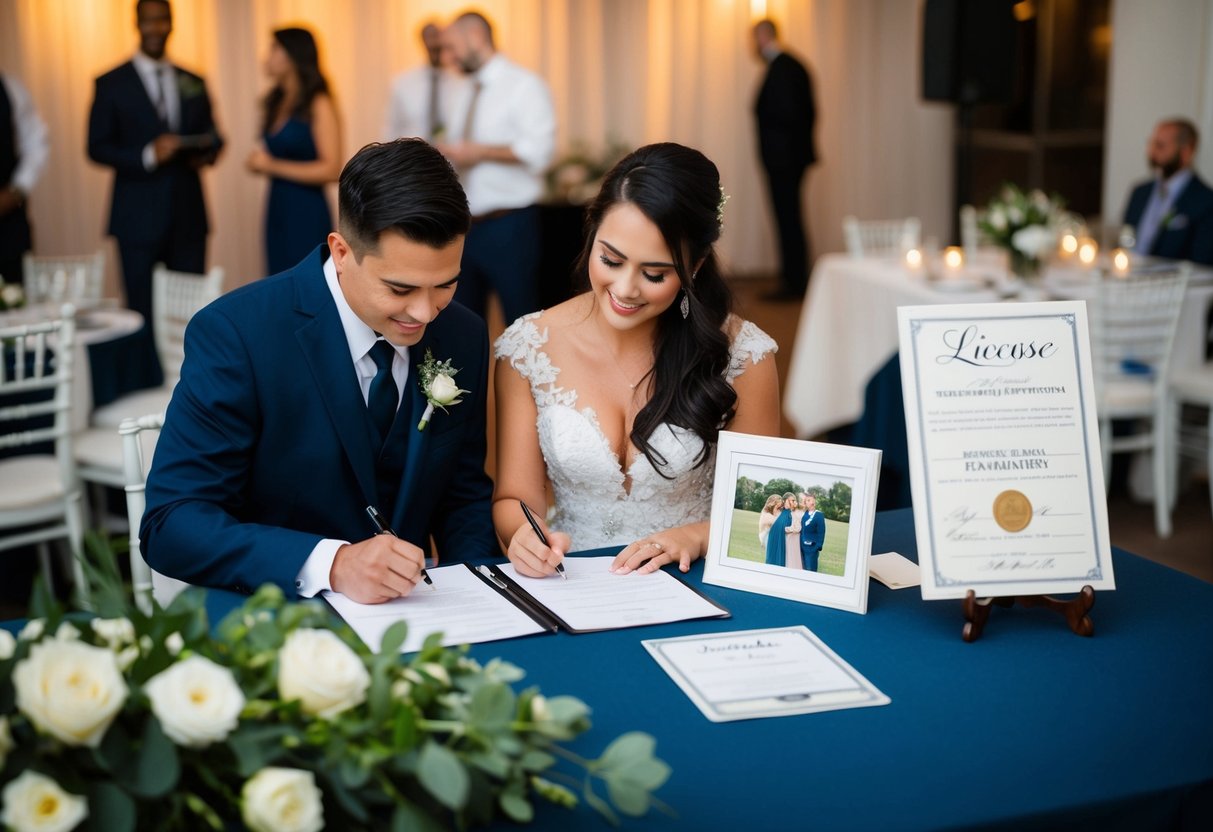
When organizing a wedding reception, it’s important to distinguish between a marriage license and necessary permits. A marriage license is a legal document you obtain before the wedding, allowing you to marry. It does not cover the reception itself.
For the reception, you may need specific permits if you’re hosting the event at a venue that doesn’t have them.
For instance, if alcohol is served, an alcohol license might be necessary. Rules vary by state and local government, so check with your local authorities.
Make a call to the local Alcohol Beverage Control board if you’re unsure about what you need.
Key Distinctions Between Different Permits
Different types of permits cater to various aspects of your wedding reception. A common distinction is between a temporary liquor license and a banquet permit.
- A temporary liquor license is needed if you are selling alcohol at the reception or if the venue does not have a permanent liquor license.
- A banquet permit might be required in some states if you’re serving alcohol in a commercial setting.
Make sure to research the specific requirements for your venue and act early to secure the necessary permits. This preparation will help avoid any issues on your big day.
Navigating Alcohol Regulations for Your Reception
When planning your wedding reception, understanding alcohol regulations is crucial. Knowing about licensing requirements, liability insurance, and permits will help you stay compliant while providing a fun experience for your guests.
Licensing Requirements for Serving Alcohol
To serve alcohol at your wedding reception, you need a liquor license. This can vary by state, so check with your local alcohol control agency for specific requirements.
You may apply for a permanent or temporary license. A temporary permit might be adequate for a one-day event. This option is often easier and less costly.
Some venues, like banquet halls or hotels, may already have a liquor license. If you choose such a venue, they will handle compliance with all laws regarding serving alcohol. This is a great way to ensure your wedding goes smoothly!
Purchasing Liquor Liability Insurance
Liquor liability insurance is an important aspect to consider. This insurance protects you from legal issues if someone gets hurt or damages property after consuming alcohol at your reception.
It’s wise to consult with an insurance agent to understand your coverage options.
Many wedding venues may require you to have this insurance before you can serve alcohol. Ensure your policy specifically covers the service and consumption of liquor.
Check for coverage limits and exclusions. This way, you’ll know what is and isn’t protected. Keep this policy handy in case a venue or local authority requires proof.
Banquet Permits and Temporary Event Notices
If you’re hosting your wedding at a location without a liquor license, you might need a banquet permit. This permit allows you to serve alcohol without needing a full liquor license for an event.
You will generally need to apply for the permit in advance. This can often be done online through your local government’s website. Be sure to read any specific requirements, such as insurance or local inspections.
Some areas may also issue temporary event notices, which serve a similar purpose. Check your local regulations to ensure you meet all requirements to easily distribute alcohol at your reception.
Selecting the Ideal Wedding Venue
Choosing the right wedding venue involves legal and zoning considerations as well as services and liability concerns. Understanding these elements can help you make a smart choice for your special day.
Legal and Zoning Considerations
Before booking your venue, check local zoning laws. Zoning regulations can vary widely by location. Some areas may only allow events in designated commercial zones.
You should also verify if the venue has the necessary licenses. If you plan to serve alcohol, an alcohol license is crucial to avoid fines or penalties.
Additionally, inquire about permits for large gatherings. Depending on your guest count, you might need special permissions.
Be aware of the venue’s restrictions. Certain venues may have guidelines about noise levels or closing times, which can affect your wedding plans.
Venue Services and Liability Concerns
When selecting a venue, consider the services they offer. Many venues provide packages that include catering, decoration, and sound systems. Bundling services can save you time and possibly money.
Review the venue’s liability insurance. This protects you in case of accidents or damage during the event. If the venue doesn’t have sufficient coverage, consider acquiring additional insurance for your event.
Ask about cancellation and refund policies as well. Knowing these terms can provide peace of mind in case of unexpected changes.
Finally, communicate clearly with the venue staff. Discuss your needs and expectations to ensure everything runs smoothly on your big day.
Business Responsibilities for Private Events
When hosting a private event, you have important responsibilities. These include understanding your business entity structure, licensing needs, insurance requirements, compliance with local laws, and liability issues.
Business Entity:
Decide if you want to operate as a sole proprietor, LLC, or corporation. Each has different implications for your personal liability and tax obligations.
Licensing:
Check if you need a liquor license. Depending on your location, you may require a temporary liquor license if you plan to serve alcohol. Some areas allow you to hire licensed vendors if you don’t have one.
Insurance:
It’s wise to get liability insurance. This protects you against claims related to injuries or damages during the event. Always consult an insurance agent for specific coverage details.
Compliance:
Stay updated on local laws and regulations. These may include health and safety codes, zoning laws, and fire regulations. Non-compliance can lead to fines or shutdowns.
Liability:
Understand your liability for accidents that happen at your venue. Make sure all guests are aware of safety rules. Having clear policies helps protect your business and your guests.
Taking these steps helps ensure that your event runs smoothly and safely. Being aware of your responsibilities will help you enjoy the occasion without undue stress.