
Do You Need a Qualification to Be a Wedding Celebrant? Exploring Your Path to Ceremony Success
Becoming a wedding celebrant is a rewarding journey for those who enjoy helping couples celebrate their love. Formal qualifications aren’t needed, but training can enhance your skills and appeal. Many people enter this field with a passion for creating meaningful ceremonies, and that often matters more than any certification.
If you’re considering this path, you may wonder what steps to take. While various courses offer certificates or diplomas, they are not mandatory. The most important qualities you can bring are your personality, creativity, and warmth. Couples are often drawn to celebrants who can connect with them and personalize their wedding experience.
Exploring training options can still be beneficial, even if it isn’t required. Many celebrants choose to take courses to develop their abilities in planning and delivering ceremonies. This can help you gain confidence as you prepare for your role in someone’s special day.
Understanding the Role of a Celebrant
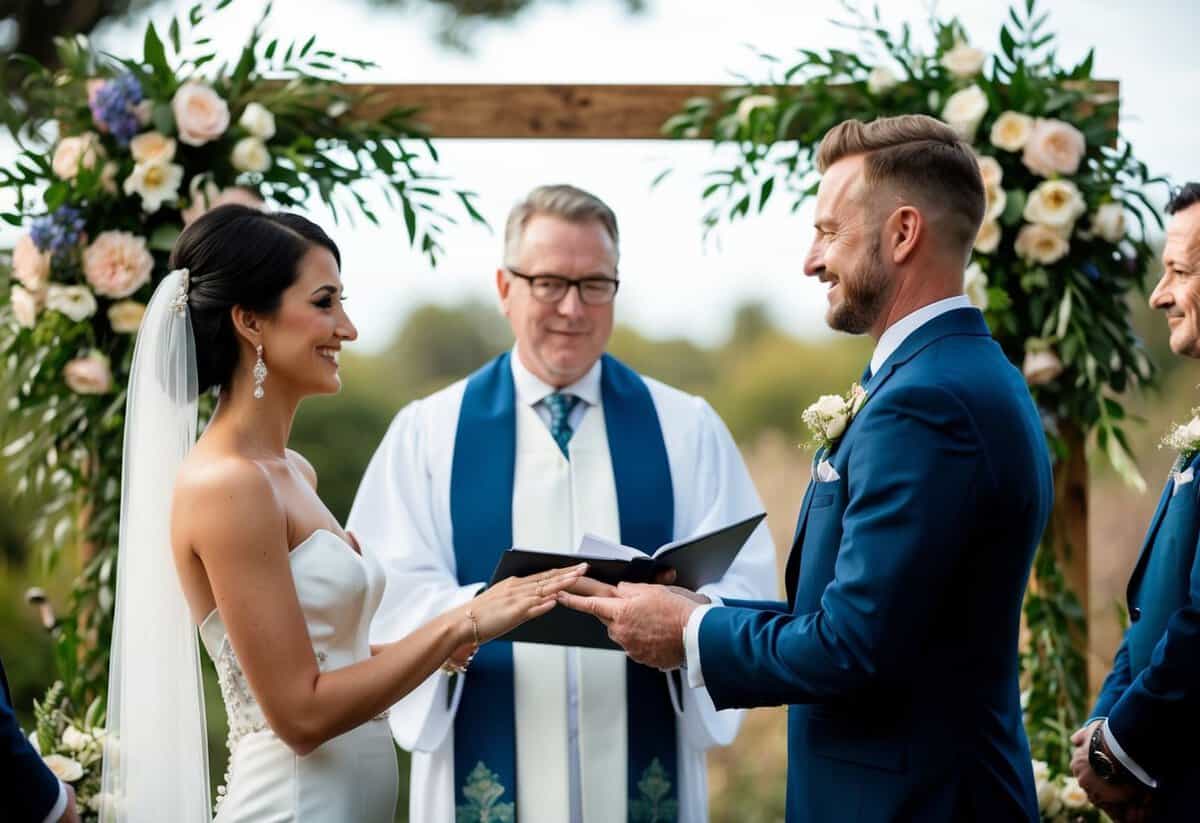
A celebrant plays a crucial role in marking significant life events. This includes weddings, funerals, and naming ceremonies. You need a solid understanding of their functions and the importance of empathy and compassion in your interactions.
Diverse Celebrant Functions
As a celebrant, you have various responsibilities. If you are a wedding celebrant, your role involves meeting with couples to learn about their love story. You help create personalized ceremonies that reflect their values and desires.
Funeral celebrants focus on honoring a person’s life. You work closely with grieving families to create meaningful tributes that celebrate the deceased’s journey. Naming ceremonies are another aspect of celebrancy, where you welcome a new life and create a moment of joy for families.
Each type of ceremony you conduct requires a unique approach and attention to detail. You must adapt your style and language to fit each event while balancing the emotions involved.
Empathy and Compassion as Core Skills
Empathy and compassion are vital skills for any celebrant. You need to understand and connect with the feelings of those you serve. During wedding planning, you listen to couples’ hopes and ideas. It is essential to capture their vision in the ceremony.
In more sensitive situations, like funerals, your empathy shines even brighter. You help families navigate their grief while honoring their loved ones. Compassion allows you to offer comfort and support, making a significant difference during difficult times.
Your ability to communicate kindly and thoughtfully contributes to memorable experiences. Whether you are leading a joyful ceremony or a solemn farewell, your emotional intelligence helps you connect with others in meaningful ways.
Qualification Pathways to Becoming a Celebrant

If you are considering becoming a wedding celebrant, understanding the qualification pathways is key. These pathways vary widely, from formal training to self-directed learning, allowing you to choose what fits you best.
Formal Qualifications and Training
You can start your journey as a celebrant by pursuing formal qualifications. While you do not need a degree, many training providers offer courses that can enhance your skills.
A popular option is the Level 3 Certificate in Civil Celebrancy. This type of course typically focuses on essential skills, such as writing ceremonies and public speaking. Some courses may also offer diplomas in celebrancy, giving you a more comprehensive foundation.
Many celebrancy academies provide structured programs. You can expect to learn about legal requirements, various ceremony types, and client interactions. Completing a formal course can also improve your job prospects in this competitive field.
Accreditation and Certification
Accreditation is another important step toward becoming a celebrant. While not required, obtaining certification can boost your credibility. Various organizations, such as NOCN, offer accredited programs that validate your training.
Having an accredited qualification shows clients that you’re committed to your role. Some training providers issue certificates upon completion, which can help you stand out. This certification often involves a mix of coursework and practical assessments, which ensures you’re well-prepared for real-world challenges.
Self-Development and Online Learning Options
In today’s digital age, online celebrant training is a fantastic option. Many platforms offer online celebrant training courses that you can attend from the comfort of your home. These courses often cover topics like ceremony scripting, emotional intelligence, and more.
Self-development is also valuable. You can learn from books, webinars, and community groups. Networking with other celebrants can provide real-world insights and tips. Whether through online resources or local meet-ups, ongoing learning will help enhance your skills and boost your confidence.
The Skills of a Successful Celebrant
To thrive as a wedding celebrant, you need a blend of communication skills, professionalism, and business knowledge. These skills will help you connect with clients and create memorable ceremonies that reflect their love stories.
Communication and Public Speaking
Strong communication skills are essential for any celebrant. You must be able to express ideas clearly and connect with couples and their families. Good listening is also key; understanding your clients’ desires will help you create a ceremony that resonates with them.
Public speaking skills are equally important. You will often stand in front of a crowd, guiding the ceremony with confidence. Practicing your speaking techniques, such as voice modulation and pacing, can make a big difference. Engaging storytelling abilities will allow you to share meaningful moments that touch hearts.
Developing a Professional Portfolio
A professional portfolio is a great way to showcase your work. Include details about the ceremonies you’ve conducted, testimonials from couples, and photographs of the events. This portfolio not only highlights your skills but also helps build trust with potential clients.
To keep your portfolio updated, regularly add new ceremonies and experiences. Consider having a section for creative writing samples where you share vows or personalized scripts. This adds depth and hints at your storytelling skills.
Marketing and Business Skills
To grow your celebrant business, you need marketing skills. Knowing how to market your services effectively can set you apart. Use social media platforms to highlight your work and connect with engaged couples.
Networking with other wedding professionals can also lead to referrals. Building strong relationships within the wedding industry can boost your career prospects significantly. Don’t forget to maintain a professional online presence that reflects your brand.
Organizational skills are vital, too, for coordinating various aspects of the ceremonies you lead. A well-organized approach ensures no detail is overlooked, making each ceremony seamless and enjoyable for everyone involved.
Launching Your Career as a Celebrant
Starting your journey as a celebrant involves connecting with a supportive community and managing essential legal aspects. These steps can help you build a successful and fulfilling career in celebrancy.
Networking with the Celebrant Community
Networking is vital for your success as a celebrant. Building relationships within the celebrant community can lead to new opportunities and resources. Attend local gatherings, workshops, and training programs to meet others in the field.
Join online forums and social media groups focused on celebrancy. These platforms allow you to share experiences and ask for advice. Connecting with established celebrants can also offer insights into best practices for wedding ceremonies, funeral celebrancy, and civil celebrancy.
Consider collaborating with others on events. By working together, you not only enhance your skills but also expand your reach. Remember, inclusivity is key. Embrace diverse cultural practices to attract a broader clientele and strengthen your celebrant business.
Handling Legal Paperwork for Ceremonies
Understanding and managing legal paperwork is crucial in your role as a celebrant. Each type of ceremony, whether it’s a wedding or a funeral, involves specific legal requirements.
First, research the laws governing your area. Make sure you meet local regulations for conducting ceremonies. This includes obtaining necessary licenses or registrations.
Keep detailed records of performances and any legal documents required for each event. This will enhance your professionalism and assist with potential audits.
Additionally, educating yourself about couples’ rights and the legal aspects of marriage can boost your confidence. This knowledge helps you provide better service, ensuring that your clients feel secure in your abilities.
Handling legal paperwork effectively supports your financial stability and solidifies your reputation in the celebrant community.