
Do You Need a Wedding Rehearsal in the UK? Essential Tips for a Smooth Ceremony
Planning your wedding is exciting but can also feel overwhelming. You might wonder if you really need a wedding rehearsal in the UK. The answer is that it depends on your specific plans and preferences.

A wedding rehearsal can help everyone understand their roles, especially if you have a larger bridal party or specific elements in your ceremony. In the UK, not every couple chooses to have one, especially for simple ceremonies. However, if you’re planning something unique or have concerns about logistics, a rehearsal could make things smoother on the big day.
Many couples enjoy the opportunity to gather their loved ones together before the wedding. Whether you opt for a formal rehearsal dinner or a more casual get-together, it’s a chance to bond and celebrate.
The Role of a Wedding Rehearsal
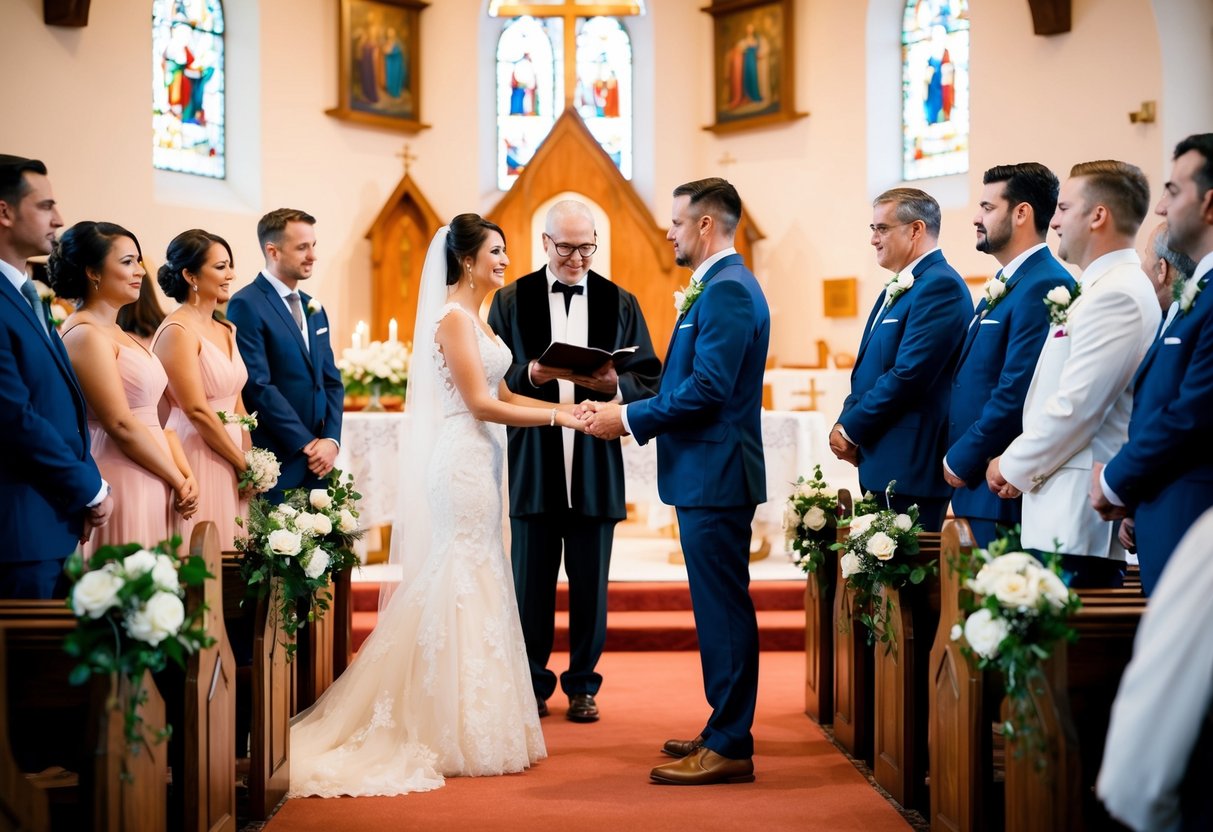
A wedding rehearsal plays an important role in ensuring everything runs smoothly on your big day. It provides a chance for the key participants to understand their roles and responsibilities, making the ceremony feel comfortable and organized.
Understanding the Rehearsal Process
During the wedding rehearsal, you and your bridal party will practice the order of events for the ceremony. This often includes the processional, where you walk down the aisle, and the recessional, when you exit as a married couple.
Having a clear idea of what to expect helps reduce nerves.
Your officiant, whether it’s a vicar or another type of officiant, will guide the rehearsal. They’ll point out important details, such as when to stand, sit, or speak. This practice makes everyone feel more prepared and confident for the actual wedding day.
Duties of Participants During Rehearsals
Each participant in your wedding party has specific duties during the rehearsal. The bride and groom need to focus on their roles during the processional and recessional.
Bridesmaids and groomsmen should be aware of how to walk in pairs and where to stand during the ceremony. Ushers also play a key role in helping guests find their seats smoothly.
Your best man will support you by ensuring everything is in place and addressing any last-minute concerns. Clear communication with them will help ensure that everyone understands their responsibilities.
Coordinating the Rehearsal Schedule
Planning the rehearsal requires some coordination. It’s best to schedule it a day or two before the wedding. This allows everyone to stay fresh in their minds without getting overwhelmed.
Make sure to communicate the time and location to all participants, including the bridal party and any family members who may want to join.
Having a wedding planner can help in organizing this schedule so that everything runs efficiently.
Additionally, having an agenda for the rehearsal will ensure that you cover all necessary parts of the ceremony, keeping it structured and focused. This helps maximize the benefits of your rehearsal.
Organizational Aspects of the Wedding Rehearsal

Planning a wedding rehearsal involves several important organizational elements. This will help ensure everything goes smoothly on your big day. You will need to consider the venue, the involvement of the officiant, and how to accommodate out-of-town guests.
Selecting the Venue
Choosing the right venue for your rehearsal is key. If you plan to hold your ceremony at a church or specific wedding venue, you might want to schedule the rehearsal there too. This allows everyone to familiarize themselves with the layout.
Make sure to book sufficient time. A typical rehearsal lasts about an hour but can take longer depending on your ceremony’s complexity. Remember to consider logistics, such as parking and accessibility.
If you’re having a rehearsal dinner afterward, think about nearby restaurants or spaces for guests to gather.
Involvement of the Wedding Officiant
Your wedding officiant plays an important role in the rehearsal. They can guide everyone on how the ceremony will flow. This includes where each person should stand and any special rituals or readings involved.
Communicate clearly with the officiant about your expectations. Discuss their approach to the rehearsal. Some officiants will take the lead, while others might allow you to run things.
You might also ask them about tips for ensuring everything goes seamlessly. Don’t forget to inform your officiant about any special guests, like bridesmaids and readers, who will participate in the ceremony.
Planning for Out-of-Town Guests
If you have guests traveling from afar, consider how you can make their experience easier. Send them detailed information about the rehearsal time and location, including directions to the venue.
Organizing accommodations can also be helpful. Try to suggest nearby hotels that offer group rates. Providing a comfortable space for out-of-town guests demonstrates hospitality.
Finally, consider holding the rehearsal dinner at a local restaurant. This allows your out-of-town guests to mingle and feel included as they prepare for your wedding day.
Key Wedding Rehearsal Elements
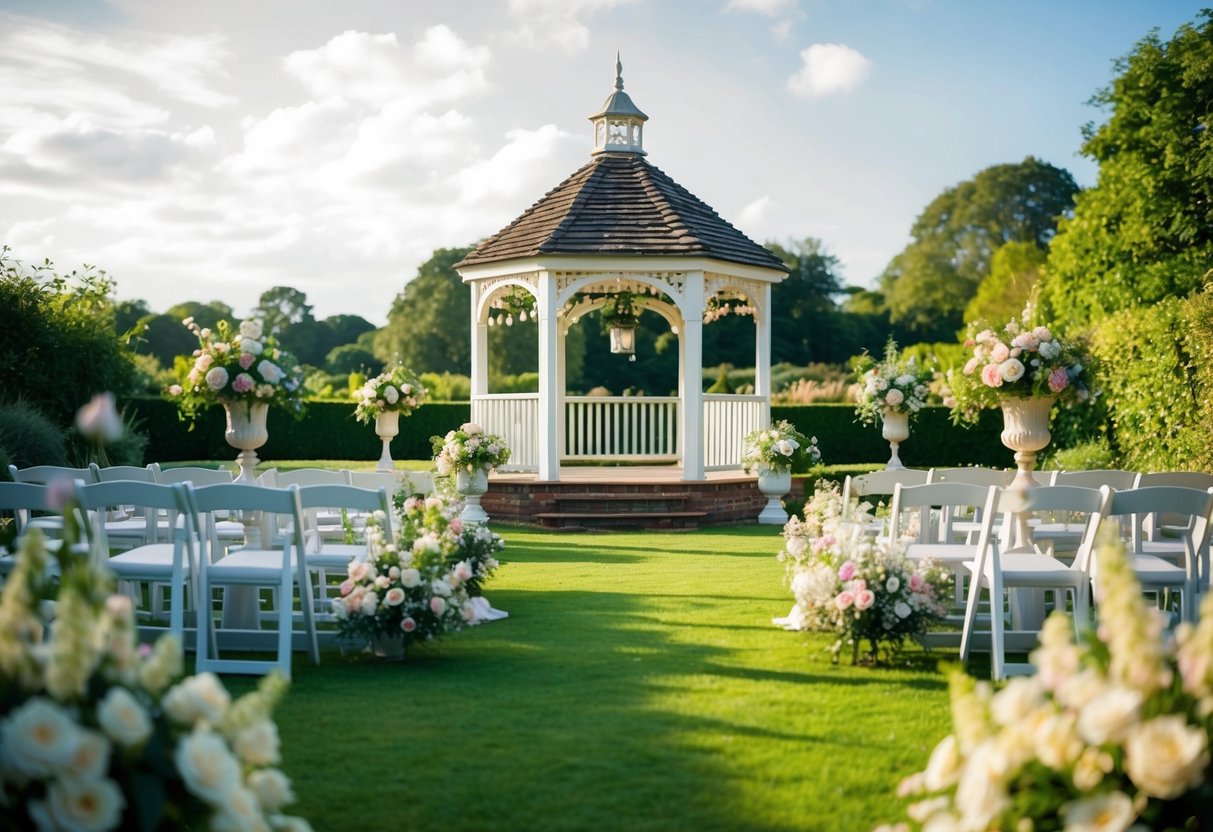
Your wedding rehearsal is a vital part of preparing for the big day. It helps everyone understand their roles and ensures the ceremony flows smoothly. Here are some key elements to focus on during your rehearsal.
Conducting the Ceremony Walkthrough
One of the first steps in your rehearsal is to walk through the entire ceremony. Start with your entrance and the moment you begin walking down the aisle. This practice allows you to become comfortable with the setting and helps ease any nerves.
Make sure everyone knows their spots, especially the bridal party, family, and officiant. Time spent on details like where to stand and how to position your hands during the vows can make a big difference.
Don’t forget to practice any special rituals or movements that are part of your ceremony. If you have unique elements like lighting a unity candle or a sand ceremony, ensure everyone understands what to do. This preparation is essential for a relaxed wedding day.
Practicing the Ceremony Readings
If you have chosen to include readings during your ceremony, it’s important to practice these too. Invite the people who will read to the rehearsal. Each reader should know their parts and feel confident delivering them.
Ensure they understand the tone and pacing of their readings. This practice makes your ceremony meaningful and helps avoid any awkward moments. You might want to give a few tips, like making eye contact and speaking clearly.
Taking the time to rehearse readings allows everyone involved to feel more at ease. A familiar setting helps each reader know where to stand and how to project their voice. This preparation can enhance the overall experience for you, your guests, and your loved ones.
Coordinating the Processional and Recessional
The processional and recessional are vital parts of your ceremony. During your rehearsal, practice the order in which everyone will enter and exit. This coordination ensures no one is left confused on the big day.
Decide who walks in first and set clear signals for when to start. It’s also helpful to practice walking slowly, as emotions can make people rush a bit.
When it comes to the recessional, make sure everyone knows the exit order. This practice helps maintain a joyful and organized conclusion to the ceremony. You want to feel the excitement of the moment without any uncertainty.
Cultural and Legal Considerations
When planning your wedding in the UK, it’s important to understand both cultural traditions and legal requirements. Knowing these elements can help ensure that your ceremony goes smoothly and respectfully honors any traditions that mean a lot to you and your loved ones.
Understanding UK Wedding Traditions
In the UK, weddings are steeped in tradition. Many couples choose to follow customs that have been passed down through generations. For example, it’s common for the bride to wear white, which symbolizes purity.
You might also include specific roles for your wedding party. The vicar, or officiant, typically guides the ceremony, while witnesses are required to sign the marriage register legally. Including family and friends in meaningful ways can enhance the experience, making it a memorable occasion for everyone involved.
Navigating Civil Ceremony Requisites
If you’re opting for a civil ceremony, there are specific legal steps to follow. First, you must give notice of your marriage at least 28 days before the ceremony. This involves both you and your partner providing identification and proof of residence.
During the ceremony, a registrant will officiate, ensuring all legal aspects are met. Remember, unlike religious ceremonies, civil ceremonies must be held in approved venues. Make sure you check that your location is licensed for marriages, so everything proceeds without a hitch.