
Do You Need Witnesses for a Registry Office Wedding? What You Should Know
When planning your special day at a registry office, you might wonder if you need witnesses. The answer is yes; you will need at least two witnesses to sign the register with you. This important step is required to make your marriage legal and valid.
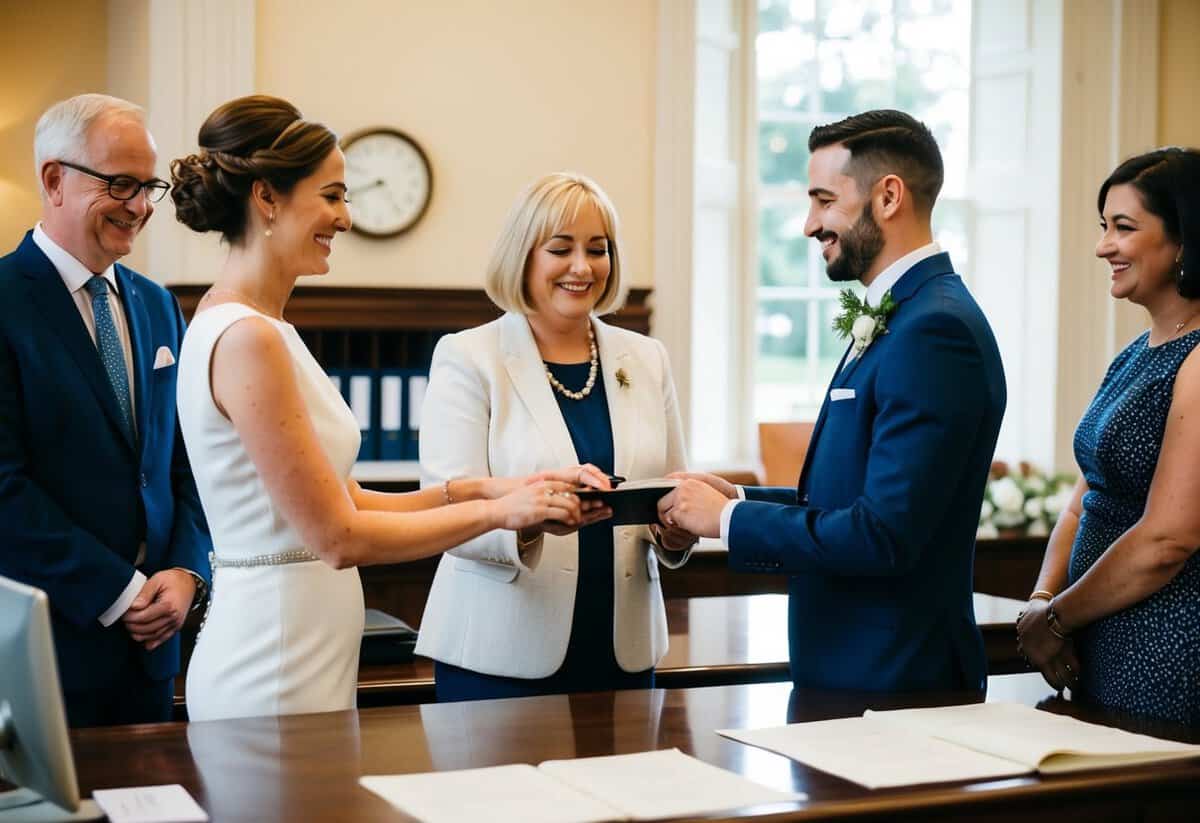
Choosing your witnesses can be a fun part of the planning process. They can be friends or family, or even people you don’t know well. It’s often a nice touch to have those who are close to you standing by your side as you start this new chapter in your life.
Understanding the requirements for witnesses will help ease any stress you may have about your registry office wedding. Feel free to explore more about who can witness your wedding and what roles they play.
Understanding Registry Office Weddings
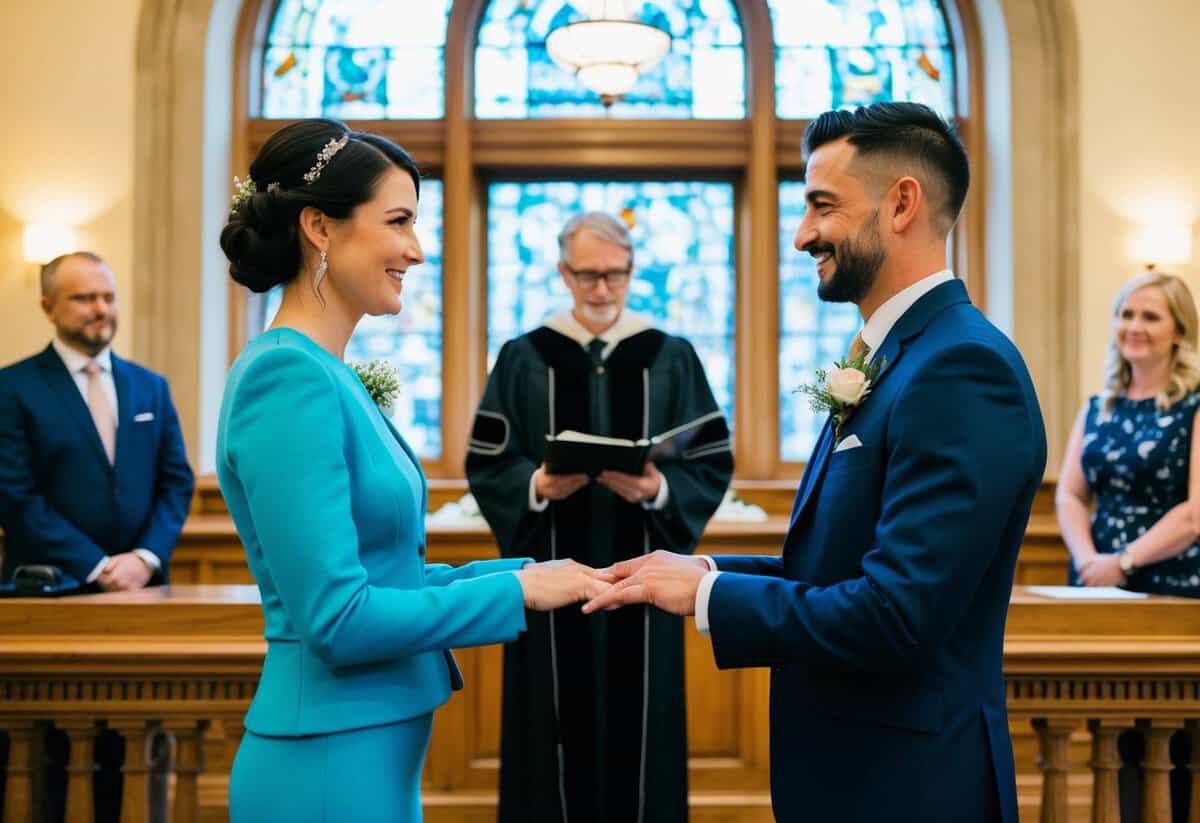
Registry office weddings are a straightforward and meaningful way for couples to tie the knot. These ceremonies are designed to be simple, legal, and often more affordable than traditional weddings. Here, you will learn about what these weddings entail and how they differ from civil partnerships.
What Is a Registry Office Wedding?
A registry office wedding is a legal ceremony held at a local registry office. This type of wedding allows you to exchange vows without the added elements of a large wedding. In this setting, you will typically need two witnesses to sign the marriage register alongside you.
Registry office weddings accommodate various personal styles. You can choose a simple, intimate setting or enhance the ceremony with personal touches. Many couples value the clarity and efficiency this option offers. Despite being less formal, you can still celebrate your love in a way that feels special to you.
Differences Between Civil Partnerships and Marriages
Civil partnerships and marriages are both legal unions but differ in some key aspects. One main distinction is that civil partnerships, primarily for same-sex couples, have specific legal implications. Marriages are recognized for all couples, regardless of gender.
In a civil partnership, you will sign a document called a civil partnership deed. In a marriage, you sign the marriage register. Additionally, rights and responsibilities also differ slightly between the two. It is important to understand these differences to ensure you choose the option that best fits your relationship goals.
The Role of Witnesses in Registry Office Weddings
Witnesses play an essential role in registry office weddings. They are needed to confirm that the marriage is taking place legally and to support you during this special event.
Who Can Be a Witness?
When selecting your wedding witnesses, remember that they don’t have to be professionals. Most people can serve as a witness, including friends or family. However, there are a few rules to keep in mind:
- Age Requirement: At least one witness must be 18 years or older. This is to ensure they can legally sign the marriage register.
- Language: Witnesses should understand the language used during the ceremony. This helps them comprehend the vows being taken.
- Presence: They must be present during the entire ceremony to sign the necessary documents afterward.
Feel free to choose someone who knows you well but keep in mind that even acquaintances can witness your marriage.
Responsibilities of Wedding Witnesses
Your wedding witnesses have important duties. After you and your partner exchange vows, they must sign the marriage register with you. This act is vital to officially document your marriage.
Witnesses should:
- Confirm Legality: Their signature helps ensure that the marriage complies with legal requirements.
- Support You: They are present to celebrate this significant moment, providing emotional support during the ceremony.
- Stay Focused: It’s important for them to be attentive throughout the event. This allows them to understand what is happening and be involved in the moment.
Having trusted witnesses can enhance your wedding experience, making it feel more meaningful.
Planning Your Registry Office Wedding
When planning your registry office wedding, there are key aspects you need to consider. This includes understanding the legal requirements, selecting the right venue, and choosing attire for you and your guests. Here’s a closer look at each important area.
Giving Notice and Legal Requirements
Before your wedding, you must give notice to your local registry office. This notice informs them of your intention to marry. You usually need to do this at least 28 days in advance.
Make sure you both meet the legal requirements, such as being at least 16 years old (17 in some places) and not currently married. Bring necessary documents, like IDs and proof of residency.
Don’t forget any fees involved. Costs can vary by location. You might also want to ask about the marriage certificate after your ceremony, as this is proof of your marriage.
Selecting Your Wedding Venue and Ceremony Room
Choosing the right venue is essential. Most registry offices offer various ceremony rooms, ranging from simple to more ornate settings.
Think about how many guests you plan to invite. Smaller rooms work well for intimate gatherings, while larger venues can accommodate more friends and family. Also, make sure the location is accessible for everyone.
Check if you need to book the room in advance. It’s also wise to inquire about registry office wedding costs since fees can differ based on the room you choose.
Registry Office Wedding Attire and Guest Considerations
Your attire sets the tone for the day. Registry office weddings can be formal or more relaxed. Smart-casual outfits can look great and still feel special.
Think about what you’re comfortable wearing, whether it’s a classic dress or tailored suit. You could even opt for something more unique, like a chic jumpsuit or a short dress.
Don’t forget about your guests! Inform them of your attire preferences. Encourage them to dress appropriately so everyone feels part of the occasion. Being clear will help everyone enjoy the day.
After the Registry Office Wedding

After your registry office wedding, there are a few important steps to take. You will need to obtain your marriage certificate and consider changing your name on various documents.
Obtaining Your Marriage Certificate
Once your wedding ceremony is complete, you should request a marriage certificate. This official document proves your marriage and is essential for many future tasks.
In the UK, you can usually apply for your certificate through your registry office. You’ll need to fill out a form and pay a fee. Expect to receive the certificate by mail or pick it up in person. This certificate may be required for updating your passport, applying for joint accounts, or other legal documents.
Make sure to keep several copies, as you may need to present it for identification or legal purposes later.
Changing Your Name and Updating Documents
If you choose to change your last name after marriage, start by updating your documents. You will need your marriage certificate as proof for this process.
Begin with your passport. Contact the passport office or visit the UK government website for detailed instructions on how to apply for a name change.
Next, update your bank accounts, driving license, and any utility bills that require proof of address.
For other documents, like health insurance or work records, check directly with the providers to understand their requirements.
If you’ve been previously married and are changing your name, you might also need to provide proof of divorce along with your marriage certificate.