
Do You Pay for Drinks at a Wedding? Understanding Wedding Reception Costs
Many people wonder about the costs associated with weddings, especially when it comes to drinks. Typically, the couple getting married covers the drinks for their guests, as it’s considered good etiquette. However, the decision can vary based on budget, venue, and personal preference.

If you’re hosting a wedding, you might face the choice between an open bar, a cash bar, or even a limited drink option. Each choice carries its own set of expectations and social norms.
Understanding what your guests might expect can help you plan a memorable celebration that aligns with your values and budget.
As you navigate these decisions, it’s important to consider how your choices will make your guests feel. After all, you want everyone to enjoy the day without feeling uncomfortable about costs.
Understanding Bar Options at a Wedding
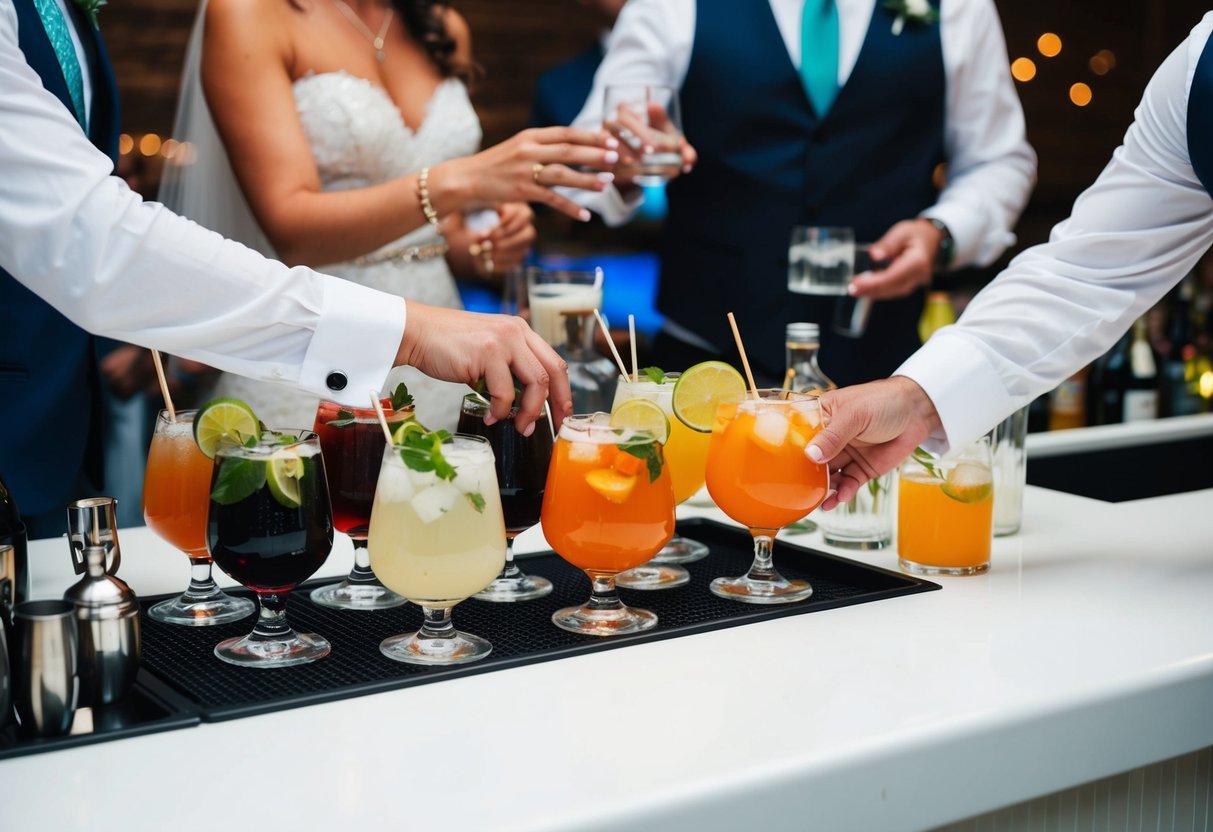
Choosing the right bar option for your wedding can shape the experience for your guests and impact your budget. It’s important to consider what type of service you want to provide and what fits best within your wedding budget.
Here’s a look at the common options available.
Open Bar
An open bar means that you pay for all the drinks your guests consume during the reception. You can offer a full range of options, including beer, wine, and spirits. This option creates a festive atmosphere and allows guests to enjoy themselves without worrying about costs.
Keep in mind that the total cost will depend on the number of guests and types of drinks served.
If you choose an open bar, you can also consider limiting it to beer and wine only or offering a selection of signature cocktails. This can help control costs while still providing a great experience.
Cash Bar
A cash bar is when guests pay for their own drinks. This option can save you significant money and is popular for budget-conscious couples. However, some guests may find it less hospitable, as they have to cover their own costs.
You can offer a mixture of complimentary drinks, like beer and wine, along with cash options for spirits. This way, you balance guest experience with your budget. Just be clear with your guests about what is free and what they must pay for to avoid confusion during the reception.
Limited Bar
A limited bar falls between an open and a cash bar. Here, you provide a select number of drinks for free while guests pay for anything beyond that. This option can include specific beer and wine selections or a few signature cocktails.
This setup allows you to keep costs down while still treating your guests. It’s a good way to offer variety without overwhelming your budget. Make sure to communicate what drinks are complimentary to your guests, so they know what to expect.
Hosted Bar Options
Hosted bar options refer to a setup where the couple pays for drinks up to a certain limit. Once guests hit that limit, the bar may transition to a cash bar. This is a nice compromise that can help you maintain control over your budget while still offering free drinks.
You can choose to only offer beer and wine during the hosted period or include some cocktails up to the budget limit. Be sure to discuss the specifics with your bartender to ensure everyone is on the same page regarding when the cash bar begins.
Etiquette and Expectations
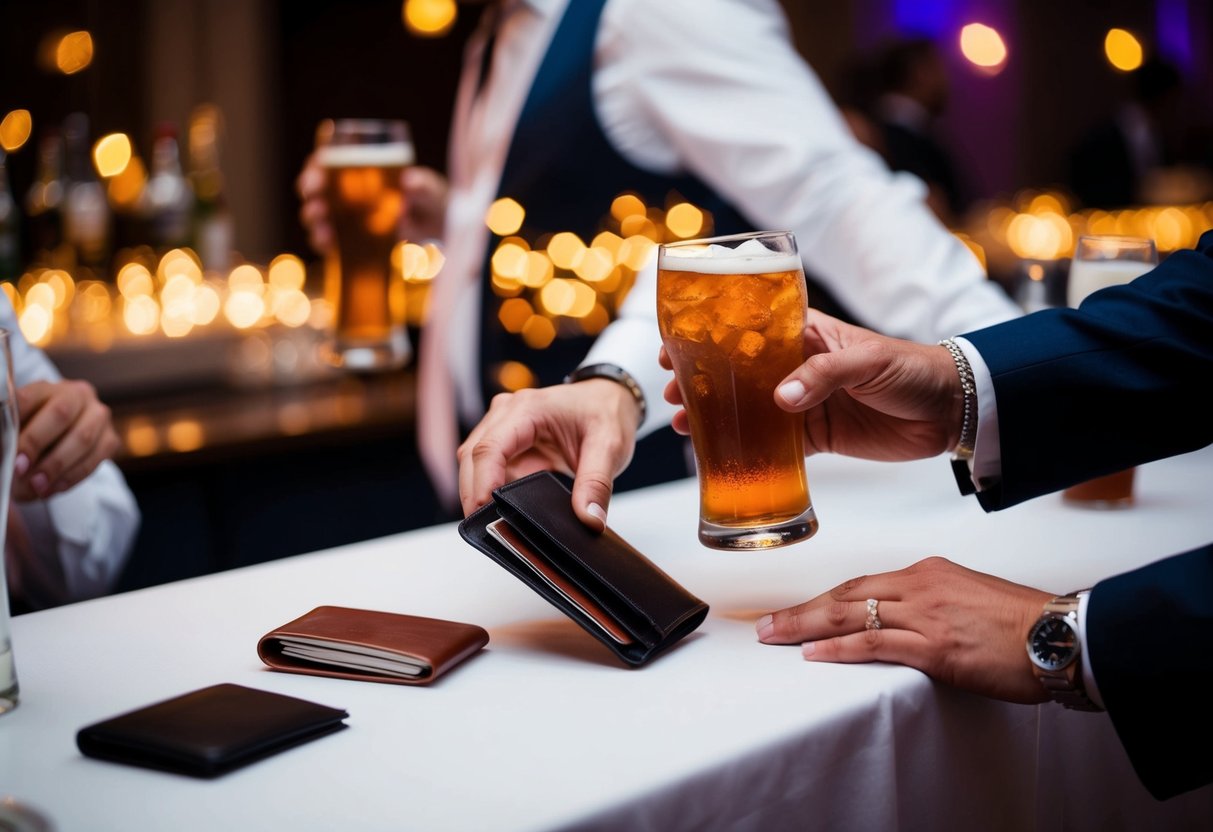
When it comes to drinks at a wedding, knowing what to expect can help you navigate the situation smoothly. This section covers how invitations can set the tone, what guests should keep in mind, the importance of bartender interaction, and considerations around tipping.
Wedding Invitation Wording
The way a couple phrases their wedding invitation can provide clues about drink expectations. If you see phrases like “open bar” or “cash bar,” you’ll know what to expect. An open bar means the hosts cover all drink costs for guests. Conversely, a cash bar indicates that guests will need to pay for their drinks.
If there’s no mention of the bar on the invitation, it’s okay to ask someone close to the couple for clarification. Knowing this in advance can help you plan your budget for the event.
Guest Considerations
As a guest, understanding your role regarding drinks is important. Generally, wedding etiquette suggests that hosts should offer drinks free of charge. Guests being asked to pay for drinks—especially alcohol—can be seen as poor etiquette, even if it’s common in some regions.
Keep in mind any dietary or alcohol preferences you have. If you’re worried about options, it’s fine to check what alternatives might be available before the event. Many weddings provide a variety of non-alcoholic drinks as well, ensuring everyone feels included.
Bartender Interaction
Building a good rapport with the bartenders can enhance your experience. If you arrive at an open bar, a friendly smile and “hello” can go a long way. Bartenders appreciate kindness; it sets a positive tone for your interaction.
If the bar is cash-based, have your cash ready so you can order without delay. Respect the bartender’s time, especially during busy moments. Quick and clear orders make everything smoother for both you and them.
Tip Jars and Gratuity
Tip jars at weddings are common, even if the drinks are free. Tipping bartenders is a nice gesture, acknowledging their hard work.
A typical tip ranges from $1 to $2 per drink, but feel free to adjust based on your experience.
If the event requires you to pay for drinks, consider tipping generously since you are using their services. Tipping reflects a positive relationship with service staff, and it shows appreciation for their effort to make the event enjoyable.
Planning and Budgeting for Your Wedding Bar
When planning your wedding bar, it’s essential to keep your budget in check while ensuring your guests have a great experience. Understanding costs, exploring budget-friendly options, and managing the guest experience are key steps in this process.
Assessing Your Budget
Start by reviewing your overall wedding budget. Determine how much you want to allocate to the bar. Typically, alcohol costs can represent 10-20% of your total budget.
Consult with a wedding planner for insights into local alcohol prices. This can help you decide if you prefer a hosted bar or a cash bar.
A hosted bar means you pay for all drinks, while a cash bar requires guests to pay for their own.
Consider your guest count, as this influences the total cost. For example, if you have 100 guests and a hosted bar, you’ll be spending more compared to a smaller guest list. Make sure you have a clear picture of how many people you expect to invite.
Cost-Effective Strategies
To save money on your wedding bar, consider these strategies:
-
Choose Beer and Wine: Offering only beer and wine can significantly reduce costs. These options are easier to manage and less expensive than a full bar.
-
Limit Variety: Instead of providing every drink imaginable, select a few signature cocktails. This gives a personal touch without breaking the bank.
-
Buy in Bulk: Look for liquor stores that offer bulk discounts. Purchasing larger quantities can lower the overall cost.
-
DIY Bar: If you’re up for it, consider a DIY bar. You can buy alcohol ahead of time, mix drinks, and have a friend or family member serve. This can add a personal touch and be fun!
Managing Guest Experience
Your guests’ experience at the bar can enhance their enjoyment of your wedding. Here are ways to ensure they have a great time:
-
Drink Tickets: If you opt for a cash bar, handing out drink tickets can give your guests a few complimentary drinks. This shows hospitality while managing costs.
-
Offer Soft Drinks: Don’t forget non-drinkers. Providing soft drinks or mocktails makes everyone feel included.
-
Bar Staffing: If using a DIY approach, having enough staff to serve drinks quickly is crucial. Long waits can lead to frustration.
-
Communicate Clearly: Let guests know your bar arrangement ahead of time. If it’s a cash bar or a limited selection, sharing this info can set the right expectations.
Creative Drink Solutions

Making your wedding drink options thoughtful and fun can really enhance your guests’ experience. Consider unique drinks that reflect your style and provide choices for everyone, including those who prefer non-alcoholic options.
Signature Cocktails
Creating a signature cocktail is a delightful way to add personality to your wedding. Think of a drink that represents you as a couple. You can name it after a shared memory or favorite destination.
For example, if you honeymooned in Mexico, a margarita with a unique twist could work well.
Your bartender can mix the cocktail and display a menu card with the name and ingredients. This adds flair and gives guests something to talk about.
Non-Alcoholic Options
Don’t forget about your guests who choose not to drink alcohol! Offering tasty non-alcoholic drinks ensures everyone feels included.
You might consider refreshing options like mocktails, flavored lemonades, or sparkling water infused with fruit.
Setting up a dedicated non-alcoholic drink station is a great idea. You can provide creative labels for each drink, making the selection fun. Your guests will appreciate having quality drinks while they enjoy their time at your celebration.
Personal Touches
Adding personal touches to your drink options can really make a difference. Think about incorporating family recipes or favorite drinks from special occasions.
Mentioning the story behind each drink can be a nice way to connect with guests.
Consider including a shout-out to friends or family members who helped with your wedding planning. Perhaps a drink named after your best friend or favorite family member could add warmth.
It shows your appreciation while also enhancing the hospitality of your event.
By being creative with your drink offerings, you ensure your wedding is an enjoyable and memorable experience for everyone involved.