
Do You Pay for Everyone at the Rehearsal Dinner? Here’s What You Need to Know!
As you plan your wedding, the rehearsal dinner might be one of the events on your mind. This gathering brings together close family and friends to celebrate before the big day. Yes, the hosts are expected to cover the costs for all guests at the rehearsal dinner. It’s an important part of wedding planning and contributes to a smooth start for your wedding festivities.

Understanding rehearsal dinner etiquette can help alleviate stress and create a joyful atmosphere. Whether you’re the bride, groom, or a parent, knowing the expectations can make the process smoother.
You’ll want to focus on enjoying quality time with loved ones rather than worrying about who pays for what.
Understanding Rehearsal Dinner Basics
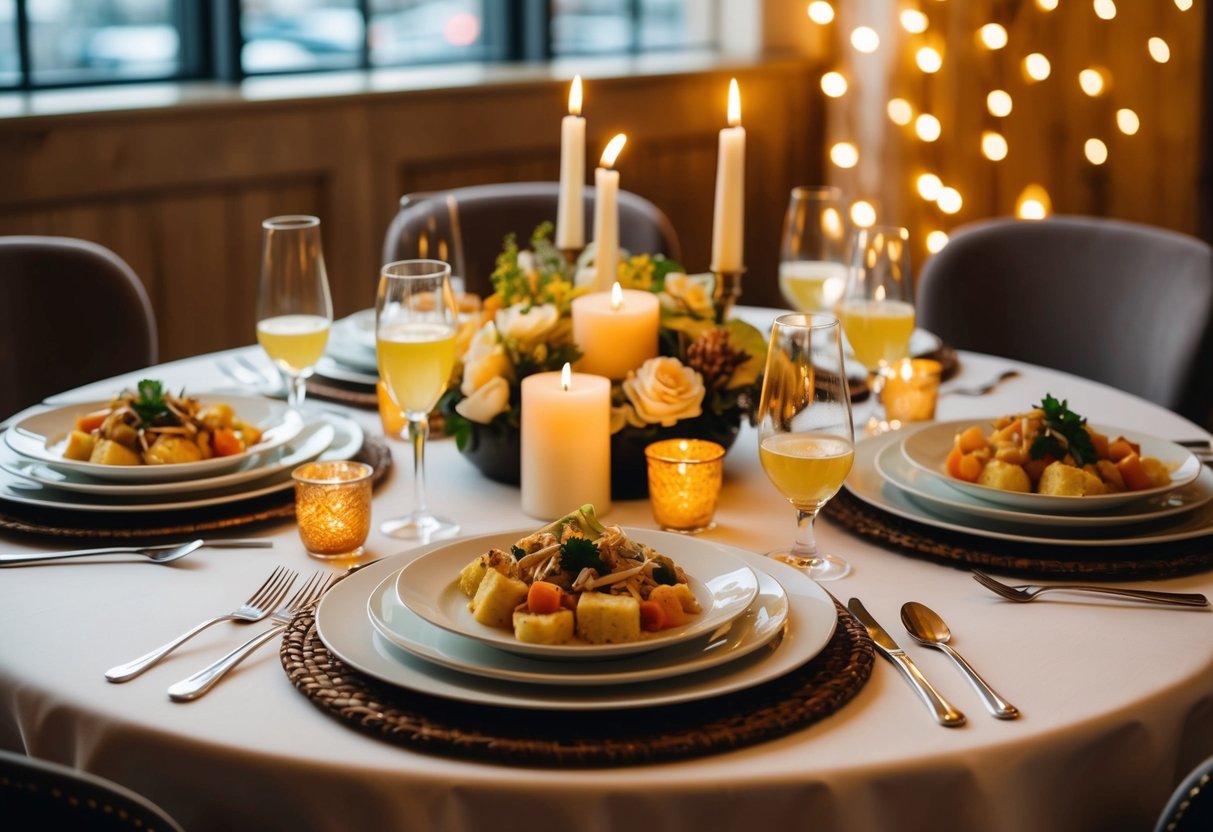
The rehearsal dinner is an important event that comes before your wedding day. It allows you to gather with loved ones and celebrate together. Knowing its purpose and who usually attends will help you plan this special occasion.
The Purpose of a Rehearsal Dinner
The rehearsal dinner serves as a way to bring everyone together before the big day. Typically, this event follows the wedding rehearsal, where the wedding party practices the ceremony.
It’s your chance to thank those who have supported you, especially your wedding party and out-of-town guests. It can be a casual gathering or a more formal meal, depending on your style and budget.
This dinner also creates an opportunity for everyone to mingle and get to know each other better. This helps ease any nerves before the wedding ceremony and ensures everyone feels comfortable and included.
Typical Attendees of a Rehearsal Dinner
Who you invite to your rehearsal dinner can vary, but there are common attendees. Most importantly, your wedding party should be there. This includes bridesmaids, groomsmen, and any other essential members.
You’ll also want to invite close family members, like parents and siblings. It’s nice to include out-of-town guests as well, since they may not have many chances to connect with others before the wedding.
If space allows, consider inviting extended family and close friends. The key is to create a warm atmosphere where everyone feels welcome and included. This gathering helps set the tone for the wedding celebration ahead.
Traditions and Financial Responsibilities
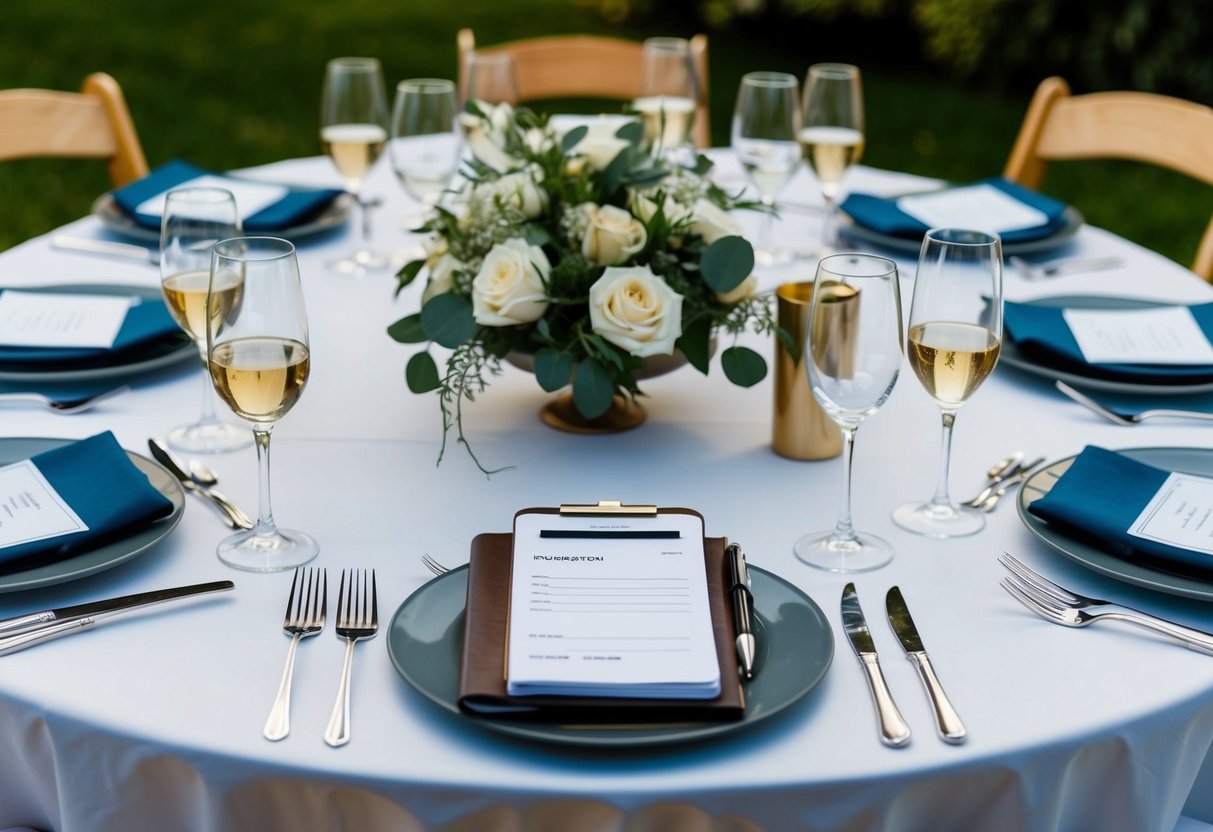
The financial responsibilities for the rehearsal dinner can feel a bit confusing. Understanding the traditions and current practices can help you determine who should pay for this special gathering.
Historical Etiquette of the Rehearsal Dinner
Traditionally, the groom’s parents hosted the rehearsal dinner. This was because the bride’s family covered most wedding expenses. The groom’s family then took on the cost of this dinner, often inviting the bridal party and close family members. The focus was on celebrating the couple as they headed into their wedding day.
In some cases, the bride’s parents might also contribute, especially if they have a close relationship with the groom’s family. Understanding these traditions can help you decide how to plan your own dinner.
Modern Approach to Financial Responsibility
Today, the expectations for who pays can vary. Many couples now share costs, reflecting their desire to ensure both families feel included.
Financial responsibility might also shift based on individual circumstances. For instance, if the couple pays for their own wedding, they may choose to manage the rehearsal dinner expenses as well. In such situations, both sets of parents can contribute whatever they feel comfortable with.
It’s good to discuss these details openly to avoid misunderstandings later on.
Navigating Divorced Parents
When parents are divorced, managing who pays for the rehearsal dinner can become more complicated. Both parents may want to be involved, leading to potential awkward situations.
It’s best to communicate clearly with each parent about their wishes and budget.
You might consider having one parent host the dinner and ask the other to help with costs. Alternatively, you could keep the dinner simple to ease financial pressures. Whatever you decide, ensuring that both parents feel included is key to a harmonious celebration.
Rehearsal Dinner Planning and Execution
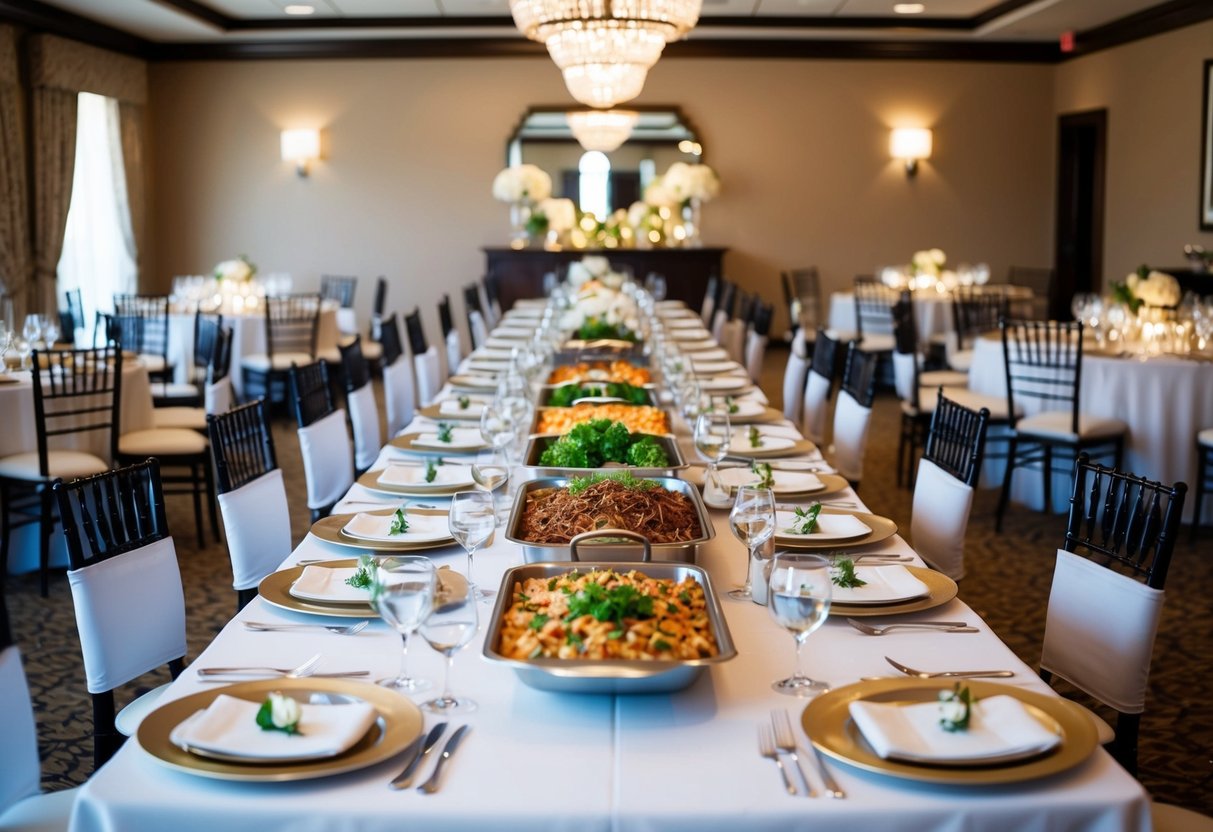
Planning a rehearsal dinner involves several key steps to ensure everything runs smoothly. From choosing the right venue to crafting a thoughtful guest list, each part plays a role in creating a wonderful experience for everyone involved.
Selecting the Right Venue
The venue sets the tone for your rehearsal dinner. Think about the size and style that fits your needs.
Consider these options:
- Home or Backyard: A cozy, intimate setting.
- Restaurant: Convenient with plenty of dining options.
- Event Space: Offers flexibility for decoration and themes.
When choosing, think about accessibility for guests. Make sure it’s easy to reach and comfortable for everyone, especially if they are arriving after a long journey. Don’t forget to check availability for your wedding weekend.
Creating a Delightful Menu
Food can make or break the evening, so pay attention to your menu. Work with your caterer or venue to select dishes that appeal to your guests.
Here are a few ideas:
- Appetizers: Finger foods keep it light and social.
- Main Dishes: Consider options like pasta, grilled meats, or vegetarian dishes.
- Desserts: Mini desserts can add a fun touch.
If you’re on a budget, think about alternatives like a potluck-style dinner or a food truck. This keeps costs down while encouraging a relaxed atmosphere.
Ideas for a Themed Rehearsal Dinner
A theme can bring an extra spark to your event. It doesn’t have to be over-the-top; just a subtle touch to make it special.
Consider these themes:
- Cultural Celebration: Show off your heritage with traditional foods.
- Seasonal: Embrace seasonal ingredients or decorations.
- Casual BBQ: Perfect for a laid-back, fun environment.
Make sure that the theme aligns with your wedding vibe. This creates a sense of unity and excitement leading into the main event.
Finalizing the Guest List
Creating the guest list is vital for planning. Decide on who to invite carefully. Typically, you want to invite:
- Immediate Family: Close relatives should be a priority.
- Wedding Party: Include your bridesmaids and groomsmen.
- Close Friends: Think about those who have supported your journey.
It’s usually best to keep it more intimate than the wedding guest list. This fosters connection and allows for meaningful interactions.
Designing a Thoughtful Seating Chart

A seating chart can significantly improve the dinner experience. It helps guests settle in and ensures mingling among different groups.
Here are some tips:
- Group by Family and Friends: Keep those who know each other close.
- Mix it Up: Encourage new connections by placing different groups together.
- Consider Personalities: Place quieter guests with more talkative ones to balance the atmosphere.
Don’t forget to communicate your seating arrangements clearly. Consider using inexpensive rehearsal dinner invitations that include table assignments. This makes it easier for guests to find their spots.
Additional Considerations for a Rehearsal Dinner
When planning your rehearsal dinner, there are some important aspects to think about. Staying on budget, adding personal touches with decorations, capturing the event with photography, and sending out the right invitations can all make your dinner special and enjoyable.
Managing the Rehearsal Dinner Budget
Creating a budget is key to a successful rehearsal dinner. Start by listing all expected expenses such as food, location, and drinks. Then, consider who will cover these costs. Traditionally, the groom’s family pays, but it can be shared with others, including the couple themselves.
It’s helpful to break down costs by categories:
- Venue: Rental fees for the space.
- Catering: Food and drinks per guest.
- Decorations: Flowers and table settings.
By tracking your spending closely, you can avoid going over budget and ensure a great time for everyone while keeping finances in check. Clear communication about expenses with all parties involved is essential to keep things stress-free.
Incorporating Flowers and Decorations
Flowers and decorations can greatly enhance the atmosphere of your rehearsal dinner. Choose flowers that match your wedding theme or colors. Think about using centerpieces, table runners, or even a simple floral arrangement.
Consider these options for a lovely setup:
- Centerpieces: Unique floral displays for each table.
- Lighting: Soft lights to create a warm ambiance.
- Table Settings: Stylish plates and napkins to complement your theme.
Don’t forget to involve your flower girl in this process, if you have one. She could even hand out simple flower arrangements to guests. Personal touches will help everyone feel welcome and celebrate your special occasion together.
Capturing Moments with Professional Photography
Hiring a professional photographer can make a big difference in preserving memories from your rehearsal dinner. They can capture candid moments and group photos that you’ll cherish forever.
Think about having them take pictures during the event and possibly some posed family shots.
Here’s a quick checklist for working with photographers:
- Discuss Expectations: Share what moments you want captured.
- Create a Shot List: List specific groupings, like family or friends.
- Timing: Ensure the photographer knows key moments, like toasts.
These images can also be used later for thank you cards or wedding albums, allowing you to enjoy memories of the fun you had with family and friends.
Sending Out Rehearsal Dinner Invitations
Sending out invitations for your rehearsal dinner is a thoughtful way to inform your guests about the details. You should keep the invite list focused on those who will be part of the actual ceremony, as well as close family and friends.
Here are some tips for invites:
- Details: Include the date, time, location, and dress code if needed.
- Style: Match the invites with your wedding invitations for consistency.
- RSVP: Ask for replies to manage your final headcount easily.
Make sure invitations go out well in advance to give everyone time to respond. This will help you plan an enjoyable dinner with the right number of guests.