
Do You Put Bride and Groom on a Seating Chart? Tips for Organizing Your Wedding Layout
When planning your wedding reception, you might wonder if you should include the bride and groom on the seating chart. Typically, the couple sits at the head table. This tradition highlights their special role on this big day. Having a seating chart helps organize your guests and makes it easier for everyone to find their places, keeping the celebration flowing smoothly.
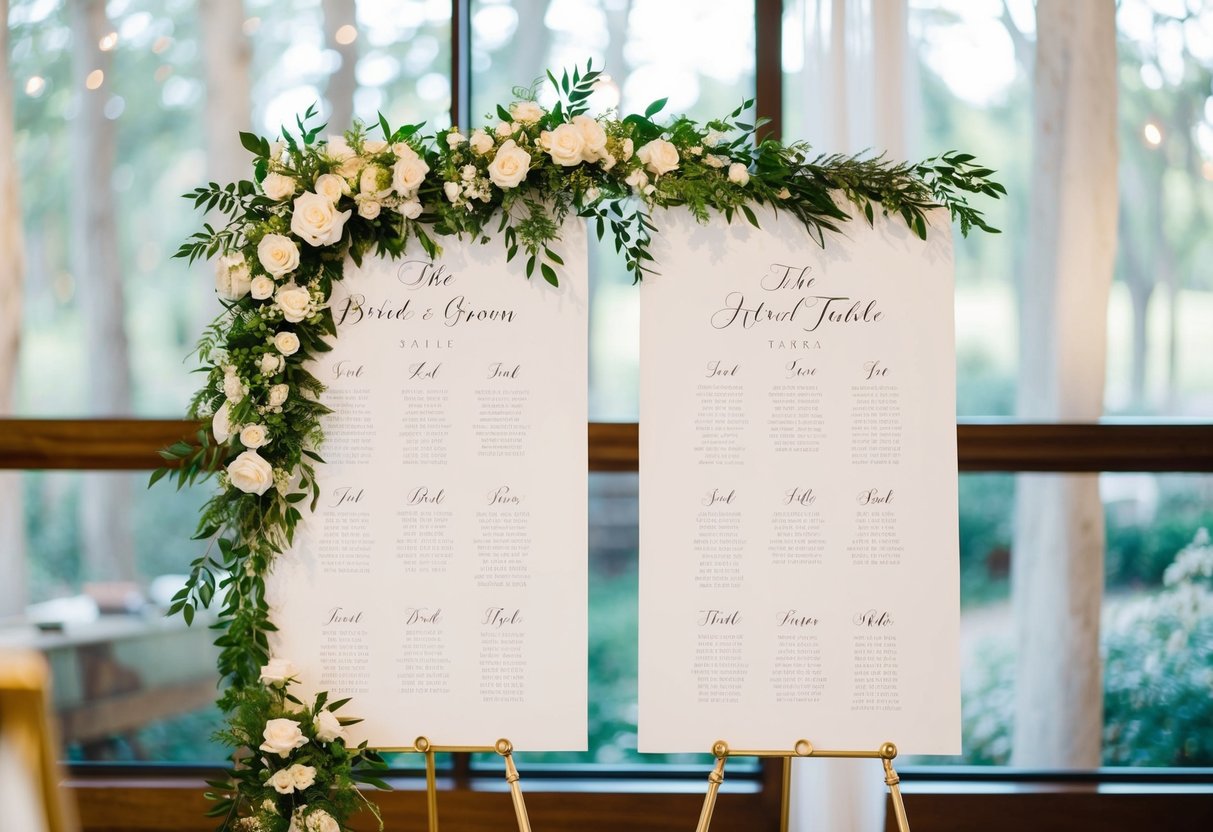
Creating a wedding seating chart isn’t just about placing guests; it’s about fostering connections. By thoughtfully arranging the seating, you can create an enjoyable atmosphere where friends and family can mingle. Understanding your seating chart can make a significant difference in how your reception feels, ensuring everyone is comfortable and happy throughout the celebrations.
Understanding the Purpose of Seating Charts at Weddings
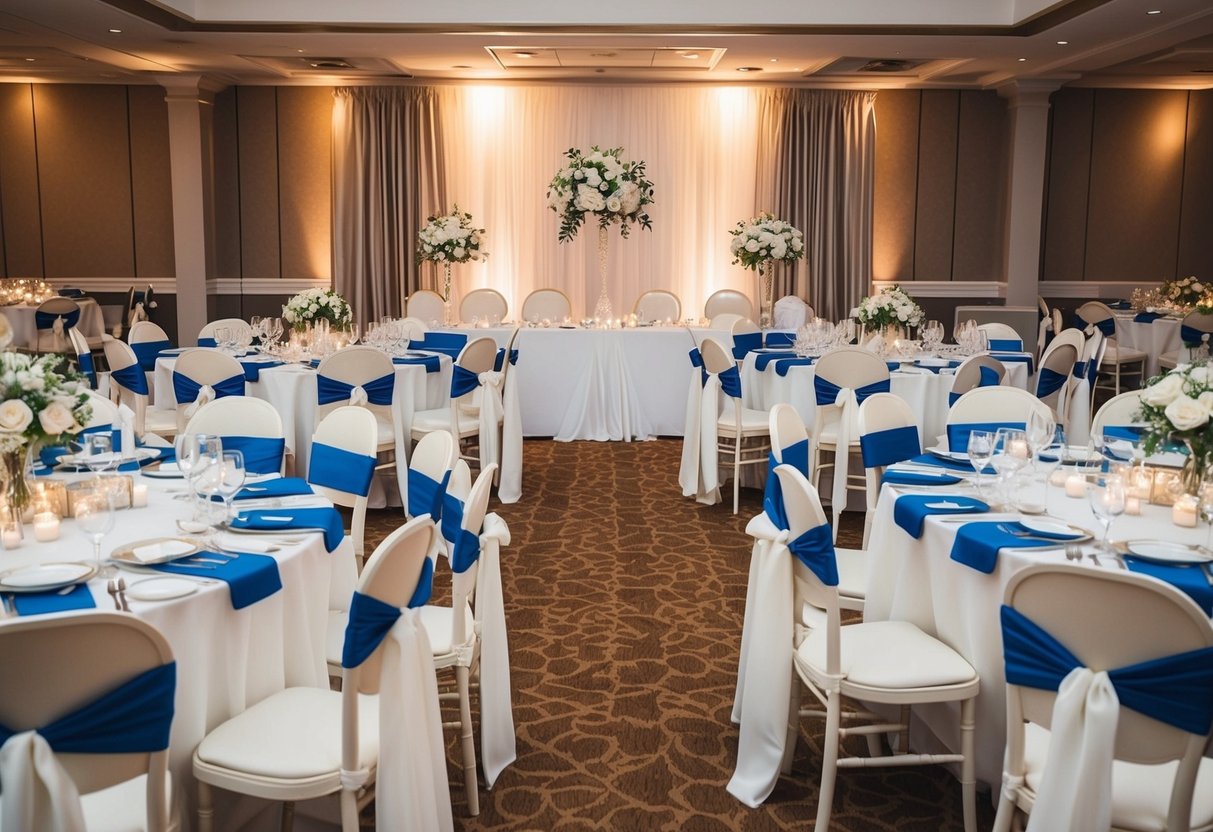
Seating charts play a vital role in creating a comfortable and enjoyable atmosphere at your wedding reception. The right seating arrangement helps your guests feel at ease and encourages social interaction. Additionally, planning your seating options can enhance the overall flow of the event.
The Role of Seating Arrangements in Guest Comfort
Choosing the right seating arrangement is key to ensuring your guests enjoy their time at your wedding. By thoughtfully planning who sits where, you help create a welcoming environment.
Consider placing family members and close friends together to foster connections. This makes conversations easier and keeps spirits high. You might also want to think about any potential conflicts among guests. Seating people who may not get along apart can prevent awkward moments.
A seating plan allows you to visualize the space and how guests will interact. For example, avoid placing the elderly far from the facilities or the dance floor. Also, make sure to leave enough room for servers to navigate smoothly during dinner service.
Different Types of Seating Options
There are various seating options to choose from for your wedding reception. Each option can impact the mood and interactions among guests. Here are some popular choices:
-
Round Tables: Ideal for encouraging conversation, round tables allow guests to see each other easily. They work well for smaller groups, enabling friendly discussions.
-
Rectangular Tables: Best for larger gatherings, rectangular tables can fit more guests. They create a formal atmosphere and can be arranged in different layouts.
-
Assigned Seating: Providing assigned seating can make your reception more organized. Guests will know where to sit, which reduces confusion and helps avoid any mix-ups.
-
Open Seating: This approach offers flexibility but may cause some guests to feel left out. It can work well for laid-back weddings.
Selecting the right seating options will enhance your guests’ experience and make your wedding memorable.
Designing Your Seating Chart
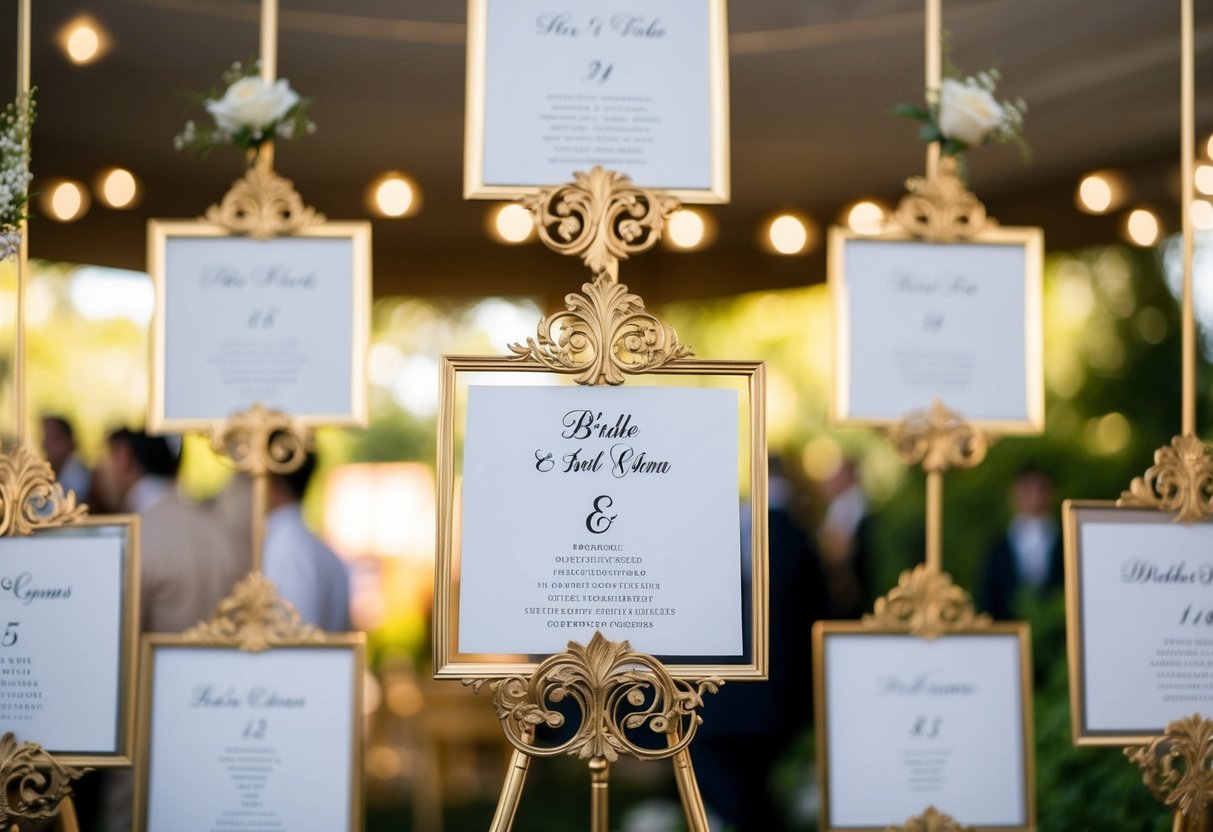
Creating an effective seating chart involves thoughtful planning. You need to consider table arrangements, guest counts, and where to place special tables like the head table or sweetheart table. Here’s how to make your seating chart go smoothly.
Deciding on Table Arrangements
Start by deciding how many tables you will have based on your guest count. This will guide your table arrangements.
You may want different types of tables, such as round or rectangular. Round tables are great for conversation, while rectangular tables can give a more formal feel.
Consider grouping guests who know each other to foster connection. You can also create a family table for immediate relatives and another for your bridal party. Be mindful of a good flow for movement, especially near the dance floor.
Incorporating Guest Count and RSVPs
Knowing your guest count is crucial. This number influences everything from the size of tables to the layout of your reception space.
Collect RSVPs early to finalize your seating chart. Make sure you have a clear list of attendees.
Create place cards to mark each guest’s seat. This adds a personal touch and ensures everyone knows where to sit.
You might want to adjust seating based on guests’ relationships or preferences to make everyone feel comfortable.
Placement of Head Table and Sweetheart Table
Decide where the head table will be situated. The head table usually has the bride, groom, and their bridal party. It should be front and center for all to see.
If you prefer a more intimate setting, consider a sweetheart table just for the bride and groom. This can create a cozy atmosphere.
Think about the sightlines for guests when placing these tables. Everyone should have a good view. A well-designed seating chart and clever placements can enhance the overall reception experience.
Navigating Social Dynamics in Seating
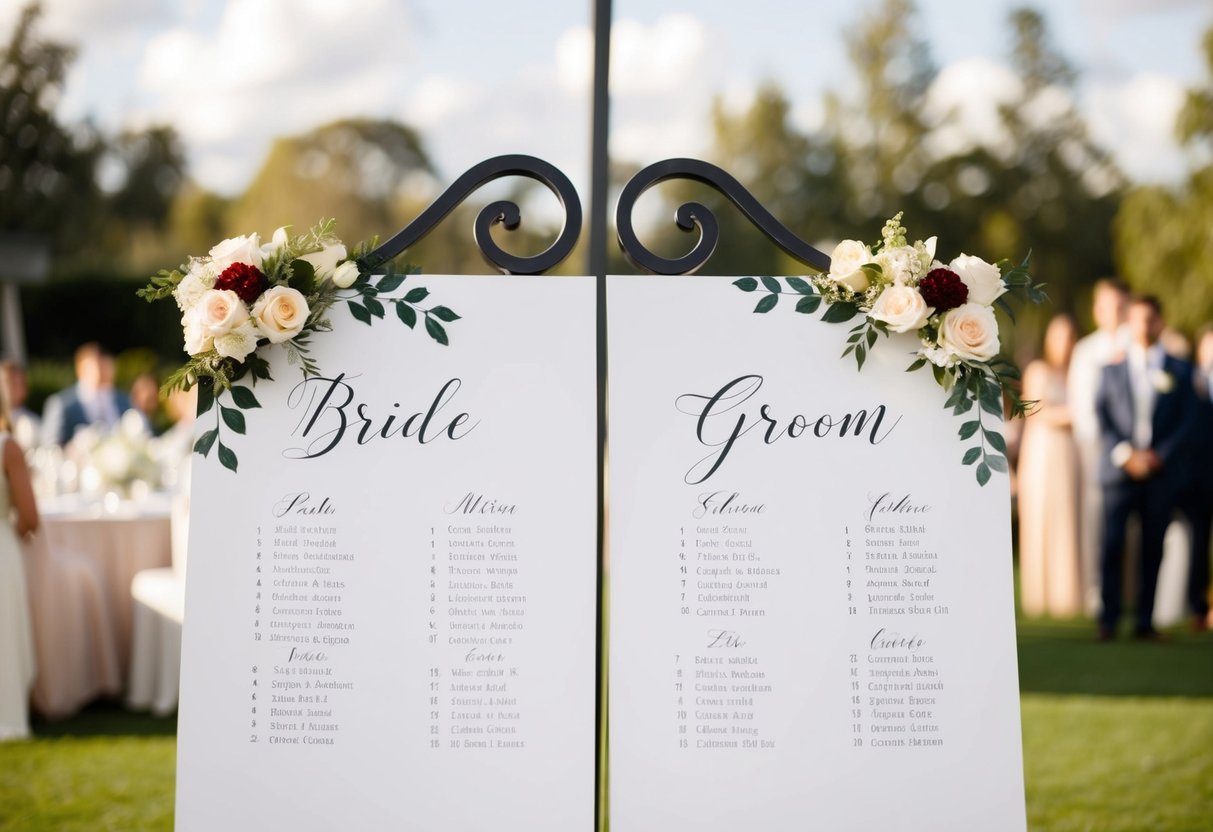
Seating arrangements at a wedding can impact the mood of the event. Effectively grouping guests can enhance interaction and enjoyment. Consider how to handle singles and kids’ tables to ensure everyone has a pleasant experience.
Grouping Guests Effectively
When making table assignments, think about your guests’ relationships. Grouping people who know each other helps create a lively atmosphere. You can also consider common interests or hobbies to spark conversations.
Using an alphabetical seating chart can simplify finding assigned seats. For guests of honor, like grandparents or close family, ensure they are at the center or head table.
Creating a mix of personalities can also work well. Include lively guests with quieter ones to balance conversations. Just remember to avoid seating guests who may not get along to keep the peace.
Special Considerations for Singles and Kids’ Tables
For singles, consider creating a table just for them. This encourages connections among guests who may not know many people. Keep the atmosphere light-hearted, as singles can feel anxious at weddings.
When it comes to the kids’ table, choose a spot near adult tables for supervision. Keep the seating fun by grouping kids of similar ages. Provide activities to keep them entertained.
Make sure to label the kids’ table clearly, so parents can easily find their children. This thoughtful touch helps parents relax and enjoy the celebration knowing their kids are nearby.
Creating and Displaying Your Seating Chart
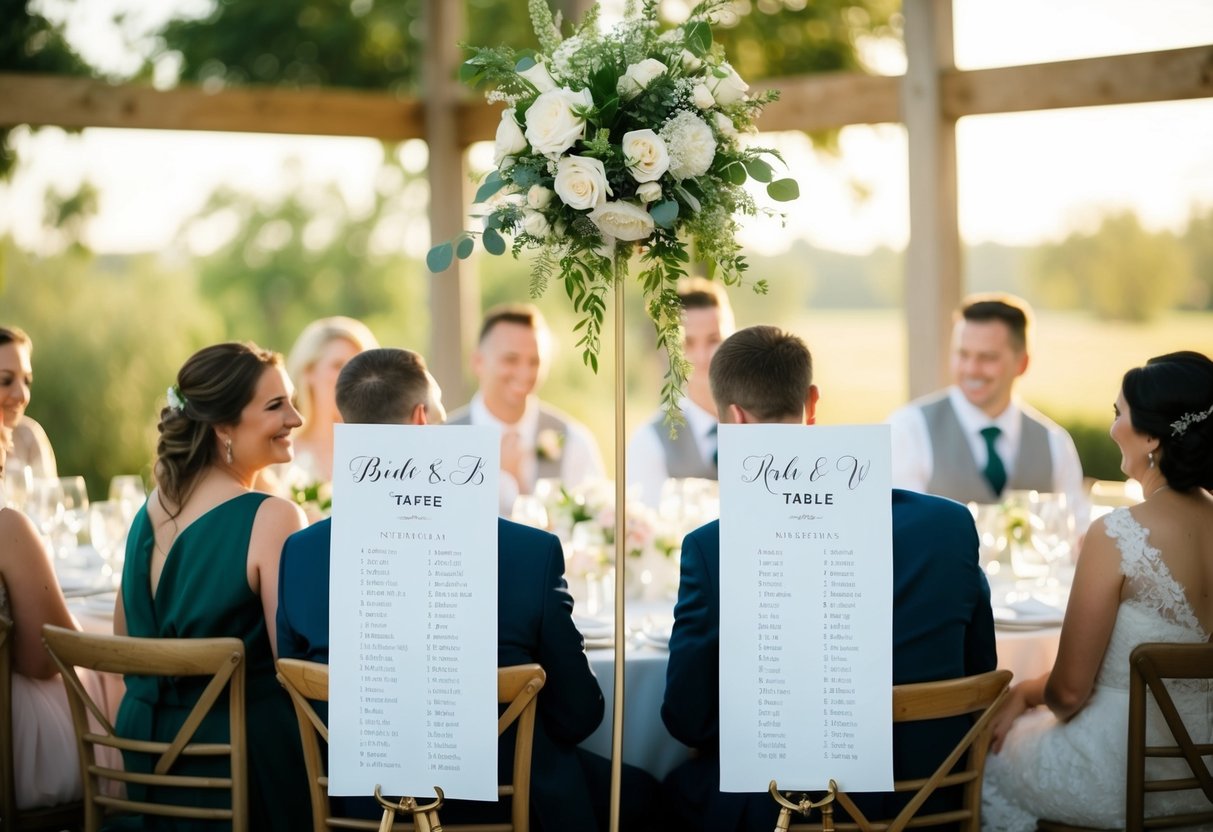
Creating a seating chart is crucial for your wedding. It helps guests find their seats easily and ensures a smooth flow during dinner service. You have options for how to display your seating chart, which can enhance the experience for your wedding guests.
Choosing Between Physical and Digital Seating Charts
Deciding whether to use a physical or digital seating chart can affect your wedding’s atmosphere. A physical seating chart can be a beautiful centerpiece at your entrance. You can use a large board, framed poster, or even a piece of art that matches your decor. It creates a welcoming vibe.
On the other hand, a digital seating chart can be handy. You could use a website or app where guests can look up their names. This is especially useful if you have a large guest list. Digital options might also allow for easy updates.
Think about your venue and your guests’ needs when choosing. Consider the look you want and how comfortable guests will be finding their seats.
The Finishing Touches: Escort Cards and Alphabetical Order
Once you have your seating chart, adding escort cards can make it special. Escort cards guide guests to their specific tables. They can be simple or artistic, featuring your wedding colors or theme.
It’s important to organize the escort cards in alphabetical order. This makes it easy for guests to find their names quickly. When planning your seating chart, ensure you have a clear system for list management.
You may also choose to combine escort cards with a physical seating chart. This way, guests can check both. It creates a seamless experience as everyone enjoys dinner service.