
Do You Really Need a Seating Chart for a Wedding? Here’s What You Should Consider!
Planning your wedding is exciting, but it brings many decisions. One question you might be asking is, can a seating chart simplify your wedding reception and make your guests feel more comfortable. It’s not mandatory, but having a plan for where everyone sits can prevent confusion on your big day.
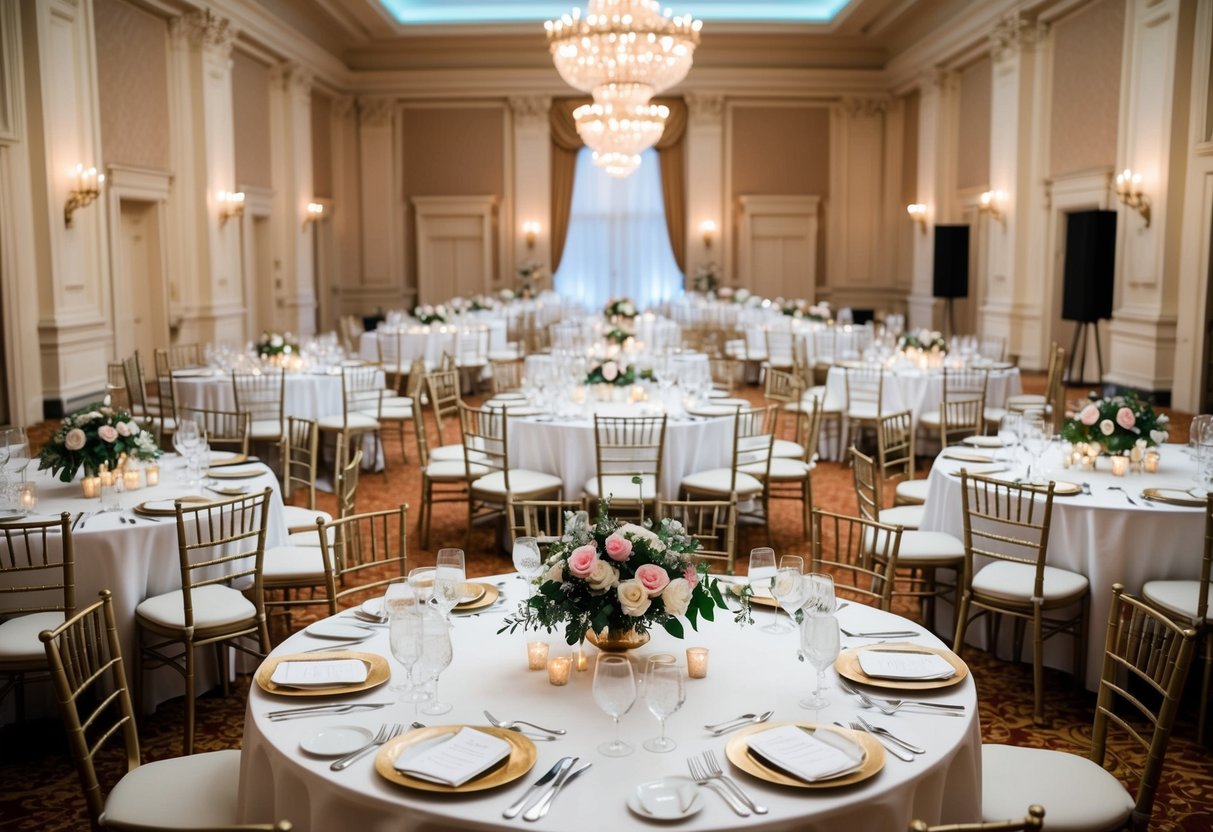
Without assigned seating, guests may not know where to go, which could lead to awkwardness or delays. By creating a seating chart, you help your guests find their places, making it easier for everyone to relax and enjoy the celebration.
Wedding planning can feel overwhelming, but a little organization can go a long way in ensuring your day is special.
Ultimately, while a seating chart isn’t required, it often proves helpful for both you and your guests. If you want to make your wedding flow smoothly, it’s a wise choice to consider.
Understanding Seating Charts
Creating a seating chart for your wedding can be a significant part of the planning process. It helps to guide your guests and ensures everyone is comfortable during the celebration.
Let’s explore some essential details about seating charts, including their basics, advantages and disadvantages, and options for alternatives.
Seating Chart Basics
A wedding seating chart outlines where guests will sit during the reception. It can include assigned tables and specific seating arrangements. Common elements are escort cards and place cards.
- Escort cards direct guests to their tables.
- Place cards assign seats at each table.
You’ll want to consider important seating etiquette. For example, seating immediate family at the head table is a common practice. Think about your guests’ relationships to avoid awkward situations.
Overall, a well-planned chart can enhance your guests’ experience and make the event more organized.
Pros and Cons of Having a Seating Chart
Using a seating chart has benefits and drawbacks.
Pros:
- Organization: It helps streamline the flow of the reception.
- Comfort: Guests are more likely to feel comfortable when seated with friends or family.
- Etiquette: Follows social norms, ensuring no one feels left out.
Cons:
- Flexibility: Some guests might be unhappy if they wish to sit elsewhere.
- Timing: Last-minute changes can be stressful and tricky.
If you’re unsure about the chart, think about your guest list and the dynamics at play. A seating chart works well for more formal events. The decision depends on your style and the type of celebration you want.
Alternatives to Traditional Seating Charts
If the idea of a seating chart feels too rigid, consider a more relaxed approach. Here are a couple of alternatives:
- Open Seating: Let guests choose their own seats. This can create a casual atmosphere.
- Informal Seating: You can set up a few grouped tables without assigned seating. This encourages mingling.
Whichever option you choose, think about your guests’ comfort. Ensure there are enough seats available and that tables are set up for easy movement. A thoughtful arrangement, even without a strict chart, still helps everyone enjoy the event.
Planning Your Seating Arrangements
Creating a thoughtful seating arrangement for your wedding can enhance your guests’ experience and streamline the dinner service. It involves several important steps, including making your guest list, designing the floor plan, and assigning seats and tables.
Creating Your Guest List
Start by compiling your guest list. This will help you understand how many tables and seats you need. Include everyone you want to invite, from family to close friends.
Once you have your list, think about group dynamics. Consider who might get along well and who prefers to sit apart. This planning can prevent awkward moments during the reception.
Tip: Use a spreadsheet to track RSVPs. Include columns for names, meal choices, and any special needs. This way, you can keep everything organized as you finalize your seating chart.
Designing the Floor Plan
Next, focus on the floor plan of your reception venue. Identify where the dance floor, buffet, and restrooms are located. This layout will influence where you position tables.
Round tables are popular as they promote conversation. Decide how many guests you can comfortably fit at each one.
You may have a head table for the wedding party and a sweetheart table for just the two of you. Clearly mark these in your plan to ensure a smooth flow during the event.
Assigning Seats and Tables
When assigning seats, think about creating a seating chart that suits your guests’ needs. Decide if you want assigned seats or just assigned tables.
For family tables, group family members together to create a friendly atmosphere. Also, consider any specific requests, like seating elderly guests close to the aisle.
Once your chart is complete, share it with your reception venue. This allows staff to familiarize themselves with the setup and ensure everything goes smoothly during service.
Navigating Social Dynamics
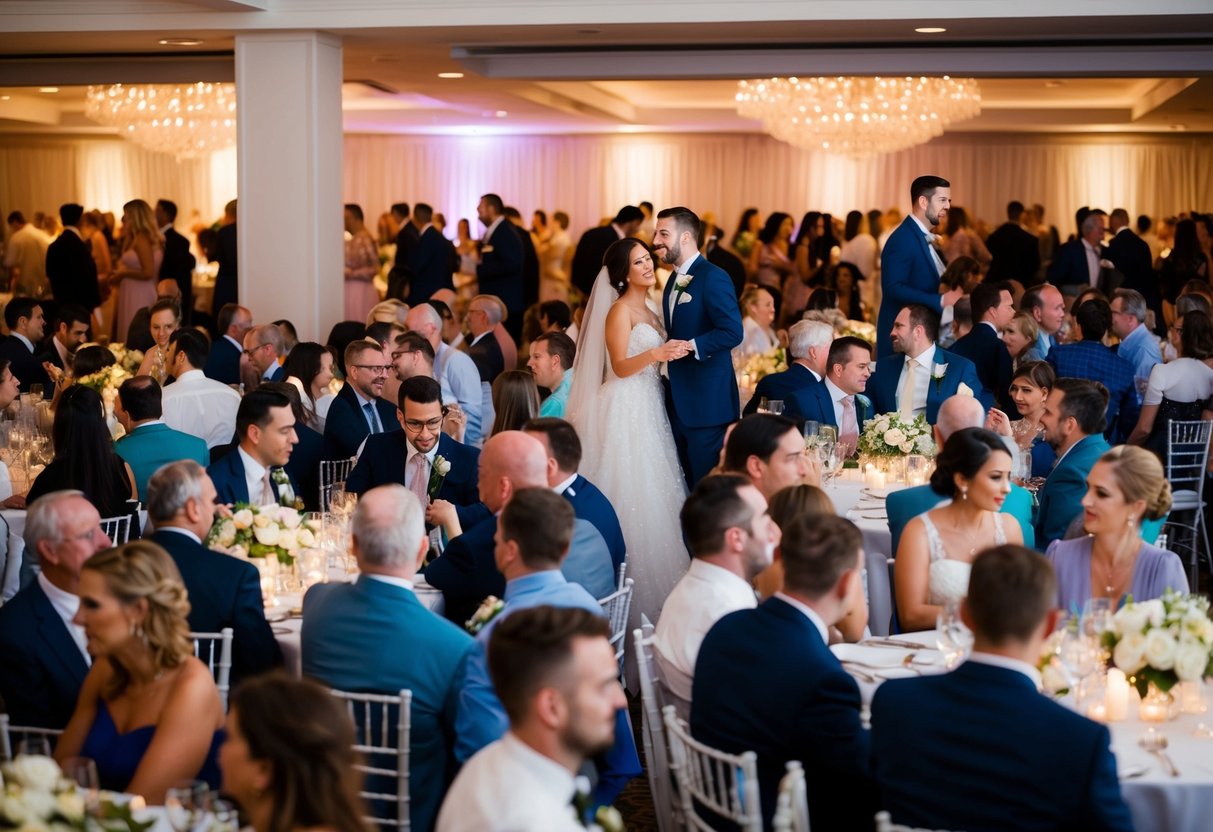
When planning your wedding seating chart, consider the different social dynamics at play. You’ll need to manage large groups, deal with personality mismatches, and be prepared for last-minute changes. Each aspect can significantly affect your guests’ experience.
Managing Large Groups and VIPs
When you have a large group of wedding guests, it’s essential to create a seating plan that accommodates everyone comfortably. Start by identifying your VIPs, such as close family and important friends. They often deserve prime seating.
For larger tables, consider the mix of guests. Arrange them so they have common interests to spark conversation. You might have relatives at one table and friends at another. Use name tags if necessary to help guests find their assigned seats quickly.
Handling Personality Mismatches
You may find that some guests have personalities that don’t mesh well. To handle this, think about who tends to get along and who might clash.
It’s smart to place guests who share hobbies or backgrounds together. If a guest tends to dominate conversations but another is quieter, consider sitting them apart. You aim for a balanced atmosphere where everyone feels comfortable and included.
Accommodating Last-Minute Changes
Changes can happen unexpectedly. Guests might cancel, or plus-ones may show up without warning. Always have a flexible plan ready.
If someone can’t make it, consider reshuffling your seating. You can easily adjust groupings to ensure no one feels left out. Keeping a digital version of your guest list helps track these changes quickly.
Being prepared helps you maintain good seating etiquette, ensuring that your celebration runs smoothly, and everyone enjoys their time.
Working with Wedding Professionals
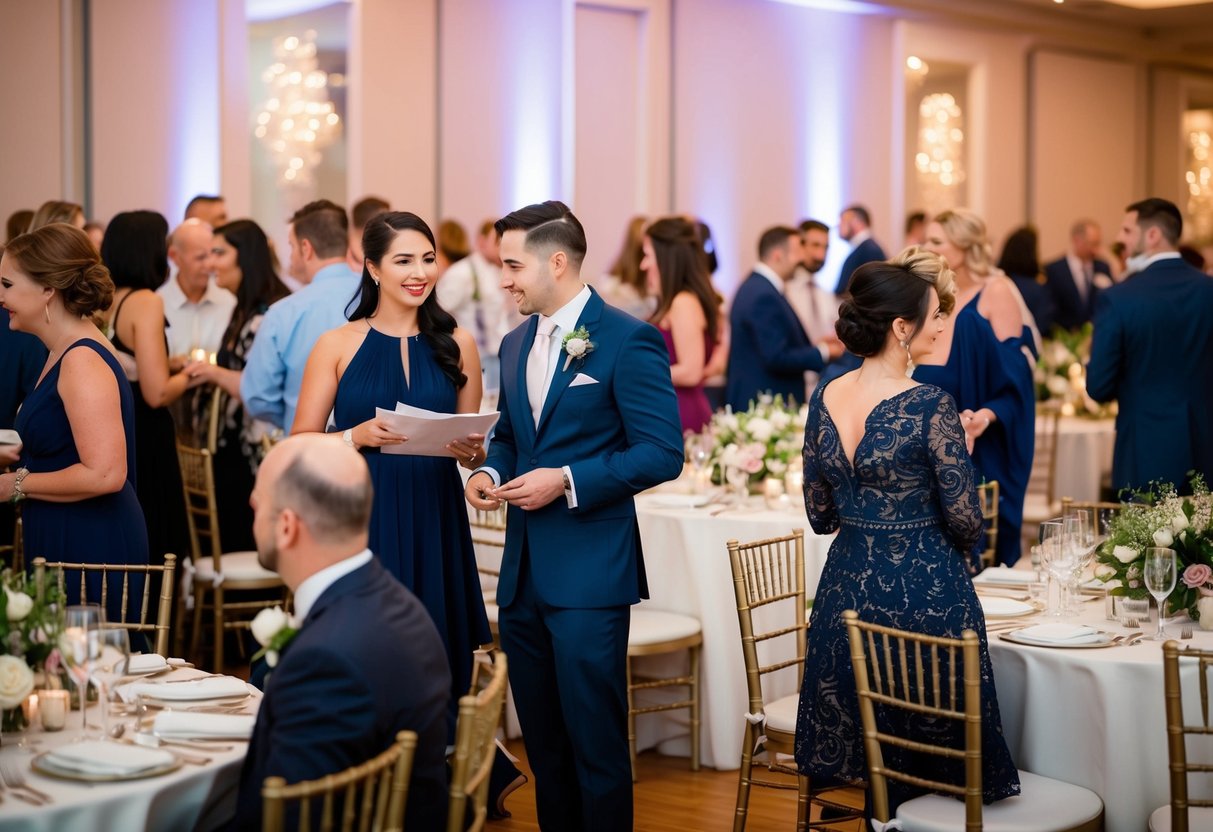
When planning your wedding, collaborating with professionals can simplify the process and add special touches. You’ll find that a wedding planner can offer invaluable assistance in creating a comfortable seating arrangement and adding unique details that reflect your personality.
Consulting with a Wedding Planner
A professional wedding planner can help make your seating chart a breeze. They have experience in arranging guests meaningfully. This can enhance the flow of your wedding reception.
Consider discussing your guest list with your planner. They can provide suggestions on how to group guests. This might include placing family together or separating those who may not get along.
Additionally, planners understand venue layouts. They know how to set up tables for the best guest experience. By tapping into their expertise, you can create a seating arrangement that feels natural and welcoming.
Personalizing with Professional Touches
Adding personal touches to your wedding seating chart elevates the experience. Professional planners can help you create unique displays that reflect your style.
For example, custom-designed charts can delight your guests. You might also consider personalized place cards. This small detail can make a big difference. It lets guests know where to sit and adds a welcoming touch.
Planners can also incorporate themes that resonate with your story. They can suggest color palettes and designs that work well with your wedding theme. Your seating chart doesn’t just serve a purpose; it can also be a visual element of your overall wedding decor.