
Do You Wear 2 Rings When Married? Exploring the Tradition and Meaning Behind Wedding Jewelry
When it comes to marriage, you may wonder about the tradition of wearing two rings. Many people choose to wear both an engagement ring and a wedding band as a way to symbolize their commitment. You wear two rings to express your love and commitment. The engagement ring is typically given before marriage, and the wedding band is exchanged during the ceremony.
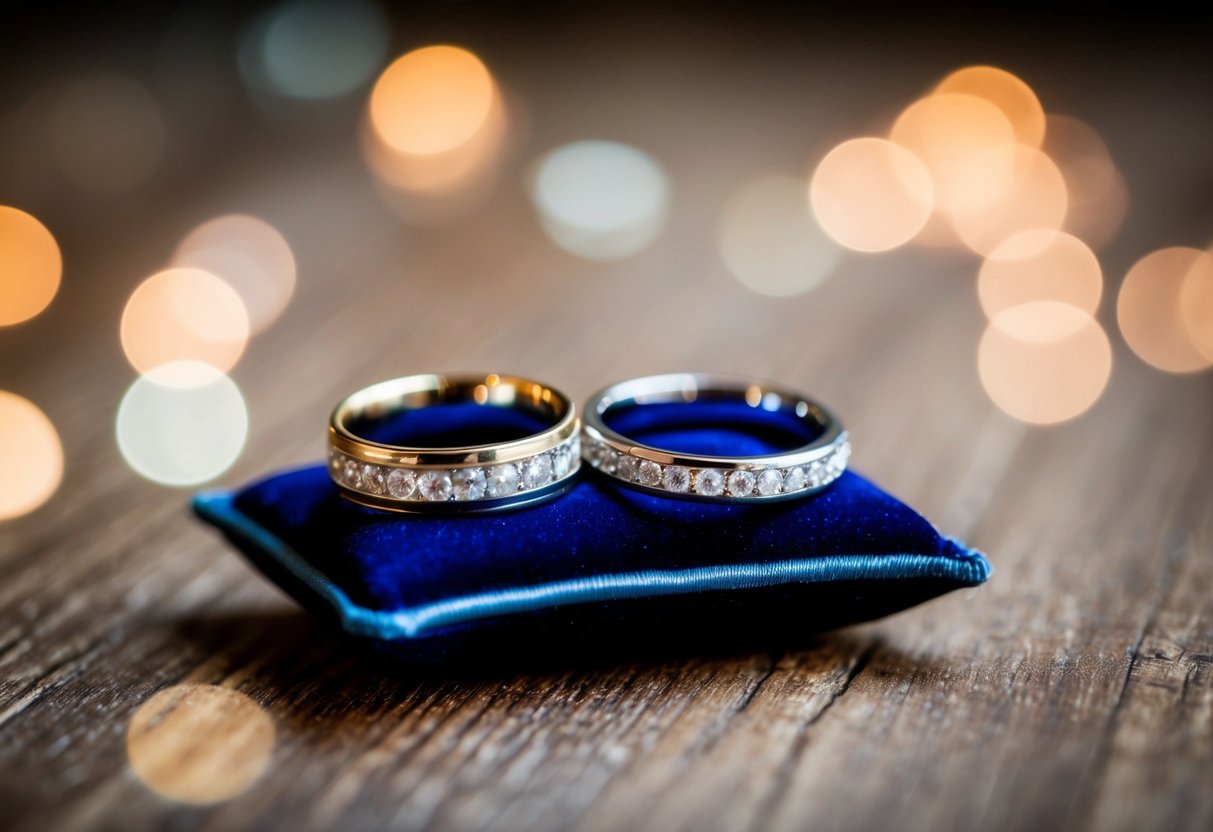
Wearing both rings is a cherished tradition in many cultures. The engagement ring often features a more elaborate design, signifying your promise to marry, while the wedding band is typically simpler, representing your ongoing commitment. Together, these rings tell a beautiful story of your journey in love and marriage.
As you celebrate your union, wearing two rings can also have practical benefits. Many individuals opt for a more ornate ring for special occasions and a simple band for everyday wear. This allows you to enjoy the significance of both rings while adapting to different situations in your life.
The Meaning Behind the Rings
Wearing two rings when married carries special meanings that reflect love, commitment, and the journey of your relationship. Each ring tells a story that is unique to you and your partner.
Engagement Ring Significance
The engagement ring represents your promise to marry. It often features a striking gemstone, usually a diamond, symbolizing strength and love. This ring is typically given during the proposal, marking a significant moment in your relationship.
The ring signifies the deep bond you share, capturing the essence of your feelings. It represents your heart’s commitment before you take the next step together. Many choose a ring design that reflects their unique style and relationship history, making it a personal keepsake.
Wedding Band Symbolism
The wedding band serves as a symbol of your actual marriage and the commitment you’ve made personally and publicly. Often a simpler design, the wedding band complements the engagement ring and represents unity.
During the ceremony, this ring is exchanged as a physical mark of love and fidelity. Wearing a wedding band signifies that you are committed to your partner for life. The circular shape of the band signifies eternity, reminding you of the timeless love you share.
Together, both rings tell the full story of your commitment, from promise to union. Each ring carries a rich meaning, blending your past with your future.
Traditions and Practices
Wearing two rings during marriage comes with unique traditions and practices. These traditions can vary by culture and can influence how you wear your rings.
Order of the Rings
Typically, you wear the wedding band on top of the engagement ring on your ring finger. This symbolizes that your marriage comes first above all else.
When it’s time to exchange rings, many people put the wedding band on right after the engagement ring. This way, it sits closest to your heart. It’s a special act that shows commitment.
Occasionally, you might choose to wear your rings differently. For instance, some people wear their wedding band on their right hand or under the engagement ring. These choices reflect personal styles and symbolize your unique love story.
Variations in Different Cultures
Cultural practices around wearing rings can differ greatly. In many Western cultures, couples exchange one engagement ring and one wedding band. This tradition emphasizes commitment and is often a lifelong promise.
In Eastern European cultures, it’s common to wear wedding bands on the right hand. This represents a different approach to marriage and symbolizes unity in another way.
Some cultures also have special ceremonies for exchanging rings. In these traditions, the rings often have unique designs or meanings.
Understanding these variations allows you to celebrate your love in a way that feels right to you.
Choosing the Right Rings
Selecting the perfect rings for your marriage involves considering your comfort, personal style, and whether to opt for matching sets. Each choice plays a significant role in how your rings will look and feel day-to-day.
Considerations for Comfort and Lifestyle
When choosing rings, comfort is key. You’ll wear these rings daily, so choose a style that feels good on your finger.
Consider your lifestyle: If you have an active job or enjoy sports, a low-profile ring may be best.
- Here are a few points to think about:
- Material: Some materials scratch easily, while others are more durable.
- Width: Wider bands can be less comfortable for some people.
- Setting: Choose a setting that doesn’t catch on clothing or equipment.
Finding a ring that suits your daily activities will ensure it becomes a natural part of your life.
Personal Style and Design Preferences
Your rings should reflect your personal style. Think about what you love and how your rings can express that.
Design options include:
- Classic: Timeless designs that never go out of style.
- Modern: Unique, contemporary pieces that stand out.
- Vintage: Antique styles that carry a charm of their own.
Consider incorporating details that are meaningful to you, like engraved messages or birthstones. Matching your rings to your wardrobe can also enhance your personal style.
Matching Sets vs. Individual Pieces
You may wonder whether to go for a matching set or individual pieces. Matching sets often create a cohesive look. A bridal set typically includes an engagement ring and wedding band that are designed to fit perfectly together.
On the other hand, individual pieces can allow for more personalization. You might choose a unique wedding band that reflects your taste, even if it doesn’t match the engagement ring.
- Here are some options:
- Stacking Rings: Wear multiple rings that complement each other without being a perfect match.
- Complimentary Designs: Choose rings with similar elements, like metals or stones, for a unified look without being identical.
Whatever you decide, it’s about what feels right for you.
Caring for Your Wedding Rings
Taking care of your wedding rings is crucial to keep them looking beautiful and lasting for years. Regular maintenance and knowing how to handle any damage can help you preserve their sentimental value.
Maintenance and Resizing
To maintain your rings, start by cleaning them regularly. Use a mild soap and warm water solution to gently scrub your rings with a soft toothbrush. Rinse them well and dry with a lint-free cloth. This helps remove dirt and oils that can dull their shine.
Visit a jeweler every six months for professional cleaning. They can inspect your rings for signs of wear. If your ring becomes loose or tight, resizing may be necessary. A proper fit prevents loss and discomfort.
Tip: Keep your rings away from harsh chemicals, like cleaning products, as these can damage the metal or stones.
What to Do If Your Ring Is Damaged
If your ring is damaged, act quickly. Assess the damage: is a stone loose, or is there a scratch on the band?
For loose stones, stop wearing the ring until a jeweler can fix it.
For scratches, gentle polishing may help, but it’s best left to a professional. Avoid trying to repair significant damage by yourself.
Always consult with a jeweler for repairs to ensure your ring is restored properly. Regular check-ups can help prevent further issues. Keep this in mind: early action saves time and money in repairs.