
Does a 100 Person Wedding Feel Small? What to Expect
A 100-person wedding sits in the comfortable middle of wedding sizes. A 100-person wedding feels intimate enough for personal conversations while still providing the energy of a full celebration. The atmosphere depends on your venue, guest list, and plans for bringing people together.
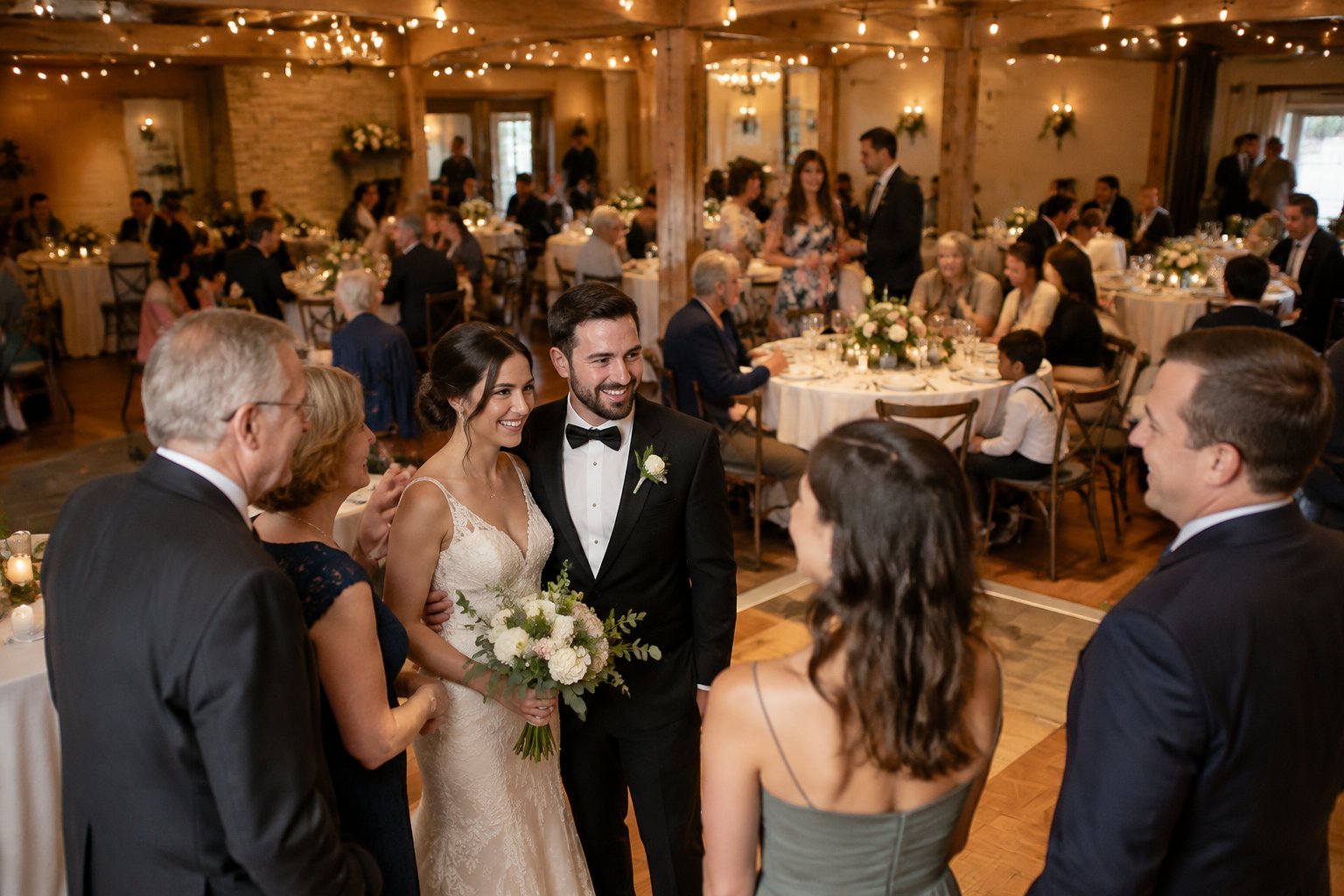
You will recognize most faces, yet the room will have enough movement for lively dining, dancing, and mingling. If you want a celebration that feels personal without limiting the guest list to immediate family, 100 guests gives you room to create that balance. As you plan, you can also explore how many guests you need for a wedding to compare your starting number with your priorities.
Where Does 100 Guests Fit Among Wedding Sizes?
A 100-person wedding falls into the medium wedding range, with an intimate feel that sits between a small wedding and a large wedding. Common planning ranges place micro weddings at about 20 to 50 guests, small weddings at 50 or fewer, medium-sized weddings at 50 to 150, and large weddings above 150.

Typical Guest Counts for a Micro, Small, Medium, and Large Wedding
Guest-count labels help you estimate the space, budget, and energy you will need:
- Elopement: The couple, an officiant, and a small number of witnesses.
- Micro wedding: About 20 to 50 guests, with a close-knit setting.
- Small wedding: Up to about 50 guests, often held in a home, restaurant, garden, or small event space.
- Medium wedding: About 50 to 150 guests, giving you a blend of personal connection and celebration.
- Large wedding: More than 150 guests, with a bigger room, expanded vendor needs, and a broader social mix.
At 100 guests, you have enough people for a lively dance floor and full reception program. You also have a manageable group for personal vows, customized favors, and meaningful table visits.
Why the Average Wedding Size Is Only a Reference Point
The average wedding size gives you context, not a rule to follow. A guest list near 100 may feel small if your family gatherings include several hundred people. It may feel substantial if you prefer an elopement or micro wedding.
Use the average as a planning checkpoint. Write a preliminary list, separate must-invite guests from optional guests, and compare the total with your budget and venue capacity. Your expected attendance will also depend on travel distance, the season, and how many invited guests accept.
Why Cultural Traditions Change the Definition of Small
Cultural traditions shape wedding size through family expectations, community involvement, and customary invitations. In some families, inviting extended family and family friends creates a guest list far above 100. In other communities, a 100-person celebration includes nearly everyone close to the couple.
Talk with your partner about which traditions you want to honor. You can include a meaningful ceremony ritual, serve familiar dishes, or invite key relatives while keeping the reception within your preferred size.
What Makes 100 Guests Feel Intimate or Big?
A 100-person wedding feels intimate when the venue fits the group, the guest list centers on close relationships, and the layout supports conversation. The same number feels bigger in a wide banquet hall with distant tables and separate social groups.
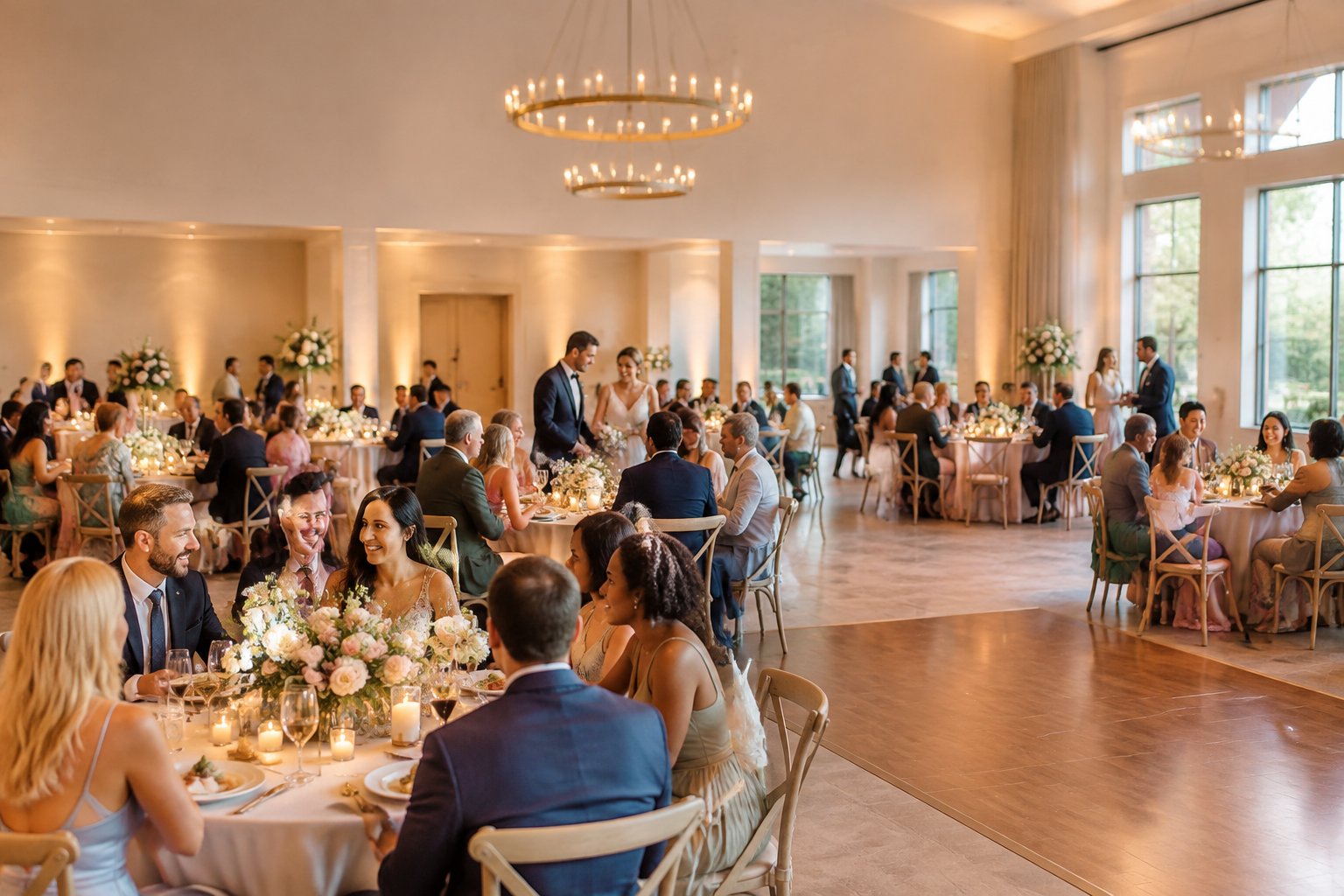
The people in the room affect your comfort, while the physical design shapes how guests experience the day. Thoughtful guest list management and personal touches help connect both parts.
How Venue Capacity Shapes the Atmosphere
Venue capacity sets the room’s visual and social scale. A space designed for 300 guests may make 100 people feel spread out, especially if tables sit far from the dance floor or the room has large unused areas.
Choose a venue whose comfortable capacity sits close to your expected attendance. A banquet hall with flexible partitions, a private restaurant room, or a garden with defined areas can make the gathering feel full and welcoming. Ask where dinner tables, the bar, DJ or band, ceremony seating, and dance floor will go before signing a contract.
Lighting also changes the mood. Warm overhead lighting, candles, and clustered table arrangements create a closer atmosphere without reducing guest comfort.
Who Is on the Guest List Matters More Than the Number
A room of 100 people feels personal when most guests are your immediate family, extended family, close friends, and trusted colleagues. If the guest list includes many unfamiliar connections, the same count can feel less connected.
Start with the people whose presence supports your relationship. Then review plus-ones, children, distant relatives, and work friends using the same rules for both sides of the family. A clear method makes guest list management easier and reduces difficult conversations.
You can also give guests shared points of connection through assigned tables, welcome notes, or a short explanation of how you know them.
How Family Dynamics and Social Groups Affect the Day
Family dynamics influence whether the celebration feels relaxed. Separate social groups may need clear seating plans, activity options, and enough open space to mingle across circles.
Seat guests with people they know, while adding a few natural bridges between groups. Keep tense relationships apart when needed, and place older relatives away from loud speakers. A thoughtful seating plan helps each guest settle in quickly and gives you more freedom to enjoy the reception.
Can You Still Spend Time With Everyone?
You can connect with many of your guests at a 100-person wedding, though a full conversation with every person requires planning. Your guest experience improves when you create several natural points for interaction across the day.
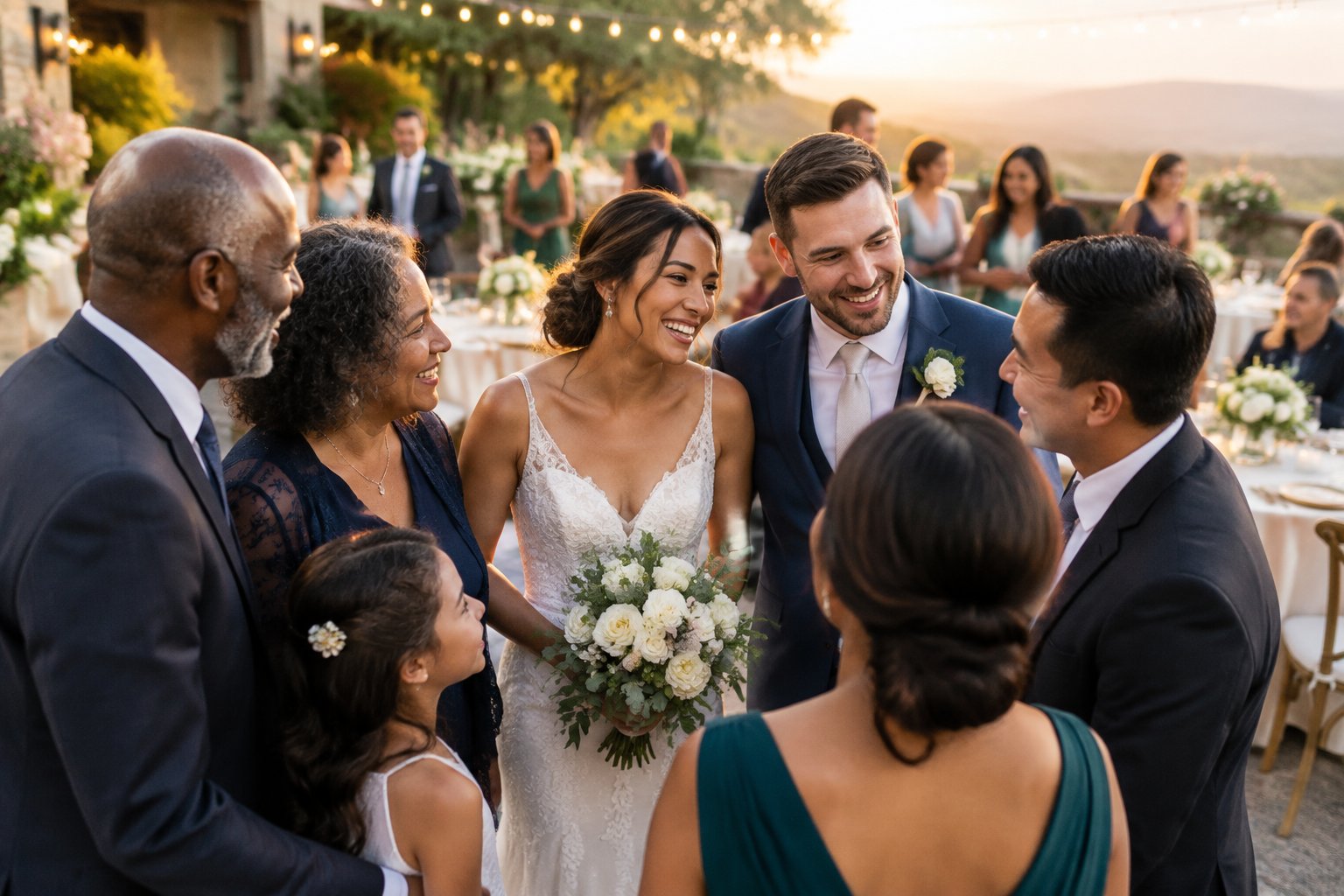
Use the ceremony, cocktail hour, dinner, and dancing to spread out visits. A relaxed timeline gives you more chances to speak with guests without turning the reception into a series of formal stops.
How to Create Meaningful Guest Interactions
Plan short visits during cocktail hour and dinner, then return to guests during dancing or dessert. Ask your photographer to capture table visits and candid conversations so you can preserve those connections.
You can also add personal touches that invite conversation:
- Write a brief welcome note for each table.
- Display photos or objects connected to your relationship.
- Mention guests and shared memories in your toast.
- Host a welcome gathering before the wedding when many guests travel.
If you want to greet every guest, set a realistic goal of a few minutes per table. Your partner can cover different tables, then you can reconnect with people together during the reception.
Reception Choices That Encourage Mingling
Food stations create movement and give guests a reason to talk across tables. A cocktail hour with comfortable lounge seating helps people meet before dinner. Family-style service also encourages guests to pass dishes and share conversation.
Seating arrangements should leave clear paths between tables, the bar, restrooms, and dance floor. A photo booth gives guests an easy shared activity, while a guest book near the reception entrance creates another conversation point.
Keep the layout open enough for movement while preserving quiet areas where older guests or anyone who needs a break can sit comfortably.
Entertainment That Adds Energy Without Overcrowding the Schedule
A DJ, band, or curated playlist can keep the reception lively without filling every minute. Leave space for dinner conversation, speeches, and unplanned visits.
Schedule speeches in a compact block, then open the dance floor. A photo booth, lawn game, or live artist gives guests choices without requiring everyone to join the same activity. With 100 people, you can offer one main entertainment feature and still preserve an intimate atmosphere.
Planning Logistics for a 100-Guest Celebration
Planning a 100-guest wedding calls for a venue with comfortable capacity, a clear seating chart, and a timeline that keeps people moving smoothly. You will manage enough details for professional coordination to add real value, especially during setup and guest arrival.
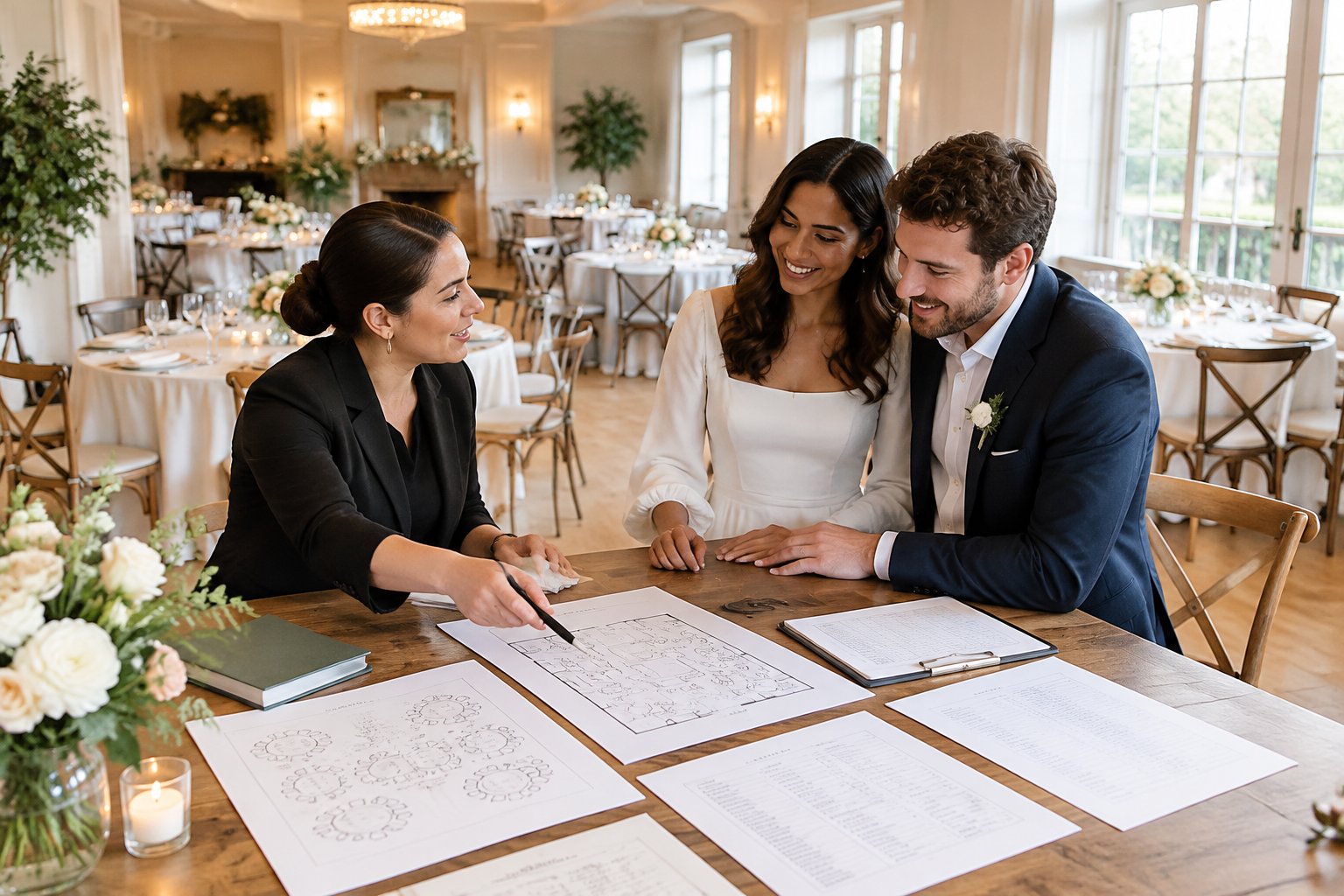
Your choices around room size, table placement, and vendor timing affect both comfort and guest experience. Confirm these details before invitations go out so your final headcount supports the plan.
Choosing a Venue That Feels Full but Not Crowded
Visit venues with a sample layout that matches your expected guest count. A room may fit 100 people on paper while leaving too little space for a buffet, bar, dance floor, or accessible walkways.
Ask the venue to show:
- Dinner table dimensions and spacing
- Dance floor and entertainment placement
- Restroom and bar access
- Weather backup space for outdoor events
- Parking, entrances, and accessibility
- Rules for catering, décor, and rentals
A flexible room lets you adjust the layout after RSVPs arrive. For table planning, compare your floor plan with guidance on how many tables you need for 100 guests.
Creating a Seating Chart That Supports Conversation
Build the seating chart around relationships, accessibility, and comfort. Seat close friends together, keep family members near familiar faces, and place guests who need quieter seating away from speakers.
Round tables support group conversation, while long tables create a communal feel and use space efficiently. Mix table sizes when the venue allows it, then leave enough room for servers and guests to move between seats.
Confirm the final seating arrangement after RSVPs close. Give the venue, caterer, coordinator, and stationery vendor the same updated chart so place cards and meals match.
When a Wedding Planner Is Worth It
A wedding planner earns their place when you have many vendors, a detailed setup, family concerns, or limited time to manage logistics. A month-of or day-of coordinator can handle vendor arrival, room setup, timeline changes, and guest questions while you focus on the ceremony and reception.
Full planning support helps when you need assistance with venue selection, budget tracking, guest list management, and design decisions from the start. If your celebration has a simple venue package and a small vendor team, coordination support for the wedding day may fit your needs.
Is 100 Guests the Right Number for Your Vision?
A 100-person wedding suits you when you want an intimate wedding with enough guests for a lively reception. Your preferred wedding size should reflect the people you want nearby, the atmosphere you enjoy, and the budget you can manage comfortably.
Signs You May Prefer a Smaller, More Intimate Celebration
A smaller wedding may fit your vision if you want to speak with nearly everyone, host dinner at one long table, or choose a private restaurant or home setting. You may also prefer a smaller list if your budget is focused on custom food, meaningful décor, photography, or a destination experience.
Consider a micro wedding or elopement if the ceremony itself is your main priority. A guest list of 20 to 50 people gives you more time for personal vows, relaxed meals, and detailed conversation.
Signs You May Want a Larger Guest List
A larger celebration may suit you if you have a wide circle of close friends, a large extended family, or cultural traditions that include the community. You may also enjoy a packed dance floor, a larger band, and the energy of guests from different parts of your life.
If 100 names feel difficult to remove from your list, review your budget and venue options before cutting people. A large wedding requires more space, staffing, seating coordination, and catering, so plan those needs early.
How to Set a Guest Count You Will Feel Good About
Start with separate must-invite lists for you and your partner. Combine them, remove duplicates, and add important family members before reviewing optional guests.
Set a clear rule for plus-ones, children, coworkers, and distant relatives. Then, compare the list with your budget and venue capacity.
Price the guest-based costs, including meals, beverages, rentals, stationery, and favors. Then picture the room with your expected attendance and ask whether you can move comfortably and spend time with the people you invited.
Once the number feels workable, share the same guest-list rules with both families. A firm plan helps you protect your budget and create the guest experience you want.