
Does a Bride Need a Bouquet? Exploring Wedding Traditions and Personal Choices
Choosing whether to carry a bouquet on your wedding day is a personal decision that depends on your style and preferences. Many brides embrace this tradition for its elegance and sentimentality. A beautiful bouquet can enhance your look and add a special touch to the celebration.
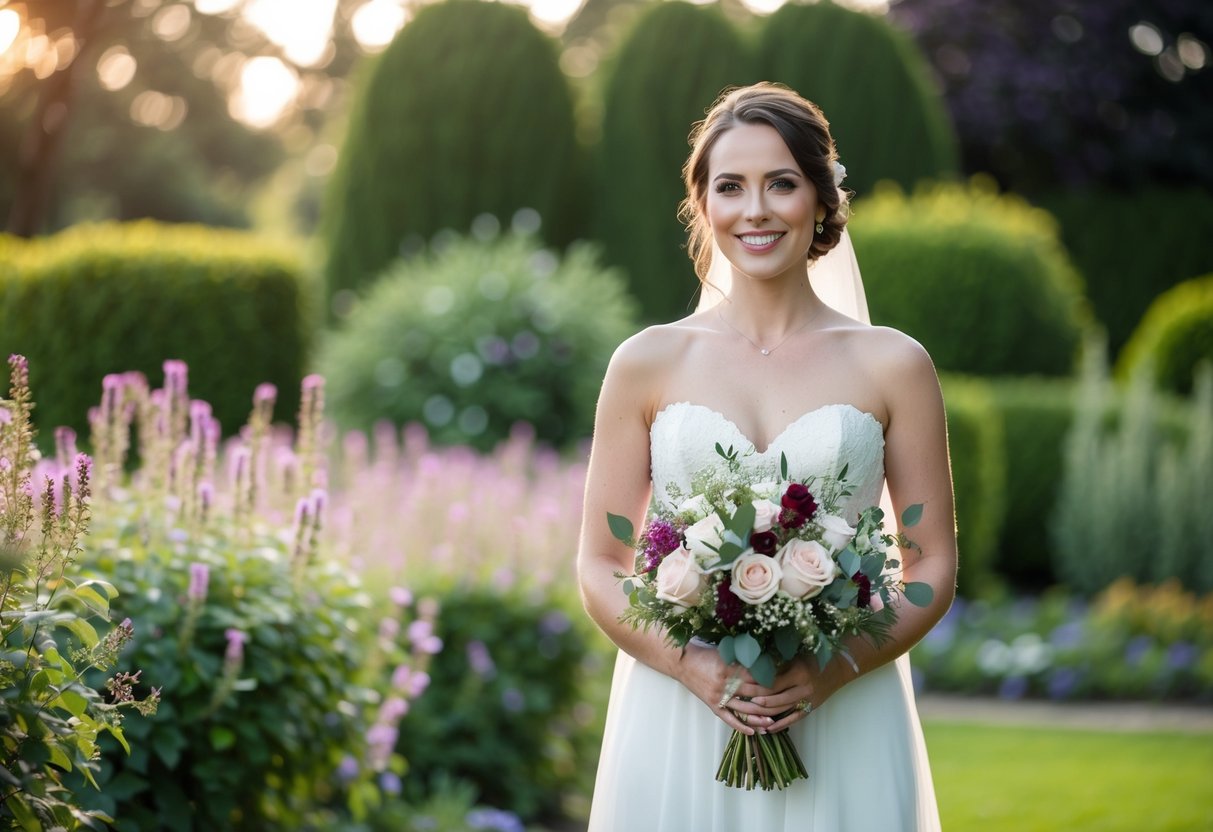
Traditionally, bouquets symbolize happiness and new beginnings, connecting you to generations of brides before you. While the choice is yours, think about what feels right for your wedding day. If floral arrangements are not your thing, you can explore alternative ideas that reflect your personality and make your day uniquely yours.
Whether you carry a bouquet or not, the most important thing is that your wedding reflects who you are and what you love. Your day should be filled with joy and personal meaning, whether that includes flowers or something completely different.
History and Significance of Bridal Bouquets
The tradition of brides carrying bouquets has deep roots. It combines cultural practices and beliefs that have evolved over centuries. These flowers are not just decorative; they carry significant meaning tied to love, fertility, and protection against evil spirits.
Cultural Traditions and Superstitions
In many cultures, carrying a bouquet has been linked to bride’s well-being. Ancient Greeks and Romans believed that fragrant herbs and flowers would ward off evil spirits. Brides often chose flowers thought to symbolize fertility and new beginnings.
During the Victorian Era, bouquets gained even more symbolic importance. Queen Victoria popularized the use of formal bridal bouquets, making them a staple in wedding ceremonies. You might find your choice of flowers reflects personal meaning, as different blooms carry specific symbolism, such as love or purity. This connection to tradition also adds depth to your wedding day.
The Role of Flowers in Wedding History
Flowers have always played a crucial role in weddings. In earlier times, they served practical purposes, like masking odors. Today, the bridal bouquet signifies more. It represents your individuality and style.
Historically, flowers like lilies and roses were common choices. Lilies symbolize purity, while roses stand for love. Each flower you select can tell a story and express emotions you wish to convey on your special day. Understanding this history can help you choose a bouquet that resonates deeply with your journey, adding meaning to your celebration.
Choosing the Perfect Bouquet
Selecting the right bouquet is an important choice for your wedding. It reflects your style and adds to the beauty of your special day. Here are some key factors to consider in choosing the perfect bouquet.
Flower Types and What They Symbolize
Each flower carries its own meaning. For example, roses are classic symbols of love and beauty, making them popular choices for brides. Other flowers like lilies represent purity, while daisies symbolize innocence.
Using a mix of flowers can convey different emotions and messages. If you want to emphasize fidelity, consider including forget-me-nots. You can create a bouquet that not only looks beautiful but also tells your unique love story by choosing the right flowers for your special day.
Color Significance and Arrangement Styles
Colors play a significant role in setting the mood for your wedding. Soft, pastel colors like pink and lavender can convey romance and elegance. On the other hand, bold colors like red and deep purple can signify passion and strength.
Think about how the colors of your bouquet will match the overall theme of your wedding.
Popular arrangement styles include:
- Round: A classic and symmetrical look.
- Cascade: A more dramatic style that flows down.
- Hand-tied: A natural, relaxed appearance.
Choose a style that complements your dress and the overall decor.
Matching the Bouquet to the Wedding Style
Your bouquet should reflect the style and theme of your wedding. If you’re planning a rustic wedding, consider using wildflowers or a more natural-looking arrangement. For a formal wedding, an elegant bouquet of roses and lilies may be perfect.
Don’t forget about how the bouquet will look with your dress. If your gown has intricate details, a simpler bouquet might work best to keep the focus on you. Always aim for harmony in your choices to ensure that everything looks beautiful together.
Alternatives to Traditional Bouquets
If you’re considering skipping the traditional bouquet, there are many exciting options available. These alternatives can match your unique style and add a personal touch to your bridal ensemble. Here are some creative ideas you can explore.
Modern Interpretations of the Bouquet
Modern brides often seek ways to express their individuality. One popular option is the use of hoop bouquets. These consist of a hoop frame, often in gold or silver, adorned with blooms. This allows you to showcase flowers in a fresh way while moving away from the classic shape.
Another choice is using a single stem flower or a selection of different types. This approach creates a chic, minimalistic look that aligns perfectly with modern wedding style. You can choose flowers with deep colors or interesting textures to stand out.
Don’t forget about wrist corsages. These stylish accessories can be a beautiful addition to your outfit while eliminating the need for a traditional bouquet. They offer comfort and elegance, making them an excellent choice for the non-traditional bride.
Unique Ideas for Non-Floral Bouquets
If flowers aren’t your thing, there are countless alternative options to consider. Think about using materials like fabric or paper to create a custom bouquet that reflects your personality. For instance, fabric flowers can be made to match the colors of your wedding and can be kept as a memento.
You could also explore metal or wood options. These bouquets can include intricate designs and textures, adding a unique flair to your overall look. A small, elegant arrangement made of these materials can be both striking and meaningful.
Additionally, consider incorporating personal items, such as brooches or cherished photographs, into your bouquet. This adds a sentimental touch and tells a story that is uniquely yours.
Bouquet Toss and Wedding Ceremony Traditions
When planning your wedding, you might wonder about the significance of the bouquet toss and how to incorporate the bouquet into your ceremony. These traditions can add fun and meaning to your special day.
The Bouquet Toss: Meaning and Modern Takes
The bouquet toss tradition is a fun way to involve your single friends during the reception. It dates back to England, where it was believed that catching the bouquet would bring good luck in finding love.
At your wedding, the bouquet toss can mark a transition from formal events to a more relaxed atmosphere. You can choose a moment towards the end of the reception for this activity. Many brides opt for a second, smaller bouquet for this event, ensuring the bridal look remains intact.
Your maid of honor can help organize this playful moment, gathering your friends for the toss. This tradition can be a lighthearted surprise that brings laughter and joy to your celebration.
Incorporating the Bouquet in Your Ceremony
The bouquet also holds special meaning during the wedding ceremony. Traditionally, brides carry flowers down the aisle, symbolizing beauty, love, and fertility. This accessory enhances your bridal look and adds color to your wedding decor.
You might choose to set your bouquet aside while exchanging vows. This moment allows you to focus entirely on your partner. Alternatively, holding your bouquet can be a reminder of the journey you’re taking together.
Many couples incorporate the bouquet in creative ways. Some place the bouquet on a special table during the ceremony, or present it to family members afterward. Your wedding planner can help find ideas that fit your style and venue, making the bouquet a meaningful part of your day.